


If you’re ready to elevate your candle craft, learning how to make scented candles with advanced methods is the next step. In 2026, candle enthusiasts and small-batch makers are seeking not just beautiful designs but also stronger scent throw, smoother wax, and professional-level consistency. Whether you dream of luxury scented candles for gifting or simply crave a more fragrant home, mastering these techniques will help you achieve results that rival boutique brands while keeping safety at the forefront.
In this guide, we’ll go far beyond basic DIY. You’ll discover the science behind wax and fragrance compatibility, precise weighing, temperature control, and advanced mixing. We’ll explore the importance of batch notes and testing, troubleshooting common defects, and adhering to safe formulation limits. Every step is designed to help you create luxury scented candles with confidence and artistry, while always respecting supplier safety guidelines and best practices. Let’s dive into the world of advanced candle-making and unlock the secrets to truly exceptional scented candles.
Understanding Wax and Fragrance Compatibility
One of the most critical steps in how to make scented candles is ensuring your wax and fragrance oils are truly compatible. Not every wax can hold high fragrance loads, and not every oil blends seamlessly into every wax. For example, soy waxes often max out at 8–10% fragrance load, while some paraffin blends can safely carry up to 12%. Always check your supplier’s technical sheets for recommended limits, as exceeding them can lead to sweating, poor scent throw, or even fire hazards. When aiming for luxury scented candles, it’s tempting to add more fragrance, but more isn’t always better. Too much oil can destabilize the wax matrix, causing tunneling or rough tops, and may even impact the candle’s burn safety.
To test compatibility, start by making small test batches with varying fragrance percentages within the recommended safe range. Observe how the wax sets: does it look glossy or develop frosting? Does the scent remain strong after curing, or does it fade? For advanced makers, consider blending waxes (such as soy with coconut or beeswax) to optimize both scent throw and burn quality. When selecting fragrance oils, choose those specifically formulated for candle use, as some oils designed for soap or diffusers may not bind well with wax. Keeping a detailed log of your experiments will help you refine your process and avoid repeating mistakes, ensuring each batch of scented candles meets your high standards.
Accurate Weighing and Measuring for Consistency
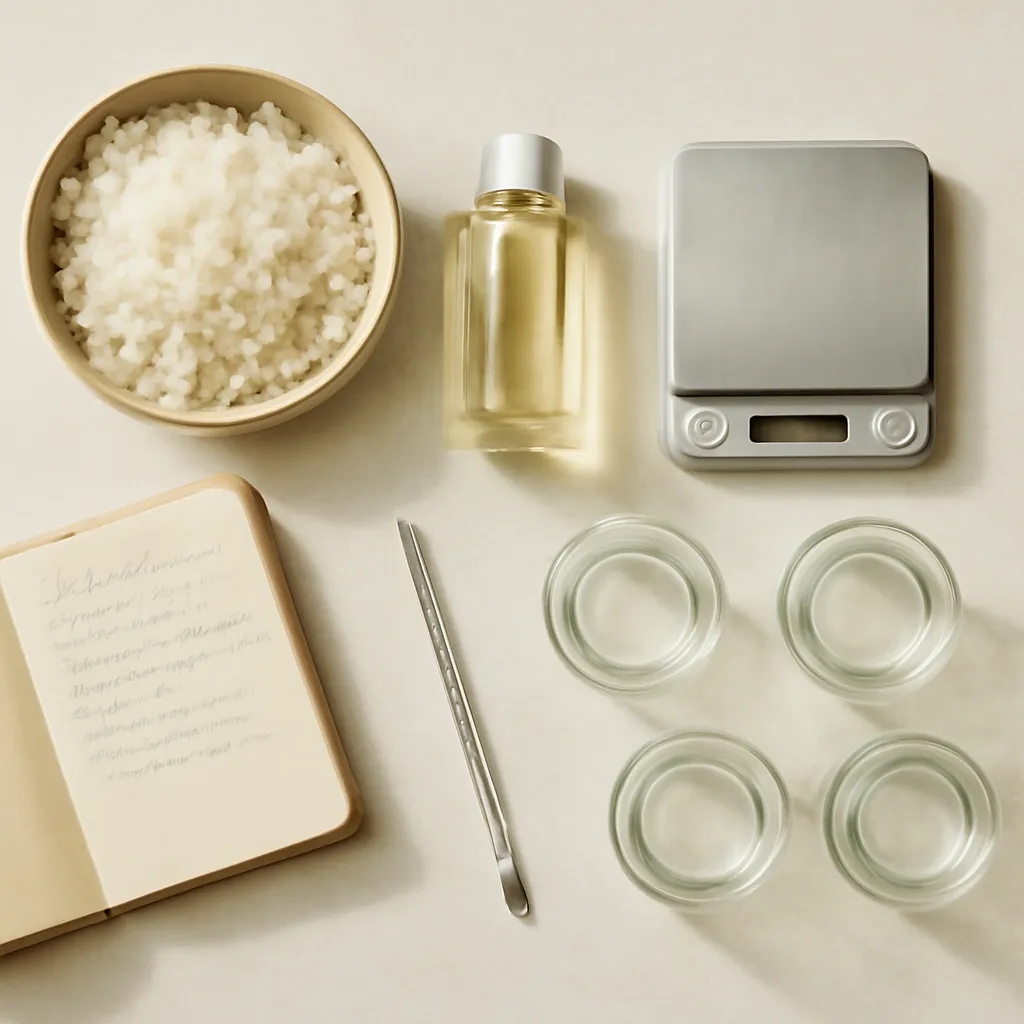
Precision is essential for anyone serious about how to make scented candles at a professional level. Accurate weighing ensures that each batch of luxury scented candles has consistent scent throw, burn time, and appearance. Invest in a digital scale that measures to at least 0.1 grams for fragrance oils and wax. Measuring by weight, not volume, is crucial because different oils and waxes have unique densities. For example, 10 grams of lavender oil will not occupy the same space as 10 grams of vanilla oil, but both will impact your candle’s performance identically if weighed properly. Always tare your containers before adding ingredients to avoid miscalculations.
For advanced makers, batch notes are indispensable. Record every detail: wax type and batch number, fragrance oil name and lot, percentages used, temperatures, and observations. This documentation not only helps you replicate successful batches but also troubleshoot when things go wrong. It’s wise to prepare a checklist or template for each batch, ensuring no step is skipped. As you refine your process, you’ll notice that even minor variations in how you weigh and mix ingredients can affect the final product. Consistency is the hallmark of luxury scented candles, and it all begins with accurate measuring and meticulous record-keeping.
Mastering Temperature Control for Smoother Wax
Temperature control is a cornerstone of advanced candle-making. Both the wax and fragrance oil have ideal temperature ranges for mixing and pouring, which directly influence scent throw and the smoothness of your finished candle. Overheating wax can cause discoloration, rough tops, and even degrade the fragrance, while pouring at too low a temperature may result in poor adhesion to the jar or surface imperfections. For most soy waxes, the optimal mixing temperature is between 170°F and 185°F, with pouring recommended around 135°F to 145°F. Always use a reliable thermometer and avoid guessing.
When learning how to make scented candles with a luxury finish, patience is key. Allow the melted wax to cool to the correct temperature before adding the fragrance oil, then stir gently but thoroughly for at least two minutes to ensure full incorporation. Pouring too quickly or at the wrong temperature can trap air bubbles or leave streaks in the wax. For multi-layered or colored candles, temperature control becomes even more important to prevent bleeding or uneven layers. By mastering these details, you’ll consistently achieve smooth, professional-looking scented candles that stand out in any setting.
Advanced Mixing and Incorporation Techniques
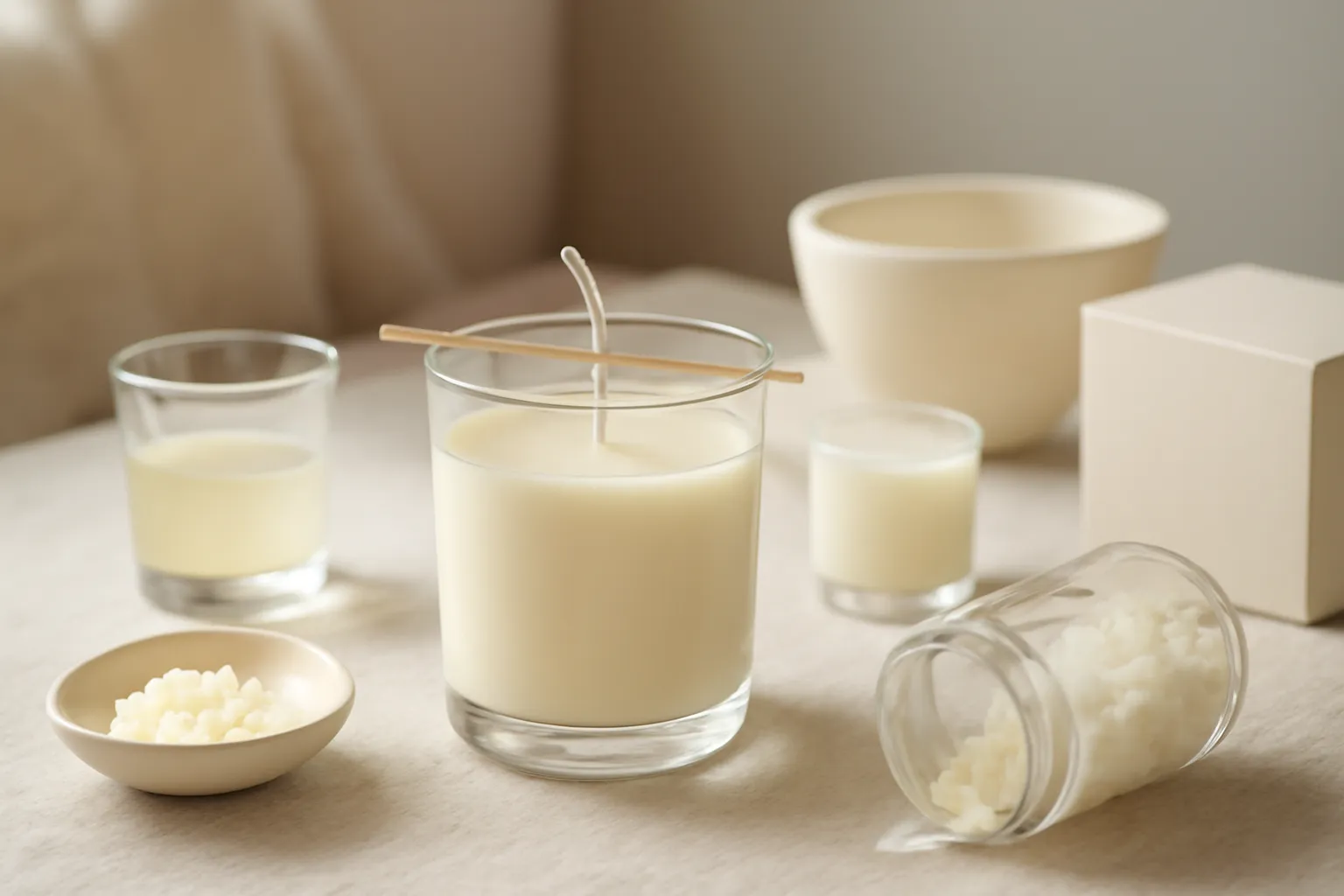
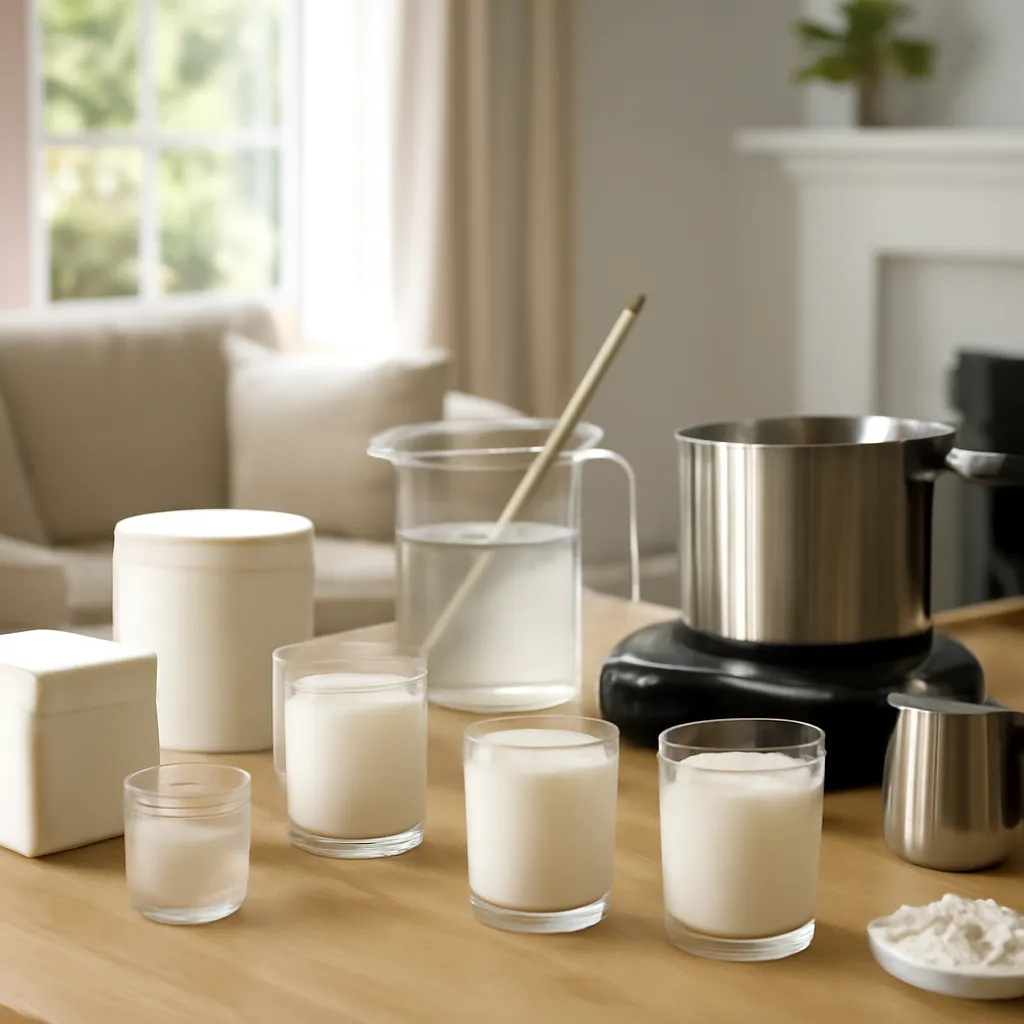
Proper mixing is often overlooked but can make or break your scented candles. When fragrance oil isn’t fully incorporated, it can separate, pool, or fail to deliver a strong scent throw. Advanced makers use slow, steady stirring—preferably with a silicone spatula or glass stir rod—for two to three minutes after adding fragrance oil. This method helps bind the oil to the wax and minimizes the formation of bubbles. For large batches, consider a dedicated mixing tool on a low speed to ensure uniformity without introducing too much air.
Another tip for luxury scented candles is to pre-warm your fragrance oil slightly before adding it to the wax. Gently warming the oil (never above 120°F) helps it blend more easily and can enhance the overall scent throw. Always add fragrance at the recommended wax temperature, not when the wax is too hot or cold. For complex blends, layer your fragrance oils in a specific order to ensure a balanced aroma profile. Keep a detailed log of your mixing times, temperatures, and methods in your batch notes for future reference. These advanced techniques ensure your scented candles are both beautifully aromatic and visually flawless.
The Importance of Curing and Storage
Curing is a step that separates amateur candle makers from those producing luxury scented candles. After pouring, allow your candles to cure—meaning rest undisturbed—for at least one to two weeks, depending on the wax type. This period allows the wax and fragrance to fully bind, resulting in a stronger, more consistent scent throw. Soy wax candles, in particular, benefit from longer curing times, often reaching their peak scent after two weeks. Skipping this stage can lead to disappointing results, with a muted scent or uneven burn.
Proper storage is equally important. Store your finished scented candles in a cool, dry place away from direct sunlight, which can fade fragrance and discolor wax. Cover the candles, or keep them in closed containers, to prevent dust and contamination. If you’re preparing candles for sale or gifting, label each batch with the pour date and recommended cure time to ensure the recipient enjoys the best possible aroma. By respecting the curing process and storing your candles thoughtfully, you preserve the integrity and luxury feel of your creations, making every candle a delight from the first burn to the last.
Wick Selection and Testing for Optimal Performance
Choosing the right wick is essential for both safety and performance in luxury scented candles. The wick size, type, and material all influence how the candle burns, how much scent is released, and whether the wax melts evenly. Cotton and wood wicks are popular choices, but each behaves differently depending on the wax and fragrance load. Start by consulting your wax supplier’s wick chart, then conduct a series of burn tests with different wick sizes. Document the results in your batch notes, noting flame height, melt pool diameter, and any signs of sooting or tunneling.
Advanced candle makers know that fragrance oils can affect wick performance. Some oils, especially those with heavy base notes, may require a larger wick to maintain a steady burn, while lighter oils might need a smaller wick to avoid overheating. Always test your luxury scented candles in the intended container, as shape and size can dramatically alter burn characteristics. For each test, burn the candle for at least three to four hours and observe the melt pool. Adjust your wick selection as needed, and don’t hesitate to test multiple times until you achieve a clean, even burn with optimal scent throw. This meticulous approach ensures every candle you create is both beautiful and safe to use.
Maintaining Detailed Batch Notes and Quality Control
Keeping thorough batch notes is a hallmark of advanced candle-making. Every batch of scented candles should be accompanied by a detailed record of materials, measurements, temperatures, mixing methods, and observations. These notes allow you to replicate successes, track improvements, and quickly identify the source of any issues. For those producing luxury scented candles, quality control is non-negotiable. Regularly review your notes to spot patterns and refine your process over time.
Develop a standardized template or checklist for each batch. Include sections for wax type, fragrance oil, wick details, temperatures, pour times, and curing notes. After each burn test, record the results, including scent strength, burn quality, and any defects. This disciplined approach not only improves your own skills but also ensures that every candle meets your standards for quality and safety. Over time, your batch notes become an invaluable resource, helping you troubleshoot problems and create consistently excellent scented candles. For those interested in expanding into retail or gifting, batch notes also provide traceability, which is a mark of professionalism in the world of luxury scented candles.
Troubleshooting Common Candle Defects
Even experienced makers encounter defects when figuring out how to make scented candles with a luxury finish. Common issues include sinkholes, rough tops, wet spots, frosting, and weak scent throw. Each defect has multiple potential causes, from improper pouring temperature to incompatible fragrance oils or incorrect wick selection. The key is to diagnose the problem systematically using your batch notes and burn test results. For example, sinkholes often result from pouring wax that’s too hot or from rapid cooling, while frosting is more common with soy wax and can be minimized by controlling temperature and pouring slowly.
Use the table below as a quick reference for troubleshooting:
| Defect | Possible Cause | Solution |
|---|---|---|
| Sinkholes | Poured too hot, rapid cooling | Pour at lower temp, cool slowly |
| Rough tops | Overheating wax, fast cooling | Lower pour temp, insulate jars |
| Wet spots | Poor jar adhesion, temp swings | Pre-warm jars, steady cooling |
| Frosting | Soy wax property, temp issues | Pour slowly, control temp |
| Weak scent | Low fragrance load, poor mixing | Increase load (within limits), mix thoroughly |
When troubleshooting, always refer to your supplier’s safety and formulation guidelines. Never exceed recommended fragrance loads or use untested additives. If you’re looking for high-quality fragrance oils, consider exploring the soy candle collection at TadaVN Candles. With patience and careful observation, you’ll be able to resolve most defects and create luxury scented candles that are as beautiful as they are fragrant.
Safe Formulation Practices and Supplier Guidelines
Safety is paramount when learning how to make scented candles, especially at an advanced level. Always adhere strictly to your wax and fragrance supplier’s recommended usage rates and limits. Overloading your candles with fragrance oil can not only cause sweating or poor performance but may also create fire hazards. Use only fragrance oils and dyes specifically tested and approved for candle use; never substitute with essential oils or other additives unless the supplier confirms they are safe for combustion. Keep your workspace well-ventilated and wear gloves when handling concentrated fragrance oils.
Label your finished luxury scented candles with clear safety instructions, including the recommended burn time, trimming wick guidance, and a warning to keep away from children and pets. If you plan to sell your candles, research local and national regulations for labeling and fire safety. By following supplier guidelines and prioritizing safe formulation, you protect both yourself and your customers, ensuring that your scented candles offer not only luxury but also peace of mind. For those seeking to enhance their home fragrance safely, TadaVN Candles offers a curated range of scented candles designed with both performance and safety in mind.
Conclusion: Elevate Every Room with TadaVN Candles
Mastering how to make scented candles with advanced techniques opens the door to a world of creativity, luxury, and comfort. By focusing on compatibility, precision, temperature, mixing, and safety, you can craft luxury scented candles that fill your home with unforgettable fragrance and style. Remember, every detail matters—from the wax you choose to the way you document each batch. As you refine your skills, your candles will not only look and smell amazing but also bring warmth and joy to every space.
If you’re inspired to experience the artistry of premium home fragrance, explore the exquisite selection at TadaVN Candles. Whether you’re seeking inspiration, supplies, or the perfect gift, TadaVN Candles is your partner in creating a truly cozy and inviting home.