

Have you ever noticed a bulbous, mushroom-like shape forming at the tip of your candle wick after burning? If so, you’re not alone. Many candle lovers ask, “Why does my candle wick mushroom?” and worry whether it’s a sign of poor candle care or a potential hazard. Wick mushrooming is a common issue that can affect both the appearance and performance of your favorite scented candles. Understanding the causes and learning how to fix it safely can make a big difference in your candle burning experience, ensuring you enjoy a clean, even burn and a welcoming home fragrance every time.
In this guide, we’ll answer why candle wick mushrooming happens, how it impacts your candle, and what you can do to prevent it. You’ll discover practical candle burning tips, step-by-step candle care routines, and how to spot the signs of wick problems early. Whether you’re a seasoned candle enthusiast or just starting your scented candle care journey, these insights will help you enjoy your candles to the fullest—safely and beautifully.
The Science Behind Candle Wick Mushrooming
To understand why your candle wick mushrooms, it helps to know what’s happening during the burning process. When a candle burns, the wick draws up melted wax, which acts as fuel for the flame. If the wick is too thick, too long, or made of certain materials, it may not burn all the way down. Instead, excess carbon can build up at the tip, forming the characteristic mushroom shape. This is what’s referred to as candle wick mushrooming.
Mushrooming is especially common with scented candles that use highly fragranced wax blends or larger wicks designed to produce a bigger flame. While a slight mushroom cap isn’t always a problem, a large, sooty buildup can cause uneven burning, excess smoke, and even drop hot debris into the wax pool. Learning to spot and manage this issue is an essential part of candle care. Recognizing the signs and knowing why does my candle wick mushroom can help you take proactive steps to maintain both safety and performance.
Many premium candles are designed with self-trimming wicks, but even the best products need regular attention. By understanding the science behind wick mushrooming, you’ll be better prepared to choose the right candles and care for them properly. This knowledge forms the foundation for all effective scented candle care routines.
Establishing an Ideal Wick-Maintenance Routine
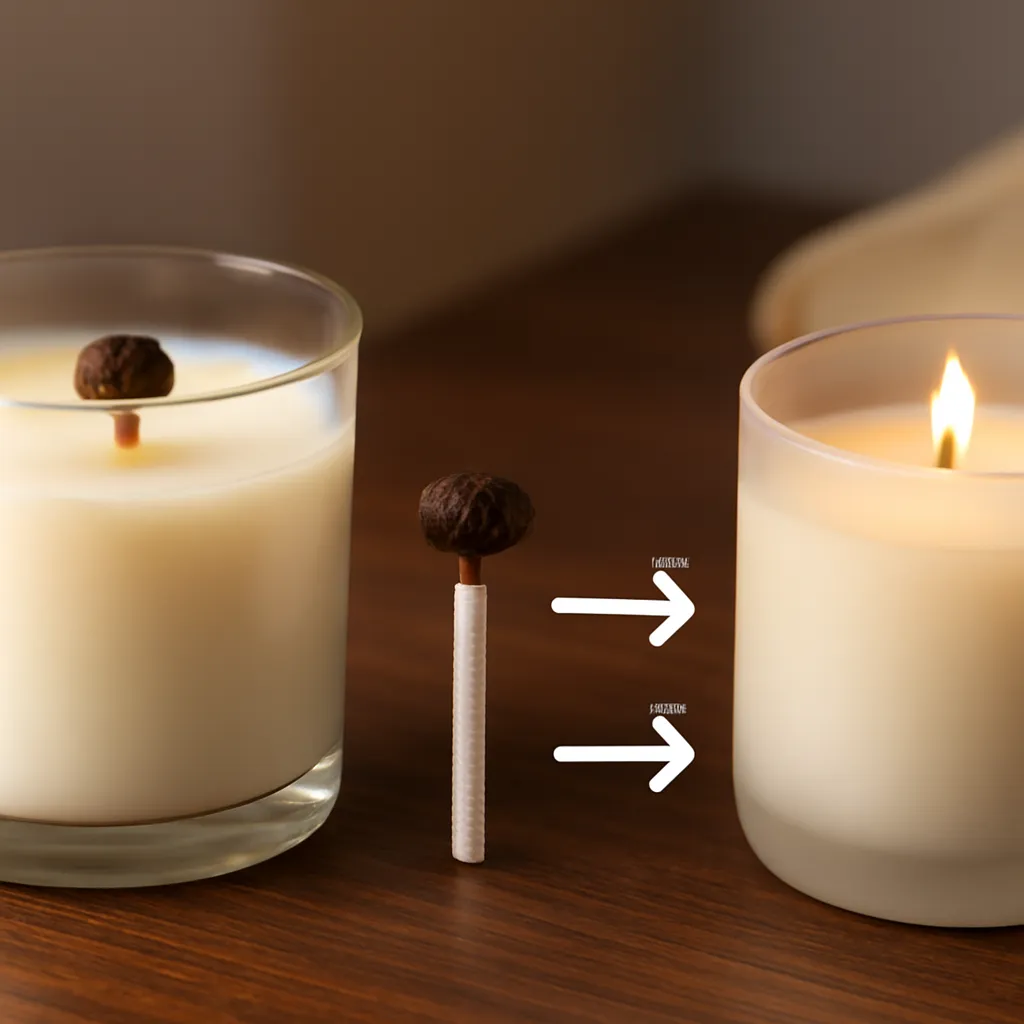
One of the most effective ways to prevent candle wick mushrooming is to develop a consistent wick-maintenance routine. Before each burn, check the length of your candle wick. The ideal length is typically about 1/4 inch (6 mm). Trimming the wick to this size ensures a steady, controlled flame and reduces the risk of excessive carbon buildup, which leads to mushrooming.
Use a dedicated wick trimmer or a small pair of scissors to achieve a clean, straight cut. Avoid tearing or fraying the wick, as this can cause uneven burning or additional soot. If you notice a mushroom-shaped cap at the end of the wick, gently remove it before lighting the candle again. This simple step is one of the most important candle burning tips you can follow, as it keeps the flame stable and the wax pool clean.
Incorporating wick care into your regular candle care routine doesn’t take much time but makes a noticeable difference. Not only does it help prevent wick mushrooming, but it also extends the life of your candle and enhances the scent throw. For an extra touch of luxury, consider pairing your routine with premium accessories such as wick dippers or snuffers, which help extinguish the flame cleanly and keep the wick in top condition for your next burn.
Recognizing the Signs: Too Long vs. Too Short Wicks
Knowing how to spot when your wick is too long or too short is crucial for safe and enjoyable candle use. A wick that’s too long is the most common cause of candle wick mushrooming. You’ll notice the flame flickers excessively, produces smoke, or forms a large, mushroom-shaped carbon cap. This can lead to soot deposits on the candle jar and a less pleasant burning experience.
On the other hand, a wick that’s too short may struggle to stay lit or fail to create a full melt pool across the surface of the wax. This can cause tunneling, where wax builds up around the edges and the candle burns unevenly. When practicing proper candle care, always check the wick length before lighting. If you see a black, bulbous tip, trim it back. If the wick is buried in wax or barely peeks above the surface, gently remove some wax to expose more of the wick, but avoid digging too deep or damaging the candle’s structure.
Keeping your wick at the optimal length helps you avoid both extremes. This simple practice supports a cleaner, safer burn and keeps your scented candle care routine on track. If you’re ever unsure, refer to the candle’s care instructions or consult a reputable source for guidance. The right wick length can make all the difference in how your candle performs and how long it lasts.

How Wick Condition Changes Flame, Soot, and Scent
The condition of your candle wick has a direct impact on the quality of the flame, the amount of soot produced, and even the way your candle’s fragrance fills the room. When a wick mushrooms, the excess carbon can cause the flame to burn irregularly, often becoming too large or unstable. This leads to more soot, which can discolor the candle jar and surrounding surfaces. It may also affect air quality, especially in smaller spaces.
A well-maintained wick creates a small, steady flame that efficiently vaporizes the scented oils in the wax. This ensures a consistent release of fragrance and a more enjoyable ambiance. If you notice your candle producing black smoke or leaving residue on nearby surfaces, check for signs of candle wick mushrooming and trim the wick as needed. Regular attention to wick condition is a cornerstone of good candle burning tips and will help you get the best results from your favorite candles.
For those who love to experiment with different scents and wax types, remember that some fragrances and wax blends are more prone to mushrooming than others. Always observe how your candle behaves during each burn and adjust your candle care routine accordingly. For a curated selection of beautifully crafted candles that are designed for optimal performance, explore the soy candle collection at TadaVN Candles.

When Wick Problems Need a Different Fix
Sometimes, regular wick trimming and basic candle care aren’t enough to solve persistent mushrooming or burning issues. If you find yourself constantly battling large carbon caps or excessive soot, it may be time to consider other factors. The type of wax, fragrance load, and even the size and style of the wick all play a role in how a candle burns.
For example, candles with heavy fragrance oils or certain dyes may naturally produce more carbon buildup, making mushrooming more likely. In these cases, switching to a candle with a different wick type—such as a braided cotton wick or a wood wick—can offer a better burning experience. If tunneling or drowning wicks are a recurring problem, check that your candle is burning long enough to create a full melt pool each time. Sometimes, the vessel size or shape can also affect performance, so choosing the right candle for your space is key.
When troubleshooting persistent issues, compare your results with those from other candles or consult with the manufacturer for advice. Many high-end brands, including TadaVN Candles, offer guidance on proper wick selection and maintenance for their products. If in doubt, don’t hesitate to reach out for support or try a different candle that better suits your burning habits and environment.

Correct Burn Habits for Better Candle Performance
Developing good burn habits is essential for preventing candle wick mushrooming and maximizing the life and enjoyment of your candles. The first step is to always allow your candle to burn long enough for the entire surface of the wax to melt during the initial burn. This helps set the memory of the wax and prevents tunneling, which can lead to uneven burning and wick problems down the line.
Limit each burn session to three to four hours. Burning a candle for too long can cause the wick to become unstable, increasing the risk of mushrooming and soot. After extinguishing the flame, let the wax cool completely before relighting. This gives the wick time to reset and helps maintain its structure. Keeping your candles away from drafts, fans, or open windows also reduces flickering and uneven burning, which are common contributors to carbon buildup and mushrooming.
Always follow the manufacturer’s guidelines for burn times and care instructions. With proper burn habits, you’ll enjoy a cleaner flame, more consistent fragrance, and a more attractive candle overall. For an enhanced experience, try pairing your favorite scents with complementary home fragrance accessories, such as wax melts or diffusers, to create a multi-layered ambiance throughout your space.
Common Candle Care Mistakes and What to Do Instead
Even the most experienced candle enthusiasts can make mistakes that contribute to wick mushrooming and other issues. One of the most frequent errors is neglecting to trim the wick before each burn. This simple step is often overlooked, but it’s essential for controlling the size of the flame and preventing excess carbon buildup. Another common mistake is burning candles for too long, which can overheat the wax and destabilize the wick.
Some people try to fix a mushroomed wick by snapping it off with their fingers, but this can leave the wick uneven or frayed. Always use proper tools, like a wick trimmer, to ensure a clean cut. Avoid moving a burning candle or placing it near vents, as drafts can cause the flame to flicker and produce more soot. If you notice persistent issues despite following these tips, it may be a sign that the candle’s design isn’t a good match for your environment or burning habits.
By being mindful of these common pitfalls and adopting best practices, you’ll enjoy longer-lasting candles and a safer, more pleasant home environment. For those who love variety, rotating between different candle sizes and scents can also help reduce wear on any single candle and keep your space feeling fresh and inviting.
Practical Candle Care Checklist
Maintaining your candles doesn’t have to be complicated. Here’s a simple checklist to keep on hand for optimal candle care and to minimize wick mushrooming:
- Trim the wick to 1/4 inch before each burn.
- Remove any mushroom cap or carbon buildup before lighting.
- Allow the wax to melt across the entire surface during the first burn.
- Limit burn sessions to three to four hours at a time.
- Keep candles away from drafts and direct sunlight.
- Use a snuffer or wick dipper to extinguish the flame safely.
- Store candles in a cool, dry place when not in use.
- Follow all manufacturer care instructions for your specific candle.
By following these steps, you’ll reduce the risk of candle wick mushrooming and enjoy a cleaner, more fragrant burn every time. For those interested in exploring new scents, check out the home fragrance options available at TadaVN Candles for inspiration.

FAQs: Candle Wick Mushrooming and Candle Care
What is candle wick mushrooming and is it dangerous?
Candle wick mushrooming is when excess carbon builds up at the tip of the wick, forming a mushroom-like shape. While not immediately hazardous, it can cause soot, smoke, and hot debris, so regular trimming is important for safe candle care.
Why does my candle wick mushroom after every burn?
This often happens when the wick is too long, or the candle uses a highly fragranced wax. Ensuring you trim the wick to 1/4 inch before each burn and choosing quality candles can help reduce mushrooming.
How often should I trim my candle wick?
Trim your candle wick before every burn, ideally to about 1/4 inch. This is one of the most effective candle burning tips for preventing mushrooming and ensuring a clean, steady flame.
Can wick mushrooming affect candle scent?
Yes, excessive mushrooming can cause the flame to burn irregularly, which may affect how the fragrance is released. Proper wick maintenance supports better scent throw and overall candle performance.
What should I do if my candle wick is too short?
If your wick is too short, gently remove some wax from around the wick to expose more of it. Avoid digging too deep, as this could damage the candle’s structure. Always check the manufacturer’s care instructions for specific guidance.
Are some candle types less prone to mushrooming?
Candles with properly sized wicks, balanced fragrance loads, and premium wax blends are generally less prone to mushrooming. Look for brands that emphasize quality wick materials and thoughtful design, such as TadaVN Candles.
Conclusion: Enjoying Beautiful Candles with TadaVN Candles
Understanding why does my candle wick mushroom and how to fix it safely is the key to getting the most from your candles. With the right candle care habits, you can prevent mushrooming, extend the life of your candles, and create a cozy, inviting atmosphere at home. Whether you’re relaxing after a long day or setting the mood for a special occasion, a well-cared-for candle makes all the difference.
At TadaVN Candles, we believe that every home deserves the warmth and beauty of a perfectly burning candle. Our curated selection of premium candles is designed to provide a clean, even burn with minimal maintenance. Explore our scented candle collection for inspiration and elevate your candle experience today.