



Knowing how to make your living room smell good without overdoing it is an art every homeowner should master. The living room is where guests gather, families unwind, and memories are made, so the atmosphere should always feel inviting. Achieving a pleasant scent is about balance—too little and odors linger, too much and the space feels overwhelming. The key is to select the right home fragrance, use it thoughtfully, and tailor the approach to your room’s size, airflow, and lifestyle needs.
In this guide, you’ll find practical home fragrance ideas for every aspect of your living space. We’ll cover how to choose the best candle scents for living room comfort, understand open-space scent strength, avoid common mistakes, and keep the air fresh without overpowering your senses. Whether you’re preparing for guests or just want your home to feel more welcoming day to day, these expert tips will help you create a signature scent that’s subtle, sophisticated, and uniquely yours.
Understanding Open-Space Scent Strength
When considering how to make your living room smell good, it’s essential to think about the size and layout of your space. Open-plan living rooms, especially those connected to kitchens or dining areas, present unique challenges. Scent dissipates more quickly in larger spaces, so you may be tempted to use more fragrance. However, overdoing it can lead to headaches or nose fatigue for you and your guests. Instead, focus on layering subtle scents that work harmoniously together.
Start by assessing your living room’s square footage and ceiling height. A single candle or diffuser may suffice for a cozy sitting area, but larger rooms benefit from multiple, strategically placed fragrance sources. Test your scent strength by lighting a candle for 30 minutes and walking into the room from another area. If the fragrance greets you gently without feeling heavy, you’ve found the right balance. For open layouts, consider rotating between different home fragrance ideas—like reed diffusers near entryways and candles on coffee tables—to maintain freshness without overwhelming the senses.
Remember, airflow plays a significant role in how scent travels. Open windows, fans, and air conditioning can carry fragrance farther than you expect. Adjust your approach by using lighter, more diffusive scents in well-ventilated areas, and reserve stronger notes for smaller nooks. This ensures your living room always smells good without ever feeling stuffy or artificial.
Choosing Guest-Friendly Fragrance Families
One of the best ways to make your living room smell good without overdoing it is to select guest-friendly fragrance families. Not all scents are created equal; some are universally appealing, while others can be polarizing or even trigger sensitivities. Citrus, green, and light floral notes are safe bets for shared spaces, providing a clean, uplifting backdrop that feels fresh but not intrusive.
For gatherings, consider the best candle scents for living room environments: think lemon verbena, white tea, or soft linen. These scents evoke cleanliness and warmth without dominating the space. Avoid heavy gourmands, overly sweet vanillas, or intense spices unless you know your guests’ preferences. Layering a fresh citrus candle with a subtle woody base creates dimension and sophistication, making your home fragrance feel curated and intentional. For more inspiration, browse the scented candles at TadaVN Candles to discover blends that are both inviting and refined.
When choosing candles or diffusers, look for products that list their fragrance notes clearly. Opt for those with essential oils or natural extracts, as these tend to be less cloying and more nuanced. Remember, the goal is to enhance your living room’s ambiance, not mask it. A well-chosen scent should complement your décor and lifestyle, leaving guests with a subtle impression of comfort and care.
Strategic Placement and Airflow for Even Scent Distribution
Where you place your home fragrance sources is just as important as the scents themselves. To make your living room smell good, start by identifying high-traffic areas and points where air circulates naturally. Coffee tables, shelves near doorways, and mantlepieces are ideal spots for candles and diffusers. This allows the fragrance to disperse evenly as people move through the space.
Pay attention to the direction of airflow from windows, ceiling fans, or HVAC vents. Placing a candle or diffuser directly in the path of a breeze can help carry the scent throughout the room, but avoid putting them right next to open windows, where fragrance may dissipate too quickly. For a layered effect, use a combination of a main candle in the center of the room and smaller wax melts or reed diffusers in corners or behind furniture. This approach ensures a balanced, welcoming aroma without creating scent “hot spots.”
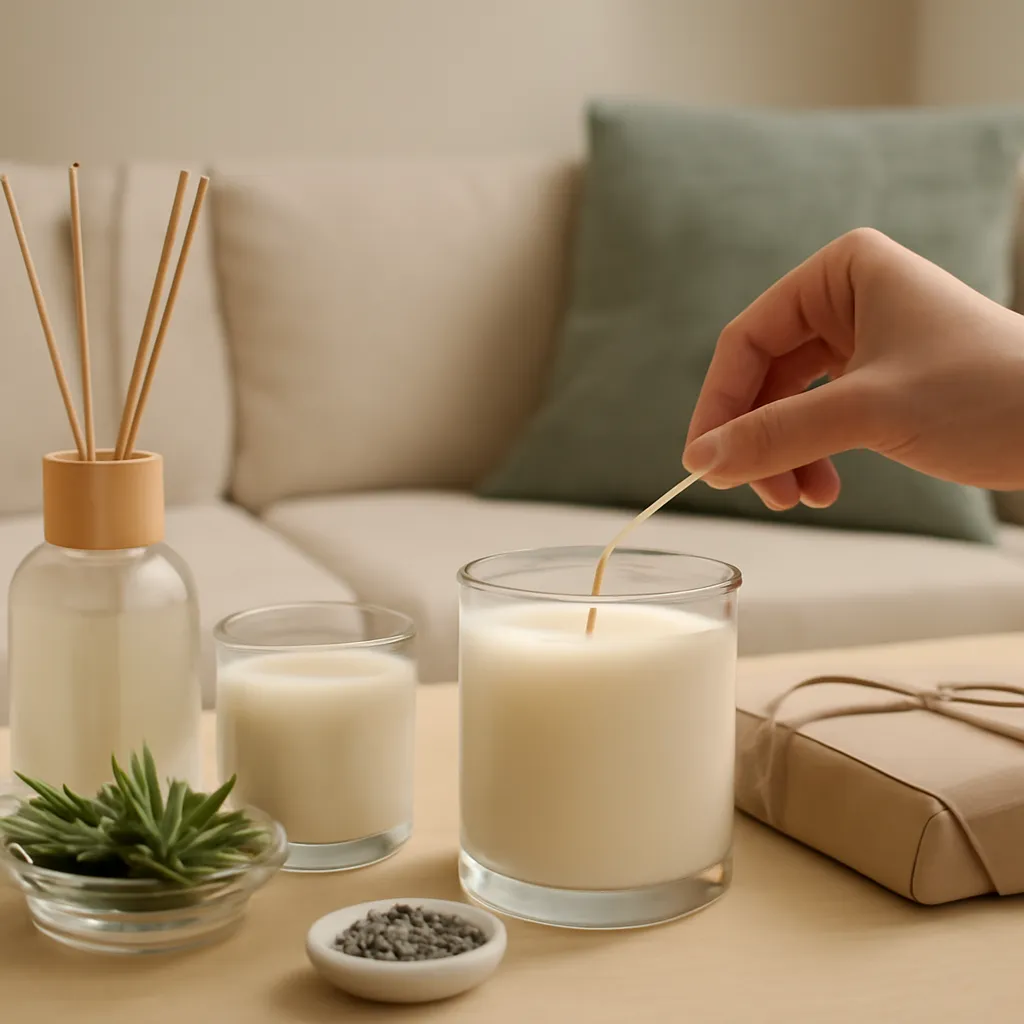
To maintain safety and prolong the life of your candles, always trim wicks to about 1/4 inch before lighting and ensure they’re on a stable, heat-resistant surface. Rotate fragrance sources every few weeks to prevent your nose from becoming accustomed to one scent, which can diminish its impact. By being mindful of placement and airflow, you’ll achieve a consistent, pleasant fragrance that enhances your living room experience.
How to Avoid Fragrance Overload
It’s easy to get carried away when exploring home fragrance ideas, but less is often more. Fragrance overload can make a living room feel stuffy or artificial, defeating the purpose of creating a welcoming environment. One common mistake is burning multiple strong-scented candles at once, especially those from different fragrance families. This can lead to clashing aromas and an overpowering effect.
Instead, stick to one or two complementary scents at a time. For example, pair a fresh linen candle with a subtle green tea diffuser for a harmonious blend. Always start with a lighter hand—light one candle, let it burn for 30 minutes, then assess the strength before adding another element. If you’re using plug-in diffusers or sprays, choose the lowest setting and avoid reapplying too frequently. For a curated selection, explore the soy candle collection at TadaVN Candles, which offers balanced, thoughtfully crafted scents perfect for daily use.
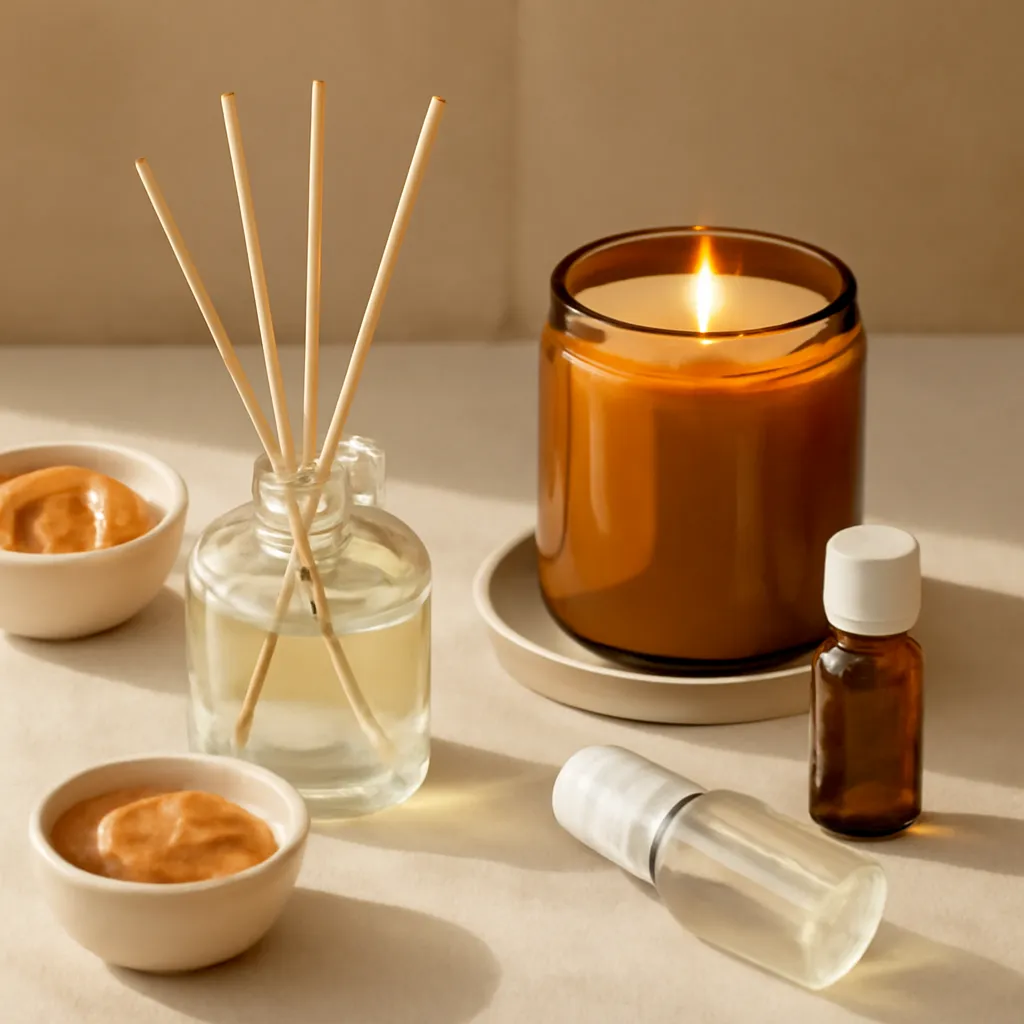
To further prevent fragrance fatigue, ventilate your living room regularly by opening windows or using an air purifier. This refreshes the air and resets your scent palette, allowing you to enjoy your chosen fragrance anew. Remember, the best candle scents for living room comfort are those that invite you in without demanding all your attention.
Addressing High-Traffic Odor Sources
Even the best home fragrance can’t fully mask persistent odors from high-traffic areas. To make your living room smell good, start by identifying and addressing the root causes of unwanted smells. Common culprits include pet bedding, upholstery, shoes, and food residue. Regular cleaning is essential—vacuum carpets and sofas, wash throws and curtains, and empty trash bins frequently.
Once you’ve tackled the sources, use targeted fragrance solutions for problem zones. Place a discreet reed diffuser near the entryway or a small wax melt in a corner where shoes are stored. For pet owners, choose candles with odor-neutralizing properties or natural ingredients like bamboo charcoal. This layered approach ensures your living room smells good naturally, rather than simply covering up issues. For more practical tips, check out the home fragrance options at TadaVN Candles, designed to complement everyday life.
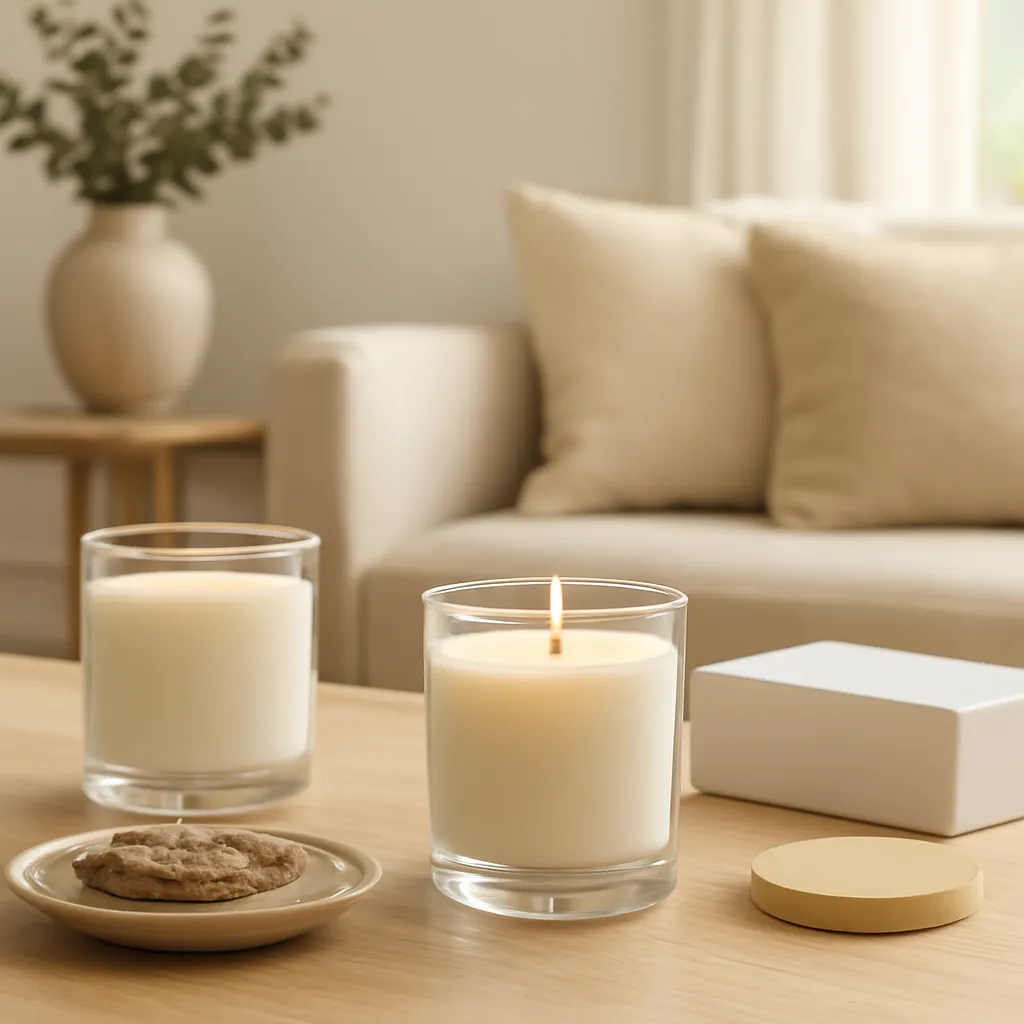
Don’t forget the power of fresh air—open windows regularly to let in a natural breeze and disperse lingering odors. Combine this with your chosen fragrance strategy, and you’ll create an inviting, clean-smelling environment that feels effortless and authentic.
Balancing Scent for Open-Plan Living Spaces
Open-plan living rooms require a thoughtful approach to scent layering. With fewer walls to contain fragrance, it’s easy for aromas to become diluted or, conversely, to build up too strongly in certain pockets. To achieve a balanced effect, use multiple light sources rather than one overpowering candle or diffuser. This helps distribute scent evenly and prevents any one area from feeling overwhelming.
Try placing a main candle in the living area and a complementary diffuser near the dining space. Choose scents from the same fragrance family—such as citrus or green notes—to maintain harmony. If your kitchen is part of the open space, be mindful of cooking odors that can compete with your chosen home fragrance. Use a neutralizing spray or a fresh, clean-scented candle after meal preparation to restore balance.
For larger spaces, consider investing in a programmable diffuser that releases scent at intervals, ensuring continuous freshness without becoming overpowering. Rotate scents seasonally to keep the experience feeling new and inviting. With a little planning, your open-plan living room will always smell good, welcoming everyone who enters.
Seasonal Scent Swaps for Lasting Freshness
Refreshing your living room’s fragrance with the seasons is a simple way to keep your home feeling current and inviting. Light, airy scents like citrus, green tea, or ocean breeze are perfect for spring and summer, evoking a sense of cleanliness and renewal. In fall and winter, transition to warmer notes such as amber, sandalwood, or gentle spice blends for a cozy, comforting atmosphere.
When swapping scents, clean out old wax from candle holders and replace reeds in diffusers to prevent mixing incompatible fragrances. Consider using seasonal decorative elements—like a bowl of dried lavender in summer or a cinnamon stick arrangement in fall—to complement your main fragrance source. This not only enhances the aroma but adds a personal touch to your décor.
If you’re unsure where to start, explore curated seasonal collections at specialty shops or browse the home fragrance ideas available online. Regularly updating your living room’s scent keeps the space feeling fresh and ensures you never fall into a fragrance rut.
Common Mistakes and What to Do Instead
Even with the best intentions, it’s easy to make mistakes when trying to make your living room smell good. One frequent error is relying solely on strong air fresheners or sprays, which can create a synthetic, overpowering effect. Instead, opt for natural candles, diffusers, or wax melts that provide a more nuanced and lasting aroma.
Another common mistake is ignoring airflow and placement. Placing a candle in a closed-off corner or directly under an air vent can waste fragrance or concentrate it too much in one spot. Instead, position your fragrance source where it can diffuse naturally throughout the space. Also, avoid mixing too many scent types at once; stick to one or two complementary notes for a harmonious environment.
Finally, don’t forget to address the underlying causes of bad odors. Regular cleaning, ventilation, and odor-neutralizing products should always accompany your fragrance routine. By avoiding these pitfalls, you’ll create a living room that smells good, feels inviting, and reflects your personal style.
Conclusion: Completing Your Cozy Home with TadaVN Candles
Creating a living room that smells good without overdoing it is all about thoughtful choices and a balanced approach. By understanding scent strength, choosing guest-friendly fragrances, and paying attention to placement and airflow, you can transform your space into a welcoming retreat. Addressing high-traffic odor sources and rotating scents seasonally ensures lasting freshness, while avoiding common mistakes helps maintain harmony and comfort.
At TadaVN Candles, we believe that the right home fragrance completes the story of your home. Our curated selection of candles and diffusers is designed to help you find your signature scent—one that feels inviting, never overwhelming. Explore the full collection at TadaVN Candles and discover how a beautifully scented living room can make every day feel a little more special.