


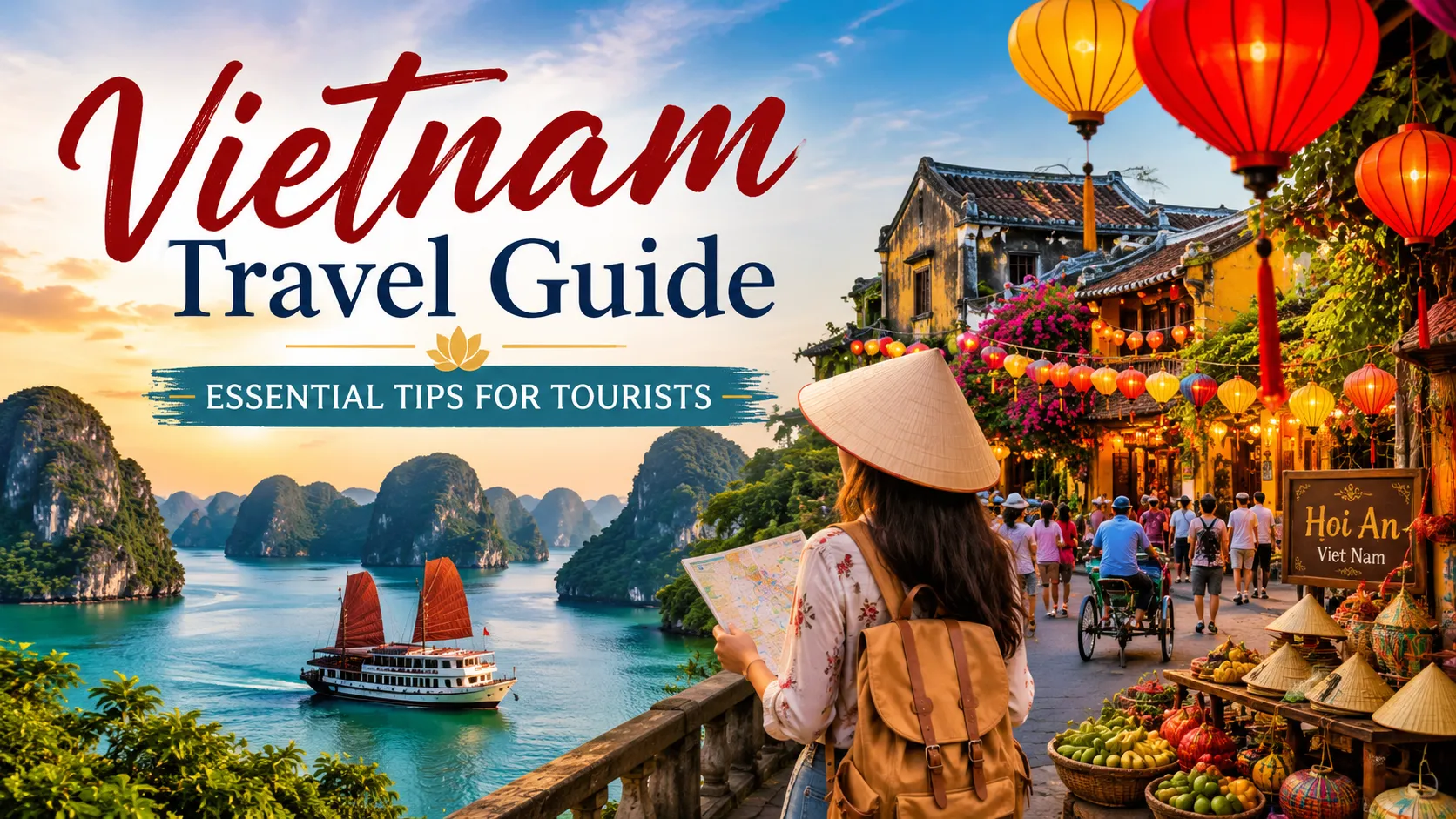
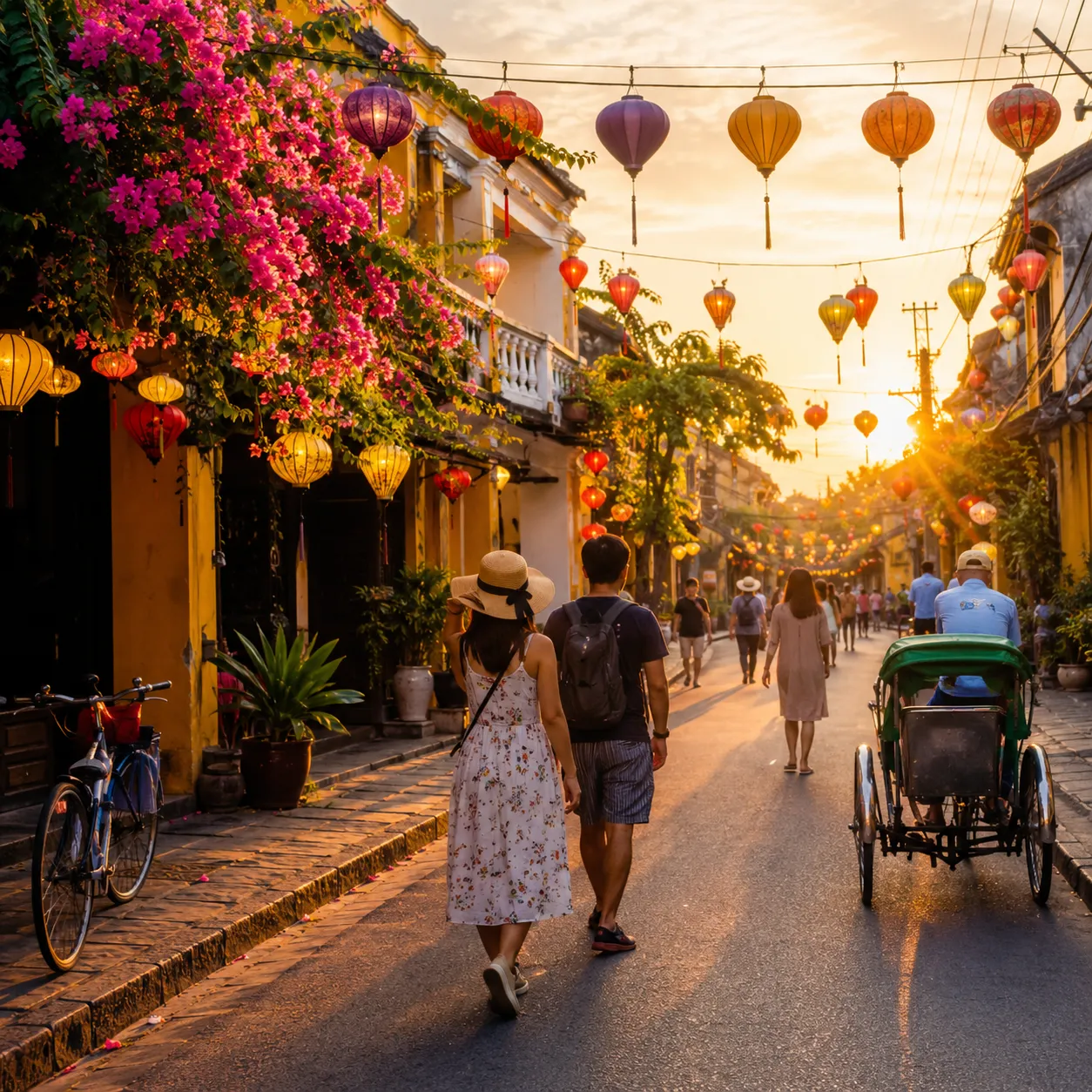
Vietnam is one of Southeast Asia’s most exciting destinations, offering a beautiful mix of ancient towns, dramatic mountains, tropical beaches, buzzing cities, and unforgettable street food. From the lantern-lit streets of Hoi An to the limestone cliffs of Ha Long Bay and the energetic pace of Ho Chi Minh City, Vietnam gives travelers a journey full of color, flavor, and culture.
For first-time visitors, however, Vietnam can feel a little overwhelming at first. The traffic is busy, the weather changes by region, cash is still widely used, and local customs may be different from what tourists expect. This Vietnam travel guide from Tada Candles covers the essential tips every tourist should know before visiting, so you can travel smarter, safer, and more confidently.
1. Check Vietnam Visa Requirements Before You Travel
Before booking your flight, check whether you need a visa to enter Vietnam. Vietnam currently offers an official e-visa that is valid for up to 90 days and can be used for multiple entries. The Vietnam National Authority of Tourism states that citizens of all countries and territories can apply for the e-visa, and travelers should apply through the official Vietnam e-visa website.
This is especially useful if you plan to combine Vietnam with nearby countries such as Thailand, Cambodia, or Laos. Still, visa rules can change, so always confirm your entry requirements before your travel date. Make sure your passport has enough validity, your name matches your travel documents, and your arrival airport or border gate accepts e-visa entry.
2. Choose the Best Time to Visit Vietnam
Vietnam is a long country, so the weather is different in the north, central region, and south. According to Vietnam’s official tourism website, March to May often offers some of the best weather across the country, but there is no truly “bad” time to visit because each region has different travel seasons.
For Hanoi and northern Vietnam, April to June and September to December are usually pleasant times to visit. Hanoi can be hot and humid in summer, while winter can feel surprisingly cool. Ha Long Bay is often best from April to June or September to November, when visitors have a better chance of clear skies.
Central Vietnam, including Hue, Da Nang, and Hoi An, is generally sunny from February or March through August, while the rainy season can bring storms and flooding from September to November. Southern Vietnam, including Ho Chi Minh City and the Mekong Delta, is warm year-round, with a dry season and a rainy season.
3. Plan Your Route by Region
For a first Vietnam trip, avoid trying to visit too many places in a short time. Vietnam looks narrow on the map, but traveling from north to south takes time. A good first-time route could include Hanoi, Ha Long Bay or Ninh Binh, Hoi An or Da Nang, and Ho Chi Minh City.
If you have 7 days, focus on two regions. For example, you can explore Hanoi, Ninh Binh, and Ha Long Bay in the north, or combine Da Nang, Hoi An, and Hue in central Vietnam. If you have 10 to 14 days, you can create a more balanced itinerary from north to south.
Traveling slowly will help you enjoy Vietnam better. Instead of spending every day on a bus or flight, give yourself time to walk through local markets, try street food, visit cafes, and experience daily life.
4. Bring Cash, But Use Cards When Possible
Vietnam uses the Vietnamese dong, and cash is still very important, especially for street food, small shops, local markets, taxis, and rural areas. In major cities and tourist areas, many hotels, restaurants, cafes, and larger stores accept cards, but smaller vendors may not.
It is a good idea to carry small bills because some local shops may not have change for large notes. When using ATMs, choose machines located inside banks, malls, or trusted convenience areas. Also, notify your bank before traveling so your card does not get blocked during your trip.
5. Learn How to Cross the Street
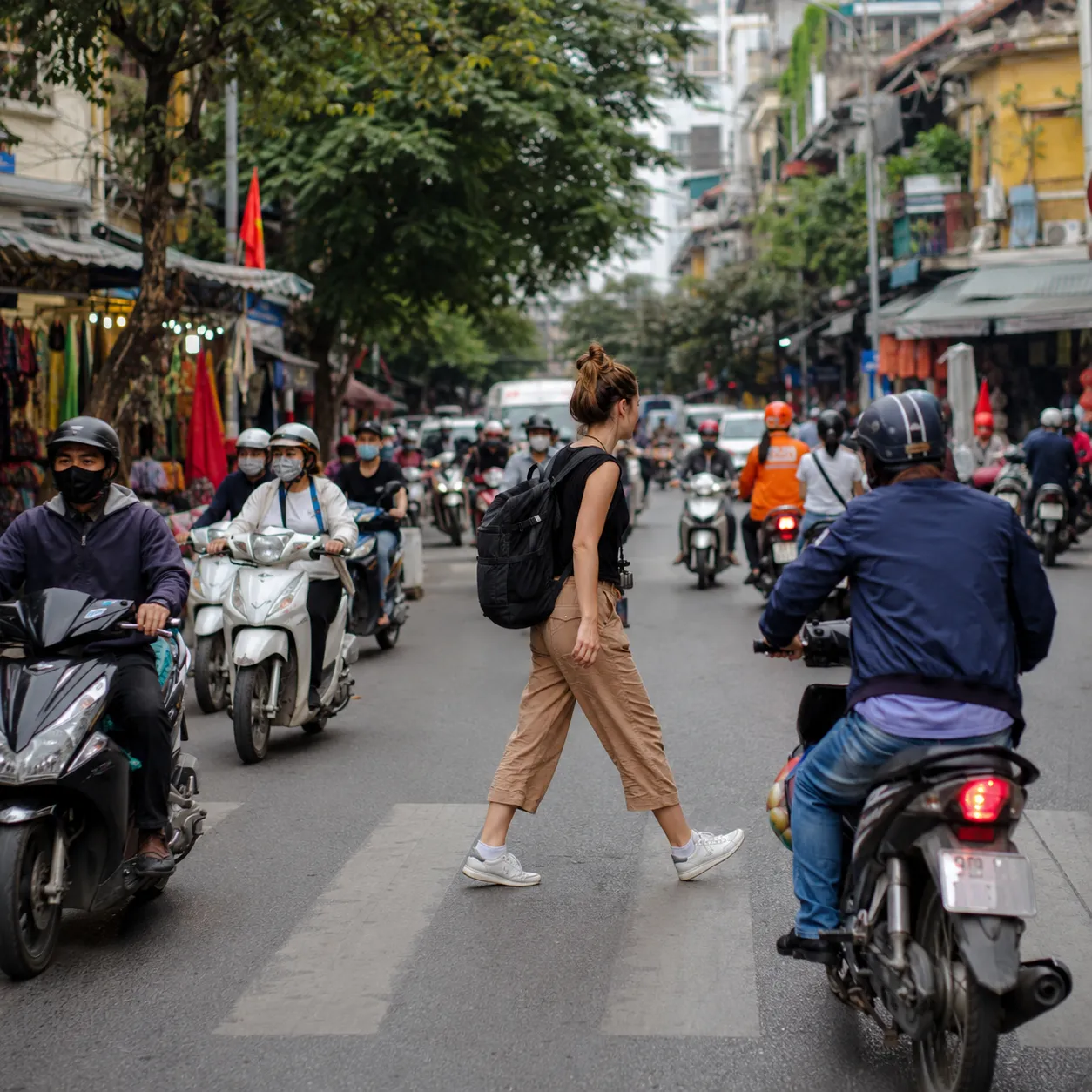
Traffic in Vietnam can be one of the biggest culture shocks for tourists. Motorbikes are everywhere, especially in Hanoi and Ho Chi Minh City. At first, crossing the street may feel impossible, but there is a rhythm to it.
Walk slowly, confidently, and predictably. Do not suddenly run, stop, or step backward unless necessary. Drivers usually move around pedestrians if your movement is steady. When possible, cross with locals or use pedestrian crossings, but remember that vehicles may not always stop the way they do in Western countries.
6. Use Trusted Transport Options
For getting around cities, ride-hailing apps are often more convenient than negotiating with taxis on the street. The UK travel advice page for Vietnam recommends using pre-arranged transport or official taxi-hailing apps such as Grab or Xanh SM, and warns travelers to book the full journey inside the app to avoid scammers pretending to be drivers.
For longer distances, domestic flights are useful if you are traveling between Hanoi, Da Nang, and Ho Chi Minh City. Trains are slower but scenic, especially along parts of the central coast. Sleeper buses are common and budget-friendly, but choose reputable companies and keep your valuables close.
7. Be Smart About Food and Water
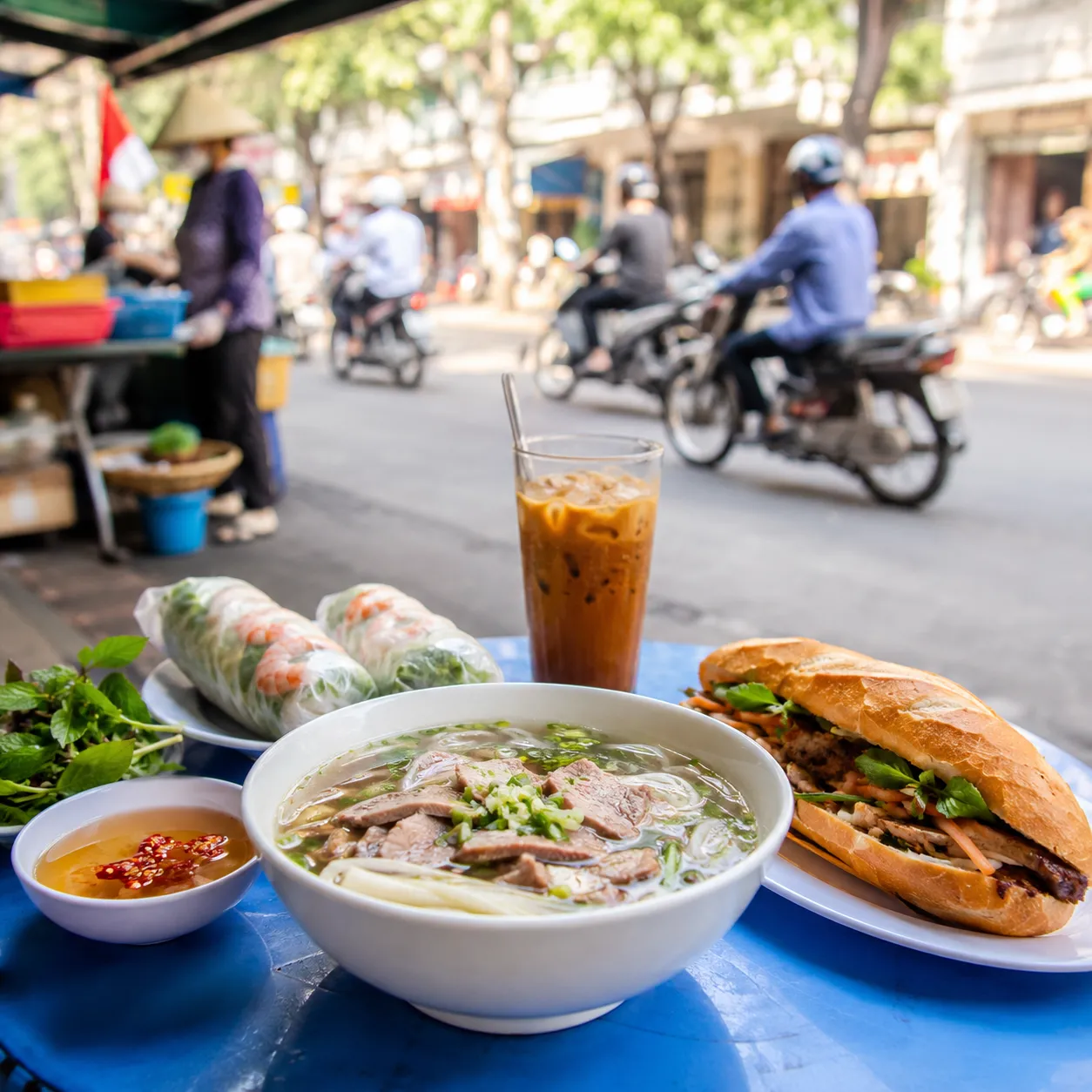
Vietnamese food is one of the best parts of traveling in Vietnam. You should try pho, banh mi, bun cha, fresh spring rolls, cao lau, Vietnamese coffee, and local seafood if you visit coastal cities.
Street food is popular and often delicious, but use common sense. Choose stalls that are busy, where food is cooked fresh, and where locals are eating. Vietnam’s official tourism website advises tourists to stick to bottled water and avoid ice in rural areas. It also recommends choosing restaurants with high customer turnover and freshly cooked food to reduce the risk of food-related illness.
Bring basic medicine for stomach issues, rehydration salts, and any personal prescriptions you need. Some medicines may be harder to find in Vietnam, so it is safer to bring a full supply of required medication with you.
8. Pack for Heat, Rain, and Regional Differences
Packing for Vietnam depends on where and when you travel. Lightweight, breathable clothes are useful for most destinations, especially in the south and central coast. However, if you visit northern Vietnam in winter or travel to mountain areas such as Sapa or Ha Giang, bring warmer layers.
You should also pack sunscreen, insect repellent, comfortable walking shoes, a light rain jacket, and a small day bag. Vietnam’s official tourism website notes that heat, strong sun, mosquitoes, and air pollution can affect travelers, especially in cities and rural highland areas.
If you have asthma, allergies, or respiratory problems, consider bringing a mask for busy urban areas. For beach destinations, sunscreen and hydration are essential because sunburn and heat exhaustion can happen quickly.
9. Respect Local Culture and Etiquette
Vietnamese people are generally warm and welcoming, but tourists should still be mindful of local customs. Dress modestly when visiting temples, pagodas, and religious sites. Cover your shoulders and knees when needed, speak softly, and avoid touching sacred objects without permission.
When entering someone’s home or certain traditional places, you may be asked to remove your shoes. Public displays of anger are considered impolite, so stay calm when bargaining or solving travel problems. A smile and a patient attitude can help you a lot in Vietnam.
Learning a few Vietnamese phrases can also make your trip more enjoyable. Simple words like “xin chào” for hello and “cảm ơn” for thank you are always appreciated.
10. Stay Aware of Petty Theft and Tourist Scams
Vietnam is generally considered a safe destination for tourists. The U.S. Department of State currently lists Vietnam as Level 1, meaning travelers should exercise normal precautions.
However, petty theft can still happen in crowded areas. The UK travel advice page notes that violent crime against foreigners is rare, but pickpocketing, theft, and bag-snatching occur, especially in busy tourist places. It advises travelers to keep bags secure, avoid giving passports as guarantees, and be careful with valuables on buses and trains.
To stay safe, use a crossbody bag, keep your phone away from the road when walking, avoid carrying too much cash, and store your passport in a secure place. Take digital copies of important documents in case anything is lost.
11. Get a SIM Card or eSIM
Having mobile data makes traveling in Vietnam much easier. You can use maps, translation apps, ride-hailing apps, food delivery, and online booking platforms. SIM cards are available at airports, phone stores, and convenience shops, while eSIMs are also a convenient option for many tourists.
Before buying, check the data package, coverage, and validity period. If you plan to visit mountain areas or islands, coverage may be weaker than in big cities.
12. Leave Room for Unexpected Moments
Vietnam is not only about famous attractions. Some of the best travel memories come from small, unexpected moments: drinking iced coffee on a tiny plastic stool, watching daily life in a local market, taking a slow boat ride, or chatting with a friendly shop owner.
Try not to over-plan every hour of your trip. Vietnam rewards travelers who are open-minded, curious, and flexible. Weather may change, traffic may be slower than expected, and plans may shift — but that is also part of the experience.

Final Thoughts
Before your trip, make sure to check your visa, plan around the weather, pack wisely, and stay open to new experiences. Vietnam can feel busy at first, but with a little preparation, it becomes one of the most rewarding countries to explore.
And when your trip is over, you can still bring that peaceful travel feeling into your home. Light up your space with Tada Candles — beautifully crafted scented candles designed to create a cozy, relaxing atmosphere after a long day of exploring, planning, or dreaming about your next adventure. Whether you love fresh, floral, warm, or beachy scents, Tada Candles helps turn any room into your own little escape.