




Vietnam is one of those rare destinations you can visit almost any time of year. From misty mountains in the north to sunny beaches in the center and tropical islands in the south, the country offers a different travel experience in every season. However, because Vietnam is long and geographically diverse, the best time to visit Vietnam depends on where you want to go and what kind of trip you are planning.
In general from Tada Candles, March to May is often considered one of the best periods for good weather across the country, while November to April is also a popular time because many areas experience less rain and more comfortable temperatures. Vietnam’s official tourism site notes that March to May offers some of the best countrywide weather, while travel climate guides often highlight November to April as a drier travel window.
Vietnam Weather Overview
Vietnam has three main climate regions so best time to visit Vietnam: Northern Vietnam, Central Vietnam, and Southern Vietnam. Each region has its own weather pattern, which means the best travel season can change depending on your itinerary.
Northern Vietnam, including Hanoi, Ninh Binh, Sapa, Ha Giang, and Ha Long Bay, has four clearer seasons. Winters can be cool and dry, while summers are hot, humid, and rainy. Central Vietnam, including Da Nang, Hoi An, Hue, and Nha Trang, is usually best from around February to August, with beach-friendly weather in spring and summer. Southern Vietnam, including Ho Chi Minh City, the Mekong Delta, and Phu Quoc, is warm year-round, with a dry season from roughly November to April and a rainy season from May to October.
Best Time to Visit Northern Vietnam
The best time to visit Northern Vietnam is usually from October to April, especially if you prefer cooler weather and less rain. Hanoi is pleasant during autumn and early winter, with comfortable temperatures for walking, sightseeing, and enjoying street food.
For mountain destinations like Sapa and Ha Giang, September to November is especially beautiful because the weather is clearer and the rice terraces often turn golden. Vietnam Airlines also highlights autumn as a great season for Northern Vietnam, with cooler temperatures and lower humidity.
If you visit from May to August, expect hotter weather and more rain. This does not mean you should avoid the north completely, but you may need a flexible schedule, especially for outdoor trips, trekking, or boat tours in Ha Long Bay.

Best Time to Visit Central Vietnam
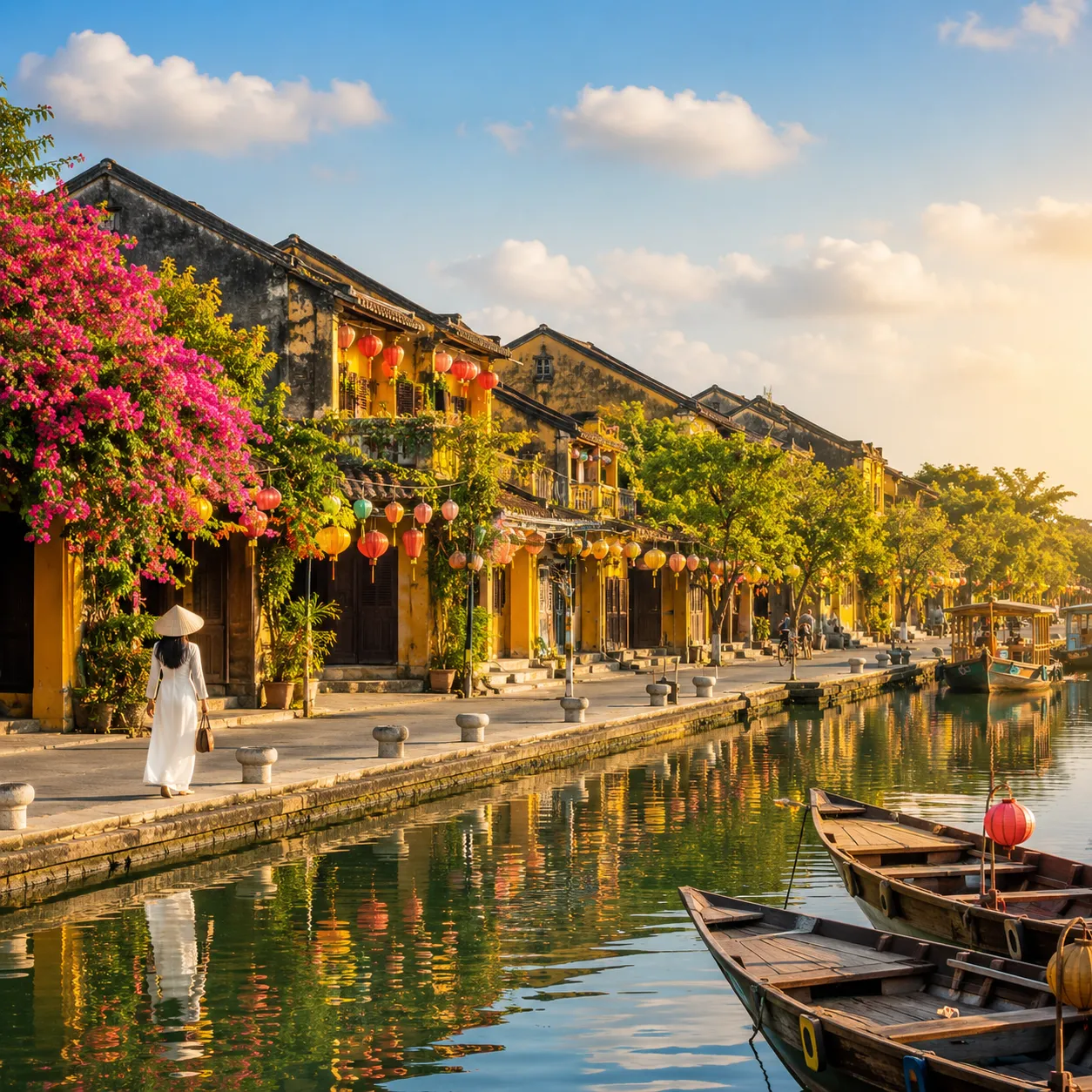
Central Vietnam is best visited from February to August, especially if your trip includes Da Nang, Hoi An, Hue, or beach destinations. During this period, the weather is generally warmer and drier, making it ideal for beach days, lantern walks in Hoi An, and sightseeing around ancient towns and imperial sites.
April to August is a popular time for coastal travel in Central Vietnam, with sunny days and good beach conditions. However, it can also be hot, especially in June, July, and August. If you want warm weather but fewer crowds, March, April, and May are excellent choices.
The rainier season in Central Vietnam often becomes more noticeable from around September to November. During this time, some areas may experience heavy rain or flooding, so travelers should check weather updates before visiting places like Hue or Hoi An.
Best Time to Visit Southern Vietnam
The best time to visit Southern Vietnam is usually from November to April, when the weather is drier and more convenient for sightseeing. This is a great period for exploring Ho Chi Minh City, cruising through the Mekong Delta, or relaxing on the beaches of Phu Quoc.
From May to October, Southern Vietnam enters the rainy season. However, the rain often comes in short, heavy showers rather than lasting all day. If you do not mind occasional rain, this can still be a good time to visit, especially because the landscapes are lush and prices may be lower.

Vietnam Travel Seasons
High Season: November to April
This is one of the most popular travel seasons in Vietnam, especially for international visitors. The weather is generally more comfortable in many regions, particularly in the north and south. It is also a great time for city tours, cultural travel, food tours, and island escapes.
The downside is that popular destinations may be busier, especially around Christmas, New Year, and Tet, the Vietnamese Lunar New Year. If you plan to travel during this period, book hotels, tours, and domestic flights early.
Shoulder Season: March to May and September to October
The shoulder season can be the best time to visit Vietnam if you want a balance between good weather and fewer crowds. March to May is especially strong because many regions have pleasant conditions at the same time.
September and October can also be beautiful, particularly in Northern Vietnam, where the rice fields and mountain scenery are stunning. However, Central Vietnam may have more rain during this period, so your route matters.
Low Season: May to September
May to September is usually hotter and wetter in many parts of Vietnam. This is also a common summer travel period, especially for beach destinations in Central Vietnam. If you love tropical weather, beach activities, and lower hotel prices, this season can still be rewarding.
The main thing to remember is flexibility. Rain, humidity, and occasional storms can affect outdoor plans, so it is better to include backup activities such as cooking classes, museums, spa treatments, cafés, and indoor markets.
Best Month to Visit Vietnam
If you want one simple answer, March is one of the best months to visit Vietnam. It usually offers a good balance of weather across the north, center, and south. April is also a strong choice, especially for beach trips and cultural travel.
For travelers who prefer cooler weather, November and December are excellent months. For beach lovers, April to August works well in Central Vietnam, while November to April is better for Phu Quoc and Southern Vietnam.
Month-by-Month Vietnam Travel Guide
January: Cool and dry in the north, sunny in the south, good for cultural trips and city travel.
February: Great weather in many regions, but Tet may affect prices and opening hours.
March: One of the best overall months for Vietnam travel.
April: Warm, pleasant, and great for beaches and sightseeing.
May: Hotter weather begins, but still a good shoulder-season option.
June: Hot and humid in many places; good for Central Vietnam beaches.
July: Busy summer travel month, hot and tropical.
August: Good for some beach areas, but rain increases in many regions.
September: Beautiful in Northern Vietnam, but Central Vietnam may begin to see more rain.
October: Great for northern landscapes and cooler weather.
November: Drier, more comfortable weather returns in many areas.
December: Excellent for Southern Vietnam, Hanoi, and festive travel.
Final Thoughts
The best time to visit Vietnam depends on the places you want to explore and the kind of experience you are looking for. If you want pleasant weather across the country, March to May is a great choice. For cooler days, cultural trips, and easier sightseeing, November to April is also one of the most popular travel seasons.
From peaceful rice fields and ancient towns to tropical beaches and vibrant cities, Vietnam is a destination filled with warmth, beauty, and unforgettable memories. And if you want to bring a little piece of that feeling into your home, explore Tada Candles — our scented candles inspired by cozy moments, soft memories, and the gentle charm of Vietnam. Light a candle, slow down, and let the scent remind you of your next beautiful journey.