


When planning a cozy, inviting home in 2026, one question stands out: how many scented candles do you need for a room in? The answer is more nuanced than you might think. It depends on the size of your space, the strength of your chosen candle scents, and how you want your home to feel. Whether you’re looking for a subtle background fragrance or a bold statement, understanding the basics of a candle fragrance guide will help you make the right choice for every room.
In most cases, a single high-quality scented candle is enough for a small room like a bathroom or study. For medium to large living spaces, two or three candles may be needed to achieve an even scent distribution without overpowering the senses. This article explores the science behind scented candle scents, from fragrance families to placement strategies, so you can confidently decide how many candles to use and how to choose a candle scent that suits your lifestyle. Let’s dive into the essentials of creating a beautifully fragranced home in 2026.
Understanding Fragrance Families and Note Structure
The world of candle scents is rich and varied, with each fragrance falling into one or more fragrance families. These families—such as floral, woody, fresh, and oriental—help guide your selection process. Each family brings its own mood and intensity to a room. For example, floral scents like rose or jasmine evoke softness and romance, while woody notes like sandalwood or cedar add warmth and sophistication. Understanding these categories is crucial when following any candle fragrance guide, as it ensures the scent you choose aligns with the atmosphere you want to create.
Equally important is the note structure of scented candle scents. Fragrances are built in layers: top, middle, and base notes. The top notes are the first impression—think citrus or light herbs—while the middle notes (such as lavender or spice) unfold as the candle burns. Base notes, like vanilla or musk, linger longest and often define the scent’s character. When selecting how many scented candles you need for a room in, consider how these notes interact. A single candle with complex layering can fill a space beautifully, but combining complementary candles from the same family can add depth and sophistication to larger rooms.
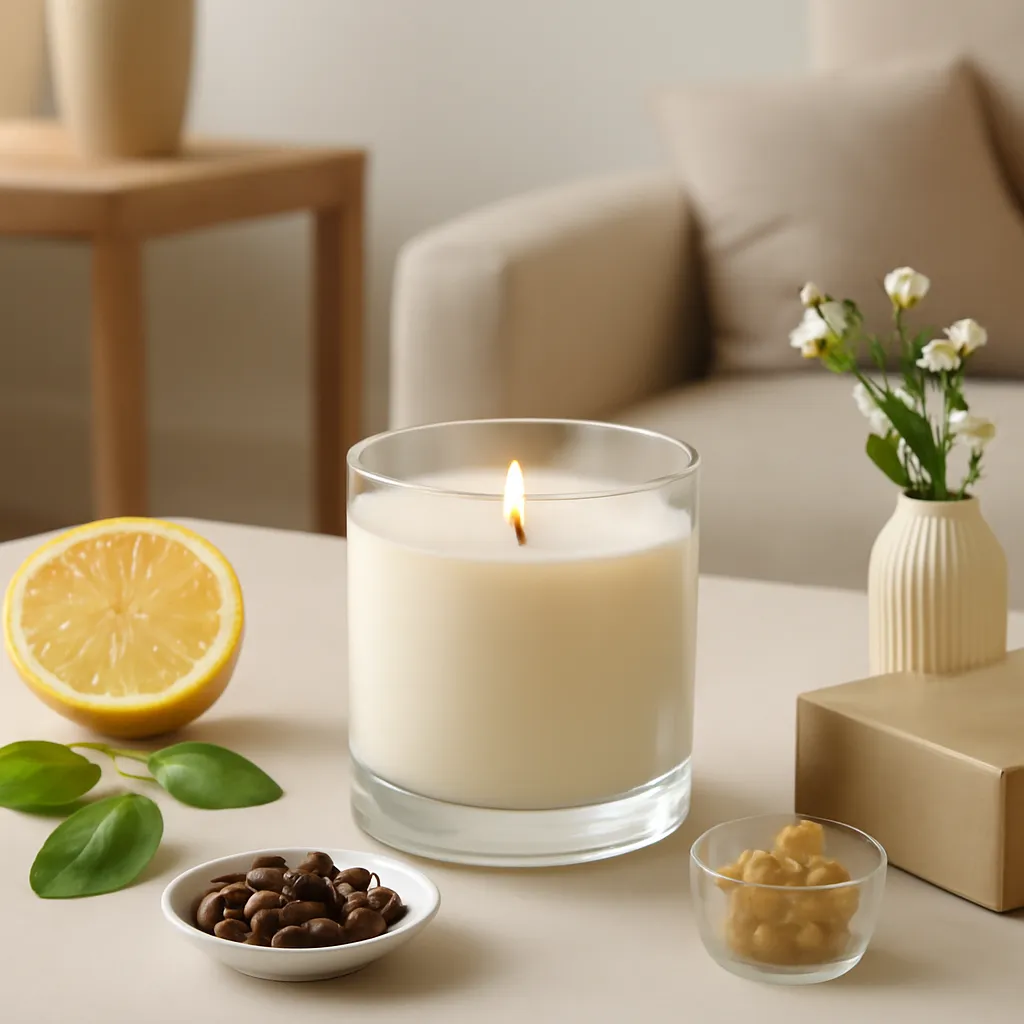
Choosing the right fragrance family and understanding note structure helps you avoid clashing scents and ensures a harmonious home environment. If you’re unsure where to start, opt for a classic floral or citrus for open living areas, or a deep woody or gourmand scent for cozy reading nooks. This knowledge is the foundation of any effective candle fragrance guide and will shape your entire home fragrance experience.
Cold Throw Versus Hot Throw: How Candles Scent a Room
When exploring how many scented candles do you need for a room in, it’s essential to understand the difference between cold throw and hot throw. The cold throw refers to how a candle smells before it’s lit, while hot throw describes the scent released as the wax melts and the candle burns. High-quality scented candles often have a strong cold throw, inviting you in with their aroma even when unlit. However, the true test of a candle’s power lies in its hot throw—how well it fills a room once burning.
The strength of a candle’s hot throw depends on several factors, including the wax blend, fragrance oil concentration, and wick type. For example, soy-based candles with a generous fragrance load typically offer a more consistent hot throw. If you notice your candle’s cold throw is pleasant but the scent fades quickly after lighting, you may need to adjust the number of candles or try a different brand. Understanding this distinction is crucial for achieving your desired level of fragrance. It also helps you avoid a common mistake: relying solely on cold throw when shopping for scented candle scents.
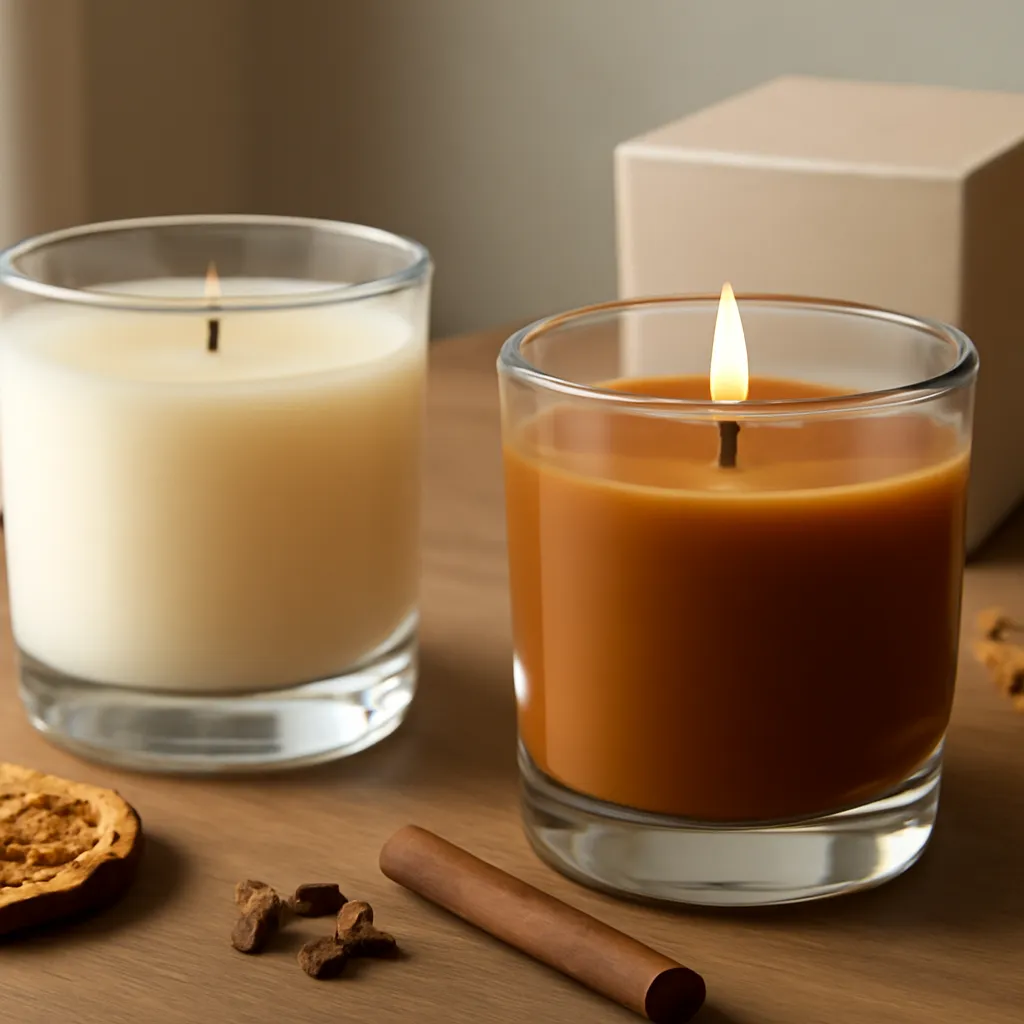
To maximize scent impact, always test your candle during its first burn in the intended space. If the hot throw feels weak, consider adding a second candle or choosing a stronger scent profile. Remember, the best candle fragrance guide suggests balancing both cold and hot throw for a layered, lasting aroma that enhances your home.
Room Size and Airflow: The Science of Scent Distribution
Room size and airflow are two of the most important factors when deciding how many scented candles do you need for a room in. A small powder room (under 50 square feet) usually requires only one candle, especially if the door is closed most of the time. In contrast, a spacious open-plan living area or kitchen may need two or even three candles to ensure the fragrance reaches every corner. The volume of air and the number of surfaces in a room can dilute or absorb scent, so it’s important to consider both dimensions and layout.
Airflow also plays a big role in how candle scents travel. Drafts from windows, vents, or doors can disperse fragrance unevenly, sometimes carrying it out of the room entirely. To optimize scent distribution, place candles away from direct drafts but not in enclosed corners where air is stagnant. In rooms with high ceilings or open doorways, you might want to use multiple candles spaced evenly throughout the space. This approach prevents scent “dead zones” and creates an inviting, consistent atmosphere.
For a practical approach, start with one candle per 100-150 square feet and adjust based on your experience. If you’re unsure, light one candle and wait 30 minutes to assess the scent level before adding more. This method, often suggested in any reliable candle fragrance guide, ensures you never overwhelm your senses or waste product. Remember, the goal is to layer fragrance gently, not to overpower the room.
Scent Strength and Placement: Maximizing Fragrance Impact
Not all scented candle scents are created equal—some are subtle, while others are bold and intense. Scent strength is influenced by the type of fragrance oil, wax composition, and even the vessel shape. When asking how many scented candles do you need for a room in, consider both the power of the scent and where you place each candle. A single, strong-scented candle might be ideal for a bedroom, but a large living room may benefit from two or more candles with lighter, complementary fragrances.
Placement is just as important as quantity. For best results, position candles at nose level and away from direct airflow sources. In a dining room, place a candle on the sideboard rather than the table to avoid competing with food aromas. In bathrooms, a single candle on a shelf or vanity can be enough to keep the air fresh. For open-plan spaces, try placing candles at opposite ends of the room to create a balanced scent profile. This technique is a favorite in many a candle fragrance guide and helps distribute aroma evenly.
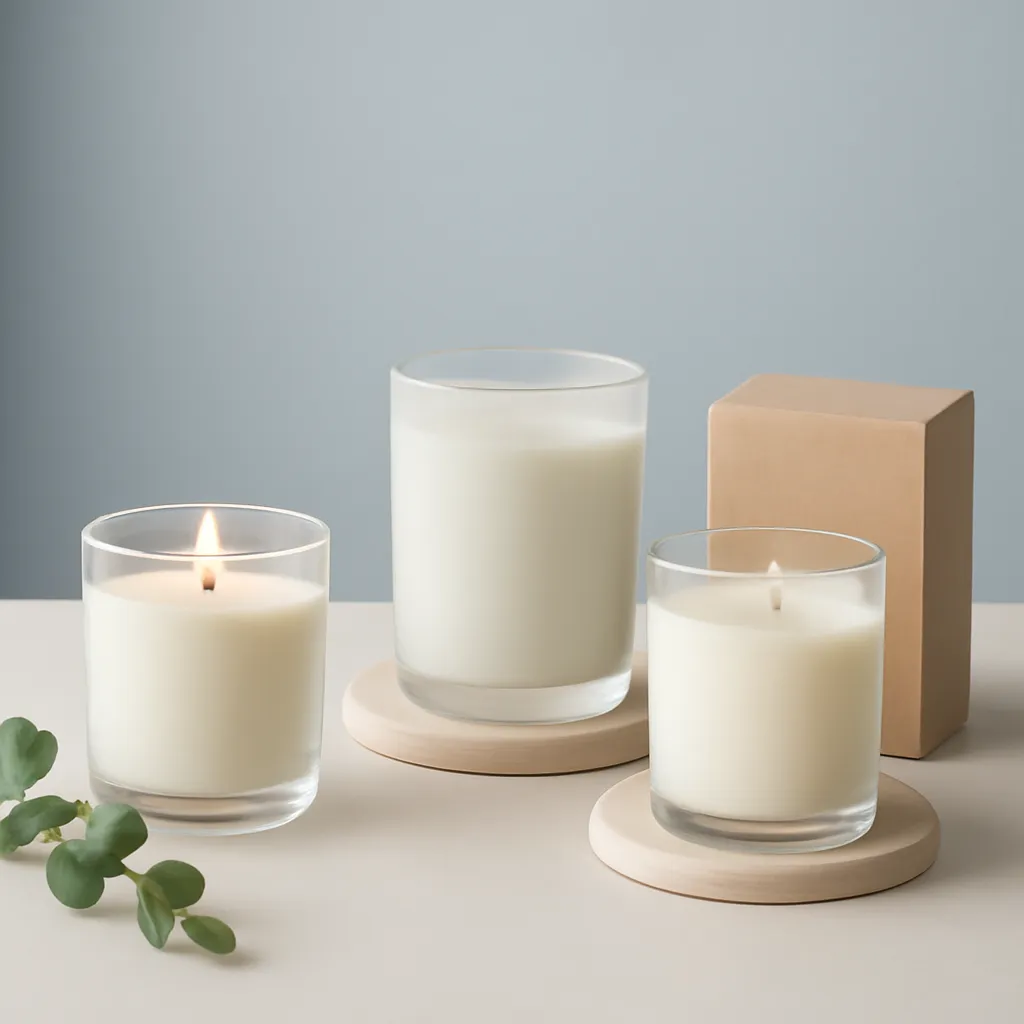
Don’t forget to consider the time candles are burned. For gatherings or special evenings, light candles 30-60 minutes before guests arrive to allow the scent to develop fully. If you’re looking for inspiration, browse the soy candle collection for options with varying scent strengths and vessel sizes. Experimenting with placement and strength lets you customize your home’s fragrance to perfection.
Nose Fatigue and Scent Perception: Avoiding Overload
Nose fatigue, also known as olfactory adaptation, occurs when your sense of smell becomes desensitized to a scent after prolonged exposure. This is a crucial consideration when deciding how many scented candles do you need for a room in. If you burn too many candles at once, you may become “nose blind” to the fragrance, or worse, overwhelm guests who aren’t used to the scent. The key is moderation and variety—rotate candle scents regularly and avoid burning multiple strong fragrances simultaneously in the same space.
To combat nose fatigue, try alternating between different fragrance families throughout the week. For example, use a fresh citrus candle one day and a warm vanilla the next. This keeps your senses engaged and prevents the scent from becoming background noise. If you ever feel like your candles have stopped working, step outside for a few minutes and return with a refreshed sense of smell. This practical tip is often overlooked in a typical candle fragrance guide, but it makes a world of difference in scent perception.
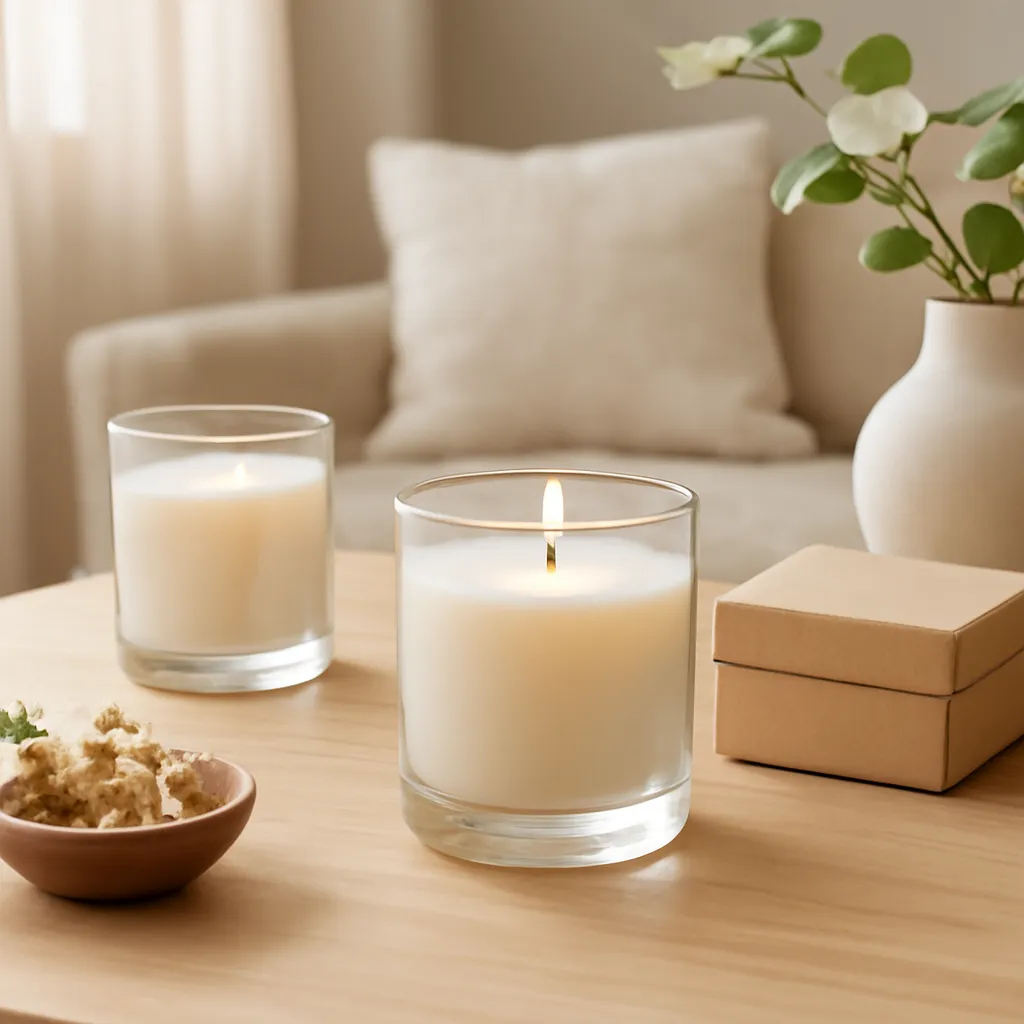
Finally, remember that less is often more. A well-chosen, high-quality candle can create a memorable impression without overwhelming the room. For those who love to experiment, explore the home fragrance range to find new favorites and keep your scent experience fresh and exciting.
How to Choose a Candle Scent for Every Room
Choosing the right candle scents for each room is both an art and a science. Start by considering the room’s function and the mood you want to create. For bedrooms, opt for relaxing scents like lavender, chamomile, or sandalwood—these promote calm and restful sleep. In kitchens, fresh and clean fragrances such as lemon, basil, or mint can help neutralize cooking odors while invigorating the space. Living rooms are ideal for complex, inviting scents like amber, fig, or tobacco, which add warmth and depth.
Think about the season as well. In spring and summer, lighter floral or citrus scents feel refreshing and airy. In fall and winter, richer notes like cinnamon, clove, or cedar create a cozy, comforting vibe. Don’t be afraid to layer scents by using different candles in adjacent rooms, but stick to the same fragrance family to avoid clashing aromas. This approach is a cornerstone of any thorough candle fragrance guide and helps create a cohesive home environment.
For a personalized touch, consider your own scent preferences and any sensitivities among household members. If you’re still wondering how to choose a candle scent, try a discovery set or sample pack from a trusted brand. Explore the scented candles selection to find fragrances that resonate with your unique style and needs.
Common Mistakes and What to Do Instead
One of the most frequent mistakes people make is using too many or too few candles for their space. Overloading a room with strong scented candle scents can lead to headaches and discomfort, while too few can leave the space underwhelmed. Another common error is mixing incompatible fragrances, which results in a muddled or even unpleasant aroma. Always follow a candle fragrance guide and test combinations before committing to multiple candles in the same area.
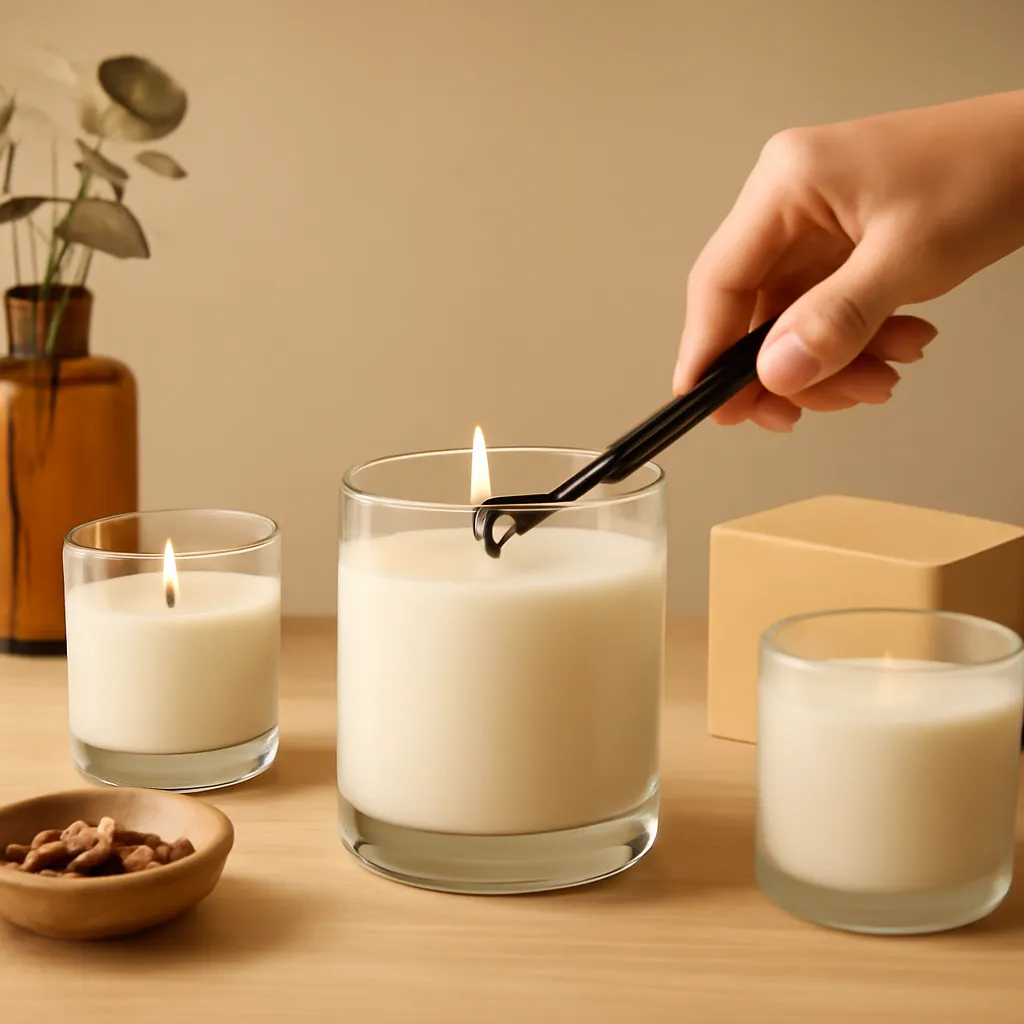
Placement mistakes are also widespread. Avoid putting candles directly under air vents or near open windows, as this can cause uneven scent distribution or rapid wax consumption. Instead, place candles at strategic points where airflow is gentle and the scent can diffuse naturally. Finally, don’t neglect candle care—trim wicks to 1/4 inch before each burn and allow the wax to melt evenly to prevent tunneling. These small habits make a big difference in both scent performance and candle longevity.
By learning from these common pitfalls, you’ll enjoy a more satisfying and effective home fragrance experience. If you’re new to candles or looking to upgrade your routine, the candle fragrance guide offers expert advice and curated collections to help you get started.
Practical Checklist: How Many Candles for Each Room?
To simplify your decision, here’s a quick checklist based on room size and function:
- Small rooms (bathroom, office, entryway, under 100 sq ft): 1 candle
- Medium rooms (bedroom, den, 100-200 sq ft): 1-2 candles
- Large rooms (living room, open-plan, 200-400 sq ft): 2-3 candles
- Very large or open spaces (above 400 sq ft): 3+ candles, spaced evenly
Adjust based on the strength of your chosen scented candle scents and personal preference. Always start with fewer candles and add more if needed, following the principles outlined in this candle fragrance guide. This approach ensures you achieve a balanced, inviting atmosphere without waste or sensory overload.
For more inspiration and to discover the latest in candle scents, browse the scented candles collection and experiment with new fragrances and formats.
Conclusion: Crafting the Perfect Scented Home with TadaVN Candles
Creating a beautifully scented home is a journey of discovery, guided by your senses and style. By understanding how many scented candles do you need for a room in, exploring fragrance families, and following expert tips on placement and care, you can transform any space into a sanctuary. Remember, the right candle scents elevate your mood, welcome guests, and express your personality.
At TadaVN Candles, we believe every home deserves a signature fragrance. Explore our curated selection at TadaVN Candles and find the perfect candle to complete your cozy, inviting retreat in 2026.