


As the candle market evolves, the phrase “natural candle wax in 2026” appears on more labels and product descriptions than ever before. But as a discerning candle buyer, what does this term actually mean? In the next few minutes, you’ll learn what to expect from different types of candle wax, how to read between the lines on packaging, and how to recognize quality in the candles you bring into your home. With so many options available, knowing the difference between waxes and their properties is essential for both first-time buyers and seasoned enthusiasts.
At its core, “natural candle wax in 2026” refers to waxes derived from renewable, plant-based, or minimally processed sources, as opposed to entirely synthetic or petroleum-based alternatives. However, not all natural waxes behave the same way, and even the most eco-friendly option might not be right for your needs. Understanding the physical properties, melt behavior, scent performance, and care requirements of each wax type can help you make informed decisions, avoid common mistakes, and enjoy candles that perform beautifully in your space.
Wax Types and Physical Properties: Understanding the Foundation
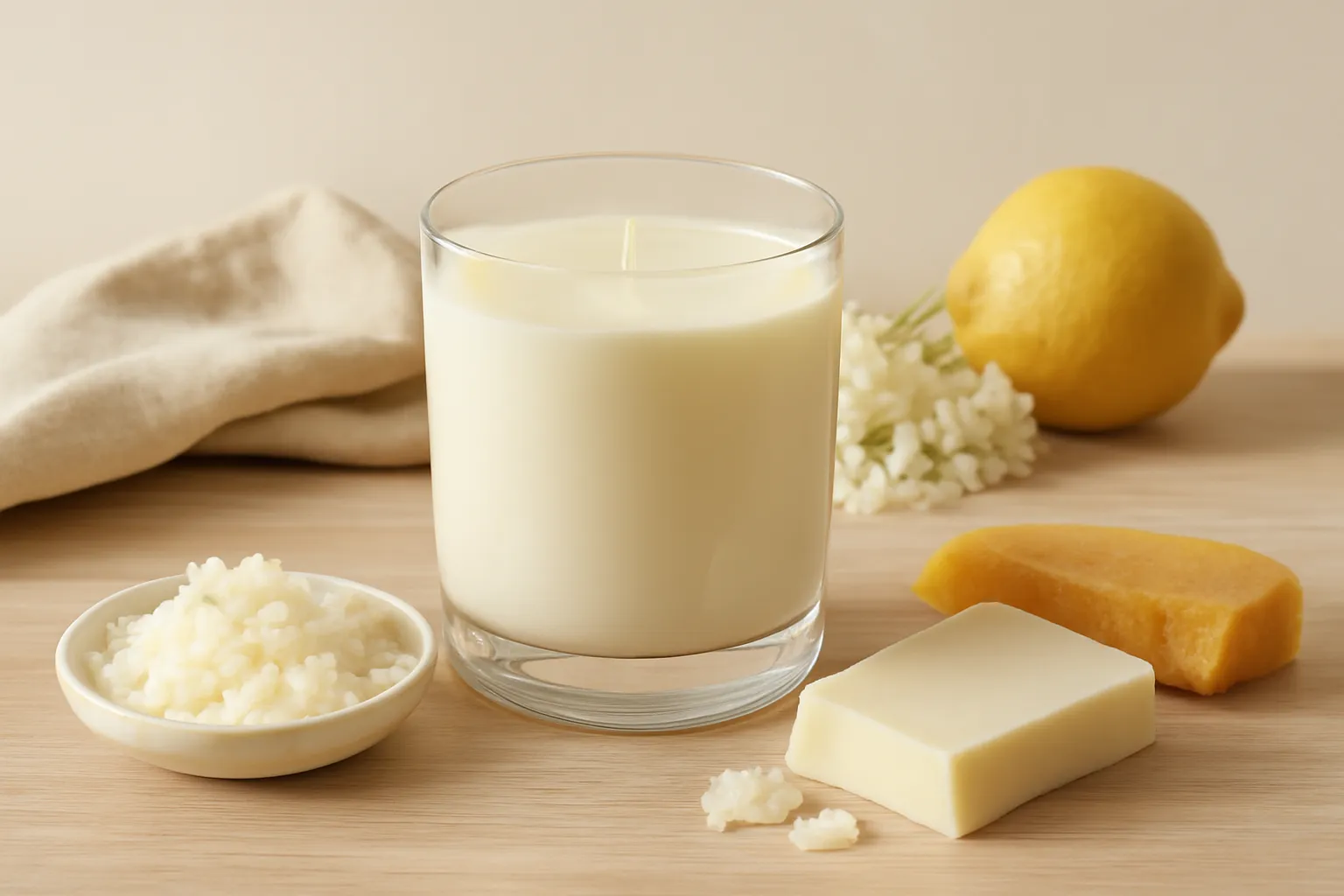
The foundation of any candle is its wax, and the types of candle wax available in 2026 are more varied than ever. The main categories include soy, coconut, beeswax, rapeseed, and blends that combine these with minor additions of other plant waxes. Each type has unique physical properties, which influence how the candle looks, feels, and performs. For instance, soy wax is known for its creamy texture and opaque finish, while coconut wax is softer and often appears slightly translucent. Beeswax tends to be firmer, with a natural golden hue and a subtle honey scent.
These physical differences are not just cosmetic. The density, melting point, and oil content of each wax affect how it behaves during burning and how well it holds fragrance. When shopping for candles, examine the wax’s appearance: a smooth, even surface and consistent color are signs of quality. If you see excessive frosting (white, powdery patches), it’s typically a natural occurrence in soy wax, not a flaw. Blends can offer a balance of benefits, such as the smoothness of coconut with the structure of soy or rapeseed. Understanding these basics helps you interpret what “natural candle wax in” really means on a label and what you can expect from each product.
Melt Behavior and Appearance: What to Expect When Burning
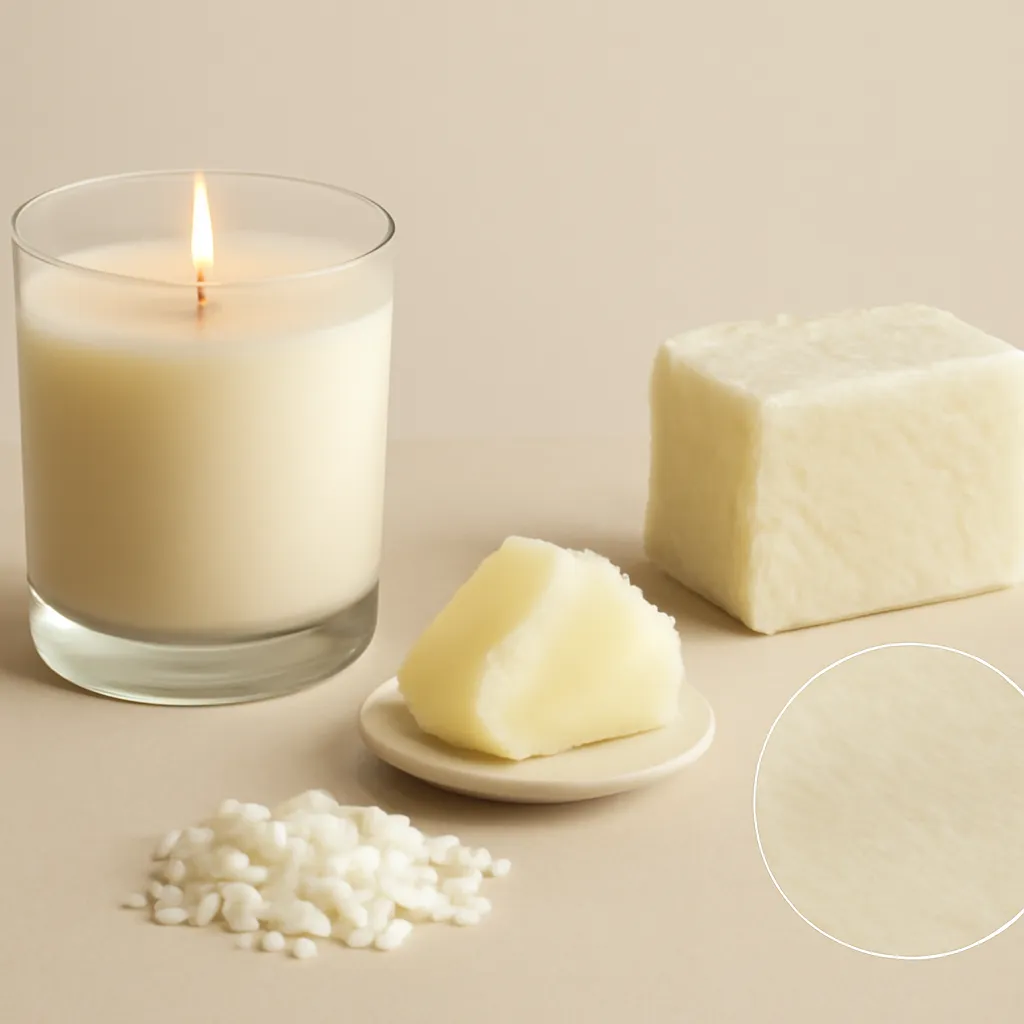
One of the most noticeable aspects of candle wax is how it melts and looks during use. Natural candle wax in 2026 is engineered to provide a clean, even melt pool, but the specifics depend on the wax type. Soy wax, for example, typically melts to form a level pool that reaches the edges of the container after an hour or two of burning. This is ideal for maximizing scent throw and preventing tunneling, which is when the wax burns down the center, leaving unused wax along the sides.
Coconut and coconut-blend waxes are softer and may develop a melt pool more quickly, sometimes requiring a shorter initial burn to prevent overheating. Beeswax, with its higher melting point, may take longer to form a full melt pool and can sometimes leave a thin ring of wax on the sides. All-natural waxes can show minor surface imperfections, such as small cracks or frosting, especially after cooling. These are generally cosmetic and do not affect performance. When evaluating a candle, look for a smooth melt pool and minimal sooting. If you notice excessive tunneling, uneven melting, or persistent smoking, it may indicate a wick that is too small, too large, or improperly trimmed. Careful wick maintenance and following the maker’s burn instructions help ensure the best results from your candle wax.
Scent Retention and Scent Throw: The Fragrance Experience
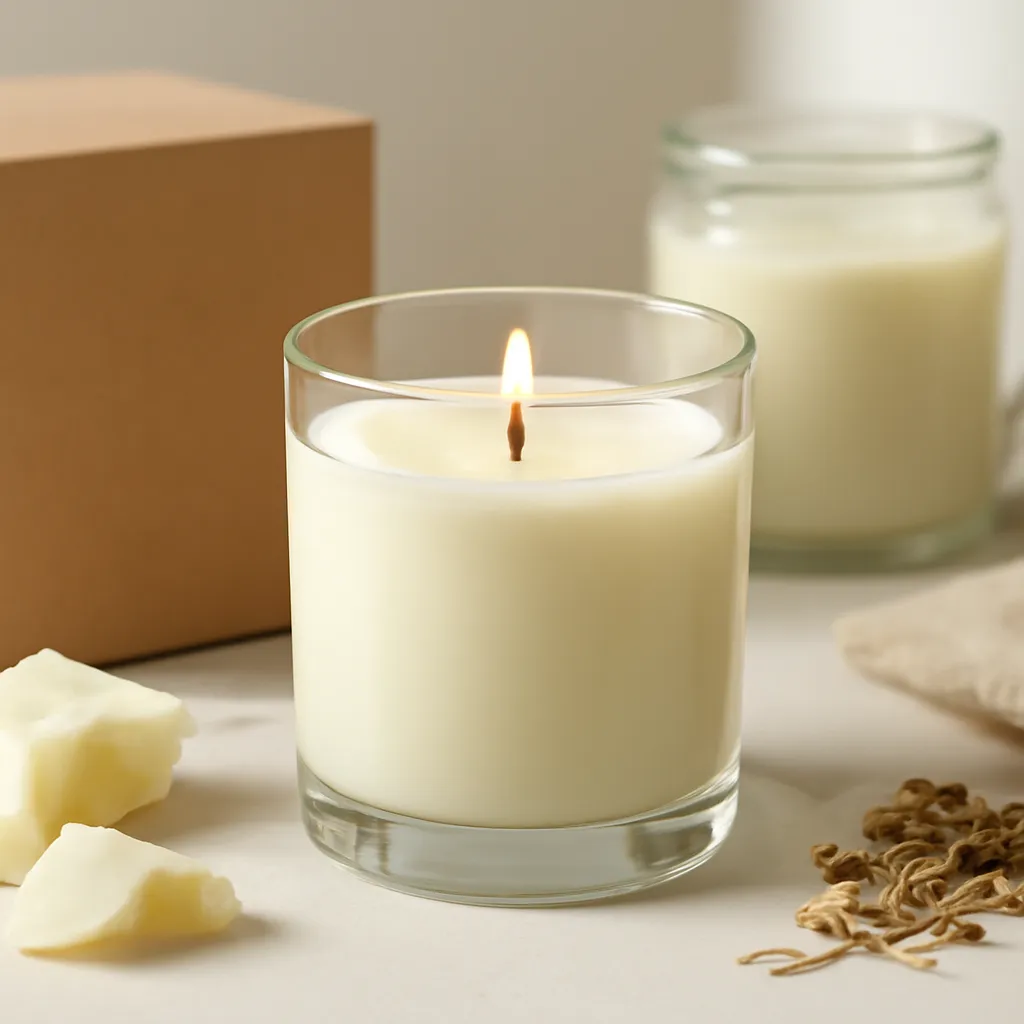
For many, the main appeal of a candle is its fragrance. The ability of natural candle wax in 2026 to retain and release scent—known as scent retention and scent throw—varies by wax type and formulation. Soy wax is prized for its ability to hold fragrance oils well, creating a balanced, lingering scent that fills a room without overwhelming it. Coconut wax and coconut blends often enhance scent throw, making them popular in luxury candles and those with complex fragrance profiles.
Beeswax, while naturally aromatic, can sometimes mute added fragrances due to its own subtle honey scent. Rapeseed wax, increasingly used in European markets, also offers good scent retention and a clean burn. The best wax for candles in terms of fragrance will depend on your preferences: if you love bold, room-filling scents, coconut blends may be ideal; for a softer, more natural aroma, soy or beeswax might be preferable. Always check for clear labeling on fragrance load and type, and consider exploring the soy candle collection at TadaVN Candles for thoughtfully crafted options. To maximize scent throw, burn your candle long enough to achieve a full melt pool, and keep wicks trimmed to prevent soot buildup.

Burn Performance: Clean, Even, and Long-Lasting Flames
Burn performance is a key factor in choosing the best wax for candles. Natural candle wax in 2026 is formulated for clean, even burning, but results can still vary based on wax type, wick size, and container shape. Soy wax is known for its slow, steady burn, often lasting longer than paraffin or palm-based alternatives. Coconut wax, while softer, can also offer an impressive burn time when properly formulated, though it may require thicker wicks to maintain a stable flame.
Beeswax candles are valued for their bright, steady flames and minimal soot, but their higher melting point means they may need a longer initial burn to prevent tunneling. Rapeseed wax is gaining popularity for its consistent burn and sustainability. For all types of candle wax, the ideal performance includes minimal smoking, little to no tunneling, and a melt pool that reaches the container’s edge within two to three hours. If you experience uneven burning or excessive soot, check that your wick is trimmed to about 1/4 inch before each use. Proper care and a well-matched wick are as important as the wax itself in ensuring the best burn performance.
Storage and Environmental Conditions: Protecting Your Candle Investment
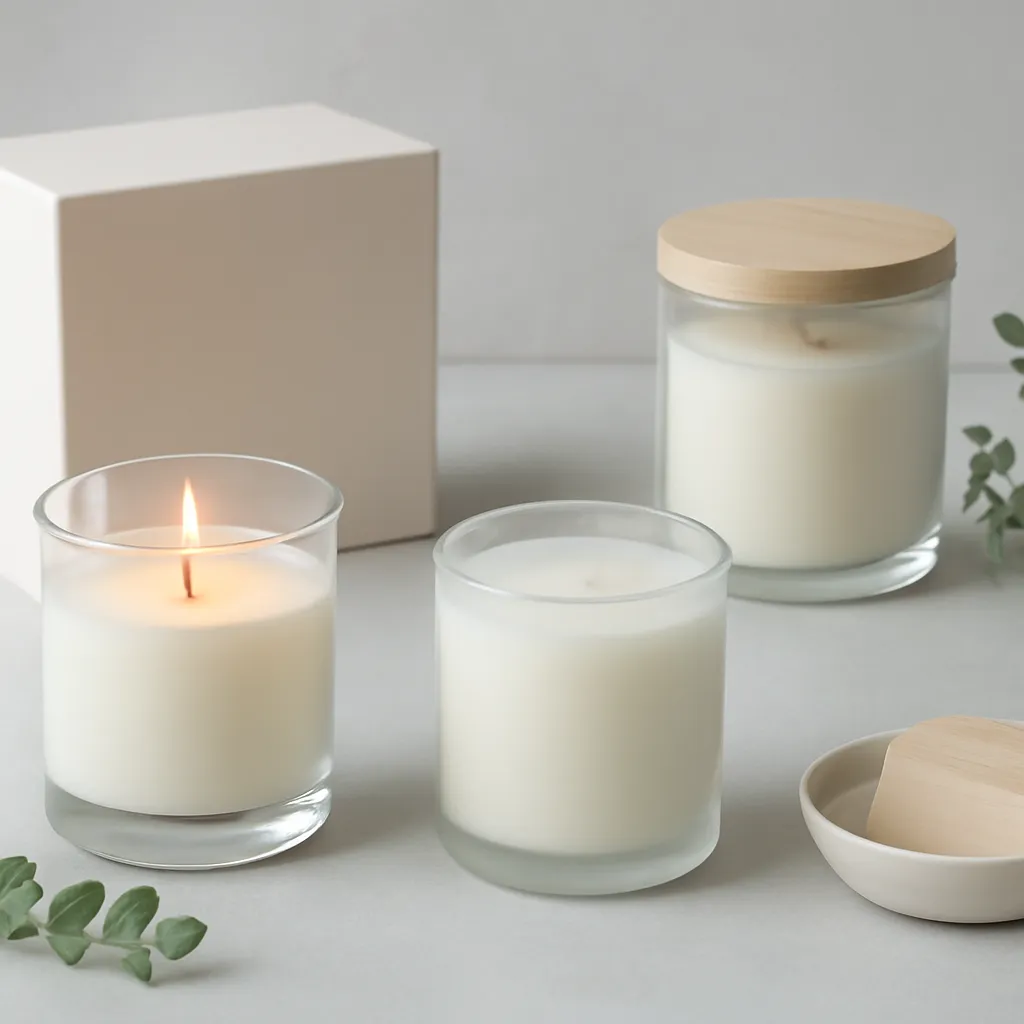
The environment in which you store and use your candles can have a significant impact on their appearance and performance. Natural candle wax in 2026 is generally more sensitive to temperature fluctuations than highly processed or synthetic waxes. Soy and coconut waxes, for example, can soften or sweat (release small beads of oil) if stored in hot, humid conditions. Conversely, very cold temperatures can cause cracking or surface changes, especially in pure soy or beeswax candles.
To get the most from your candles, store them in a cool, dry place away from direct sunlight and strong drafts. Avoid leaving candles in cars, near windows, or in unventilated bathrooms, as these environments can accelerate fading, sweating, or warping. If you notice minor surface changes after storage, such as frosting or small cracks, these are usually cosmetic and won’t affect burn quality. However, if the candle develops an off smell or the wax appears sticky or grainy, it may be time to replace it. Following these storage tips will help your candles look and perform their best, preserving the fragrance and burn quality you expect from premium natural waxes.
What to Treat as Normal Versus a Problem: Buyer’s Checklist
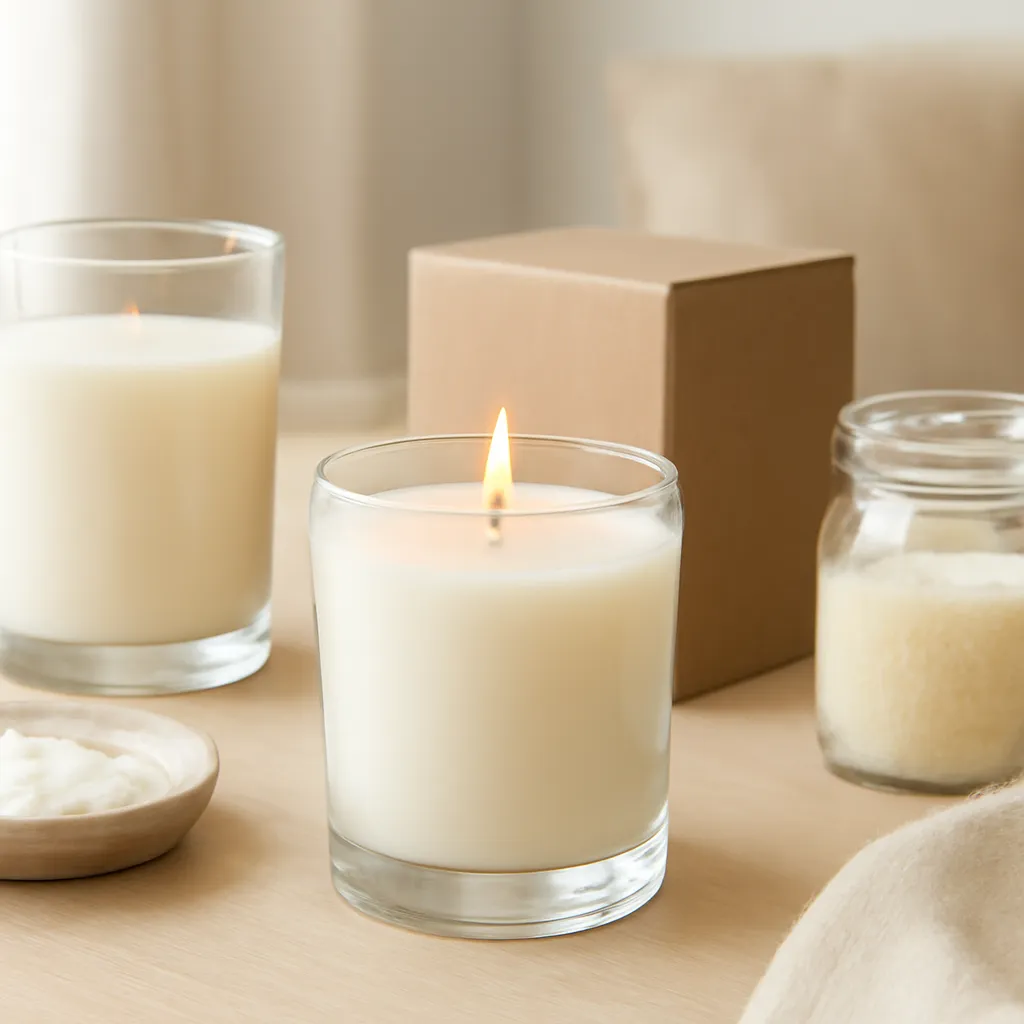
Understanding what’s normal for natural candle wax in 2026 helps you distinguish between harmless quirks and genuine issues. Some common characteristics—like frosting on soy wax, minor cracking, or slight color variation—are expected and do not indicate poor quality. These are natural results of plant-based waxes and do not affect scent or burn performance. A slightly uneven surface after burning or cooling is also common, especially with soy and coconut blends.
On the other hand, persistent tunneling (where the candle burns straight down the middle), heavy sooting, or a wick that won’t stay lit are signs of potential problems. These issues may result from improper wick sizing, poor formulation, or incorrect burning practices. If you encounter these, try trimming the wick, allowing a longer initial burn, or moving the candle to a draft-free spot. If problems persist, it may be worth contacting the maker or exploring other options, such as those found in the candle wax guide at TadaVN Candles. Knowing what’s normal gives you confidence in your candle choices and helps you enjoy them to the fullest.
Comparison Table: Types of Candle Wax at a Glance
To help you choose the best wax for candles, here’s a practical comparison of the most common types of candle wax in 2026:
- Soy Wax: Creamy, opaque, excellent scent retention, can frost, slow burn, sensitive to heat.
- Coconut Wax: Soft, smooth, enhanced scent throw, quick melt pool, may need thicker wick, stores best in cool conditions.
- Beeswax: Firm, golden, natural aroma, slow burn, minimal soot, higher melting point, sometimes mutes added scents.
- Rapeseed Wax: Clean, neutral, good scent retention, sustainable, even burn, gaining popularity in Europe.
- Blends: Combine benefits, balanced performance, appearance varies, often used in premium candles.
When choosing, consider your priorities: scent strength, burn time, appearance, or eco-friendliness. Each type offers a unique experience, and blends can provide the best of several worlds. For more details on ingredients and performance, explore the candle wax selection at TadaVN Candles.
Common Mistakes and How to Avoid Them
Even the best natural candle wax in 2026 can disappoint if not used or cared for properly. One frequent mistake is not allowing the candle to achieve a full melt pool on the first burn. This can cause tunneling and wasted wax. Always burn your candle long enough—usually one hour for every inch of diameter—until the melted wax reaches the container’s edge. Another common error is neglecting to trim the wick, which leads to soot, smoking, and uneven flames. Keep the wick at about 1/4 inch for optimal performance.
Improper storage is another pitfall. Storing candles in hot or humid environments can cause sweating or fading, while cold conditions can crack the wax. Use the original packaging or a lidded container to protect your candles from dust and temperature swings. Lastly, avoid burning candles in drafty areas, as this can cause flickering, uneven burning, and reduced scent throw. By following these practical steps, you can enjoy the best wax for candles and ensure a long-lasting, beautiful experience.
FAQs: Your Candle Wax Questions Answered
Q: What does “natural candle wax in 2026” mean?
A: It refers to plant-based or minimally processed waxes, such as soy, coconut, beeswax, or rapeseed, used in candles for cleaner burning and renewable sourcing.
Q: Why does my soy candle have white spots or frosting?
A: Frosting is a natural characteristic of soy wax and doesn’t affect performance. It’s caused by the crystallization of natural oils as the candle cools.
Q: How can I get the best scent throw from my candle?
A: Burn your candle until a full melt pool forms, keep the wick trimmed, and choose waxes known for good scent retention, like soy or coconut blends.
Q: What is the best wax for candles if I want a long burn time?
A: Soy and beeswax are both excellent for long-lasting burns, especially when paired with the right wick and proper care.
Q: Is sweating or oil beads on my candle normal?
A: Yes, especially in soy and coconut waxes. It’s harmless and usually caused by temperature changes. Simply blot with a paper towel if needed.
Q: Can I store my candles in the bathroom?
A: It’s best to avoid humid or steamy environments, as moisture and temperature changes can affect the appearance and performance of natural wax candles.
Conclusion: Choosing the Right Candle Wax for Your Home
In 2026, understanding what natural candle wax in means is the key to enjoying beautiful, fragrant, and long-lasting candles. Each wax type brings its own strengths, from the creamy finish of soy to the subtle aroma of beeswax or the bold scent throw of coconut blends. By learning about wax properties, melt behavior, and proper care, you’ll make confident choices and avoid common pitfalls. Whether you’re seeking a cozy ambiance, a thoughtful gift, or a statement piece for your home, TadaVN Candles offers a curated selection of premium natural wax candles to suit every preference. Explore the home fragrance collection and discover how the right candle wax can transform your space into a sanctuary of comfort and style.