


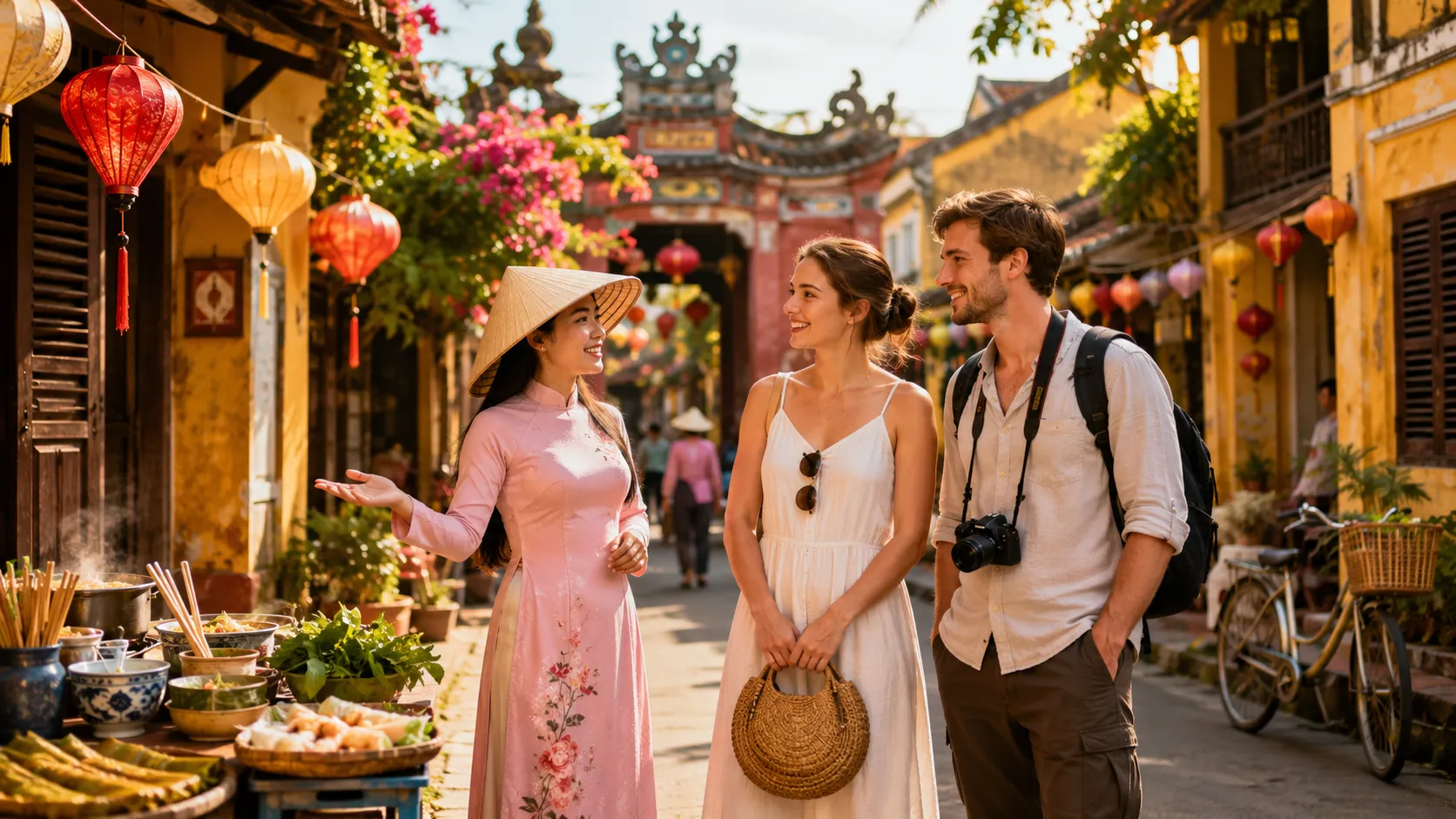
Vietnam is a beautiful country with rich traditions, warm hospitality, and a unique way of daily life. For many tourists, traveling around Vietnam is not only about visiting famous places like Hanoi, Ho Chi Minh City, Ha Long Bay, or Hoi An. It is also about understanding the people, respecting local customs, and experiencing the culture in a thoughtful way.
Before your trip, learning a few Vietnamese culture tips can help you avoid awkward situations and make your journey more meaningful. Vietnamese people are generally friendly and welcoming, but showing respect for their traditions will always leave a good impression.
1. Greetings Are Polite but Usually Simple
In Vietnam, greetings are often warm but not overly physical. A simple smile, nod, or verbal greeting is enough in most situations. Younger people usually greet older people first as a sign of respect.
You can say “Xin chào,” which means “hello,” but in daily life, Vietnamese people often use different greetings depending on age and relationship. For tourists, “Xin chào” is perfectly acceptable and appreciated.
Handshakes are common in business or formal settings, especially among men. However, hugging or kissing on the cheek is not a normal greeting in Vietnamese culture, especially with people you have just met.
2. Respect for Elders Is Very Important
One of the most important Vietnamese culture tips is to understand the role of age and respect. In Vietnam, older people are treated with special care and politeness. This can be seen in family meals, conversations, and even small daily interactions.
For example, younger people often let older people eat first, speak first, or enter a room first. If you are invited to a local home, greeting the oldest person first is a respectful gesture.
You do not need to fully understand Vietnamese family titles, but showing patience, politeness, and respect toward elders will always be noticed.
3. Dress Modestly When Visiting Temples and Pagodas
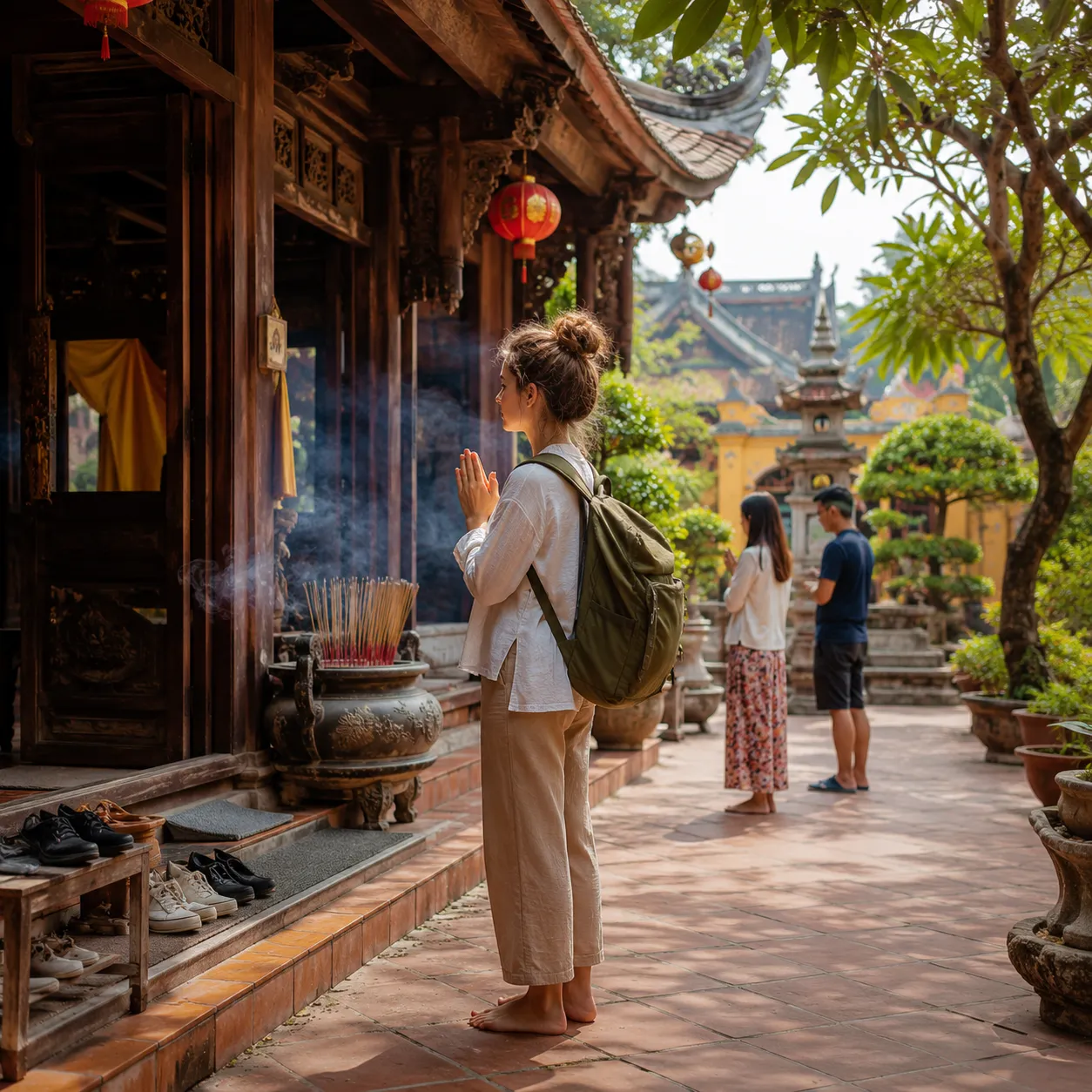
Vietnam has many beautiful temples, pagodas, and spiritual sites. These places are not just tourist attractions; they are also places of worship. When visiting them, you should dress respectfully.
Avoid wearing very short shorts, crop tops, or revealing outfits. Shoulders and knees should be covered when possible. Some places may ask visitors to remove hats or shoes before entering certain areas.
Taking photos is usually allowed in many places, but not everywhere. If you see signs that say no photography, or if people are praying, it is better to be discreet and respectful.
4. Dining Etiquette Matters
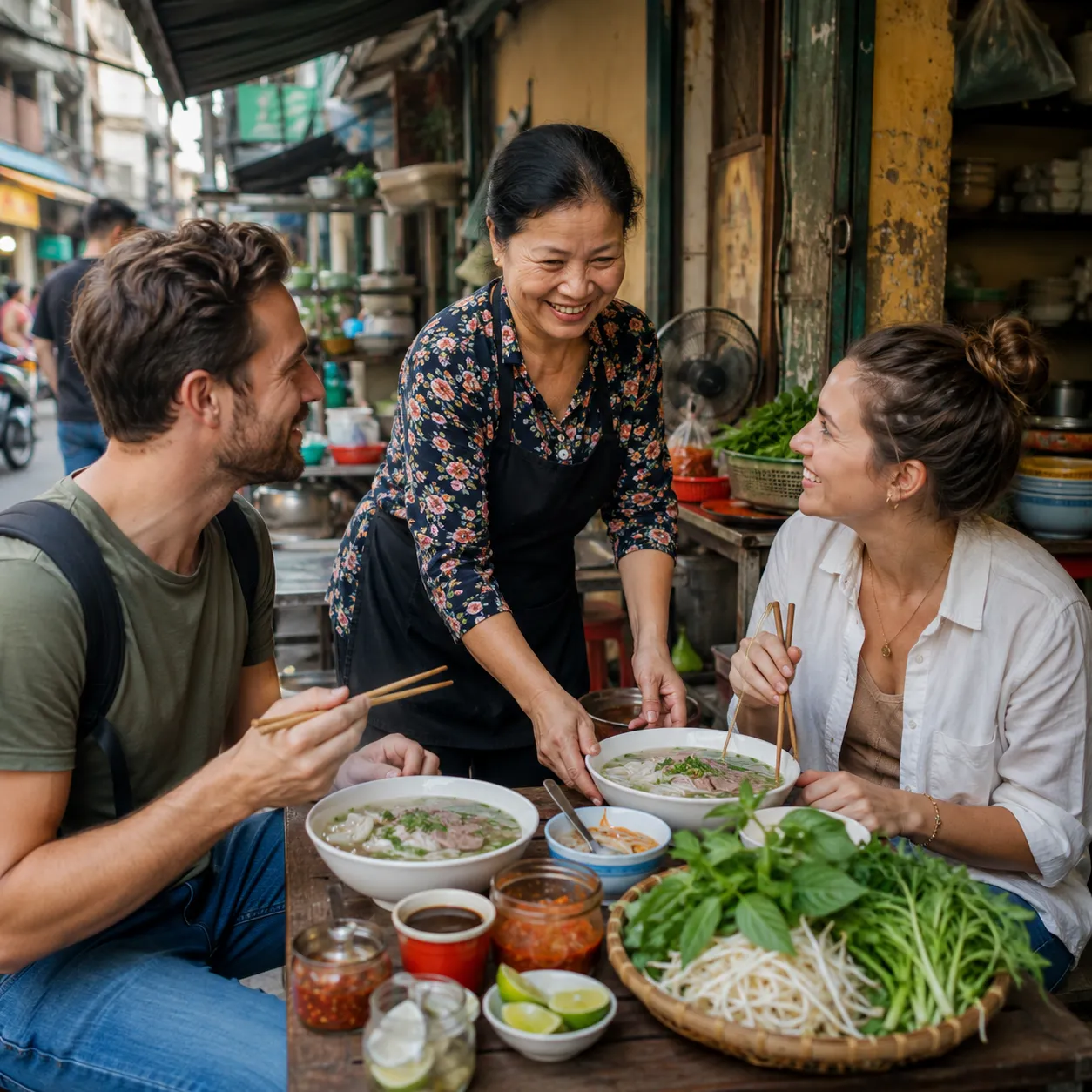
Food is a huge part of Vietnamese culture. From street food stalls to family meals, eating in Vietnam is an experience you should enjoy slowly.
If you are invited to eat with locals, wait for the host or older people to begin first. It is polite to try a little bit of everything if you can. You do not have to finish every dish, but showing appreciation for the food is important.
Using chopsticks is common. Do not stick chopsticks upright in a bowl of rice, as this can look like an incense offering for the dead. This is one of the small but important Vietnamese culture tips that tourists should remember.
5. Bargaining Is Normal in Markets
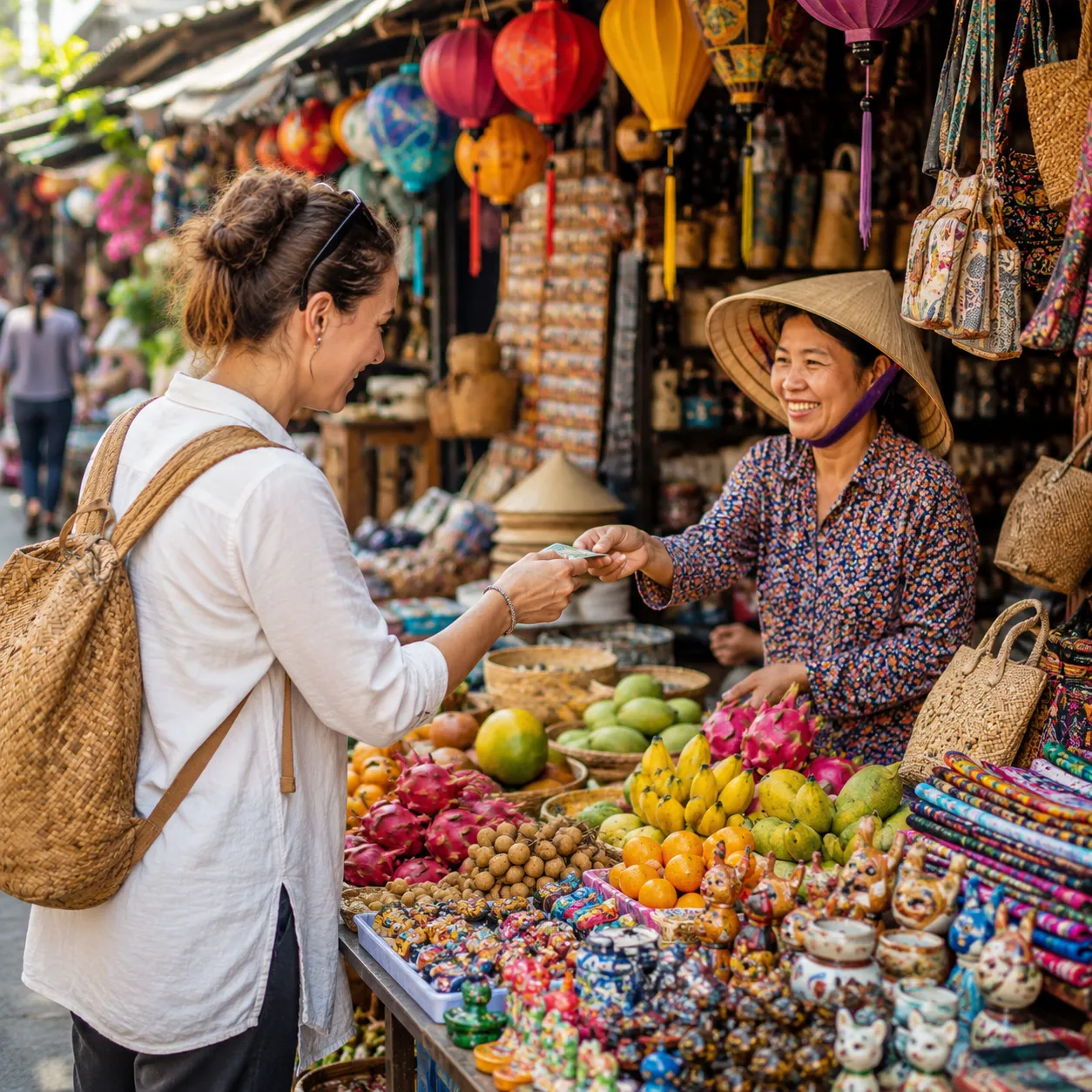
In traditional markets, bargaining is part of the shopping experience. This is common in places like local markets, souvenir shops, and street stalls. However, bargaining should be done politely and with a smile.
Do not bargain too aggressively. If the price is already low, pushing too hard can seem rude. A good rule is to ask for the price, offer a slightly lower amount, and be friendly during the conversation.
In shopping malls, restaurants, convenience stores, and supermarkets, prices are usually fixed, so bargaining is not expected.
6. Be Careful With Public Behavior
Vietnamese culture values harmony, politeness, and saving face. Loud arguments, public anger, or aggressive behavior can make people uncomfortable.
If there is a problem, staying calm will help you much more than raising your voice. Whether you are dealing with a hotel issue, a taxi misunderstanding, or a market price, speaking politely usually gets better results.
Public displays of affection are becoming more common among young people in big cities, but they are still more modest than in some Western countries. Holding hands is fine, but kissing passionately in public may feel inappropriate in traditional areas.
7. Learn Basic Local Phrases
You do not need to speak Vietnamese fluently to travel in Vietnam, but learning a few basic words can make your trip easier and friendlier.
Useful phrases include:
- Xin chào — Hello
- Cảm ơn — Thank you
- Xin lỗi — Sorry / Excuse me
- Bao nhiêu tiền? — How much is it?
- Ngon quá — Very delicious
Using even a few Vietnamese words shows effort and respect. Many locals will smile when they hear tourists trying to speak Vietnamese.
8. Understand Traffic Culture
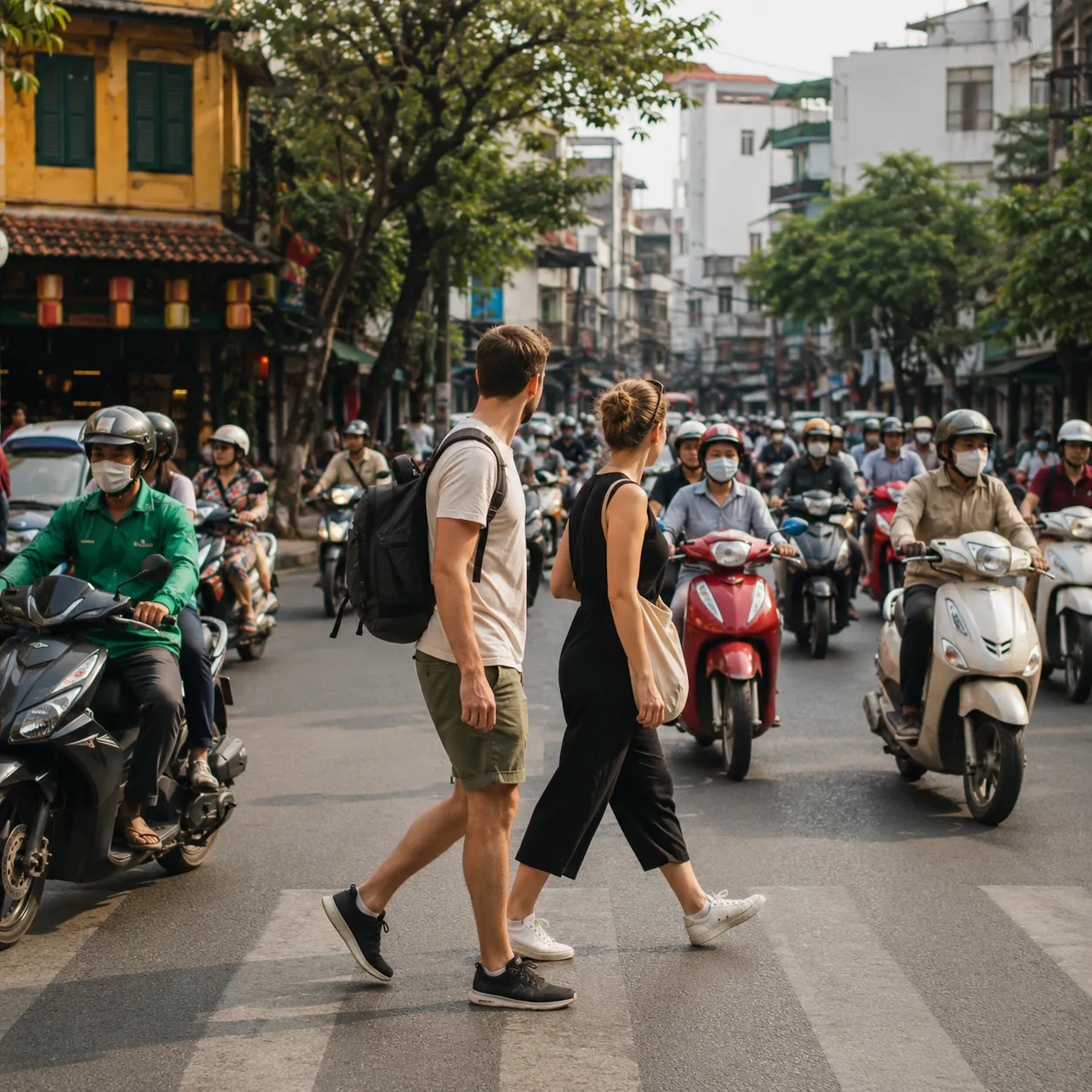
Traffic in Vietnam, especially in Hanoi and Ho Chi Minh City, can feel overwhelming at first. Motorbikes are everywhere, and crossing the street may seem difficult.
The key is to walk slowly and steadily. Do not suddenly stop or run. Drivers usually move around pedestrians if they can predict your movement.
This may sound scary, but after a little practice, many tourists get used to it. Among all Vietnamese culture tips, understanding traffic behavior is one of the most practical for first-time visitors.
9. Remove Shoes When Entering Some Homes
If you are invited to a Vietnamese home, check whether people remove their shoes before entering. In many families, guests are expected to leave shoes at the door.
Sometimes the host may offer indoor slippers. If you are unsure, simply look at what others are doing or politely ask. This small gesture shows respect for the home and family.
10. Tipping Is Appreciated but Not Always Required
Tipping is not traditionally required in Vietnam, but it is increasingly common in tourist areas. In restaurants, hotels, spas, and guided tours, a small tip is appreciated if the service is good.
You do not need to tip as much as in the United States. Even a small amount can be meaningful. For street food stalls or casual local shops, tipping is not expected.
11. Be Respectful When Taking Photos
Vietnam is full of beautiful photo opportunities, from old streets and rice fields to food stalls and local markets. However, it is polite to ask before taking close-up photos of people, especially older people, children, monks, or vendors.
Some ethnic minority communities may feel uncomfortable with tourists taking photos without permission. A smile and a simple gesture toward your camera can help you ask respectfully.
12. Family and Community Are Central to Life
Family plays a very important role in Vietnamese society. Many people live close to their relatives, celebrate family events together, and make decisions with their family in mind.
You may notice this during holidays, meals, weddings, and daily conversations. Asking about family in a friendly way is common, but avoid overly personal questions unless you know the person well.
Understanding this family-centered lifestyle is one of the most meaningful Vietnamese culture tips for travelers who want to connect with locals beyond tourist attractions.
Final Thoughts
Vietnam is a welcoming and fascinating country, but understanding local customs will make your trip smoother and more respectful. From greeting elders and dressing modestly at temples to learning simple Vietnamese phrases and staying calm in busy traffic, small actions can make a big difference.
These Vietnamese culture tips are not about being perfect. They are about showing kindness, awareness, and respect while enjoying everything Vietnam has to offer. When tourists make an effort to understand the culture, they often receive even more warmth and hospitality in return.
After exploring Vietnam, you can also bring a little piece of that warm, peaceful feeling into your everyday space with Tada Candles. Our scented candles are designed to create a cozy, relaxing atmosphere—perfect for unwinding after a long trip, decorating your home, or gifting someone who loves meaningful travel memories.
Contact Tada Candles to discover our scented candle collections and find the perfect cozy gift inspired by comfort, warmth, and beautiful moments.