


The scent from candles can transform any space, weaving a subtle tapestry of aroma that instantly changes the mood and comfort of your home. Whether you’re lighting a candle to unwind after a long day or to create a welcoming atmosphere for guests, understanding how the scent of a candle is released can help you choose and use candles more effectively. The process is more intricate than simply lighting a wick—it’s a fascinating interplay between wax, heat, fragrance oils, and even the size and airflow of your room. This article will guide you through the science and art behind the scent of candles, helping you appreciate every moment your favorite fragrance fills the air.
Have you ever wondered why some candles seem to envelop a room in fragrance while others barely whisper their scent? Or why a candle’s aroma can change from the first sniff to the last burn? These questions have answers rooted in both chemistry and design. By understanding how wax, heat, and fragrance work together, you’ll not only get the most from your candles but also learn how to troubleshoot common issues and select the perfect candle for your needs. Let’s explore the secrets behind the scent from candles and how you can master the art of home fragrance.
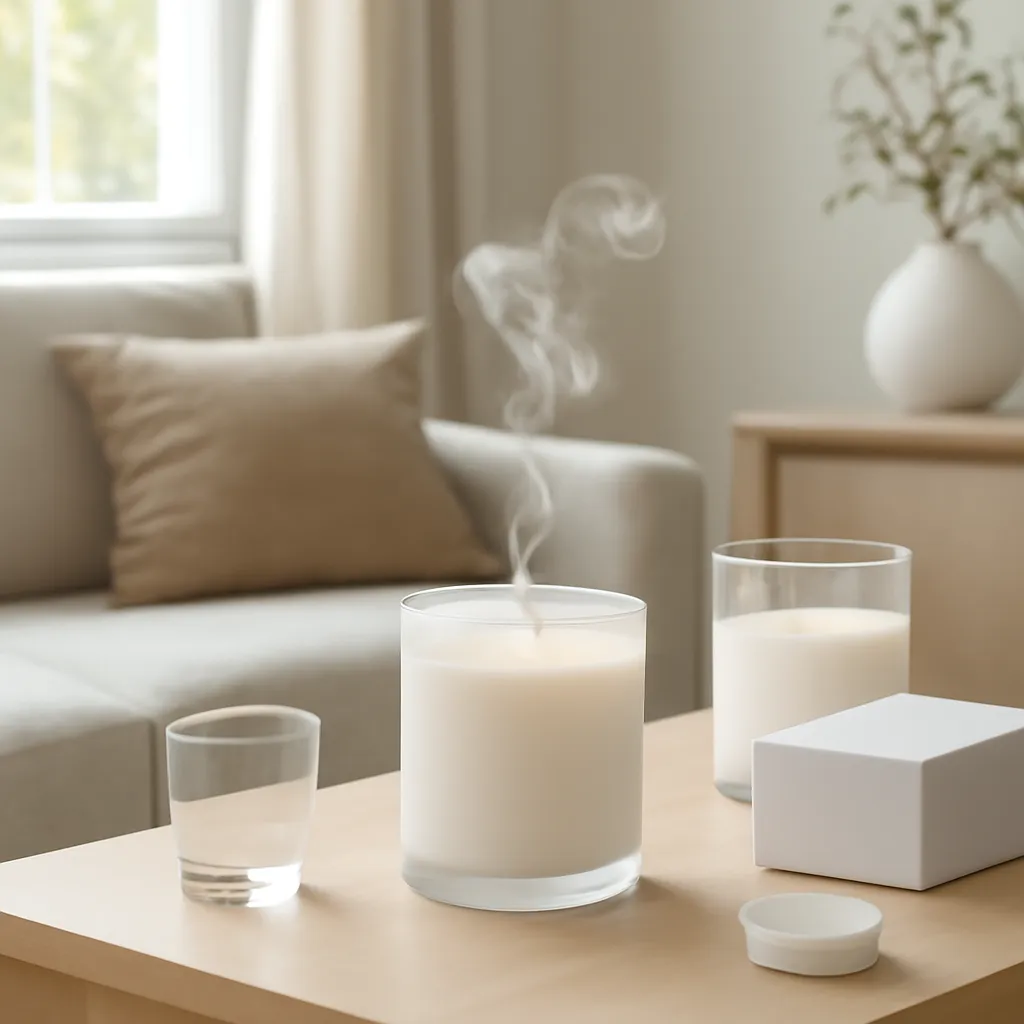
What Makes a Candle Smell: The Role of Wax and Fragrance Oils
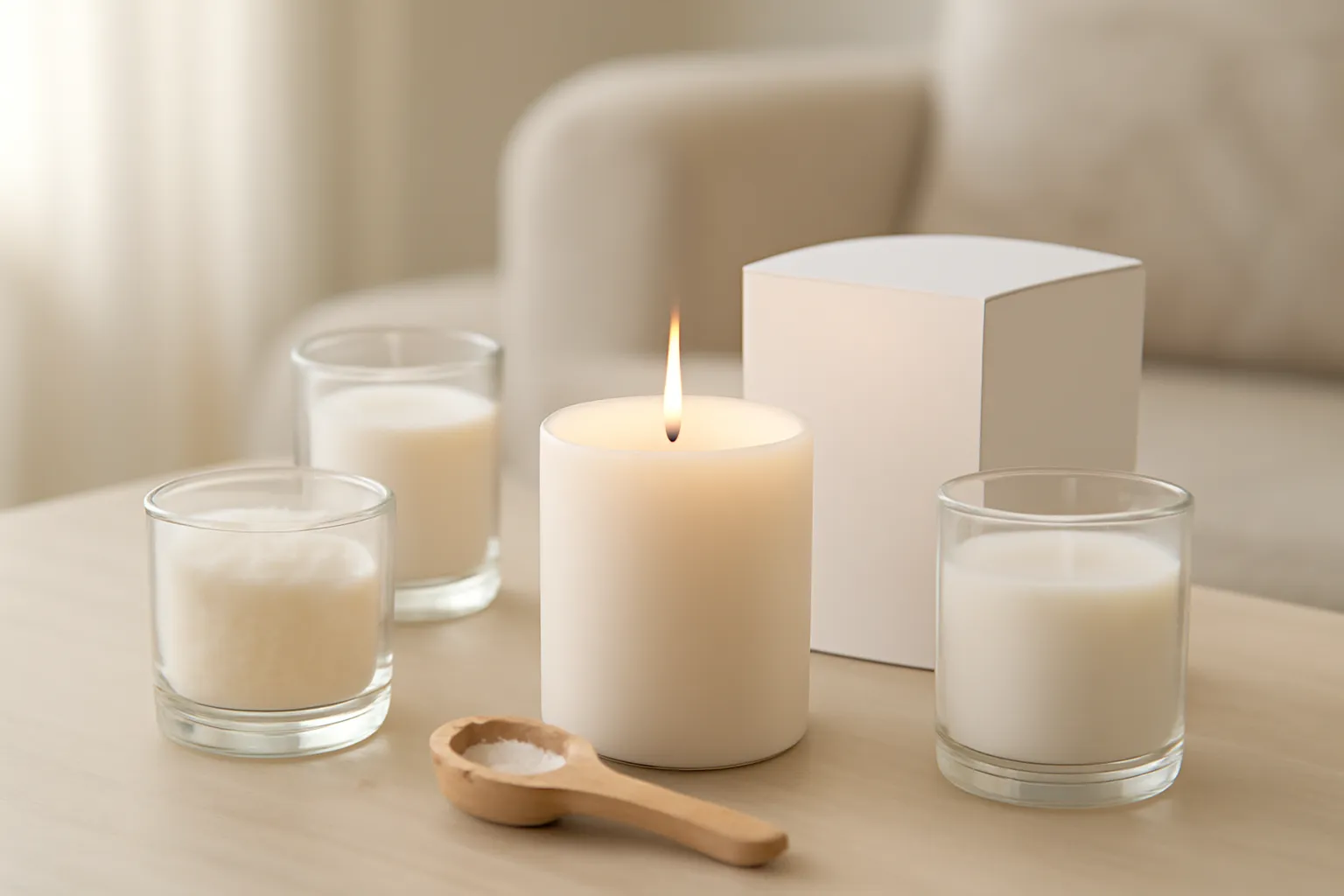
The heart of any scented candle is its wax and the fragrance oils blended within. Wax acts as both a fuel and a carrier for the scent of a candle. When you light the wick, the heat melts the wax near the flame, releasing fragrance molecules into the air. Different types of wax, such as soy, paraffin, or coconut, have unique melting points and scent-throwing abilities. For example, soy wax is known for a cleaner burn and a more gradual release of scent, while paraffin can offer a stronger initial burst of aroma. The choice of wax impacts how evenly and effectively the scent from candles disperses throughout the room.
Fragrance oils, on the other hand, are carefully crafted blends of natural and synthetic ingredients designed to mimic everything from fresh linen to spiced vanilla. The concentration of these oils in the wax determines the strength of the scent of candles. Too little oil results in a weak aroma, while too much can affect how the candle burns. Candle makers often test different ratios to achieve the perfect balance of scent release and burn performance. If you’re shopping for candles, look for brands that use high-quality oils and compatible waxes, as these choices directly influence the scent of a candle in your home.
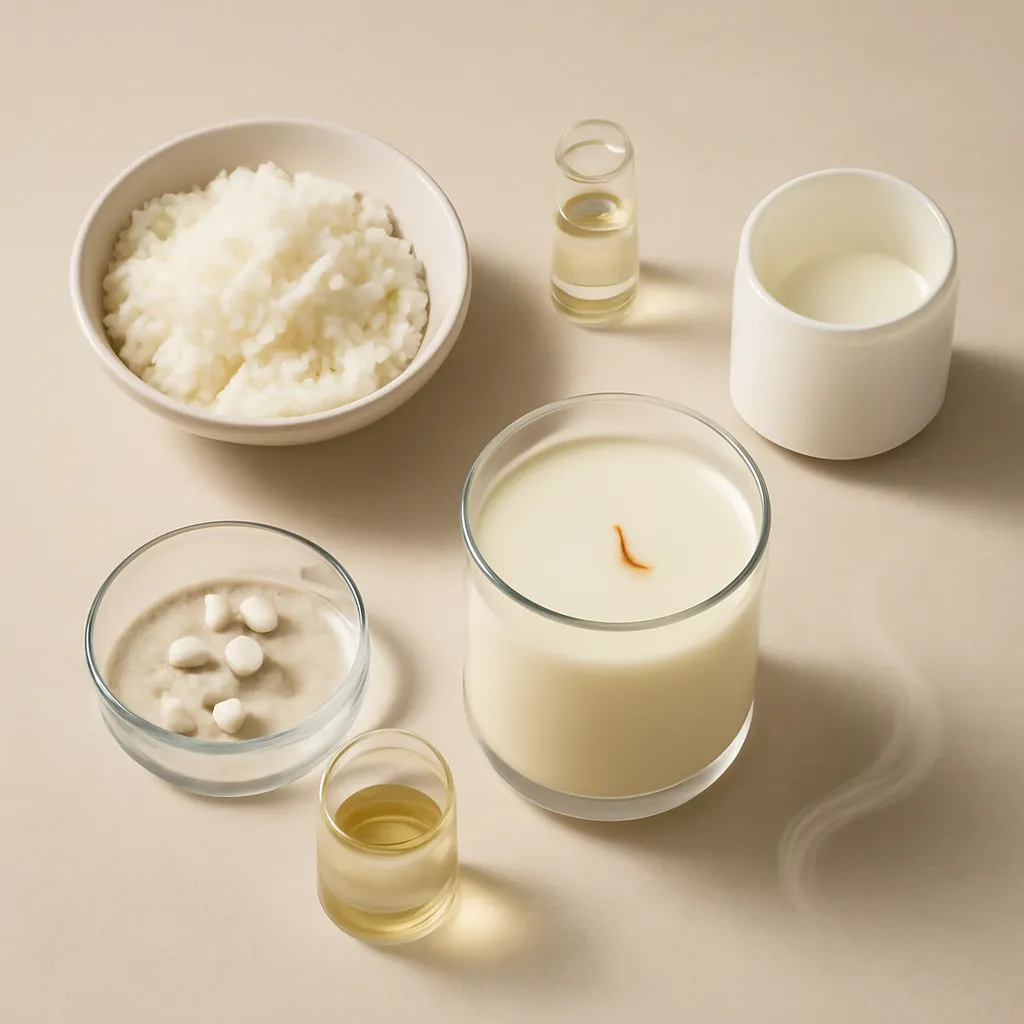
Cold Throw vs. Hot Throw: How Candles Release Fragrance
When you first pick up a candle and take a sniff, you’re experiencing what’s known as the “cold throw.” This is the scent of a candle when it’s unlit, and it gives you a preview of the fragrance profile. Cold throw is important for first impressions and helps you decide if a scent matches your taste. However, the real magic happens when the candle is burning, releasing what’s called the “hot throw.” The hot throw is the true test of a candle’s fragrance power—how well the scent from candles fills your space once heat activates the fragrance oils.
The difference between cold and hot throw can be dramatic. Some candles may smell strong in the jar but barely register when lit, while others bloom into a rich, room-filling aroma. Achieving a good hot throw requires precise blending of wax and fragrance, as well as the right wick size and placement. If you find that your candle’s scent of a candle doesn’t live up to its promise, it may be due to an imbalance in these factors. For the best experience, look for candles with a reputation for both strong cold and hot throws, ensuring the scent from candles is consistent from start to finish.
The Science of Scent Diffusion: Heat, Evaporation, and Airflow
The process of scent diffusion is rooted in simple chemistry. When you light a candle, the heat melts the top layer of wax, turning it into a pool of liquid. This liquid wax acts as a reservoir for the fragrance oils. As the temperature rises, the fragrance molecules become more volatile and begin to evaporate. These evaporated molecules are then carried by air currents, spreading the scent of candles throughout the room. The rate of evaporation and diffusion depends on factors like the type of wax, the amount of fragrance oil, and the temperature of the flame or warmer.
Airflow plays a crucial role in how far and how quickly the scent from candles travels. A well-ventilated room allows fragrance molecules to disperse evenly, while stagnant air can cause the scent to linger closer to the candle. However, too much airflow—such as from open windows or fans—can dilute the aroma and cause it to dissipate faster. To maximize the scent of a candle, place it in an area with gentle air movement but away from direct drafts. Experimenting with candle placement can help you find the sweet spot where the fragrance fills your space without being overpowering or fleeting.
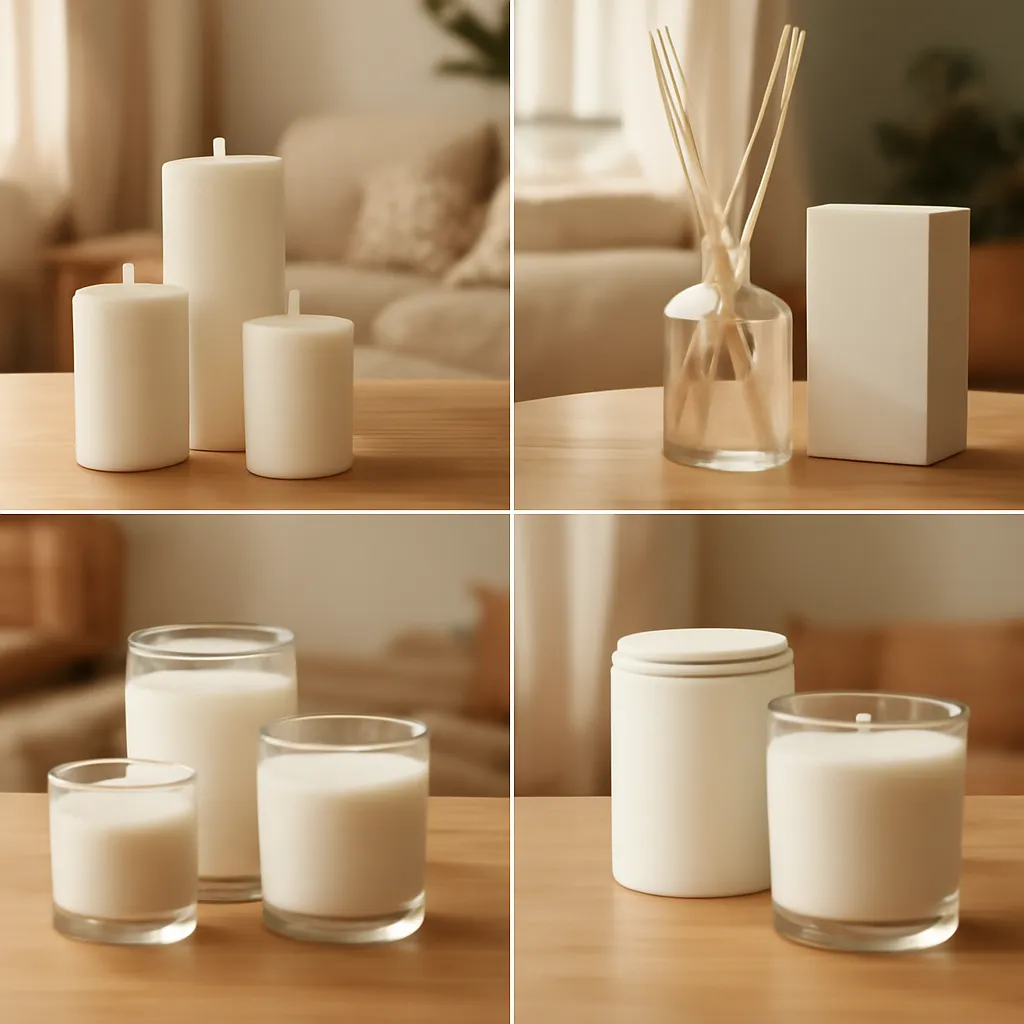
Flame vs. Warmer: Which Releases More Scent?
Many candle lovers wonder whether burning a candle with a flame or using a candle warmer produces a stronger scent. Both methods have their advantages and unique effects on the scent from candles. A traditional flame heats the wax quickly and creates a dynamic pool that allows fragrance molecules to evaporate at a steady rate. The visible flame also adds ambiance, enhancing the sensory experience. However, flames can sometimes burn too hot, causing the scent of a candle to dissipate faster or even burn off delicate top notes.
Candle warmers, on the other hand, use a gentle heat source—usually an electric plate or lamp—to melt the wax without an open flame. This method can provide a slower, more controlled release of fragrance, often resulting in a longer-lasting scent of candles. Warmers are ideal for people who want a consistent aroma without worrying about soot or fire hazards. However, some fragrances are formulated to activate at higher temperatures, meaning a warmer may not always unlock the full complexity of the scent. For the best results, consider the type of candle and your personal preferences when choosing between flame and warmer.
How Room Size and Airflow Affect Candle Scent
The size and layout of your room have a significant impact on how well the scent from candles fills the space. In smaller rooms, even a modestly scented candle can quickly saturate the air, creating an immersive aromatic experience. In contrast, large or open-plan spaces may require multiple candles or larger formats to achieve the same effect. The scent of a candle is also influenced by the height of the ceilings, the presence of doors and windows, and the amount of furniture or fabric, which can absorb or reflect fragrance molecules.
Airflow is another critical factor. A closed room with little ventilation can intensify the scent of candles, but it may also lead to stuffiness or uneven distribution. Conversely, too much airflow can whisk the fragrance away before it has a chance to settle. To optimize the scent from candles, try placing them near the center of the room or close to air movement sources like vents—but not directly in the path of strong drafts. If you’re using candles to scent a large space, consider supplementing with wax melts or diffusers from the soy candle collection to maintain a consistent aroma throughout your home.
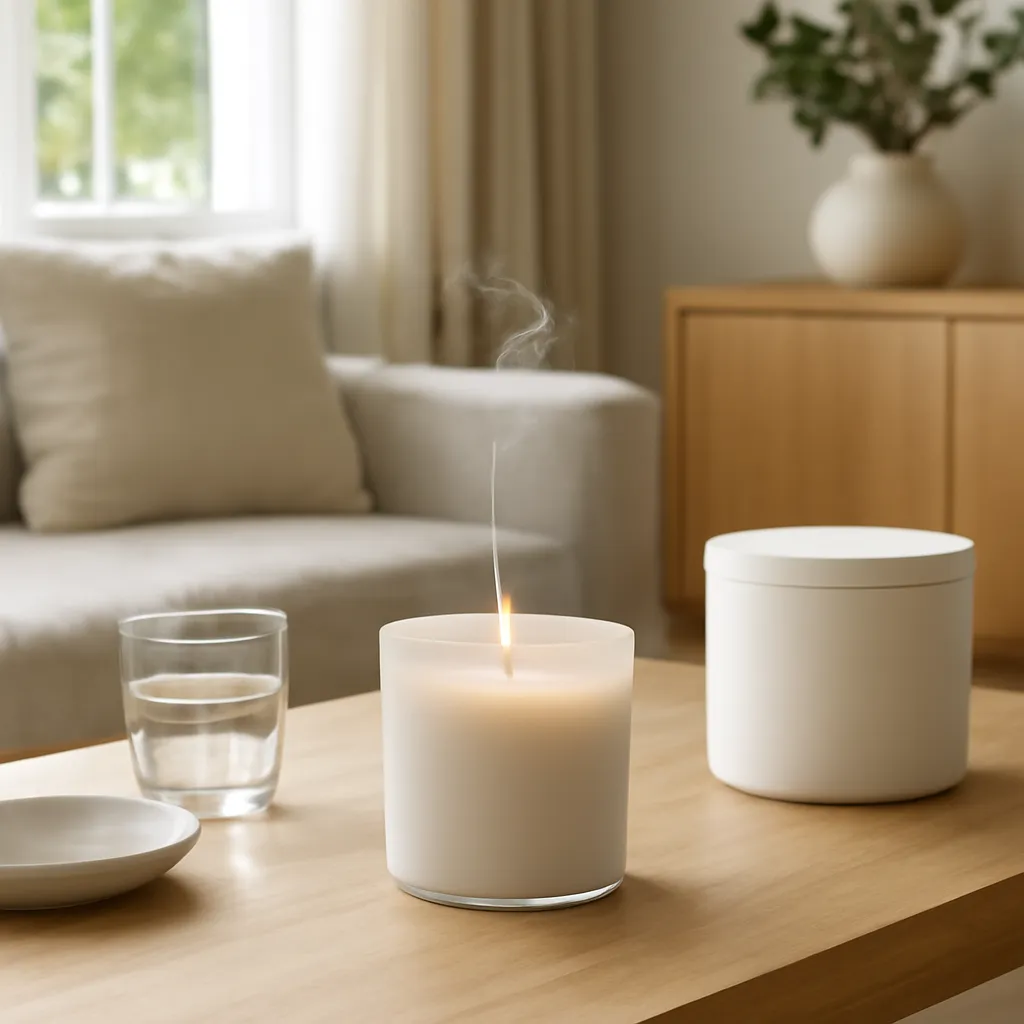
Understanding Nose Fatigue: Why Scents Fade Over Time
One of the most common mysteries for candle enthusiasts is why the scent of a candle seems to fade after a while, even if the candle is still burning. This phenomenon is known as nose fatigue or olfactory adaptation. When you’re exposed to the same scent from candles for an extended period, your nose becomes less sensitive to those specific fragrance molecules. This is a natural process that allows your senses to adjust and prevents you from becoming overwhelmed by constant stimuli.
Nose fatigue doesn’t mean the scent of candles has disappeared from the room—it simply means your brain has tuned it out. If you leave the room and return after a few minutes, you’ll likely notice the fragrance again. To combat nose fatigue, try rotating different scents or using complementary home fragrance products like wax melts and diffusers. This keeps your senses engaged and ensures the scent from candles remains a delightful part of your environment.
Troubleshooting Weak Candle Scent: Common Issues and Fixes
If you find that the scent from candles isn’t as strong as you’d hoped, several factors could be at play. First, check the size of the candle relative to your room. A small candle may struggle to fill a large space, while a larger candle or multiple candles can provide more coverage. The type of wax and the concentration of fragrance oils also matter. Some candles are designed for subtlety, while others are formulated for a bold scent of a candle. If you’re looking for a more intense aroma, seek out candles labeled as “high fragrance load” or “strong throw.”
Another common issue is improper candle burning. Make sure to allow the candle to form a full melt pool—where the entire surface of the wax is liquid—during each burn. This maximizes the release of fragrance molecules and prevents tunneling, which can trap scent in the wax. If you’re still not satisfied, try moving the candle to a smaller room or using a scented candle in combination with other home fragrance products. Experimenting with different brands and formats can help you find the perfect solution for your space.
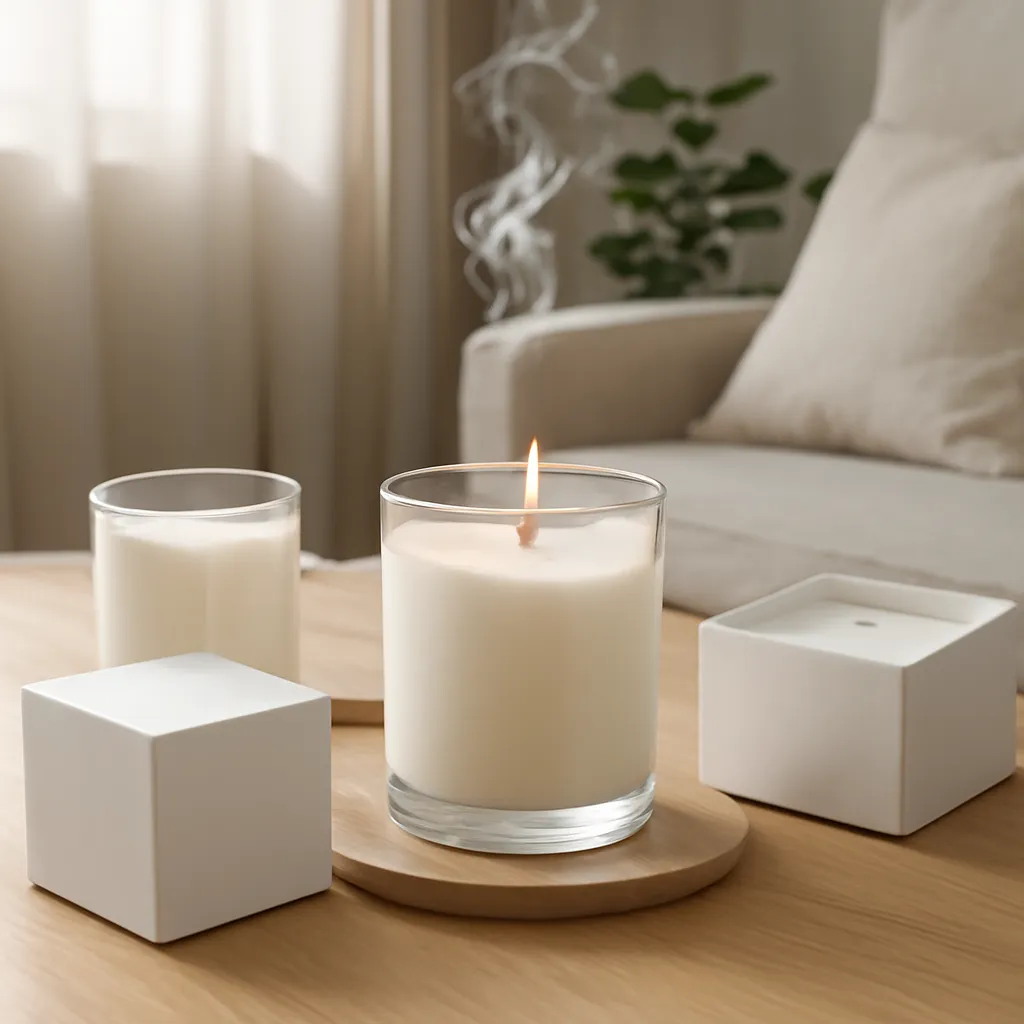
Choosing the Right Candle for Your Space: Practical Tips
Selecting the ideal candle involves more than just picking your favorite scent of candles. Consider the size of your room, the type of wax, and the purpose of the candle. For intimate spaces like bedrooms or bathrooms, smaller candles or those with lighter fragrances can create a cozy, inviting atmosphere without overpowering the senses. In larger living areas or open-plan homes, opt for larger candles, multi-wick designs, or even a combination of candles and wax melts to ensure the scent from candles is noticeable and well balanced.
Pay attention to the burn time and fragrance notes. Candles with complex scent profiles often evolve as they burn, providing a dynamic olfactory experience. If you’re sensitive to strong aromas, look for candles made with natural soy wax and essential oils, which tend to offer a softer, cleaner scent of a candle. Don’t forget about aesthetics—choose candles that complement your decor and add visual warmth to your space. For a curated selection of premium candles, explore the home fragrance options available from trusted brands like TadaVN Candles.
Conclusion: Creating a Cozy Home with TadaVN Candles
Understanding the science and artistry behind the scent from candles empowers you to create a home that feels welcoming, comforting, and uniquely yours. From the careful blend of wax and fragrance oils to the way heat and airflow carry aroma through your space, every detail contributes to the experience. Whether you prefer the gentle glow of a flame or the convenience of a candle warmer, choosing the right candle and placement can transform your environment with the scent of a candle that lingers in memory.
At TadaVN Candles, every candle is crafted to elevate your home with thoughtfully chosen ingredients and elegant design. If you’re ready to enrich your space with the perfect scent of candles, explore the curated selection at TadaVN Candles. Let every flicker and fragrance bring warmth, style, and joy to your everyday moments.