



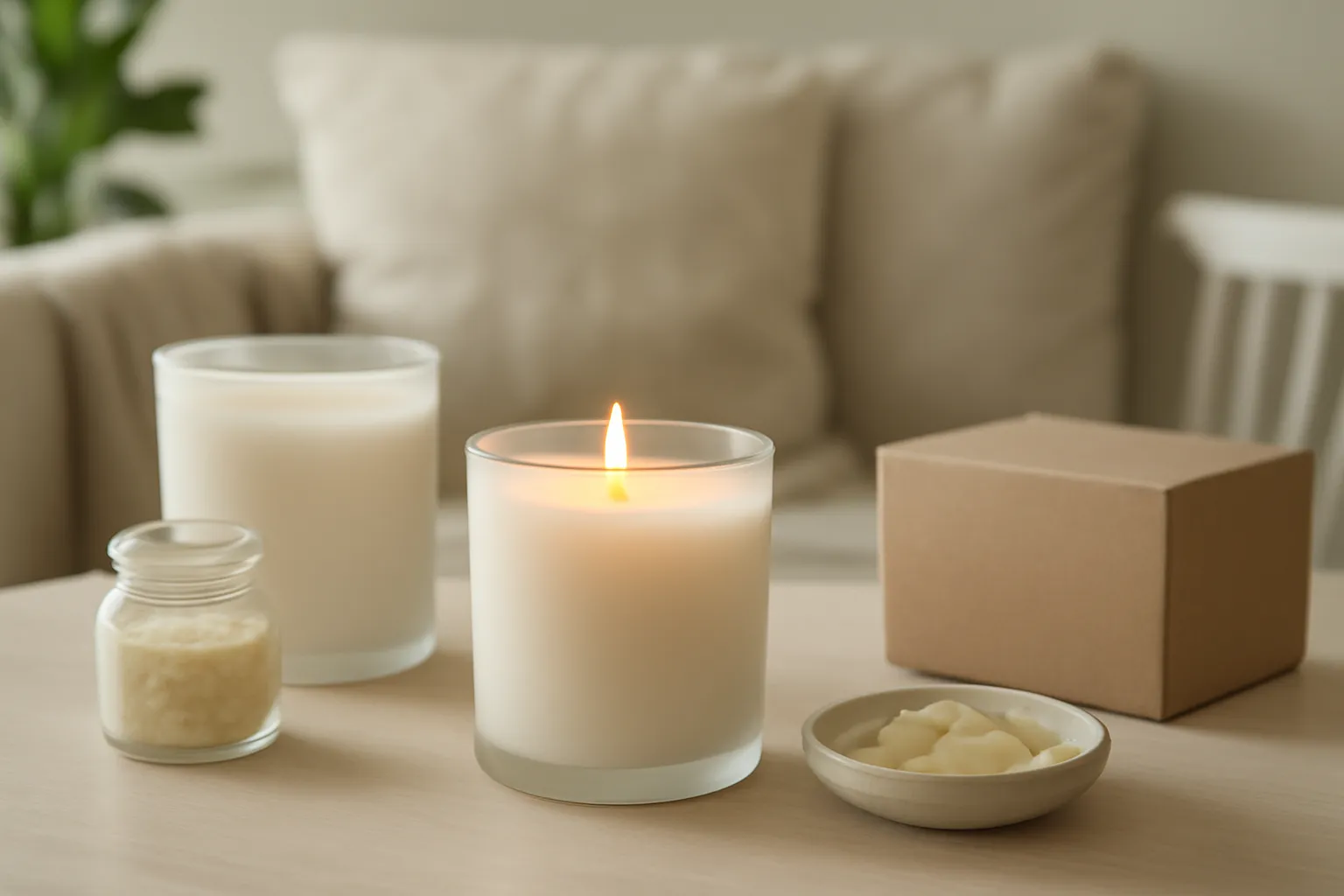
Are scented candles bad for you? This question has become increasingly common as more people seek ways to create inviting, fragrant spaces at home. Scented candles are beloved for their ability to transform a room’s mood, but concerns about ingredients, soot, and air quality have made many pause before lighting their favorite candle. As with any product that affects your indoor environment, understanding what goes into candle scented candles and how to use them safely is key to enjoying their benefits while minimizing any potential risks.
In this evidence-based guide, we’ll break down what’s actually in your scented candles, how ventilation plays a critical role, and what you can do to ensure your home remains both cozy and healthy. You’ll find tips on choosing candles, recognizing signs of sensitivity, and maintaining good air quality. Let’s explore the facts behind the fragrance, so you can make informed decisions and enjoy your favorite candle scented candles with peace of mind.
Understanding Candle Ingredients: Wax, Wick, and Fragrance
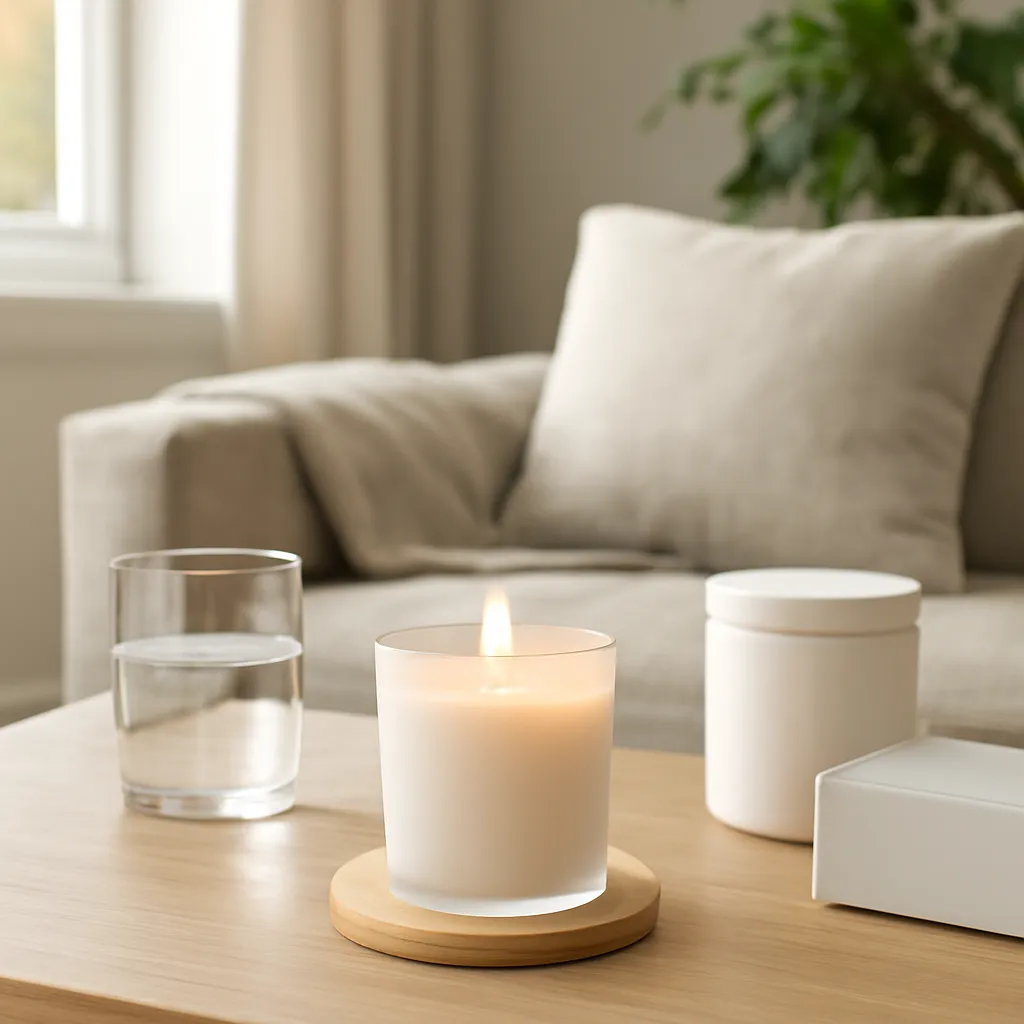
To answer “are scented candles bad for you,” it’s essential to look closely at what they’re made of. The three core components of any candle are the wax, the wick, and the fragrance. Each plays a role in both performance and safety. Most candle scented candles use either paraffin, soy, beeswax, or a blend. Paraffin wax, a byproduct of petroleum refining, is popular for its affordability and scent throw. However, some consumers prefer soy or beeswax for their renewable origins and cleaner burn characteristics.
The wick, typically made from cotton or wood, is another factor. Lead wicks have been banned in the U.S. since 2003, but it’s still wise to check for reputable brands that use cotton or paper-cored wicks. Fragrance is where things get nuanced: high-quality candles use essential oils, fragrance oils, or a blend. Synthetic fragrances aren’t inherently unsafe, but they can contain allergens or compounds that may irritate sensitive individuals. Always look for brands that disclose their ingredient sourcing and avoid candles with vague “fragrance” listings if you have sensitivities. Choosing candles labeled as phthalate-free or made with natural fragrance blends can further reduce potential concerns.
Soot and Indoor Air Quality: What the Research Says
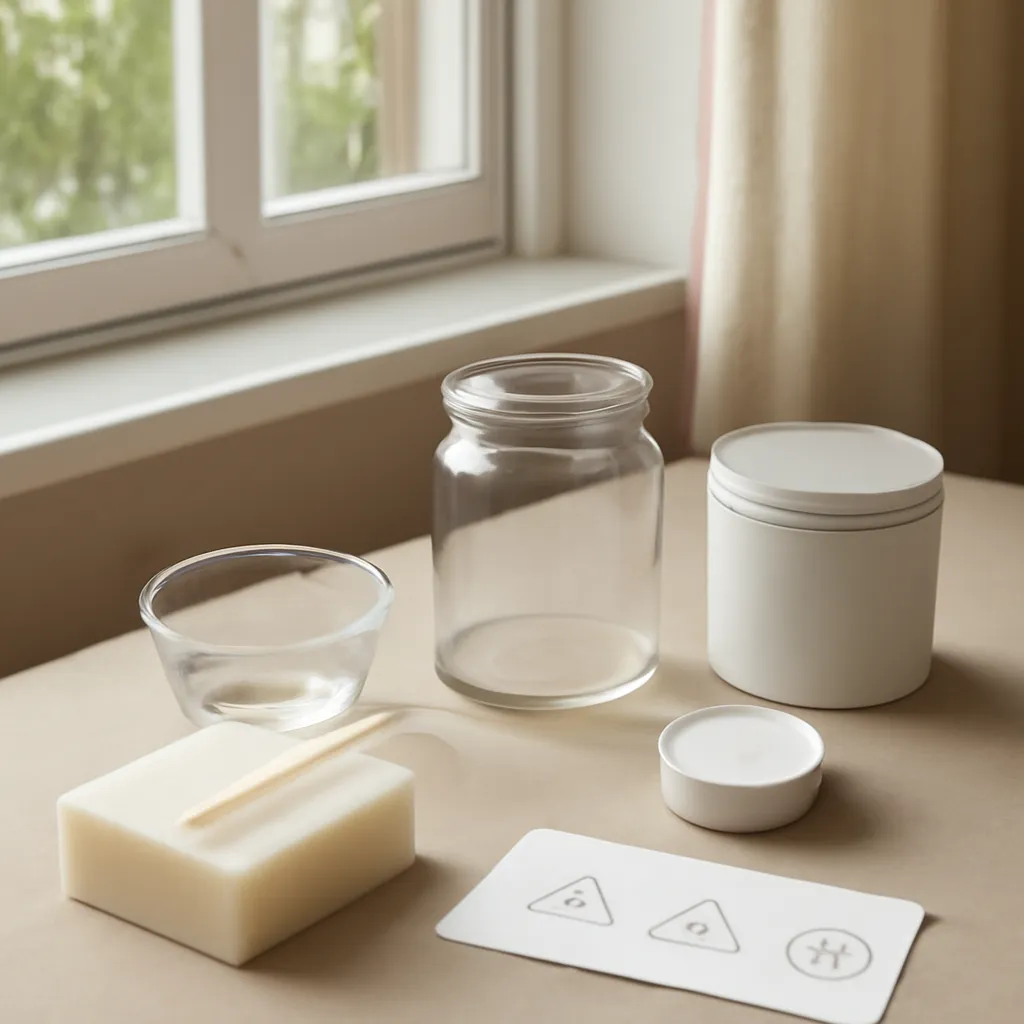
One of the most common worries about scented candles is soot production and its effect on indoor air quality. Soot is a fine black powder created when candles burn incompletely, often due to a too-long wick or drafts. According to the U.S. Environmental Protection Agency (EPA), occasional candle use is unlikely to pose significant health risks in well-ventilated spaces. However, burning candles for extended periods or in poorly ventilated rooms can increase particulate matter, which may aggravate respiratory conditions in sensitive individuals.
Not all candle scented candles produce the same amount of soot. Paraffin-based candles tend to generate more soot than soy or beeswax alternatives, especially if burned improperly. Trimming the wick to 1/4 inch before each use and avoiding drafts can greatly reduce soot production. Consider placing candles away from open windows, vents, or fans to maintain a steady flame. If you notice black residue on candle jars or nearby surfaces, it’s a sign to improve burning practices or switch to a cleaner-burning candle type. For those especially concerned about air quality, using an air purifier while burning candles or opting for flameless options like wax melts can offer additional peace of mind. For more options, explore the soy candle collection for cleaner-burning alternatives.
Ventilation: The Key to Safer Candle Enjoyment
Proper ventilation is one of the most effective ways to enjoy scented candles without compromising air quality. When you burn a candle, combustion releases small amounts of carbon dioxide, water vapor, and—depending on the ingredients—trace compounds. In a well-ventilated room, these dissipate quickly and are unlikely to build up to harmful levels. The American Lung Association recommends opening a window or using an exhaust fan when burning candles for extended periods, especially in smaller spaces.
Strategically placing your candle near a source of fresh air, such as a slightly open window, can help maintain good circulation. Avoid burning multiple candles in tightly sealed rooms, as this can concentrate emissions. If you’re hosting a gathering or using candles in a bathroom, consider short burning sessions and allow the room to air out afterward. These practices are particularly important for homes with children, seniors, or anyone with asthma or allergies. Remember, even the cleanest-burning candle scented candles benefit from fresh air flow. For more tips on safe and stylish candle use, check out the home fragrance collection.
Fragrance Sensitivity and Allergic Reactions
While most people can enjoy scented candles without issue, a subset of individuals may experience sensitivity to certain fragrances. Symptoms can range from mild headaches or sneezing to more pronounced allergic reactions such as watery eyes, coughing, or skin irritation. These effects are typically triggered by specific fragrance compounds, whether natural or synthetic. If you or someone in your household has a known fragrance allergy, it’s crucial to read labels carefully and opt for unscented or hypoallergenic candles.
Some brands offer candles made exclusively with essential oils, which may be gentler for sensitive users, though even natural scents can occasionally cause reactions. Testing a new candle in a well-ventilated area and monitoring for symptoms is a practical approach. If discomfort occurs, discontinue use immediately and air out the space. For persistent or severe symptoms, consult a healthcare professional. Choosing candles with transparent ingredient lists and avoiding products with “fragrance” as the only descriptor can help minimize risks. Additionally, consider integrating other forms of home fragrance, such as diffusers or wax melts, which may offer more control over scent intensity.
Recognizing When to Stop Using Scented Candles
Knowing when to stop using a candle is as important as choosing the right one. If you notice persistent soot buildup, excessive smoke, or a strong, lingering odor after burning, these may be signs that the candle is not burning cleanly or that ventilation is insufficient. Physical symptoms such as headaches, respiratory discomfort, or skin irritation can also indicate sensitivity to certain ingredients or fragrances. In such cases, it’s best to discontinue use and ventilate the room thoroughly.
For households with infants, pets, or individuals with respiratory conditions, extra caution is warranted. Babies and pets are more sensitive to airborne particles, making it especially important to burn candles only in well-ventilated spaces and for limited durations. If you live in a small apartment or have limited airflow, consider alternatives like flameless LED candles or diffusers. Always err on the side of caution; if a candle ever causes discomfort or concern, prioritize health and seek safer options. For those who love the ambiance but want added reassurance, explore the scented candles designed with safety in mind.
Safer-Use Checklist: Best Practices for Candle Lovers
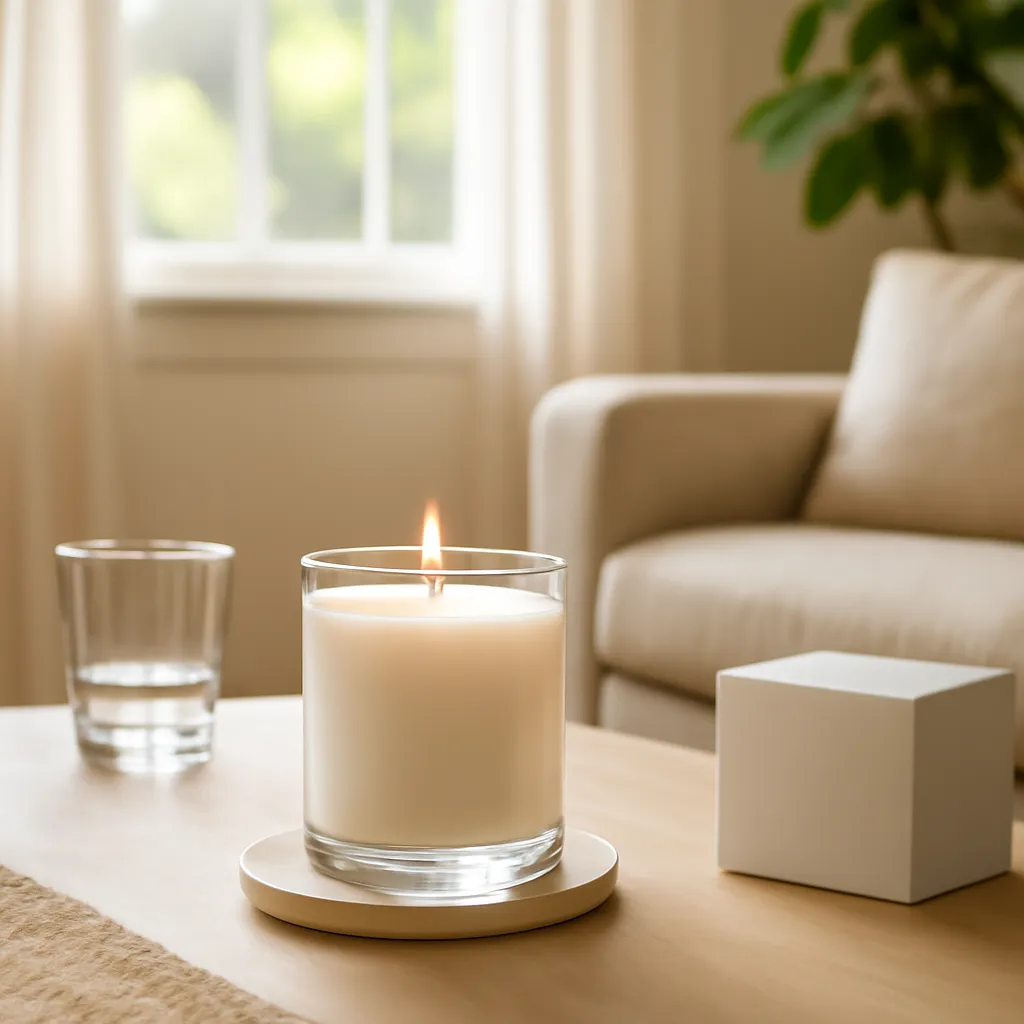
Enjoying candle scented candles safely is all about mindful use and informed choices. Start by selecting candles from reputable brands that disclose full ingredient lists and avoid unnecessary additives. Before lighting, trim the wick to about 1/4 inch to minimize soot and ensure an even burn. Place candles on heat-resistant surfaces, away from flammable materials, pets, and drafts. Never leave a burning candle unattended, and always extinguish it before leaving the room or going to sleep.
Burn candles for no more than four hours at a stretch and allow them to cool before relighting. Open a window or use an exhaust fan to keep air circulating, especially during longer burning sessions. Regularly clean candle jars to remove soot buildup and watch for signs of irregular burning, such as flickering or mushrooming wicks. For added safety, keep candles out of reach of children and pets. Following these steps helps ensure that your candle scented candles enhance your home’s atmosphere without compromising safety or air quality.
Household Considerations: Children, Pets, and Special Needs
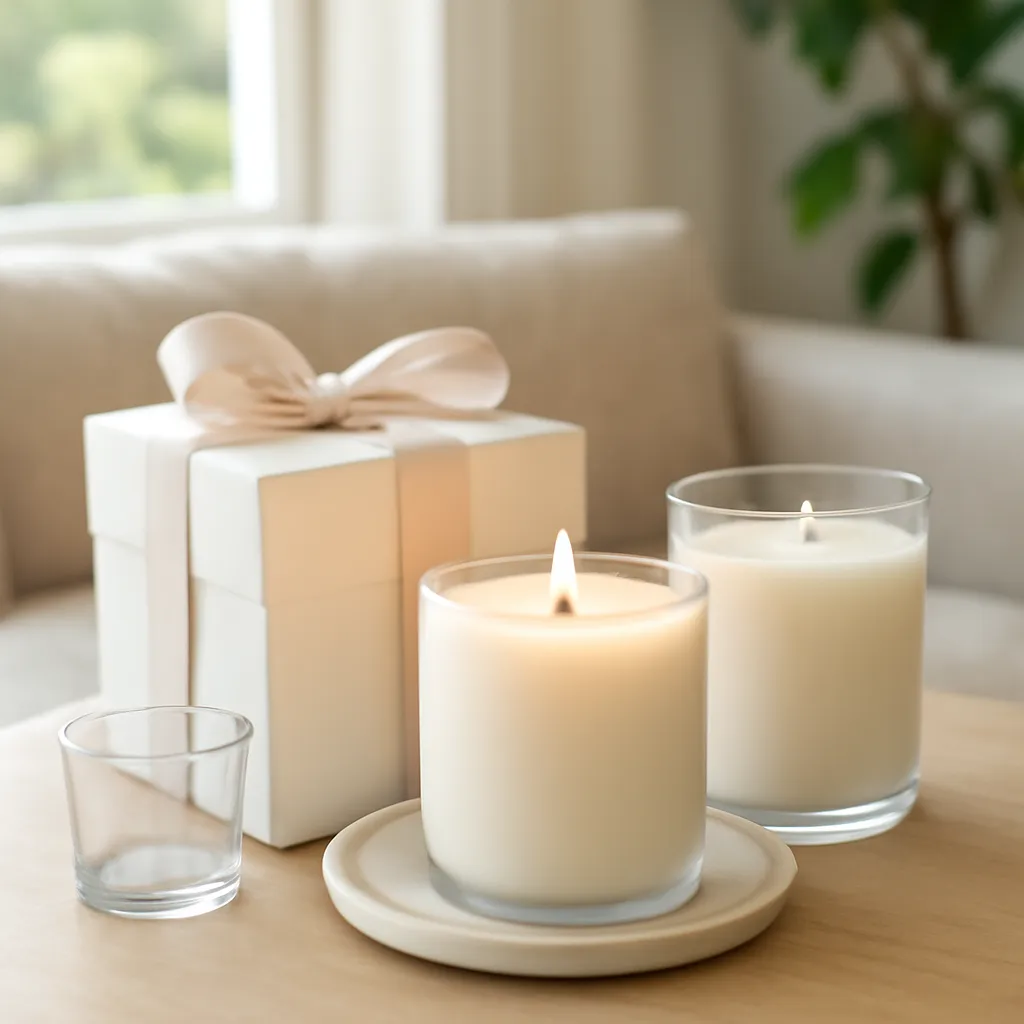
When it comes to burning scented candles in homes with children, pets, or individuals with special health considerations, extra vigilance is essential. Children and animals are naturally curious and may accidentally tip over candles or come into contact with hot wax. Always place candles high out of reach and on stable surfaces. Opt for containers with snug lids and consider flameless options in playrooms or pet zones.
For those with asthma, allergies, or compromised immune systems, even low-emission candles can sometimes trigger symptoms. In these cases, prioritize candles made from soy or beeswax and choose unscented or lightly scented varieties. Monitor the household for any signs of discomfort and be ready to switch to alternatives like essential oil diffusers or air purifiers if needed. Remember, the goal is to create a welcoming environment that’s safe for everyone. Thoughtful placement and careful selection of candle scented candles can help you achieve a balance between ambiance and well-being.
Choosing Safer Candle Scented Candles: What to Look For
With so many options available, selecting safer scented candles can feel overwhelming. Start by looking for candles labeled as phthalate-free, paraffin-free, and made with natural waxes like soy or beeswax. Brands that provide detailed information about their fragrance blends and wick materials are generally more trustworthy. Avoid candles with dyes or glitter, as these additives can increase soot and emissions.
If sustainability is a priority, seek out candles in reusable or recyclable containers and those using responsibly sourced ingredients. Consider supporting local or artisanal candle makers who focus on transparency and small-batch quality. Reading reviews and third-party certifications can also help guide your choices. Ultimately, the best candle scented candles for your home are those that align with your values, health needs, and aesthetic preferences. Don’t hesitate to contact manufacturers with questions about their products or request ingredient disclosures if information is unclear.
Conclusion: Creating a Cozy, Healthy Home with TadaVN Candles
Scented candles can be a delightful way to add warmth, fragrance, and ambiance to your living space. By understanding what’s in your candles, practicing safe burning habits, and ensuring proper ventilation, you can enjoy candle scented candles with confidence. Remember to stay attentive to your household’s needs and choose products that prioritize both safety and comfort. At TadaVN Candles, we believe that a cozy home is one where well-chosen scents and thoughtful practices go hand in hand. Explore our scented candle collection to find the perfect addition to your sanctuary, and let every moment glow with peace of mind.