


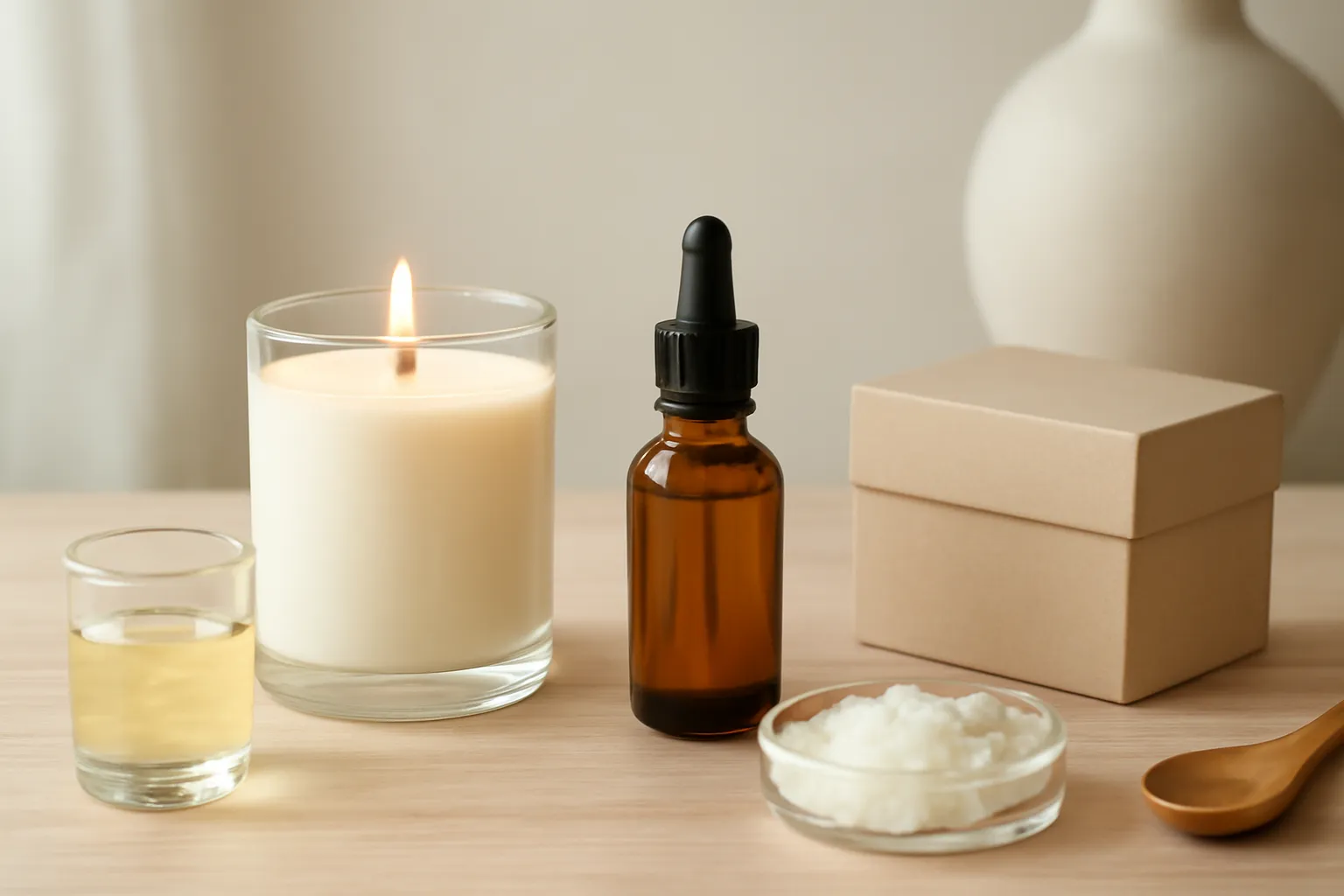
The world of candle making is as nuanced as it is fragrant, and at the heart of every memorable candle lies the candle scent oil. Whether you’re a home crafter or a discerning shopper, understanding how these oils affect the strength, balance, and overall quality of candles is essential. In this comprehensive guide, we’ll unravel the science and artistry behind candle scent oils, from their composition to their impact on hot and cold throw, and how to select the right fragrance for your needs. As the candle industry evolves in 2026, knowledge about candle scent oil is more crucial than ever for creating candles that truly delight the senses.
Choosing the right candle scent oil isn’t just about picking a favorite aroma; it’s about ensuring compatibility with wax, achieving the perfect fragrance intensity, and maintaining product quality. Fragrance oils are formulated specifically for candles, and their performance can make or break the final product. This guide will walk you through everything you need to know, including concentration limits, supplier standards, and practical testing methods. Let’s dive in and explore how candle scent oils shape the candles that bring warmth and character to our homes.
Understanding Candle Scent Oils: What Makes an Oil Candle-Compatible?
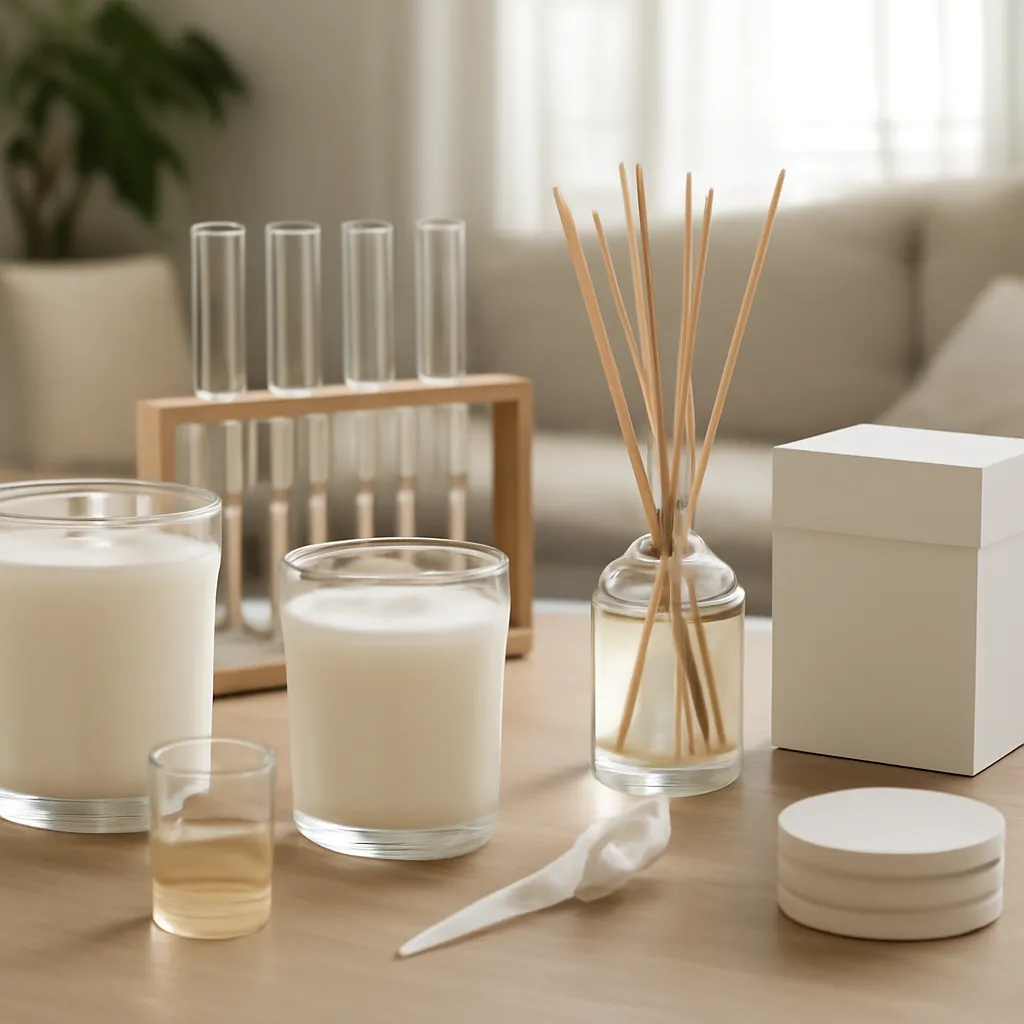
Candle scent oils, sometimes called fragrance oils, are complex blends designed to perform safely and effectively when mixed with candle wax. Unlike essential oils or perfumes, candle scent oils are engineered to withstand the high temperatures of burning candles and to disperse their aroma evenly. This compatibility is critical—not every fragrant liquid is suitable for use in candles. Using the wrong type can lead to poor scent throw, wick clogging, or even safety concerns such as excessive smoking or sooting.
Most candle scent oils are composed of a mix of natural and synthetic aromatic compounds, diluted in a solvent base that helps the oil blend with wax. The formulation is carefully balanced to ensure the oil binds well with the wax, releases fragrance at the right rate, and does not separate or discolor over time. When evaluating a candle scent oil, look for information from reputable suppliers about its intended use. Only oils labeled as candle-safe should be used, as these have been tested for performance and safety in candle applications. Checking for documentation such as IFRA certificates or allergen reports is a wise step, especially for those with sensitivities or making candles for sale.
Fragrance Oil vs. Essential Oil vs. Perfume: Key Differences in Candle Making
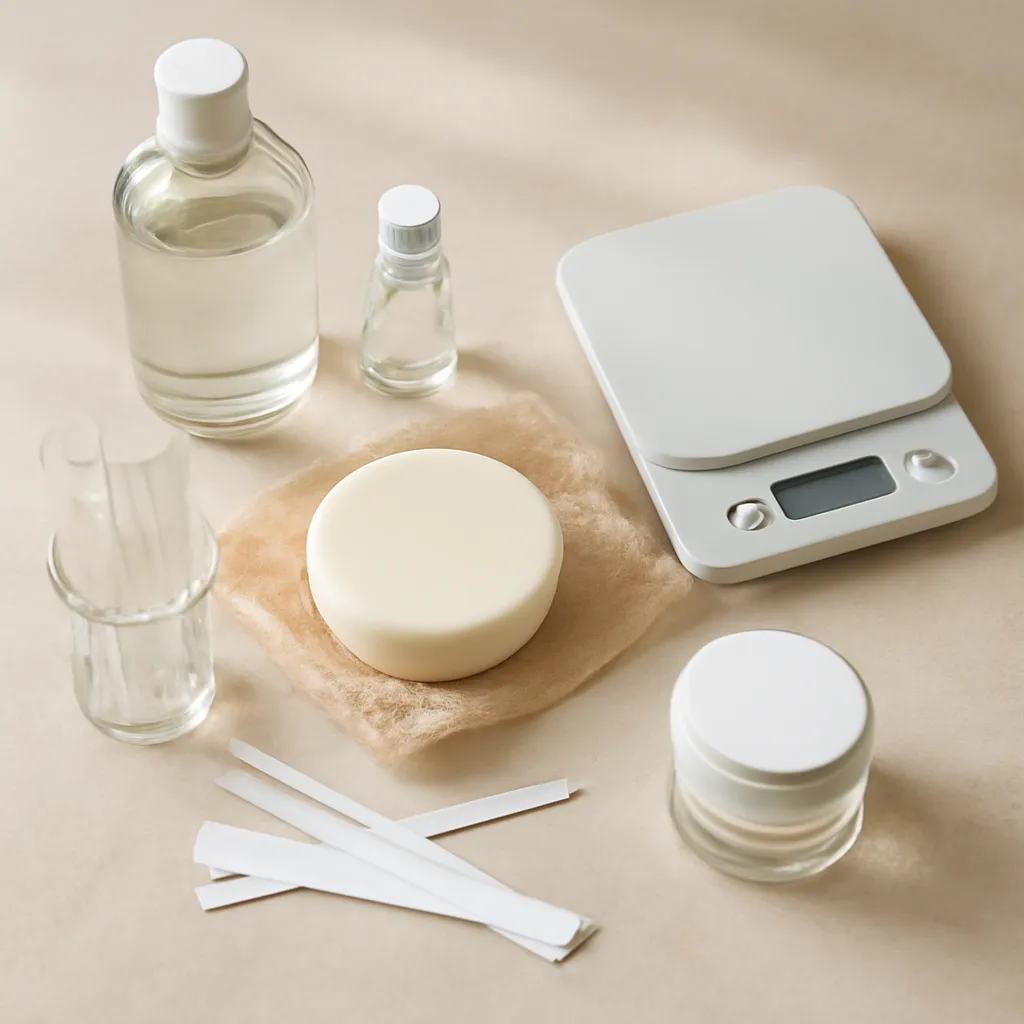
It’s easy to confuse fragrance oils, essential oils, and perfumes, but their roles in candle making are quite distinct. Candle scent oils (fragrance oils) are specifically blended for use in candles and typically contain both natural extracts and safe synthetics. Essential oils, on the other hand, are pure plant extracts, and while they offer beautiful, natural aromas, their volatility and chemical structure often make them less stable or less effective in candles. Perfumes, designed for skin application, frequently contain alcohol and ingredients that are unsuitable or even hazardous when burned.
For candle making, fragrance oils are preferred because they deliver consistent, lasting aroma and are formulated to blend seamlessly with various waxes. Essential oils can sometimes be used for a subtle, natural scent, but they require careful handling and have lower scent throw compared to most candle scent oils. Perfumes should never be used in candles; they can cause unpredictable burning, poor scent distribution, and may release harmful substances when heated. Always choose a candle scent oil that is clearly labeled for candle use, and consult supplier guidelines to ensure safe and optimal performance.
How Concentration and Supplier Limits Affect Strength and Throw
The effectiveness of a candle’s fragrance—its strength and throw—depends heavily on how much candle scent oil is used, and whether the concentration is within recommended limits. Most suppliers specify a maximum fragrance load, typically expressed as a percentage of the wax weight (often between 6% and 10%). Exceeding this limit can lead to problems such as oil pooling, wick drowning, or even fire hazards. Conversely, using too little candle scent oil results in weak aroma and disappointing hot or cold throw.
To achieve optimal results, weigh your wax and candle scent oils precisely using a digital scale. For example, if your wax can safely hold 10% fragrance, and you’re making a 500g batch, you would add 50g of candle scent oil. It’s important to note that not all waxes have the same capacity for fragrance—soy waxes often hold less than paraffin, and some blends are formulated for higher loads. Always consult your supplier’s technical sheets for both the wax and the fragrance oil. Testing small batches is recommended to find the sweet spot for scent throw without compromising candle quality or safety.
Hot Throw vs. Cold Throw: Measuring Scent Performance
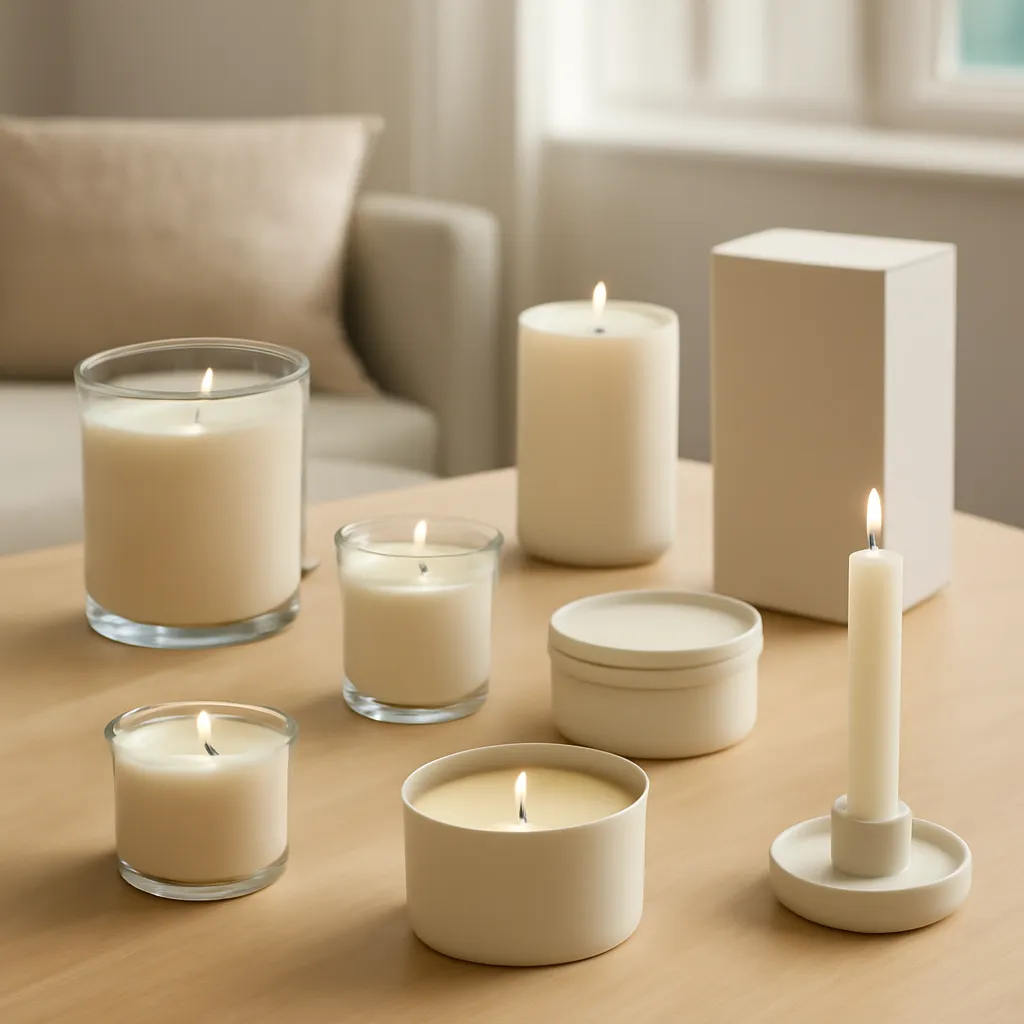
Two terms you’ll hear often in the candle community are “hot throw” and “cold throw.” Cold throw refers to the fragrance you detect from an unlit candle, while hot throw describes the scent released when the candle is burning. Both are important for customer satisfaction and overall candle experience, but they are influenced by different aspects of the candle scent oil and formulation.
Cold throw is primarily affected by the volatility of the fragrance compounds and how well they are distributed in the wax. A high-quality candle scent oil should provide a pleasant aroma even before lighting. Hot throw, however, depends on how the fragrance reacts to heat and is released as the wax melts. Some candle oil scents are formulated to bloom at higher temperatures, so a candle may have a subtle cold throw but an impressive hot throw once lit. Testing both throws is essential. Burn your test candles in a closed room and note the scent strength after one hour. Adjust your formulation as needed to balance both hot and cold throw for the best results.
Common Issues: Discoloration, Separation, and Performance Problems
Even with the best candle scent oils, certain issues can arise during or after the candle-making process. Discoloration is a frequent concern, especially with fragrances containing vanillin or certain spice notes. Over time, these can cause the wax to turn yellow or brown, affecting the candle’s appearance. While this doesn’t always impact performance, it’s something to consider when choosing a candle scent oil for white or pastel candles. Suppliers often note which oils are prone to discoloration, so check product details before purchasing.
Separation occurs when the candle scent oil does not fully bind with the wax, leading to oil pooling on the surface or uneven scent distribution. This is usually a sign that the fragrance load is too high, the wax is incompatible, or the oil was added at an incorrect temperature. To avoid this, always follow the supplier’s recommended fragrance load and blend the oil thoroughly at the correct wax temperature (usually between 175°F and 185°F for most waxes). If issues persist, try a different candle scent oil or wax blend until you achieve a stable, homogeneous mixture. Consistent testing and record-keeping can help you troubleshoot and refine your process.
Testing Candle Scent Oils: Step-by-Step for Reliable Results
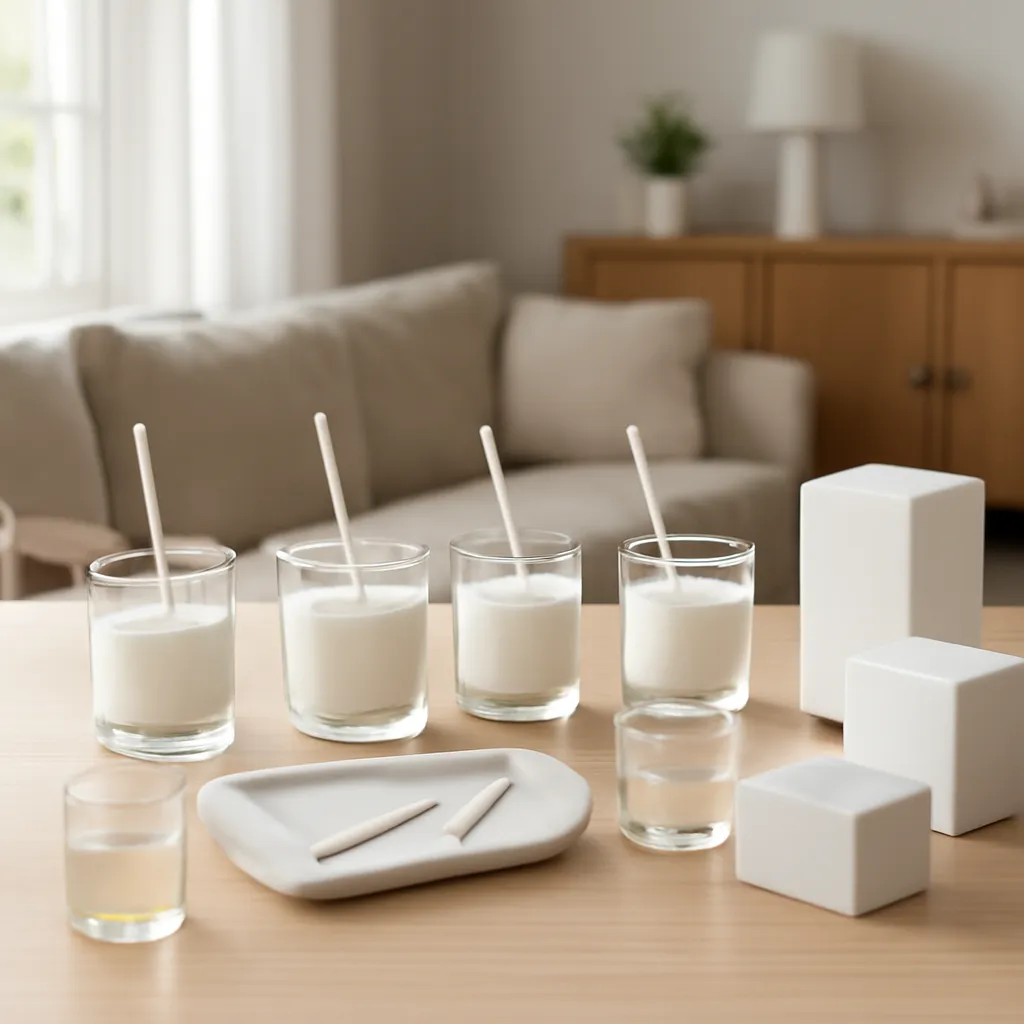
Testing is the cornerstone of successful candle making, especially when it comes to candle scent oils. Start by making small test batches, using precise measurements for both wax and fragrance. Pour your test candles into clean, labeled containers so you can track which batch uses which candle scent oil and at what concentration. Allow the candles to cure for at least 48-72 hours—some experts recommend up to two weeks for soy wax—to let the fragrance fully integrate with the wax.
Evaluate both cold and hot throw in a controlled environment. Light the candle, let it burn for at least one hour, and walk into the room to assess the scent strength. Make notes on fragrance intensity, throw, and any issues like tunneling or uneven burning. Repeat this process with different candle oil scents and concentrations until you find the ideal balance. Keep a detailed logbook for future reference, noting wax type, wick size, fragrance load, and performance results. This systematic approach ensures you consistently produce candles with excellent scent throw and quality.
Glossary of Candle Scent Oil Terms
- Candle Scent Oil: A fragrance oil formulated specifically for use in candles, designed for safety and optimal scent release.
- Fragrance Load: The percentage of candle scent oil added to wax, usually specified by the supplier.
- Hot Throw: The strength of fragrance released when a candle is burning.
- Cold Throw: The scent detectable from an unlit candle.
- Separation: When fragrance oil does not fully blend with wax, causing oil to pool or uneven scent.
- Discoloration: Changes in wax color caused by certain fragrance components, such as vanillin.
- IFRA Certificate: Documentation showing a fragrance’s compliance with international safety standards for use in candles.
Quality Checklist: Choosing and Using Candle Scent Oils
- Source candle scent oils from reputable suppliers with clear documentation and safety data.
- Confirm the oil is labeled as candle-compatible, not just “fragrance oil.”
- Check for IFRA certificates and allergen reports if needed.
- Follow supplier-recommended fragrance load limits for your wax type.
- Test hot and cold throw in small batches before scaling up.
- Monitor for discoloration or separation, and adjust your process as needed.
- Keep detailed records of each batch for future reference.
Frequently Asked Questions: Candle Scent Oils
Can I use essential oils instead of fragrance oils in candles?
While essential oils can be used in candles, they often provide a weaker scent throw and may not be as stable as candle scent oils. For best results, use fragrance oils specifically formulated for candles.
How much candle scent oil should I add to my wax?
Most suppliers recommend between 6% and 10% candle scent oil by wax weight. Always check your wax’s maximum fragrance load and do not exceed supplier guidelines to avoid performance issues.
What causes my candle to have poor hot throw?
Poor hot throw can result from using too little candle scent oil, an incompatible fragrance, or improper mixing. Test different oils and concentrations, and ensure you’re blending at the right temperature.
Why is my candle turning yellow or brown?
Discoloration usually comes from certain fragrance components, such as vanillin. If appearance is important, choose candle scent oils with low discoloration risk or use colored wax to mask the effect.
Where can I find high-quality candle scent oils?
Look for established suppliers with transparent sourcing and safety information. Explore the soy candle collection at TadaVN Candles for curated, premium fragrance options.
Conclusion: Creating a Cozy Home with Candle Scent Oils
Mastering the art of candle scent oil selection and testing is key to crafting candles that fill your space with inviting, balanced fragrance. When you choose high-quality candle scent oils, follow best practices, and test for both hot and cold throw, you ensure every candle is a joy to burn. Whether you’re making candles for yourself or as thoughtful gifts, the right fragrance transforms any room into a haven of comfort and style. Discover how TadaVN Candles can help you elevate your home fragrance experience with expertly crafted scents—explore the home fragrance collection today.