


Are scented candles bad for you? This is a question many candle lovers ask as they fill their living spaces with cozy fragrance and soft light. Scented candles have become a staple in modern homes, promising everything from relaxation to a fresh-smelling environment. But with rising concerns about indoor air quality and health, it’s important to look past marketing claims and understand what’s really in your favorite candles—and how to use them safely.
In this comprehensive guide, we’ll explore the key elements that affect scented candles health. We’ll examine the materials used, such as wax, fragrance, and wicks, and discuss how soot and ventilation play a role. We’ll also address common myths, highlight what current research actually says, and offer practical tips for safer candle enjoyment. Whether you’re sensitive to scent or simply want to make informed choices, this article will help you navigate the facts and enjoy candles with confidence.
Understanding Candle Wax: Paraffin, Soy, Beeswax, and More
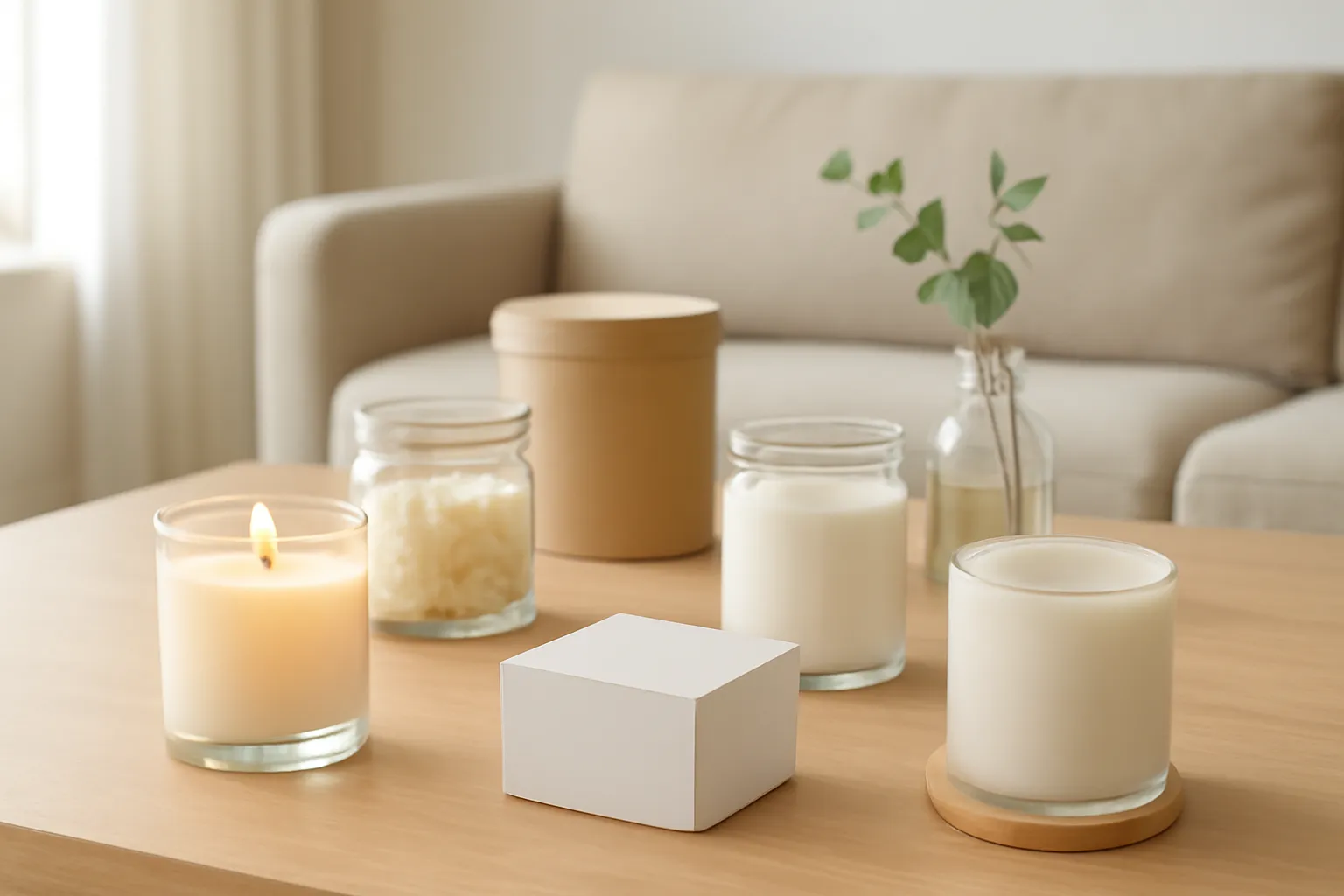
The type of wax used in a scented candle can influence both its performance and potential health effects. Paraffin wax, the most common candle base, is a byproduct of petroleum refining. When burned, paraffin can release small amounts of volatile organic compounds (VOCs) such as toluene and benzene. Some studies have suggested that, in poorly ventilated spaces, these emissions could contribute to indoor air pollution. However, most reputable sources, including the U.S. Consumer Product Safety Commission (CPSC), state that the levels produced by occasional candle use are generally considered too low to pose significant health risks for most people.
Soy and beeswax candles are popular alternatives, often marketed as more natural or eco-friendly. Soy wax is derived from soybeans, while beeswax comes from honeycomb. Both tend to burn cleaner than paraffin, producing less soot and fewer VOCs. However, it’s important to note that any wax, when burned, will emit some byproducts. The real difference comes down to the amount and your exposure. For those with allergies or sensitivities, choosing unscented or lightly scented soy or beeswax candles may offer a gentler option. Always check for reputable sourcing and avoid candles with added dyes or unknown blends if you’re concerned about ingredients.
Fragrances and Additives: What’s Really in Your Candle?
Fragrance is what sets scented candles apart, but it’s also the ingredient most often questioned in discussions around are scented candles toxic. Candle fragrances are typically made from a blend of natural essential oils and synthetic aroma compounds. While essential oils sound safer, even natural ingredients can trigger sensitivities or allergic reactions in some individuals. Synthetic fragrances, meanwhile, are sometimes associated with phthalates or other potentially harmful chemicals, but many manufacturers now offer phthalate-free options.
When considering scented candles health, look for brands that disclose their fragrance ingredients and avoid those with vague terms like “fragrance” or “parfum” without further detail. If you’re sensitive to scent, opt for candles labeled as hypoallergenic or formulated without known irritants. Remember that burning any fragrance in a confined space can increase exposure. For safer use, burn candles in well-ventilated rooms and limit the number of candles lit at once. As always, consult reputable sources such as the American Lung Association or Environmental Protection Agency for up-to-date guidance on indoor air quality.
The Role of Wicks: Cotton, Wood, and Metal Cores
It’s easy to overlook the candle wick, but it plays a crucial role in how cleanly a candle burns. Traditional wicks are made from braided cotton, but some may contain metal cores to help them stand upright. In the past, lead-core wicks were a concern, as burning them could release lead particles into the air. The U.S. banned lead wicks in 2003, and most reputable brands now use cotton or paper-cored wicks, which are considered safe for home use.
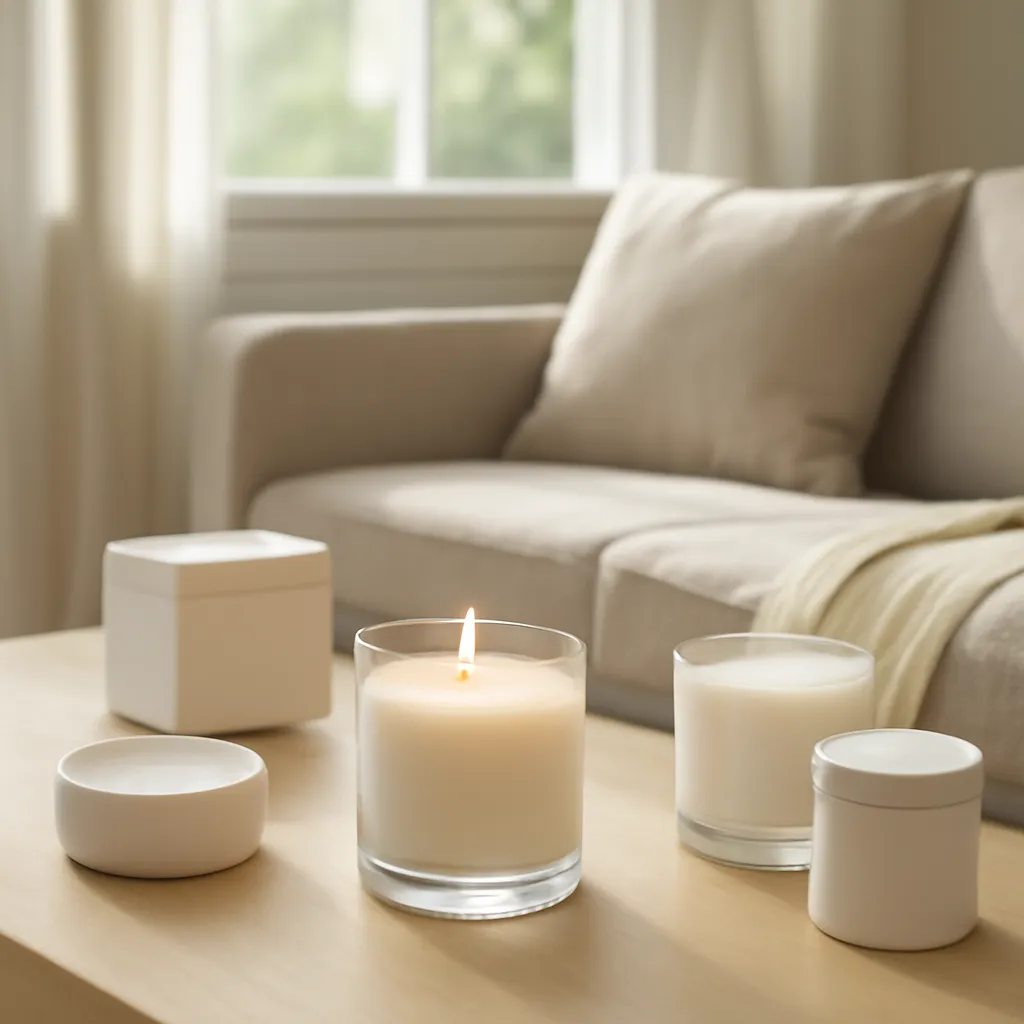
Wooden wicks offer a modern, crackling effect and are generally made from untreated wood. They burn differently than cotton and may produce more soot if not trimmed properly. Regardless of wick type, always trim the wick to 1/4 inch before each use. This helps minimize soot and ensures a steady, even burn. If you notice a mushroom-shaped tip on your wick or excessive flickering, extinguish the candle, trim the wick, and relight. Proper wick care is a simple step that can make a big difference in reducing emissions and supporting better scented candles health.
Soot, Smoke, and Indoor Air Quality: What Does the Science Say?
One of the main concerns behind the question “are scented candles bad for you” is the production of soot and smoke. Soot is a fine black powder composed mainly of carbon, and it can be released if a candle burns inefficiently—such as when the wick is too long, the wax pool is contaminated, or the candle is placed in a draft. Soot can settle on walls and furniture and, in high quantities, may contribute to respiratory irritation, especially for those with asthma or allergies.
Most studies indicate that, for the average person, occasional candle use in a well-ventilated space does not significantly impact indoor air quality. However, burning multiple candles for extended periods or in small, unventilated rooms can increase particulate matter in the air. To minimize risk, ensure windows are open or use an exhaust fan. Place candles away from drafts and always follow manufacturer instructions. If you notice visible smoke or soot, extinguish the candle and check the wick length and wax level before relighting. Remember, moderation and proper use are key to maintaining a healthy environment.
Ventilation Matters: How to Burn Candles Safely
Proper ventilation is one of the most effective ways to reduce any potential risks associated with scented candles health. Burning candles in a closed room can allow pollutants and fragrance compounds to accumulate, especially if you’re lighting several at once. Opening a window or using a fan helps disperse emissions and keeps air fresh. If you’re hosting a gathering or using candles for ambiance, consider placing them near open windows or in larger rooms where air circulation is better.
Session length also matters. Experts recommend limiting candle burning to one to two hours at a time, particularly in smaller or less ventilated spaces. Allow the room to air out after extinguishing candles, and avoid relighting until the air feels fresh. For those with respiratory conditions or fragrance sensitivities, these steps are especially important. Always keep candles out of reach of children and pets, and never leave burning candles unattended. With mindful use and good ventilation, you can enjoy the benefits of candles with minimal impact on indoor air quality.
Fragrance Sensitivity and Allergies: Who Should Be Cautious?
While most people can enjoy scented candles without issues, some individuals may experience fragrance sensitivity or allergic reactions. Symptoms can include headaches, sneezing, watery eyes, or respiratory discomfort. Those with asthma, chronic respiratory conditions, or known chemical sensitivities should take extra care. Even candles labeled as “natural” or “organic” can trigger symptoms, as essential oils and plant extracts are common allergens.
If you or someone in your household is sensitive, choose unscented candles or those with minimal, clearly labeled ingredients. Test a new candle in a small, well-ventilated area before using it throughout your home. Consider alternatives such as wax melts or diffusers, which may release fewer airborne particles. Remember, individual responses can vary widely, so listen to your body and consult your healthcare provider if you experience persistent symptoms. When in doubt, prioritize air quality and comfort over fragrance intensity.
Distinguishing Evidence from Marketing Claims
The world of scented candles is filled with marketing language touting “non-toxic,” “clean-burning,” or “all-natural” products. However, these terms are not always regulated and can be misleading. When evaluating whether are scented candles toxic, look for brands that provide transparency about their ingredients and manufacturing processes. Third-party certifications, such as those from the International Fragrance Association (IFRA) or the National Candle Association (NCA), can offer additional peace of mind, but are not a guarantee of absolute safety.
Be wary of exaggerated claims that suggest any candle is completely free of emissions or health risks. All combustion, including candle burning, produces some byproducts. The key is understanding the actual risk, which for most people is low with moderate, responsible use. Seek out reputable sources for health information, such as the CPSC, EPA, or American Lung Association, and avoid relying solely on marketing materials or anecdotal reports. If you’re looking for safer options, explore the soy candle collection from trusted retailers who prioritize ingredient transparency and customer education.
Safer Candle Use: Practical Checklist for Every Home
If you love the ambiance of scented candles but want to minimize any risks, follow this straightforward checklist for safer use:
- Choose candles made from soy, beeswax, or other natural waxes with cotton or paper wicks.
- Look for brands that disclose fragrance ingredients and avoid candles with vague labeling.
- Always trim the wick to 1/4 inch before lighting to reduce soot and smoke.
- Burn candles in well-ventilated rooms. Open a window or use a fan to disperse emissions.
- Limit burn sessions to one or two hours at a time, especially in smaller spaces.
- Keep candles away from drafts, vents, and anything flammable.
- Never leave a burning candle unattended or within reach of children and pets.
- If you notice irritation or symptoms, discontinue use and consult a healthcare provider.
- Consider alternatives like home fragrance diffusers or wax melts if you have sensitivities.
Following these steps can help you enjoy your favorite scents while protecting your indoor air quality and well-being.
Conclusion: Creating a Cozy, Safe Home with TadaVN Candles
In summary, the answer to “are scented candles bad for you” depends on how they’re made and how you use them. Most evidence suggests that moderate, responsible use of high-quality candles in well-ventilated spaces poses little risk for the average person. By choosing candles with transparent ingredients, practicing good ventilation, and being mindful of sensitivities, you can enjoy the warmth and comfort candles bring to your home.
At TadaVN Candles, we believe that a cozy atmosphere starts with thoughtful details. Our collection is crafted with care, focusing on quality ingredients and safety for every household. Explore our selection at TadaVN Candles to find the perfect candle for your sanctuary—and light up your home with confidence and peace of mind.