



Choosing the right scented oils for candle making can be both exciting and overwhelming, especially if you’re just starting your journey into the world of homemade candles. With a dazzling array of scents for candle making available, it’s tempting to grab whatever smells best and start pouring. However, not all fragrance oils are created equal, and making the wrong choice can lead to disappointing results or even unsafe candles. Understanding the basics of compatibility, safety, and performance will help you create candles that are not only beautifully fragranced but also reliable and enjoyable to use.
In this beginner’s guide, we’ll walk you through the essential steps to selecting and using candle making scents that are truly compatible with your wax, wicks, and intended use. We’ll clear up common misconceptions about flash points, explain why not all oils are suitable for candles, and help you decode supplier documentation like IFRA certificates and recommended usage rates. By the end, you’ll feel confident in your ability to choose the right scented oils for candle making, avoid common mistakes, and enjoy the creative process safely and successfully.
Understanding Compatibility: Why Not All Fragrance Oils Work for Candles
One of the most important lessons for new candle makers is that not every fragrance oil is suitable for use in candles. Scented oils for candle making must be specifically formulated and tested for safe burning in wax. Using the wrong type—such as perfume oils, essential oils not intended for candles, or cosmetic-grade fragrances—can result in poor scent throw, smoking, sooting, or even hazardous emissions. The chemistry of candle making scents is complex; compatibility depends on how the oil interacts with the wax, the wick, and the combustion process.
To ensure you’re choosing the right product, always look for oils labeled as “candle-safe” or “fragrance oil for candles.” Reputable suppliers will provide clear documentation stating the intended use of each oil. If you’re shopping online, check product descriptions and technical sheets for confirmation. Avoid using perfume or diffuser oils unless the supplier specifically certifies them for candle use. These products may contain additives or alcohols that can destabilize your candle or produce undesirable smoke and odors when burned.
It’s also wise to start with a small batch when trying a new fragrance. This allows you to observe how the oil behaves in your chosen wax and wick combination. If you notice separation, cloudiness, or unusual burning characteristics, the oil may not be compatible. By prioritizing candle making scents designed for your craft, you’ll enjoy more consistent results and a safer, more pleasant candle experience.
Deciphering Flash Points and Safety: Myths and Realities
Many beginners worry about the flash point of scented oils for candle making, often misunderstanding what this number truly means. The flash point is the temperature at which an oil’s vapors can ignite if exposed to an open flame. However, this does not mean that oils with a lower flash point are unsafe for candles. In fact, during typical candle burning, the fragrance oil is embedded in wax and not exposed to direct flame in the same way as a volatile liquid would be.
The real concern with flash points arises during the candle making process, especially when adding fragrance to melted wax. If you add a fragrance oil to wax that is too hot—above the oil’s flash point—some of the more delicate scent molecules may evaporate, leading to a weaker cold and hot throw. This is why suppliers recommend adding fragrance oils at a lower temperature, often between 170°F and 185°F, depending on your wax type. Always check the supplier’s guidelines and never heat your wax above the recommended range.
It’s important to note that flash point does not indicate whether an oil is safe to burn in a candle. Safety comes down to proper formulation, correct usage rates, and following the supplier’s intended applications. If you’re ever unsure, consult the oil’s Safety Data Sheet (SDS) or reach out to your supplier for clarification. This careful approach will help you avoid common mistakes and ensure your candle making scents perform beautifully.
Reading Supplier Documentation: IFRA Certificates and Usage Rates
Supplier documentation can seem intimidating for new candle makers, but learning to read IFRA certificates and recommended usage rates is essential for choosing safe and effective scents for candle making. The International Fragrance Association (IFRA) sets industry standards for the safe use of fragrance materials in various applications, including candles. Each IFRA certificate lists maximum recommended concentrations for different product types, such as candles, lotions, or soaps.
When selecting scented oils for candle making, find the section of the IFRA certificate that corresponds to “Category 12” (candles and air fresheners). This category will show you the maximum percentage of fragrance oil that can be safely used in your wax. Exceeding this limit can result in poor burning, excessive soot, or even regulatory non-compliance. It’s always best to stay within the supplier’s recommended range, which is often between 6% and 10% by weight of wax, but may vary depending on the oil and wax type.
In addition to IFRA guidance, reputable suppliers provide technical data sheets with details on scent notes, compatible waxes, and ideal usage rates. Take the time to review these documents before purchasing or using a new oil. If you have questions about a particular fragrance, don’t hesitate to contact the supplier for clarification. Ensuring your candle making scents are used within safe parameters will help you create high-quality, reliable candles every time.
Weighing and Measuring: Precision Matters for Performance
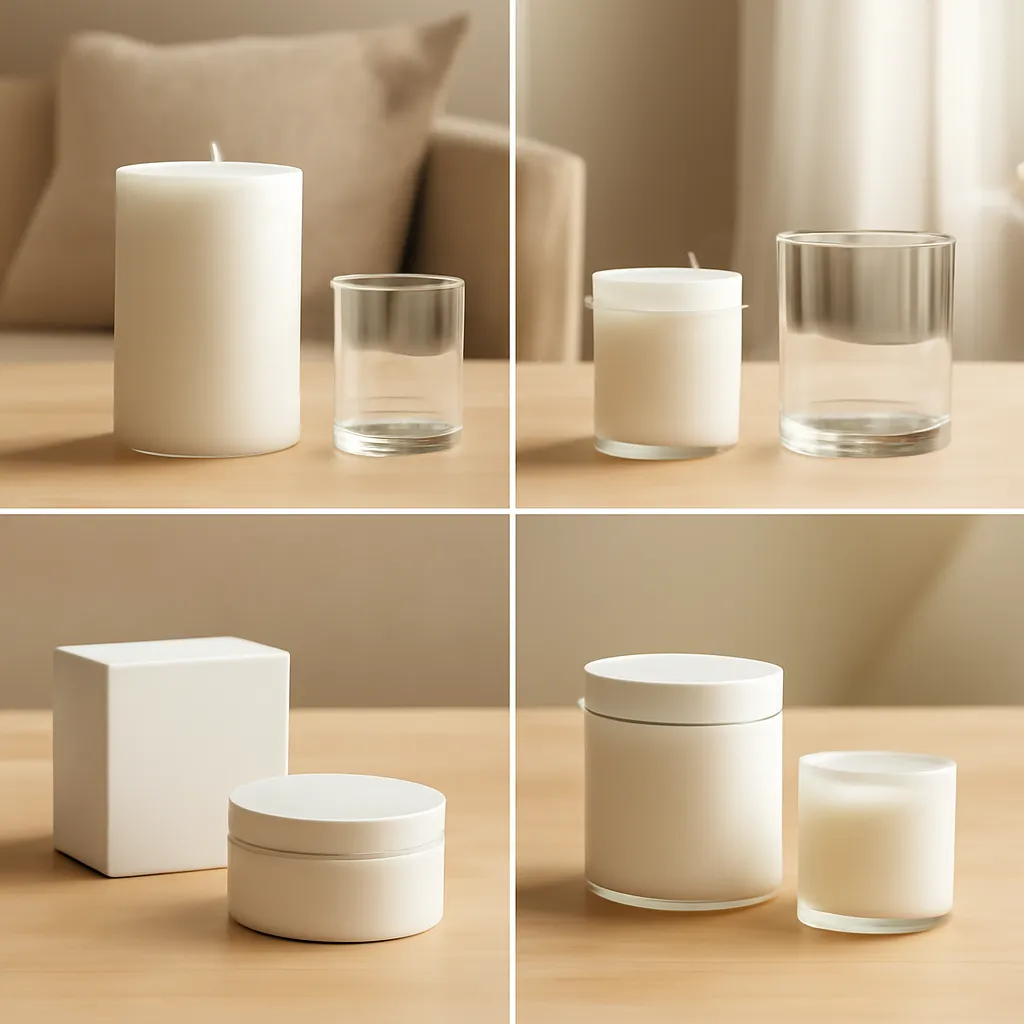
Accurate weighing and measuring of scented oils for candle making is crucial for both safety and scent performance. Eyeballing or guessing your fragrance load can lead to weak-smelling candles or, conversely, candles that sweat, leak, or burn poorly due to excess oil. Always use a digital scale with at least 0.1-gram precision to weigh both your wax and fragrance oil. This level of accuracy ensures your candles remain within the recommended usage rates provided by your supplier and IFRA guidelines.
To calculate how much fragrance oil to use, multiply the total weight of your wax by the desired fragrance load percentage. For example, for a 10% fragrance load in 500 grams of wax, you would use 50 grams of oil. Add the measured oil to your melted wax at the optimal temperature, stirring gently but thoroughly for at least two minutes to ensure even distribution. This careful process helps the candle making scents bind fully with the wax, resulting in better scent throw and overall performance.
Label each batch with details such as the fragrance name, load percentage, wax type, and pour date. Keeping detailed records allows you to replicate successful batches and troubleshoot any issues that arise. Investing in proper weighing and documentation tools will pay off in the consistency and quality of your finished candles.
Testing and Curing: The Key to Reliable Results
Testing is an essential step when working with new scents for candle making. Even when using high-quality, candle-safe oils, the way a fragrance interacts with your specific wax, wick, and vessel can vary. After pouring your candles, allow them to cure for at least one to two weeks before evaluating their scent throw and burn quality. Curing allows the scented oils for candle making to fully bind with the wax, resulting in a stronger, more balanced aroma.
Once cured, conduct a burn test by lighting the candle in a controlled environment. Observe the flame, check for smoking or tunneling, and evaluate both the cold and hot scent throw. Take notes on performance, and compare results with your documentation. If the candle burns cleanly and the fragrance is strong but not overpowering, you’ve likely found a compatible combination. If not, adjust your process—try a different wick, tweak the fragrance load, or experiment with another wax type.
Remember that patience is key. Testing and refining your process will help you avoid common mistakes and achieve consistently excellent results. Don’t be discouraged by early setbacks; each test brings you closer to mastering the art of candle making scents.

Avoiding Common Mistakes: Perfume Oils, Overdosing, and More
Many beginners make the mistake of using perfume oils or essential oils not intended for candles. These products may contain alcohol or other additives that can destabilize your wax or create safety issues when burned. Always select scented oils for candle making from reputable suppliers who clearly state their products are candle-safe. Avoid the temptation to use leftover perfume or body oils, as these are rarely tested for combustion safety.
Another common error is adding too much fragrance oil in hopes of achieving a stronger scent. Overdosing can cause your candles to sweat, leak, or even fail to set properly. Worse, excess oil can clog the wick, leading to poor burning or increased soot. Stick to the recommended usage rates—typically between 6% and 10% by weight of wax—and always consult IFRA and supplier guidance. If you desire a stronger scent, consider optimizing your wick, vessel size, or wax blend instead of simply adding more oil.
Finally, don’t neglect proper mixing and curing. Incomplete blending or insufficient curing time can result in uneven scent distribution and disappointing performance. By following best practices and learning from common mistakes, you’ll set yourself up for candle making success.
Checklist: Steps to Choosing and Using Candle Making Scents Safely
- Confirm the oil is labeled as candle-safe and check supplier documentation.
- Review the IFRA certificate for maximum usage rate (Category 12 for candles).
- Weigh wax and fragrance oil accurately using a digital scale.
- Add fragrance oil at the recommended wax temperature (usually 170–185°F).
- Mix thoroughly for at least two minutes to ensure even scent distribution.
- Label each batch with fragrance name, load percentage, and pour date.
- Allow candles to cure for one to two weeks before testing.
- Conduct a burn test and document performance.
- Adjust process based on results and supplier feedback.
Following this checklist will help you avoid the most common pitfalls and ensure your scented oils for candle making are used safely and effectively. Keep your workspace organized and invest in quality tools for best results.
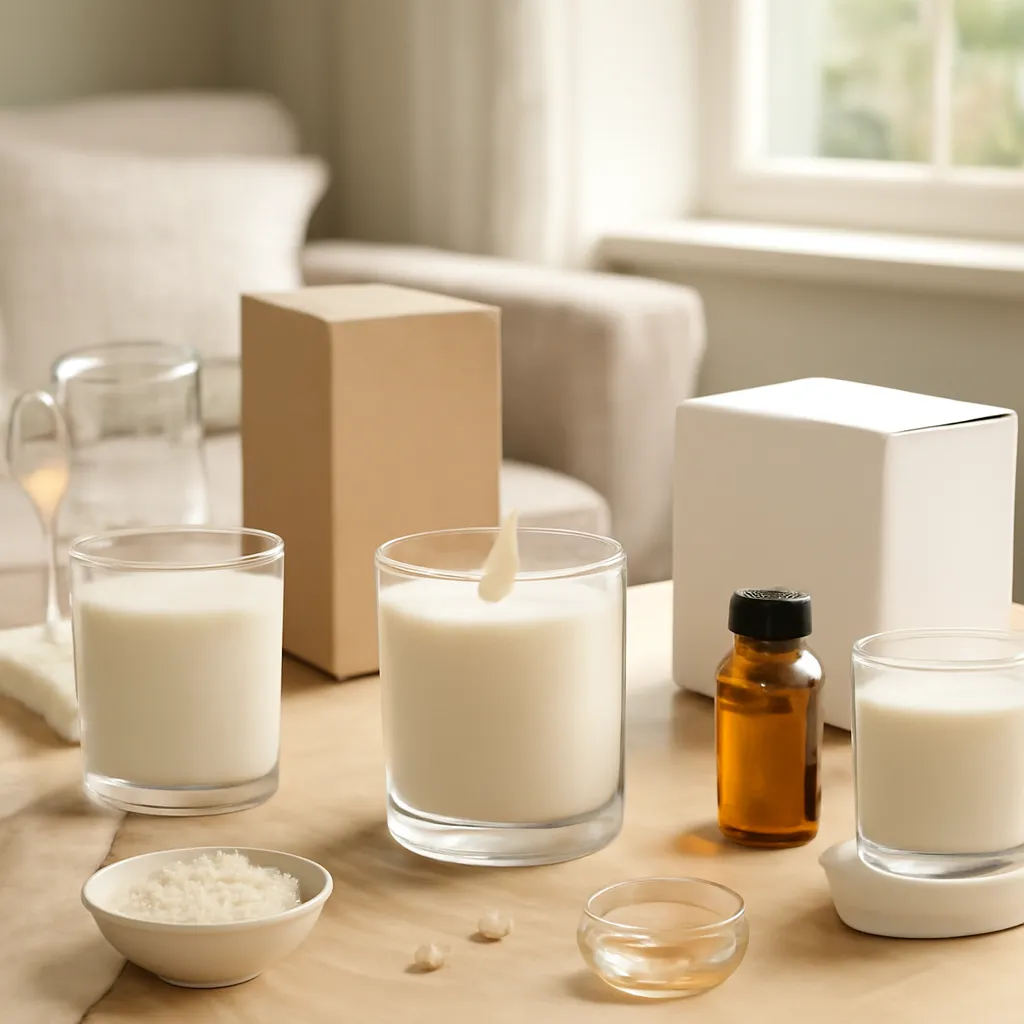
Enhancing Your Candle Experience: Scent Layering and Seasonal Blends
Once you master the basics, you can begin experimenting with layering different scents for candle making to create unique blends. Combining complementary fragrance oils—such as vanilla and sandalwood, or citrus and herbal notes—can add complexity and depth to your candles. Start with small test batches, noting the ratios and results, and keep detailed records so you can replicate your favorite formulas.
Seasonal blends are a popular way to keep your candle collection fresh and exciting. In spring, try light florals like jasmine or lilac; for fall, experiment with warm spices like cinnamon and clove. During the holidays, blends featuring pine, cranberry, or gingerbread can evoke festive memories. Always ensure that each component in your blend is candle-safe and that the total fragrance load does not exceed the recommended maximum for your wax.
If you’re looking for inspiration or ready-made options, explore the soy candle collection at TadaVN Candles. Their curated selection offers a variety of expertly blended candle making scents perfect for every season and mood.
Maintaining a Safe and Enjoyable Candle Making Practice
Safety should always be your top priority when working with scented oils for candle making. Store fragrance oils in a cool, dark place, away from children and pets. Wear gloves and work in a well-ventilated area to minimize skin contact and inhalation of concentrated oils. Clean up spills promptly, and dispose of waste materials responsibly.
Keep your workspace organized with dedicated containers for wax, wicks, oils, and tools. Label all ingredients clearly, and never reuse containers that held incompatible materials. Regularly review supplier updates and industry best practices to stay informed about new developments in candle making scents and safety guidelines.
By maintaining a disciplined, safety-focused approach, you’ll enjoy the creative process and produce candles that are both beautiful and reliable. Remember, the journey is as rewarding as the finished product—take the time to learn, experiment, and savor each step along the way.
Conclusion: Complete Your Cozy Home with TadaVN Candles
Crafting candles with the right scented oils for candle making is a deeply satisfying way to personalize your space and create a warm, inviting atmosphere. By choosing compatible fragrance oils, following supplier guidance, and taking a thoughtful, safety-first approach, you’ll enjoy candles that not only smell wonderful but also burn cleanly and reliably. Whether you’re making gifts for loved ones or adding a special touch to your own home, the joy of hand-poured candles is truly unmatched.
At TadaVN Candles, we believe that the perfect candle completes any cozy home. Explore our home fragrance collection for inspiration, expert tips, and premium candle making scents to elevate your craft and your living space.