


Learning how to layer fragrances for a unique scented candle is both an art and a science. The process goes far beyond simply mixing pleasant aromas together. Instead, it requires a thoughtful approach to combining scents so that each note shines without overwhelming the others. Whether you’re crafting a custom candle or curating a home fragrance experience across multiple rooms, understanding the principles of fragrance layering ensures your space feels inviting, harmonious, and truly personal.
In the world of scented candles perfume, layering is about more than pouring several oils into one vessel. It involves a careful balance of dominant and supporting notes, intensity control, and even the thoughtful placement of candles throughout your home. This guide will walk you through the essentials of how to layer candle scents, from the basics of scent composition to advanced techniques for scent flow between spaces. By the end, you’ll have the confidence to create bespoke fragrance blends that are never muddled, always memorable, and perfectly suited to your lifestyle.
Understanding the Difference: Blending in One Candle vs. Layering Across Spaces
Before diving into the details of how to layer fragrances for a unique scented candle, it’s crucial to distinguish between blending multiple fragrances into a single candle and layering scents across several products or rooms. When you blend in one candle, all fragrance notes are fused during the wax-melting and pouring process. This method demands precise formulation, as some notes may overpower others or fade after burning. The goal is a seamless, unified scent profile that unfolds as the candle burns.
Layering candle scents across different products or rooms, on the other hand, allows for more creative flexibility. You might light a vibrant citrus candle in the entryway, a floral blend in the living room, and a grounding woodsy scent in the bedroom. This approach creates a journey for the senses as you move through your home, with each space telling its own story. Unlike blending, layering across spaces lets you adjust intensity and switch combinations easily, preventing scent fatigue or confusion.
Both methods have their place in home fragrance. Blending is ideal when you desire a consistent, signature aroma, while layering across rooms offers dynamic variety and a tailored experience. Understanding these differences ensures you choose the right technique for your goals and avoid the common mistake of muddling scents by overmixing or misplacing candles.
Mastering Dominant and Supporting Notes
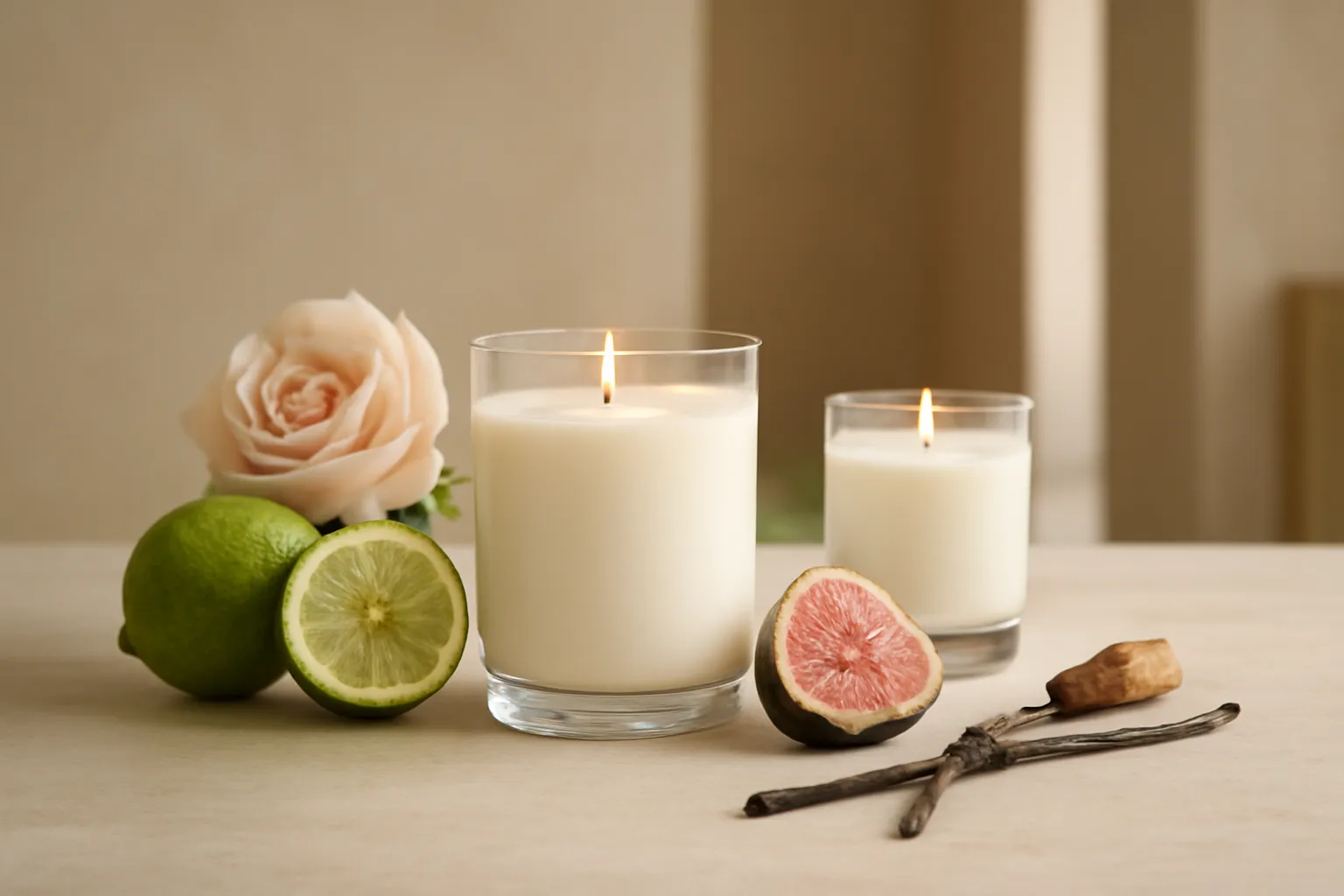
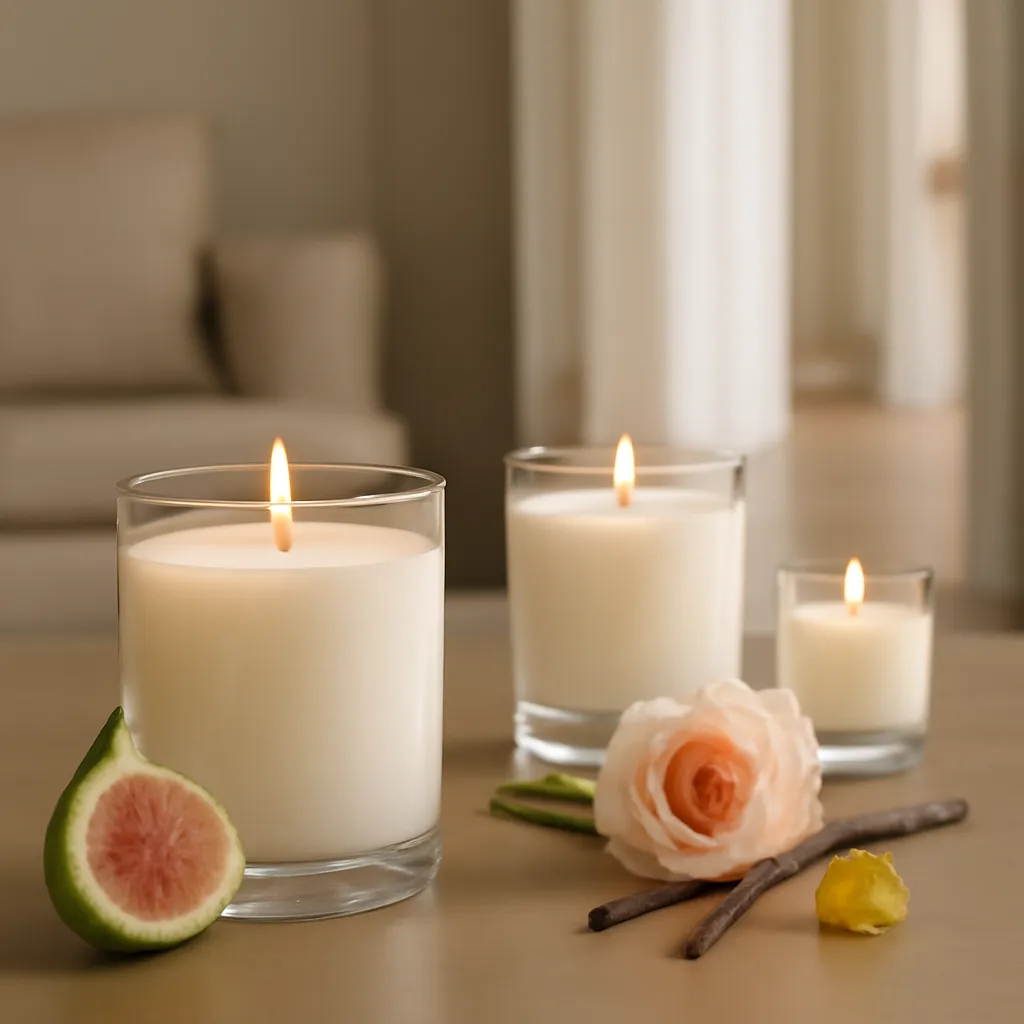
The secret to how to layer candle scents effectively lies in the balance of dominant and supporting fragrance notes. A dominant note is the star of your blend—think of it as the scent that first greets you when you enter a room. Supporting notes add depth, complexity, and subtlety, enhancing the dominant aroma without competing for attention. For example, if you love the freshness of bergamot, make it your lead note and complement it with softer undertones like fig or rose.
When creating a layered candle or a multi-candle arrangement, start by choosing your dominant fragrance. This could be a bright citrus, a lush floral, or a comforting gourmand. Next, select one or two supporting notes that naturally harmonize with your lead scent. For instance, pairing cedarwood with vanilla can ground a floral or fruity dominant note, lending warmth and longevity to the overall experience. The key is to avoid adding too many competing fragrances, which can result in a confusing blend.
Test combinations by smelling the oils together or burning sample-sized candles in close proximity. Notice how each note interacts over time. If a supporting note begins to overshadow the dominant one, reduce its intensity or swap it for a subtler option. This careful curation ensures your scented candles perfume your space with clarity and character, never chaos.
Choosing and Balancing Intensity
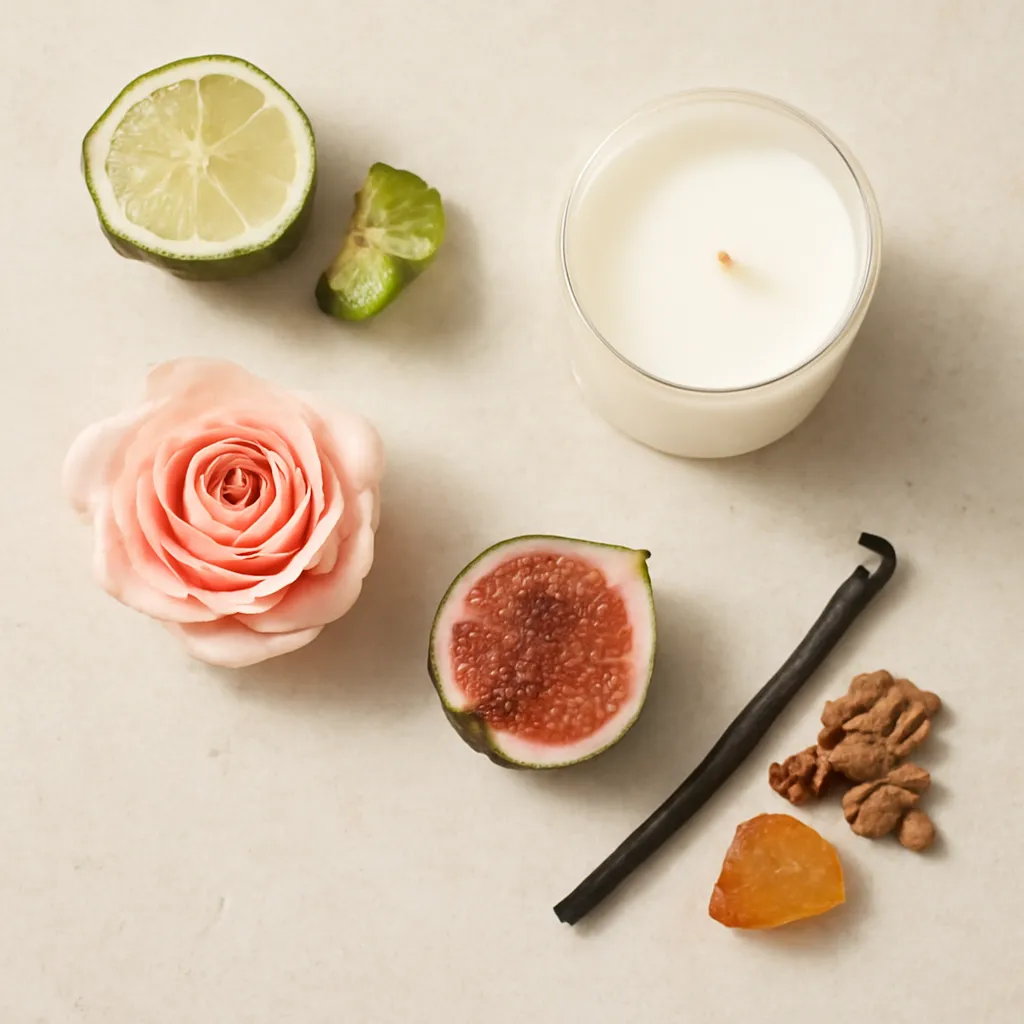
One of the most common pitfalls in how to layer fragrances for a unique scented candle is misjudging intensity. Too much of a strong note can overpower the blend, while too little may leave the fragrance feeling flat. Intensity is affected by both the concentration of fragrance oils and the inherent strength of each note. For example, amber and cedar are naturally bold, while fig or rose tend to be softer and more fleeting.
When layering candle scents, begin with a lighter hand, especially with potent base notes. Build up gradually, testing as you go. In a single candle, limit your formula to three or four notes, with the dominant scent making up the largest proportion. Supporting notes should be present but not overwhelming. If you’re layering across rooms, ensure that the most intense fragrance is placed in the largest or most frequently used space, while subtler scents fill smaller or transitional areas.
Practical steps include creating small test batches or burning two candles simultaneously in adjacent spaces. Observe how the scents interact as air flows between rooms. Adjust intensity by trimming wicks, limiting burn time, or rotating candles to maintain balance. Remember, the goal is a cohesive scent story that evolves naturally, not a jumble of conflicting aromas.
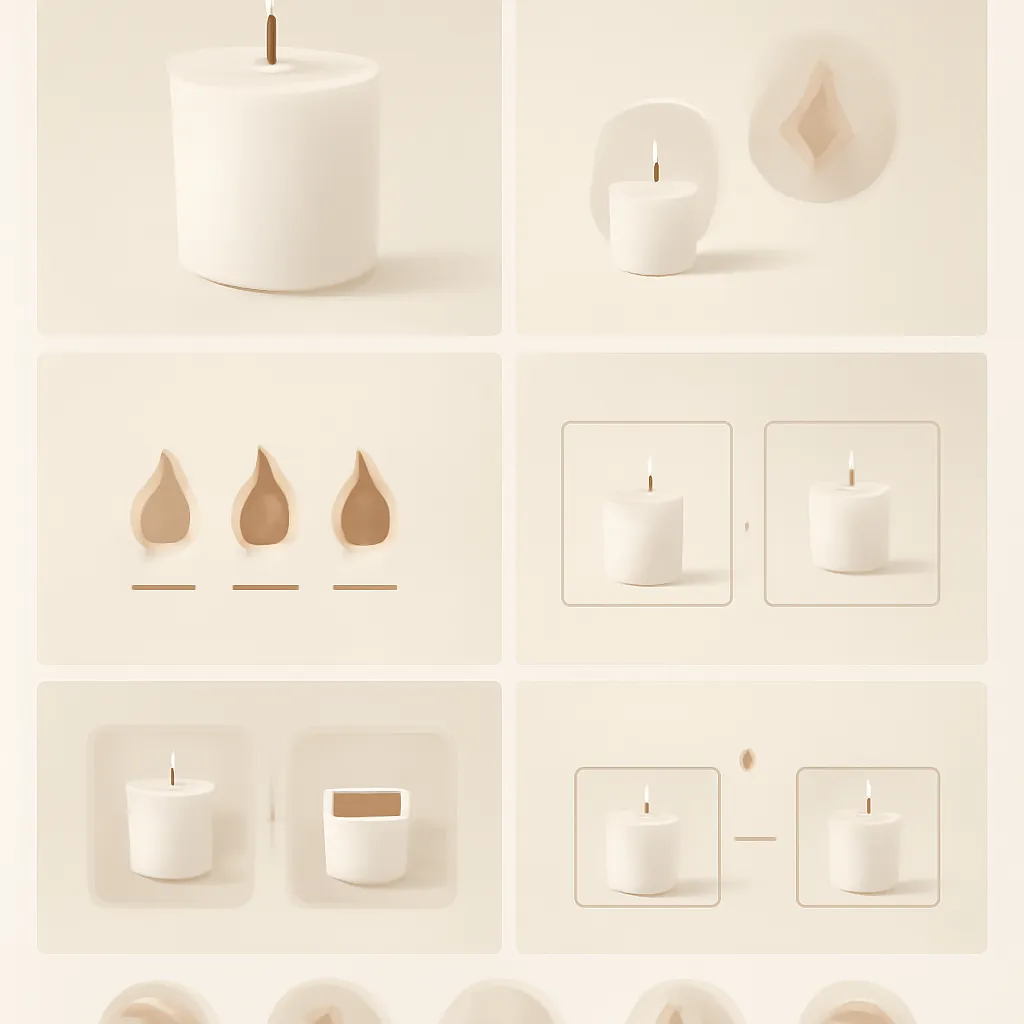
Curating Scent Flow and Movement Through Your Home
Layering fragrance isn’t limited to a single room or product. The most sophisticated scented candles perfume your entire home by guiding scent flow from one space to another. This technique creates a sense of continuity and narrative as you move through different environments. Start by identifying the mood you want to set in each room. For example, choose energizing citrus or herbal notes for the entryway, restful florals for the living room, and cozy woods or vanillas for bedrooms.
Arrange candles so that the dominant scent leads in the main living area, with supporting or complementary notes in adjacent rooms. For instance, a fig and bergamot candle in the living room can be followed by a cedar and vanilla blend in the dining area, creating a seamless transition. Avoid placing two strong, contrasting scents directly beside each other, as this can cause olfactory overload and muddle the overall effect.
To enhance scent flow, consider air movement and open doorways. Scent travels on air currents, so position candles where their aromas can gently mingle without clashing. This approach not only elevates your home’s atmosphere but also allows you to experiment with how to layer candle scents in a way that feels intentional and refined. For more inspiration, explore the home fragrance options at TadaVN Candles.
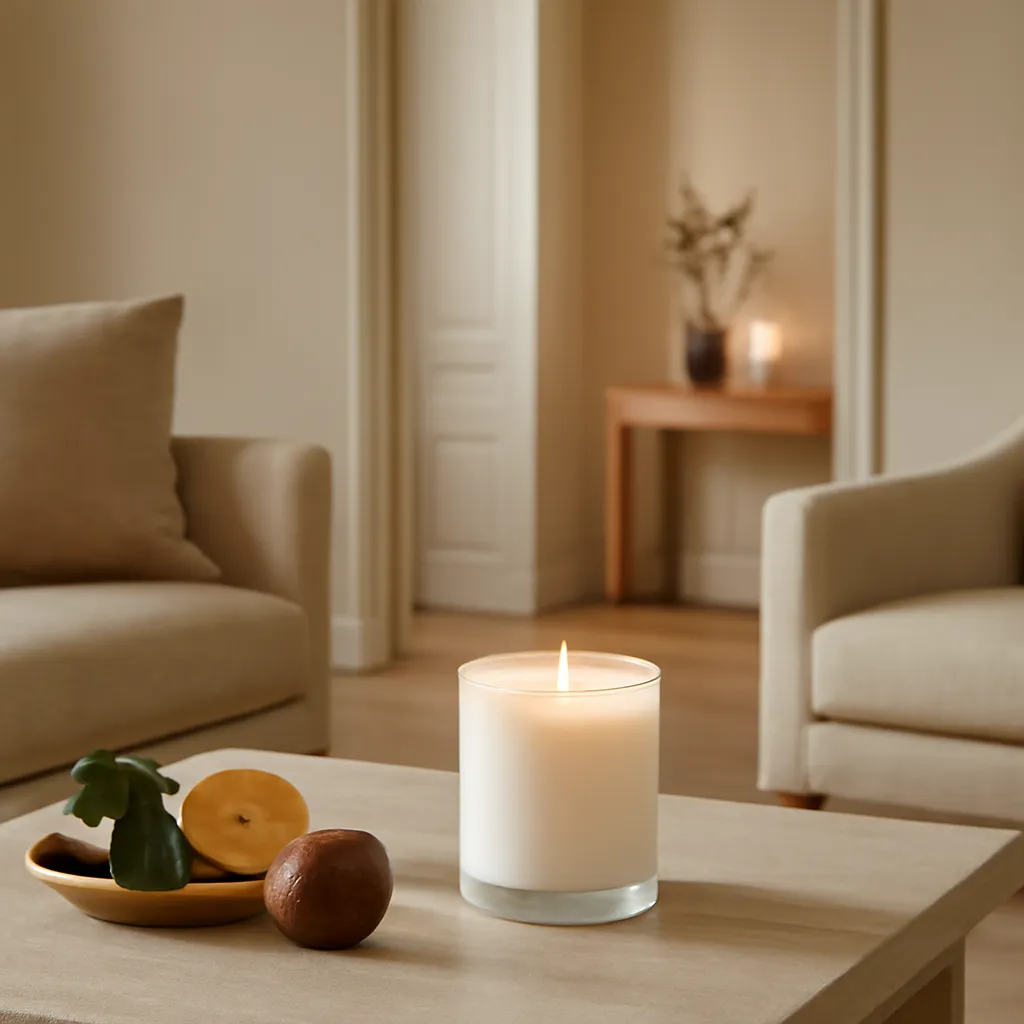
Six Balanced Layering Formulas to Try
Experimenting with tried-and-true fragrance formulas is a great way to learn how to layer fragrances for a unique scented candle. Here are six balanced combinations that showcase the interplay of dominant and supporting notes:
- Bergamot, Fig, Cedar: Bright and green with a woody base, ideal for living rooms.
- Rose, Amber, Vanilla: Soft floral meets warmth, perfect for bedrooms or reading nooks.
- Lemon, Lavender, Sandalwood: Uplifting yet calming, great for entryways or bathrooms.
- Peony, Musk, Tonka Bean: Powdery and subtly sweet, suited for dressing rooms.
- Grapefruit, Jasmine, Patchouli: Zesty and sensual, ideal for entertaining spaces.
- Mandarin, Cardamom, Oak: Spiced citrus with a grounding finish, wonderful for kitchens.
For each formula, start by identifying your dominant note and adjust the supporting scents to taste. Burn a sample or use wax melts to test the combination before committing to a full-sized candle. These formulas are just a starting point—feel free to swap ingredients based on your preferences and the season. The key is to keep the blend balanced, so that no single note overwhelms the others. For more ideas, browse the soy candle collection for inspiration.

Testing and Adjusting Your Scent Combinations
No matter how well you plan, the real test of how to layer candle scents comes when you light the wick. Fragrance notes can behave differently when burned, sometimes revealing hidden facets or shifting in intensity. Always test your combinations in the intended space, as factors like room size, ventilation, and other ambient scents can influence the final result.
Start by burning your dominant candle alone for a short period, then introduce the supporting scent in a nearby room or as a second candle. Pay attention to how the aromas interact as they diffuse through the space. If a note feels too strong, trim the wick or limit the burn time. If a scent is too subtle, try repositioning the candle or adding a complementary wax melt from the scented candles perfume range.
Document your results and tweak your formulas as needed. Sometimes, a scent that works beautifully in one room may feel overwhelming in another. Don’t be afraid to adjust ratios or swap supporting notes until you achieve the perfect balance. Testing is an essential part of the creative process, ensuring each layered fragrance feels intentional and inviting.
Common Mistakes to Avoid When Layering Candle Scents
Even experienced fragrance lovers can fall into common traps when learning how to layer fragrances for a unique scented candle. One frequent mistake is combining too many bold notes, resulting in a confusing blend where individual scents become indistinguishable. Stick to three or four well-chosen notes for the best results, and always identify your dominant scent before adding more complexity.
Another pitfall is neglecting the natural intensity of certain fragrance families. Heavy base notes like patchouli or sandalwood can easily overpower lighter florals or fruits if not used sparingly. Pay attention to the balance between top, middle, and base notes, and adjust their proportions accordingly. Remember, subtlety is often more impactful than sheer strength.
Finally, avoid placing candles with clashing profiles in adjacent rooms. For example, a gourmand vanilla candle next to a sharp herbal blend can create sensory confusion. Instead, choose scents with complementary profiles and test their interaction before committing to a multi-room arrangement. This attention to detail ensures your home remains a sanctuary of harmonious fragrance.
Safety, Ingredients, and Sourcing: A Thoughtful Approach
When exploring how to layer candle scents, it’s important to be mindful of ingredient quality and safety. Not all fragrance oils are created equal—some may contain allergens or compounds that aren’t suitable for sensitive individuals. Always source candles and oils from reputable brands that disclose their ingredients and follow industry guidelines. If you have concerns about specific notes or essential oils, consult reliable resources or your healthcare provider.
Choose soy or coconut wax bases for cleaner burning, and avoid candles with excessive synthetic additives or dyes. When blending at home, work in a well-ventilated area and test small batches before scaling up. If you’re layering across multiple rooms, ensure good airflow to prevent scent buildup or headaches, especially in smaller spaces. Responsible sourcing and thoughtful ingredient selection not only protect your health but also enhance the purity and beauty of your fragrance experience.
For those interested in exploring high-quality options, the scented candles perfume selection at TadaVN Candles features carefully curated blends designed for both safety and sophistication. This attention to detail allows you to enjoy the creative process with confidence and peace of mind.
Conclusion: Completing Your Cozy Home with TadaVN Candles
Mastering how to layer fragrances for a unique scented candle transforms your home into a sanctuary of comfort and style. By understanding the principles of dominant and supporting notes, intensity, and scent flow, you can craft a fragrance story that reflects your personality and enhances every moment. Whether you’re blending in a single vessel or curating a journey through multiple rooms, the right approach ensures your space feels both inviting and unforgettable.
TadaVN Candles is dedicated to helping you achieve this perfect balance. Our thoughtfully crafted collections are designed for easy layering and seamless integration into any home. Explore the full range and discover how TadaVN Candles can help you complete your cozy, beautifully scented sanctuary.