



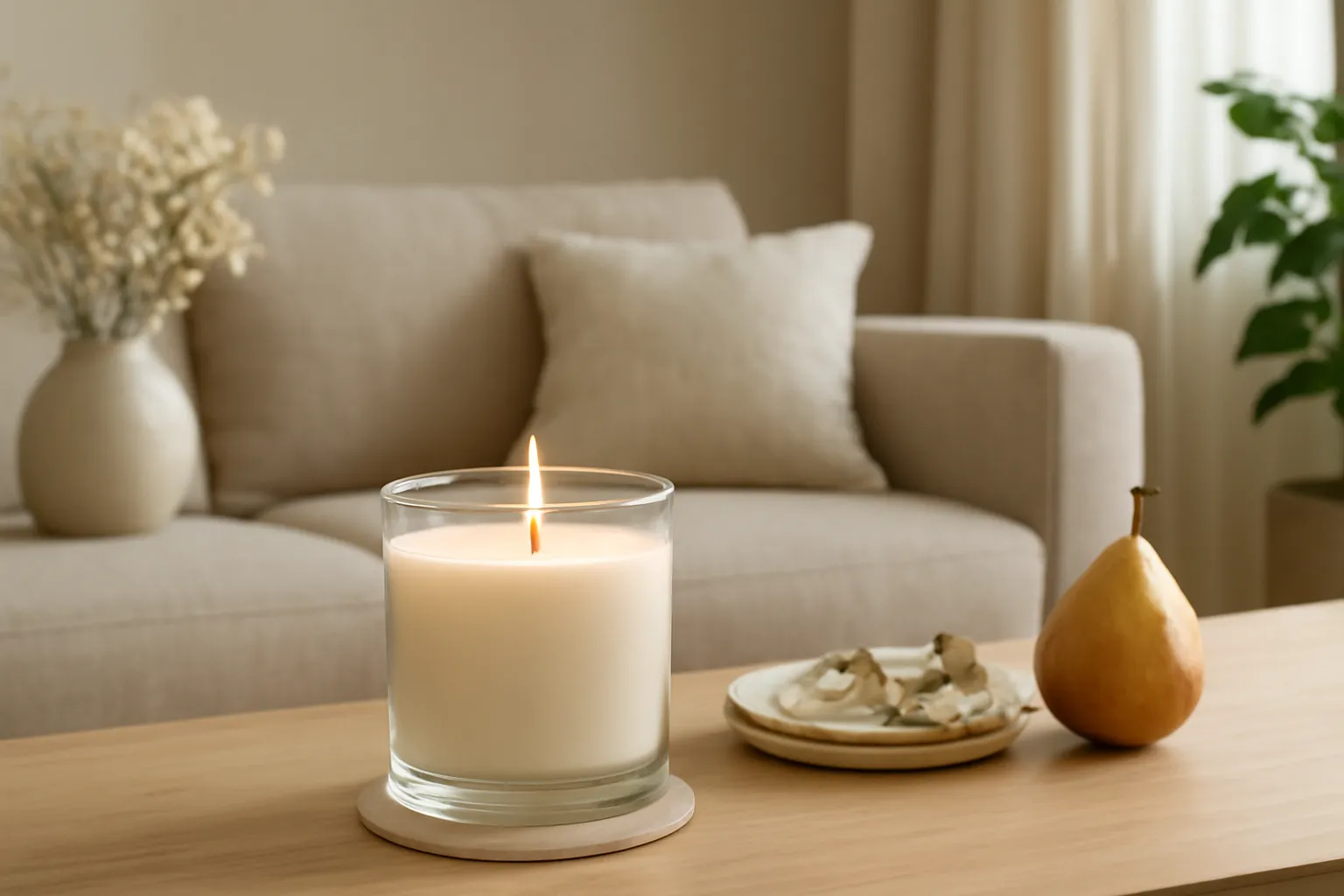
If you’ve ever walked into a room and been instantly enveloped by a beautiful fragrance, only to find that the next candle you try barely makes a difference, you’re not alone. Many candle lovers find themselves asking, why do some candle scents smell stronger than others? The answer lies in a fascinating mix of science, craftsmanship, and the unique environment of your space. Understanding these factors can help you choose the perfect candle for your home and ensure you get the most out of every burn.
In this comprehensive guide, we’ll explore the key reasons behind varying candle fragrance strength. From the difference between cold throw and hot throw, to how your room’s size and ventilation impact the scent, we’ll break down what really matters. We’ll also share practical tips on how to make candles smell stronger, explain the structure of scented candle scents, and help you avoid common mistakes. By the end, you’ll feel confident in selecting and enjoying candles that truly transform your space.
Understanding Cold Throw vs. Hot Throw
When evaluating candle scents, two terms often come up: cold throw and hot throw. Cold throw refers to the scent a candle gives off when it’s unlit. This is what you experience when you open a jar and take a deep breath. Hot throw, on the other hand, is the fragrance released while the candle is burning. Both are important, but it’s the hot throw that determines how well a candle scents your space.
Some candles may have a strong cold throw but disappoint when lit, while others might surprise you with a subtle cold throw and an impressive hot throw. The difference is due to the way fragrance oils interact with wax and heat. High-quality candles are formulated to optimize both cold and hot throw, but wax type, fragrance load, and wick size all play a role. For example, soy wax often delivers a softer, more natural cold throw, while paraffin wax may offer a more immediate hot throw. If you’re seeking a candle that fills a room, always test both before making a decision.
To maximize your candle’s performance, look for brands that disclose their fragrance load (the percentage of fragrance oil in the wax) and test their products for both cold and hot throw. Don’t be afraid to ask questions or read reviews. A well-made candle should offer a pleasant scent even before it’s lit, and truly blossom once the wick is burning. This balance is the secret behind those sought-after, room-filling scented candle scents.
Room Size and Ventilation: The Scent Dispersal Equation
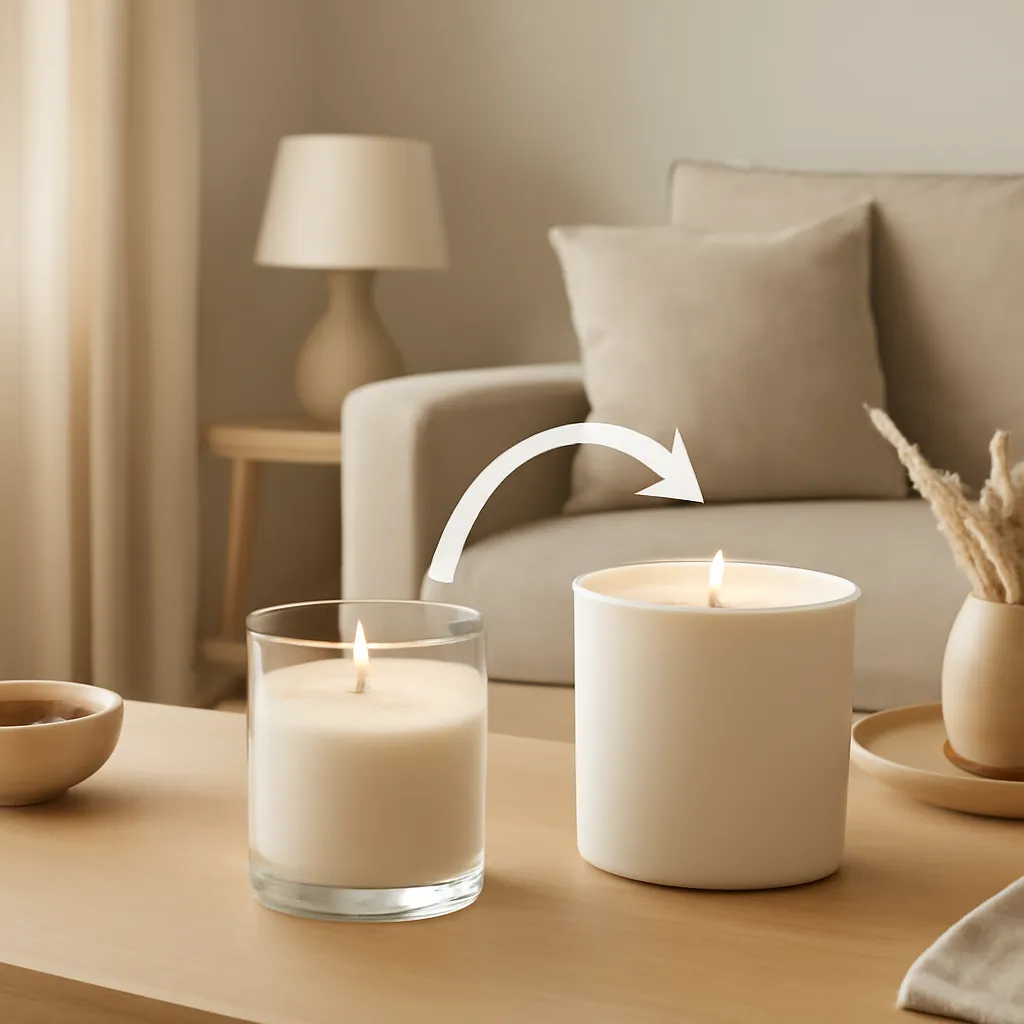
The environment where you burn your candle plays a huge role in how noticeable the fragrance becomes. A small, enclosed room will naturally concentrate scent, making even subtle candle fragrance strength more apparent. In contrast, large open-plan spaces or rooms with high ceilings can dilute the scent, requiring either a stronger candle or multiple candles to achieve the same effect.
Ventilation is another critical factor. If you burn a candle near an open window or in a space with strong air currents, the scent may dissipate quickly before you can enjoy it. On the other hand, a completely closed room with no airflow can cause the scent to become overwhelming or even stale. The key is to strike a balance: gentle air movement helps circulate fragrance without sweeping it away. Try placing your candle in a central location, away from direct drafts, and experiment with doors or windows slightly ajar to keep the air fresh.
For best results, match your candle to your space. Choose more potent scented candle scents—such as spicy, woody, or gourmand notes—for larger rooms, and lighter, floral, or citrus fragrances for smaller spaces. If you’re curious about how to make candles smell stronger in a big room, consider using two candles at opposite ends or supplementing with wax melts from a trusted home fragrance collection.
Wax Temperature and Burn Conditions
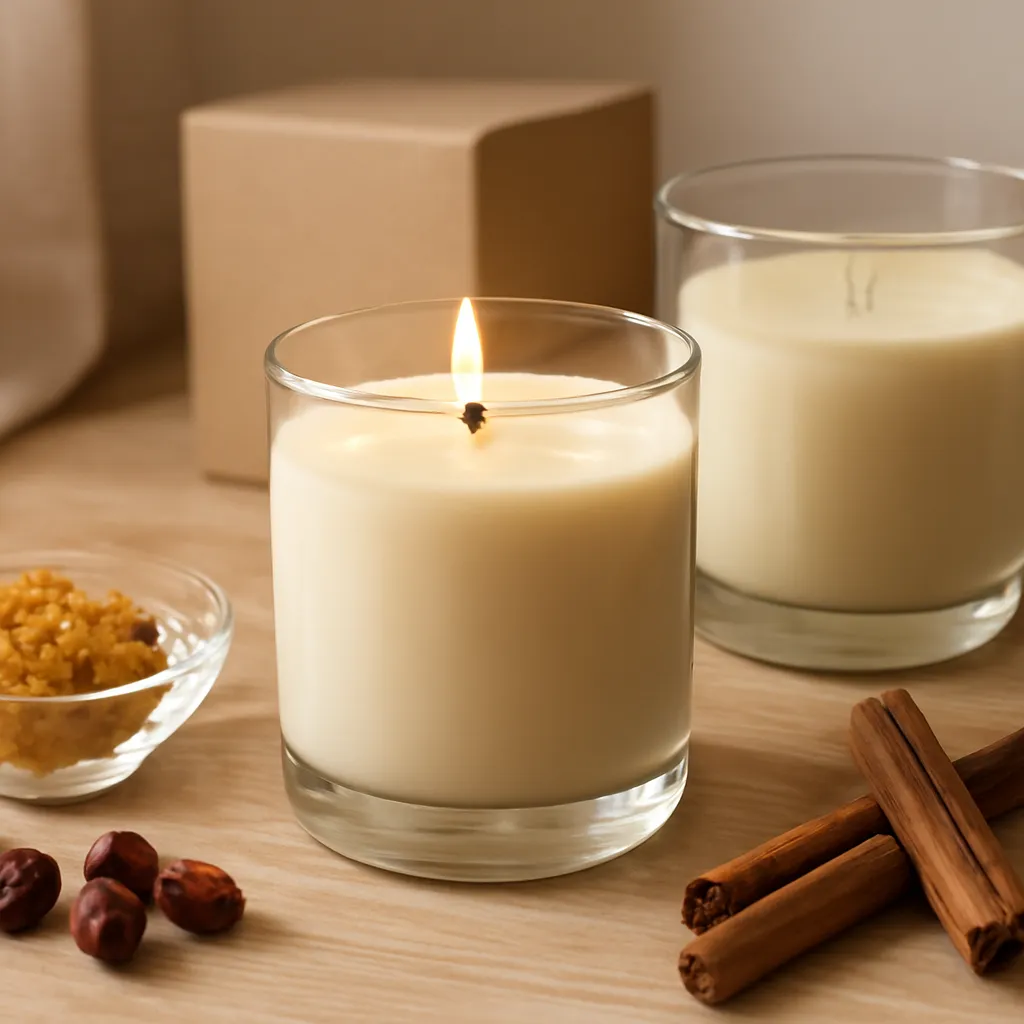
The temperature at which your candle burns affects how fragrance is released. For optimal candle fragrance strength, the wax needs to melt evenly across the entire surface, creating what’s known as a full melt pool. This allows the fragrance oils to vaporize and disperse efficiently. If the wax only melts around the wick, much of the scent stays trapped, resulting in a weaker hot throw.
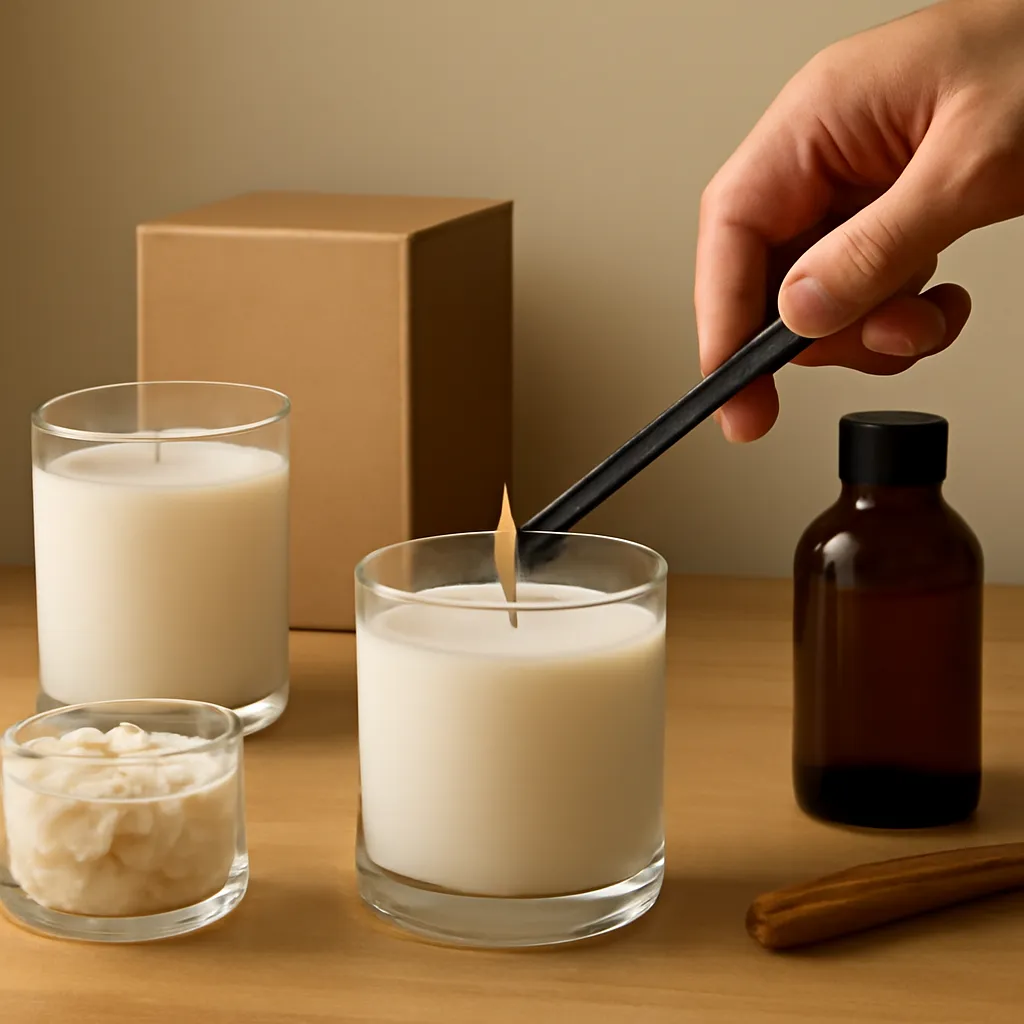
To achieve a full melt pool, allow your candle to burn long enough—usually one hour per inch of diameter—especially on the first burn. Avoid extinguishing the candle too soon, as this can cause tunneling and uneven melting. Always trim the wick to about 1/4 inch before lighting to ensure a clean, steady flame. Wick size and material also matter: a wick that’s too small may not generate enough heat, while one that’s too large can burn too hot and consume fragrance oil too quickly.
Environmental conditions such as room temperature and humidity also play a part. Burning a candle in a cold room can slow the wax melt, while very hot conditions may cause the wax to soften prematurely. For the best results, keep your candle away from direct sunlight, drafts, and air conditioning vents. If you’re looking for scented candles that perform consistently, choose those made with high-quality soy or coconut wax blends, which tend to offer a balanced, even burn.
Nose Fatigue: When Scents Seem to Disappear
Have you ever noticed that a candle’s scent seems to fade after a while, even though others entering the room can still smell it? This phenomenon is known as nose fatigue or olfactory adaptation. When you’re exposed to a particular fragrance for an extended period, your brain starts to tune it out, making the scent seem less noticeable to you.
This doesn’t mean your candle is underperforming. In fact, the fragrance is still there, but your senses have temporarily adjusted. To reset your nose, step outside for a few minutes or smell something neutral, like fresh air or coffee beans. When you return, you’ll likely notice the scent again. Rotating different candle scents throughout the week can also help prevent nose fatigue and keep your space feeling fresh.
If you’re testing several candles or shopping for new scented candle scents, take breaks between sniffs to avoid overwhelming your senses. Remember that nose fatigue is a natural response and not a sign of poor candle fragrance strength. Embrace the ritual of lighting a candle, and savor the evolving experience as the scent develops over time.
Placement Strategies That Improve Perceived Fragrance
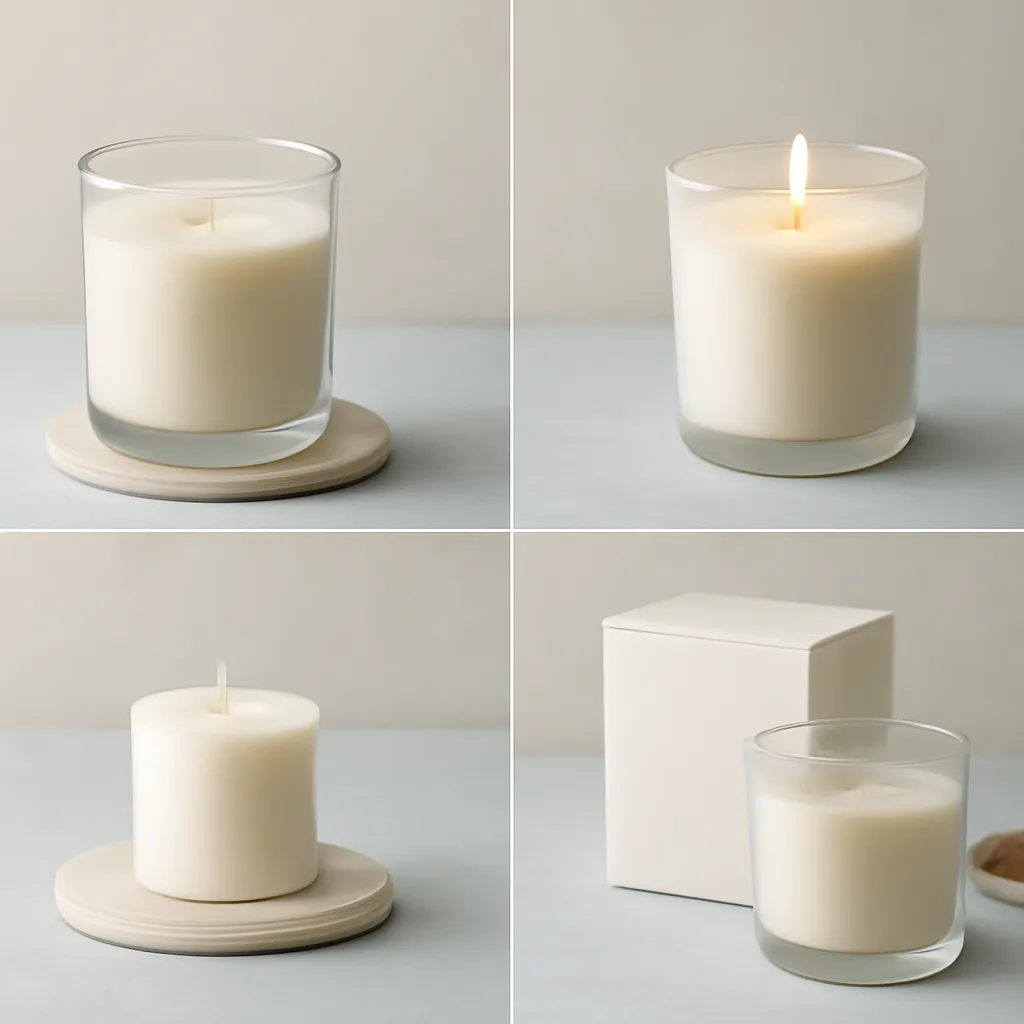
Where you place your candle makes a big difference in how well its scent travels. Positioning your candle in a central spot helps the fragrance disperse evenly throughout the room. Avoid placing candles directly under shelves or in corners, as this can trap the scent and limit its reach. Instead, opt for open surfaces like coffee tables, kitchen islands, or mantelpieces.
If you want to maximize candle fragrance strength, consider the flow of air in your space. Placing your candle near gentle air movement—such as a ceiling fan on low or in the path of natural airflow—can help spread the scent without blowing it away. For larger areas, use multiple candles of the same fragrance or pair a candle with complementary wax melts to create layers of scent. This is a great way to enhance the presence of your favorite soy candle collection throughout your home.
Don’t forget about vertical placement. Scent rises with heat, so placing a candle on a lower surface can help the fragrance disperse more effectively. Experiment with different locations and heights to find what works best for your room. With a little attention to placement, even subtle scented candle scents can feel more pronounced and inviting.
Fragrance Families and Note Structure
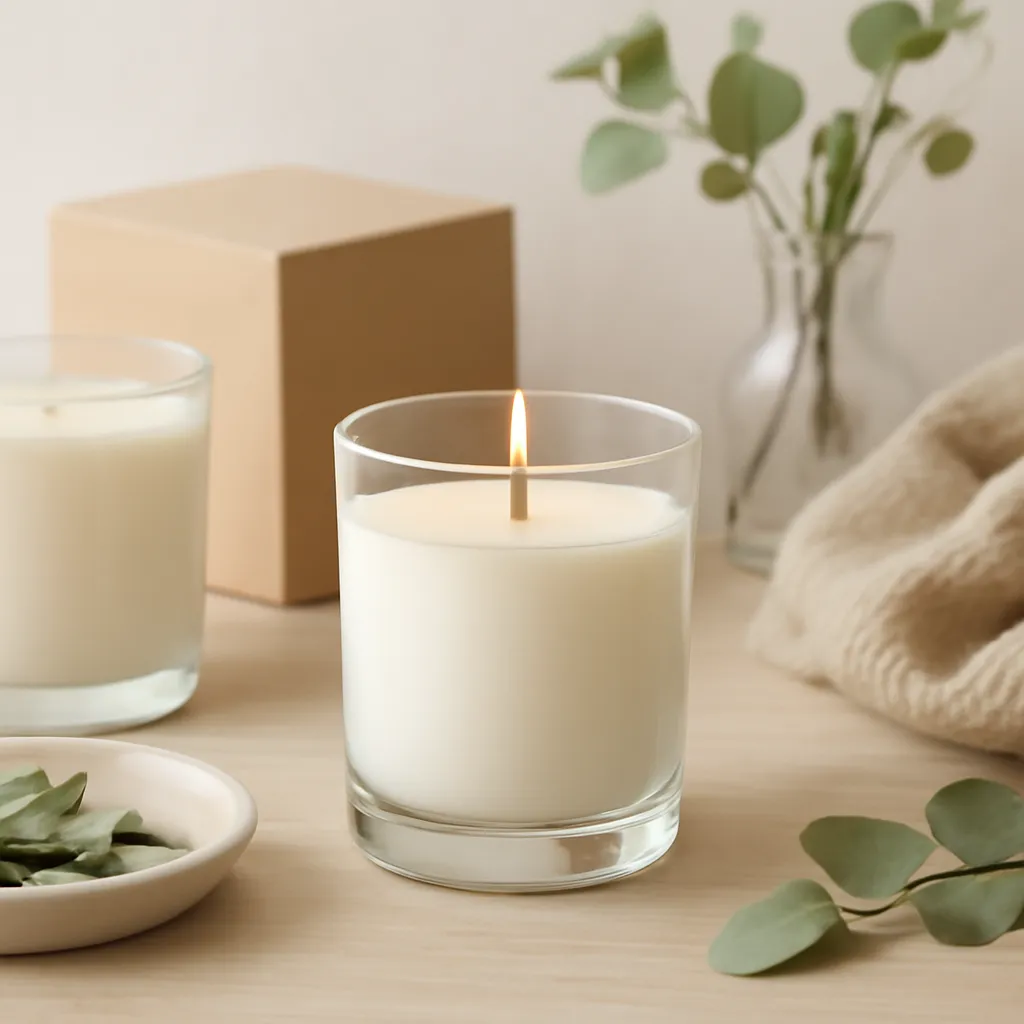
Not all candle scents are created equal. The type of fragrance and its note structure have a significant impact on how strong a candle smells. Fragrance families—such as floral, citrus, woody, gourmand, and fresh—each have their own characteristics. Citrus and herbal scents tend to be bright and noticeable, but may fade quickly. Woody and spicy scents often linger longer and create a stronger impression.
Each fragrance is composed of top, middle, and base notes. Top notes are the first you smell but dissipate quickly. Middle notes provide the main character, while base notes anchor the fragrance and last the longest. For a candle that smells strong and lasts, look for blends with a good balance of all three. Candles heavy on base notes—like amber, musk, or sandalwood—tend to offer greater candle fragrance strength and staying power.
If you’re seeking a bold, room-filling scent, try options from the gourmand or woody families. For a lighter, more refreshing atmosphere, opt for florals or citrus. Understanding the structure of scented candle scents can help you choose the right fragrance for your mood and space, ensuring every burn is a sensory delight.
Common Mistakes and What to Do Instead
It’s easy to make mistakes that diminish your candle’s fragrance performance. One common error is not allowing a candle to burn long enough to form a full melt pool. This leads to tunneling and wasted fragrance. Always let your candle burn until the entire surface is melted, especially on the first use. Trimming the wick too short or too long can also affect scent throw—aim for a 1/4 inch wick for optimal results.
Another mistake is placing candles in drafty areas or near vents, which can cause uneven burning and weak fragrance. Instead, choose a spot with gentle, consistent airflow. Storing candles improperly—such as in direct sunlight or in hot, humid environments—can degrade the fragrance oils and reduce candle fragrance strength. Store candles in a cool, dry place with the lid on when not in use to preserve their scent.
Finally, avoid burning multiple strong fragrances in the same room at once, as this can create a muddled scent profile. Instead, stick to one or two complementary scented candle scents for a harmonious effect. Following these tips will help you enjoy the full potential of your favorite candles and make your home feel truly inviting.
How to Make Candles Smell Stronger: Practical Checklist
If you’re wondering how to make candles smell stronger, use this checklist to maximize your candle’s performance:
- Choose high-quality candles: Look for brands that use premium fragrance oils and disclose their fragrance load.
- Match scent to room size: Use stronger scents or multiple candles in larger spaces.
- Optimize placement: Position candles centrally and away from drafts.
- Burn for a full melt pool: Allow enough time for the wax to melt edge to edge.
- Trim the wick: Keep the wick at 1/4 inch to ensure a steady flame.
- Rotate fragrances: Switch up scents regularly to avoid nose fatigue.
- Store candles properly: Keep candles cool, dry, and covered when not in use.
By following these steps, you’ll notice a significant improvement in candle fragrance strength and overall enjoyment. Don’t be afraid to experiment with different scented candle scents and placement strategies until you find what works best for your home.
Fragrance Strength Comparison Table
To help you choose the right candle for your space, here’s a quick comparison of common fragrance families and their typical strength:
| Fragrance Family | Typical Strength | Best Room Size |
|---|---|---|
| Citrus | Light to Moderate | Small to Medium |
| Floral | Moderate | Small to Medium |
| Woody | Strong | Medium to Large |
| Gourmand | Strong | Medium to Large |
| Fresh/Herbal | Light | Small |
Use this table as a starting point when selecting scented candle scents for your home. Remember, personal preference and room conditions will also play a role in the final experience.
Conclusion: Elevate Your Home with TadaVN Candles
Understanding why do some candle scents smell stronger than others empowers you to create a more inviting, personalized atmosphere at home. By considering everything from fragrance structure and wax type to room size and placement, you can enjoy candles that truly transform your space. Remember, every detail—from burn conditions to scent family—matters in achieving the perfect ambiance.
For those seeking exceptional candle fragrance strength and a curated selection of scented candle scents, TadaVN Candles offers thoughtfully crafted options to suit every mood and room. Whether you’re drawn to bold, room-filling aromas or subtle, comforting notes, you’ll find a candle that feels just right. Discover your new favorites and elevate your daily rituals by exploring the full collection today.