


Soy wax has become a household name among candle lovers, but what is soy wax exactly, and why does it matter when you’re choosing the perfect scented candle? As we move into 2026, buyers are more curious than ever about the materials behind their favorite home fragrances. This guide will help you understand the different types of candle wax, with a special focus on soy wax—its properties, benefits, and what makes it stand out in the world of premium scented candles.
Within the first few moments of shopping for candles, you’ll notice a wide variety of waxes on the market. Soy wax is a vegetable-based alternative derived from soybean oil, known for its clean burn and excellent scent throw. This candle wax guide will walk you through the physical properties, melt behavior, scent performance, and practical buying considerations for soy wax and other popular waxes. By the end, you’ll know how to identify the best wax for candles and make confident, informed decisions for your home.
Understanding Candle Wax Types and Physical Properties
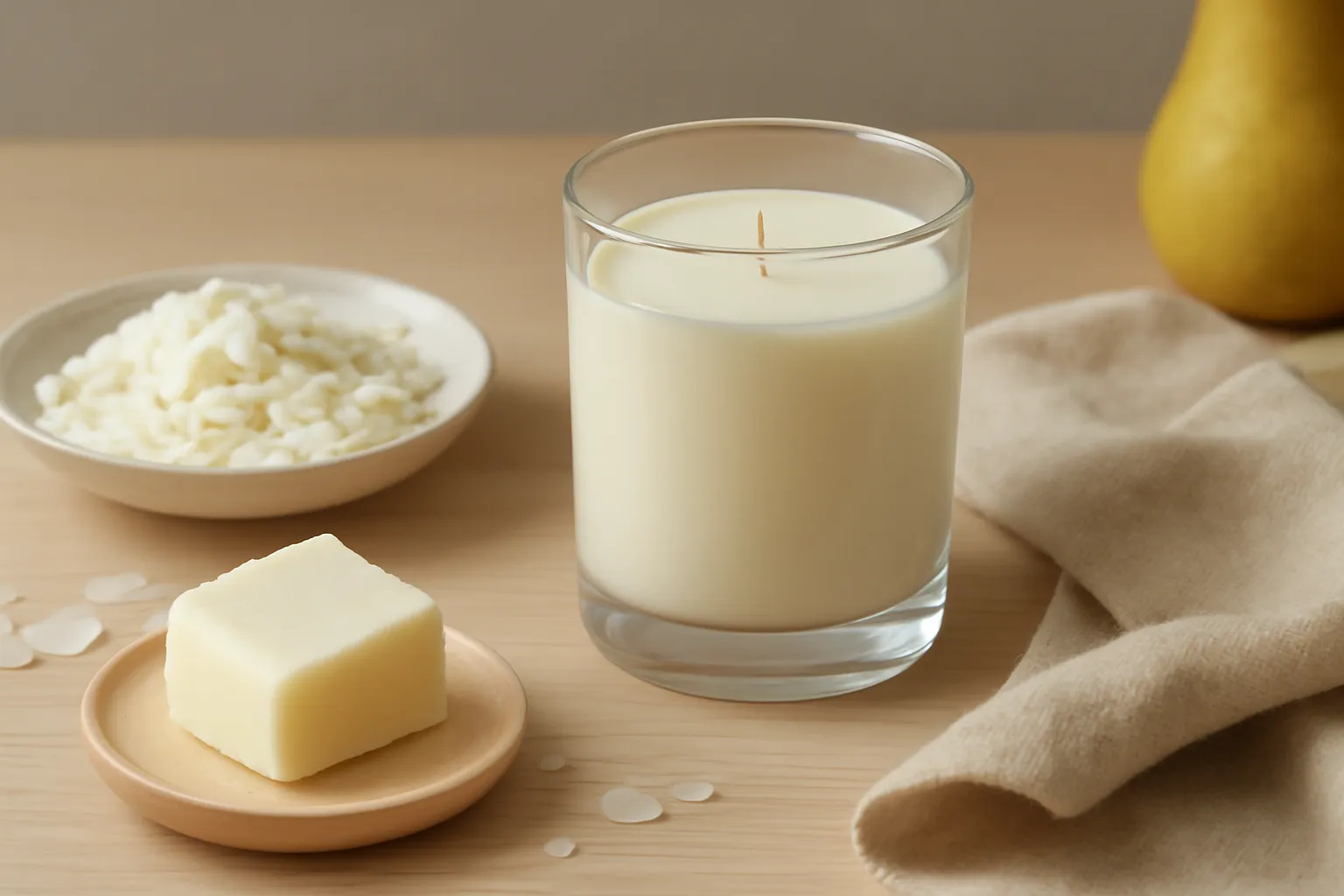
The world of candle wax is more varied than many buyers realize. The types of candle wax available include paraffin, soy, beeswax, coconut, and blends. Each has unique physical properties that affect how a candle looks, burns, and scents your space. Soy wax, for instance, is made from hydrogenated soybean oil. It typically appears creamy and opaque, with a smooth surface and a soft, pliable texture at room temperature. In contrast, paraffin wax is a byproduct of petroleum refining, and it tends to be harder, more translucent, and often produces a glossier finish.
When evaluating the best wax for candles, consider factors like melting point, hardness, and texture. Soy wax generally melts at a lower temperature than paraffin, making it safer to handle and less likely to cause burns if touched accidentally. Beeswax, another popular option, is naturally honey-scented and has a higher melting point, which can result in longer burn times but may also require a hotter flame. Coconut wax is praised for its creamy consistency and superior scent throw, but it’s often blended with soy or other waxes to improve its structure. Understanding these physical differences is essential for buyers who want a candle that performs well and suits their aesthetic preferences.
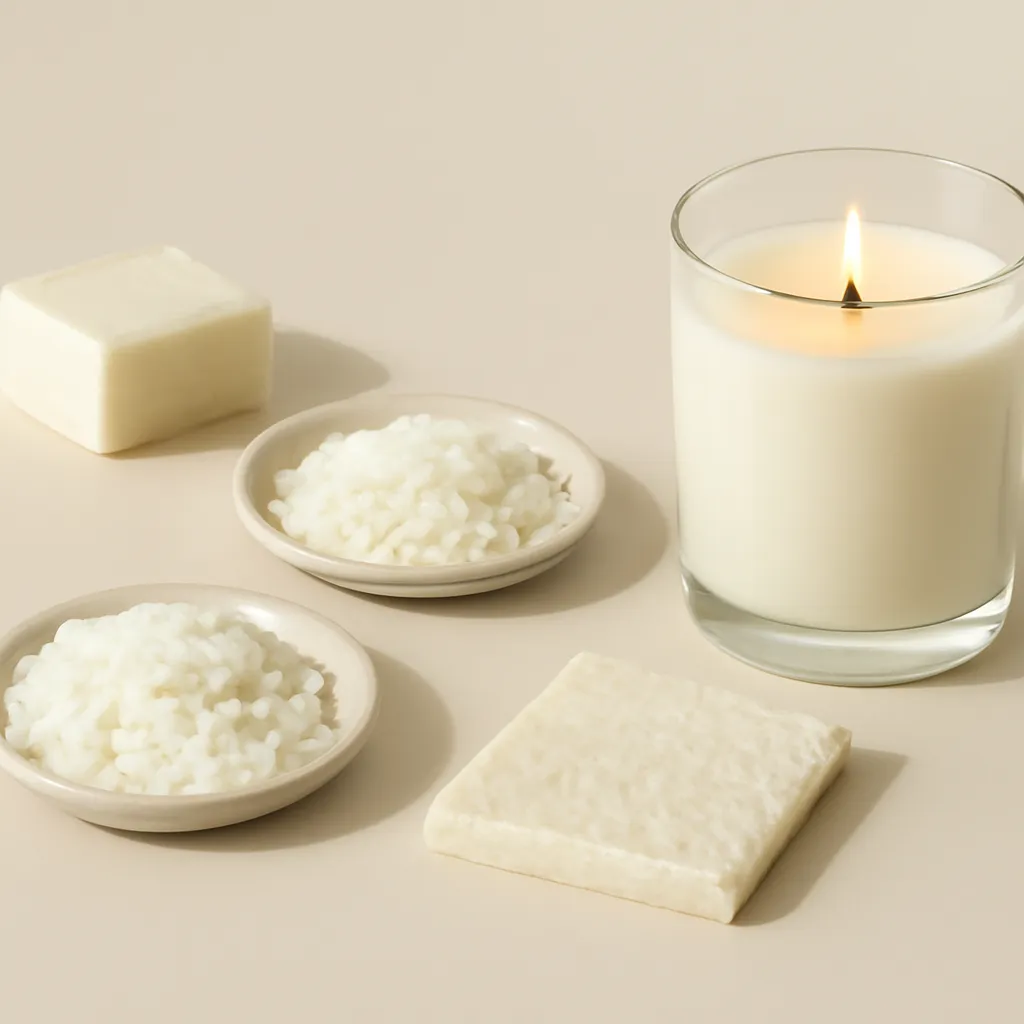
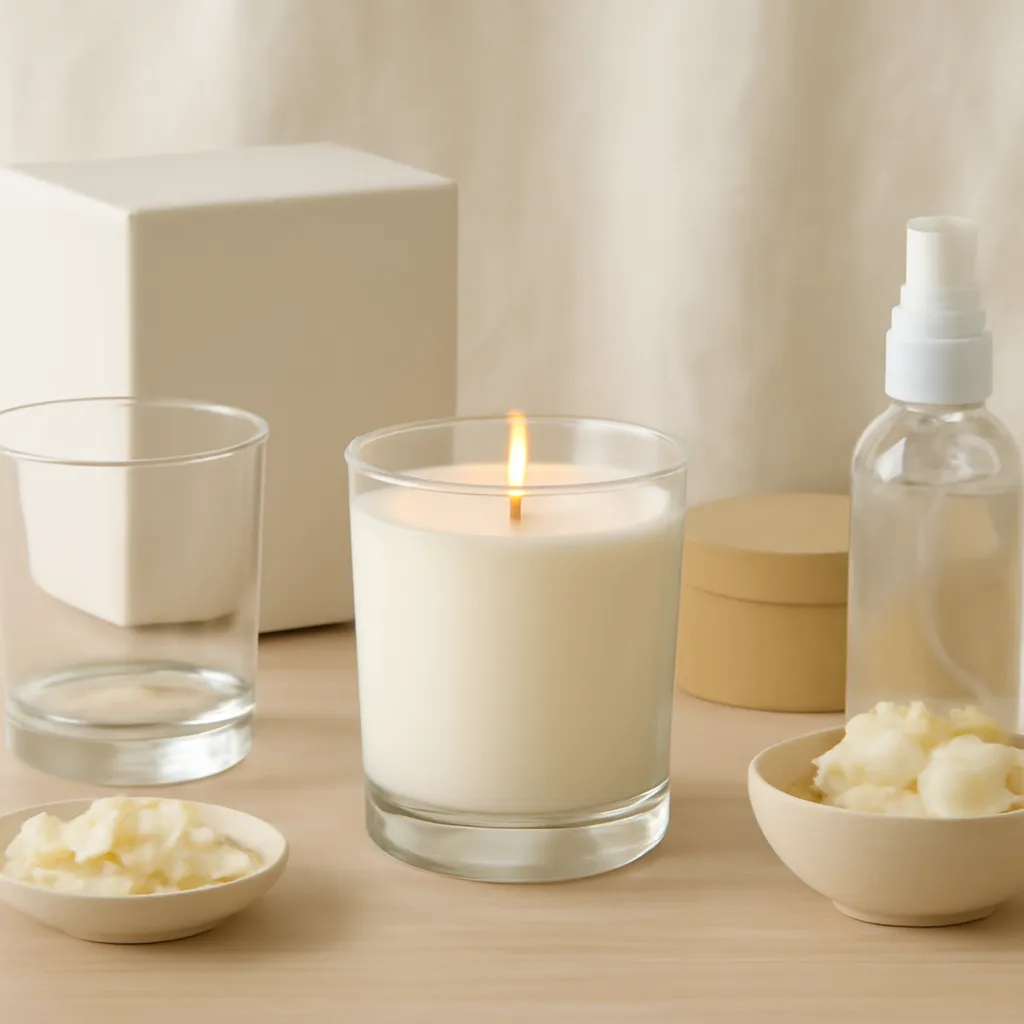
Physical properties also influence how a candle interacts with fragrance oils, dyes, and wicks. For example, soy wax holds colorants well and offers a neutral base that supports a wide range of scents. Its pliable texture makes it easy to pour into containers of various shapes and sizes, which is why you’ll see soy wax used in everything from minimalist glass jars to intricate decorative vessels. By familiarizing yourself with these characteristics, you can better appreciate what is soy wax and its advantages in the modern candle market.
Melt Behavior and Appearance: What Buyers Should Expect
One of the most noticeable differences between types of candle wax is how they melt and appear during use. Soy wax is known for its even melt pool—a key feature that helps distribute fragrance consistently while preventing tunneling, which is when wax burns down the center and leaves unused wax along the sides. When you light a soy candle, you’ll often notice a creamy, opaque melt pool that forms within the first hour. This is a sign of proper wick sizing and quality wax formulation.
Paraffin wax, by contrast, tends to melt quickly and can develop a deeper, clearer melt pool. However, it’s also more prone to producing soot if the wick is too large or the candle is burned in a drafty environment. Beeswax candles may develop a slightly golden melt pool and have a subtle honey aroma, adding to their natural charm. Coconut wax blends are prized for their ultra-smooth appearance and ability to maintain a flawless surface even after multiple burns. For buyers, understanding these melt behaviors can help you diagnose whether your candle is performing as expected or if there might be an issue with the wax or wick.
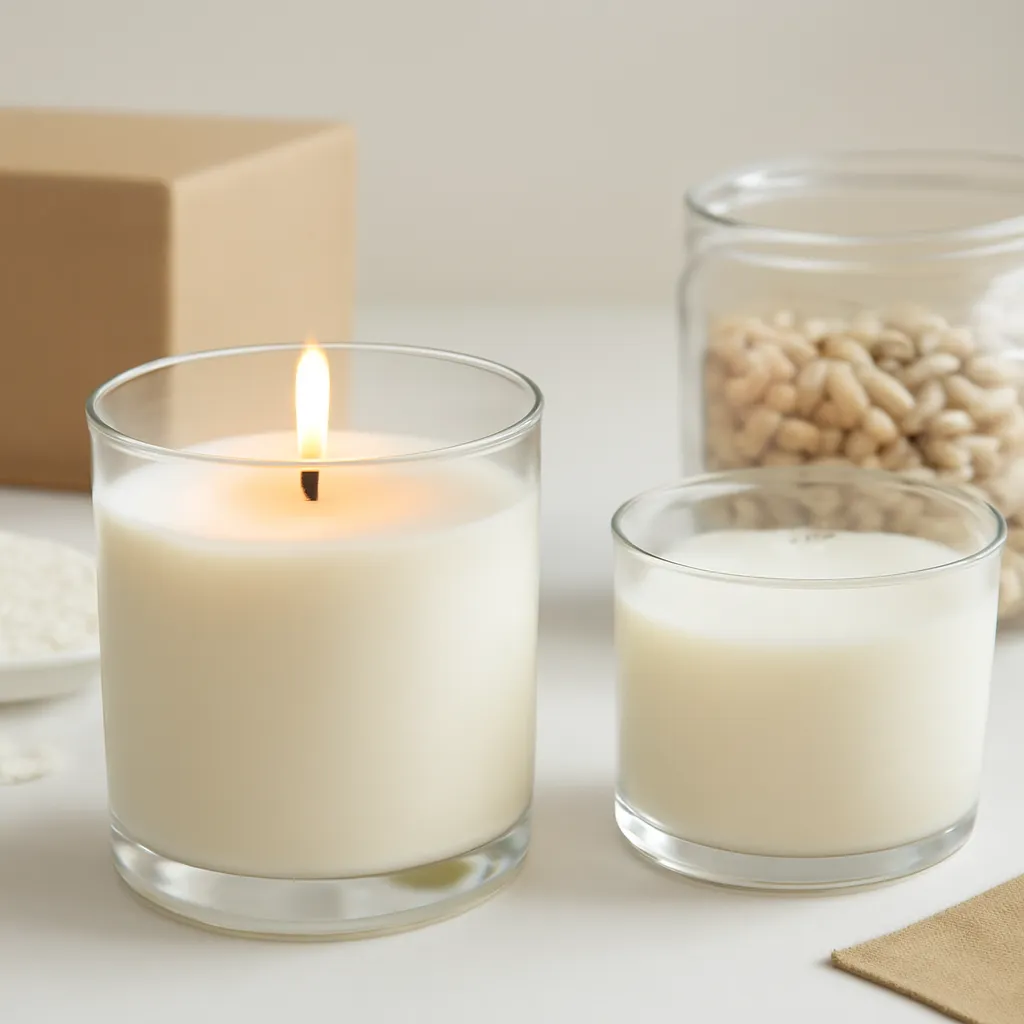
It’s normal for soy wax to show minor surface changes, such as frosting (a white, powdery film) or slight unevenness after burning. These are natural characteristics of vegetable-based waxes and don’t affect performance. If you notice excessive tunneling, smoking, or an uneven melt pool that never reaches the edges, it may be a sign of improper wick sizing or burning conditions. Following the manufacturer’s burning instructions and trimming the wick to 1/4 inch before each use can help maintain the candle’s appearance and extend its life.
Scent Retention and Scent Throw: Maximizing Fragrance Experience
For many buyers, the main reason to choose a particular candle wax is its ability to hold and release fragrance. Soy wax is celebrated for its excellent scent retention and balanced scent throw. This means it not only absorbs fragrance oils well during production but also releases them gradually and evenly as the candle burns. The result is a consistent aroma that fills your space without overwhelming it. When evaluating the best wax for candles, consider how the wax interacts with different fragrance types—floral, woody, citrus, or gourmand scents may each perform differently depending on the wax base.
Compared to paraffin, which can deliver a strong but sometimes fleeting scent burst, soy wax provides a more subtle and enduring fragrance experience. Beeswax, with its natural aroma, can sometimes compete with added scents, making it ideal for those who prefer lightly fragranced or unscented options. Coconut wax blends are often used in luxury candles for their superior scent throw and creamy texture, but they may be more expensive. If you’re looking for a candle that will fill a large room or last through multiple uses, soy wax is a reliable choice. For an elevated home fragrance experience, explore the soy candle collection at TadaVN Candles, where each candle is crafted for optimal scent performance.
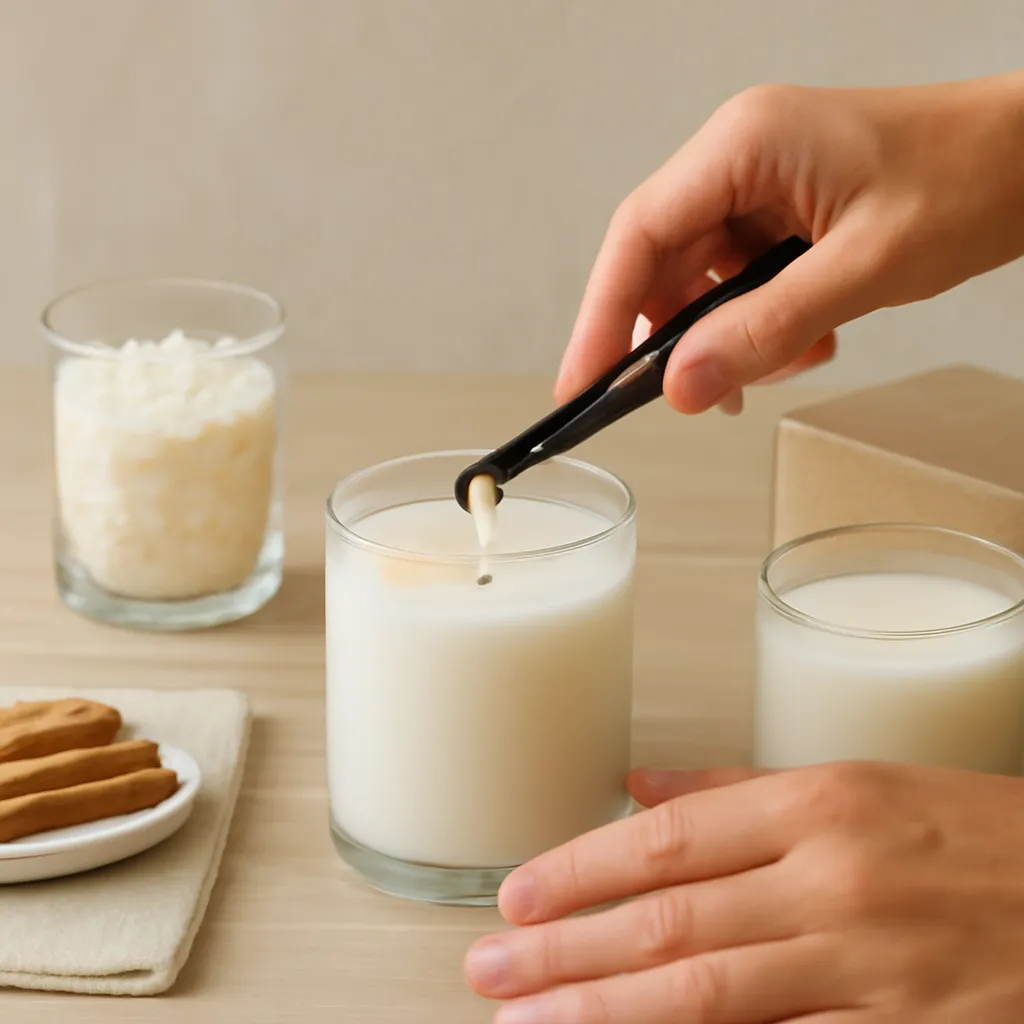
To maximize scent throw, always allow your candle to burn until the melt pool reaches the edges of the container—usually about one hour per inch of diameter. This prevents tunneling and ensures that all fragrance oils are released evenly. Avoid burning candles in drafty areas, as this can disrupt the melt pool and reduce scent throw. By understanding the relationship between candle wax and fragrance, you’ll be able to choose the best wax for candles that match your scent preferences and room size.
Burn Performance: Longevity, Cleanliness, and Efficiency
Burn performance is a critical factor in determining candle quality and value. Soy wax is often regarded as one of the best waxes for candles due to its slow, even burn and minimal soot production. A well-made soy candle can last up to 30% longer than a comparable paraffin candle of the same size. This is because soy wax burns at a lower temperature, allowing the candle to melt more slowly and evenly. The result is not only a longer-lasting candle but also a cleaner burn that keeps your home free from unwanted smoke or residue.
Paraffin wax, while popular for its affordability and vibrant color options, tends to burn faster and may produce more soot if the wick is not properly maintained. Beeswax candles are known for their long burn times and naturally clean flame, but they can be more expensive and harder to scent effectively. Coconut wax blends offer a luxurious burn with excellent scent throw, but their softer texture can make them more sensitive to temperature changes. When comparing types of candle wax, consider your priorities: longevity, cleanliness, or fragrance intensity. For most buyers, soy wax strikes a pleasing balance between all three.
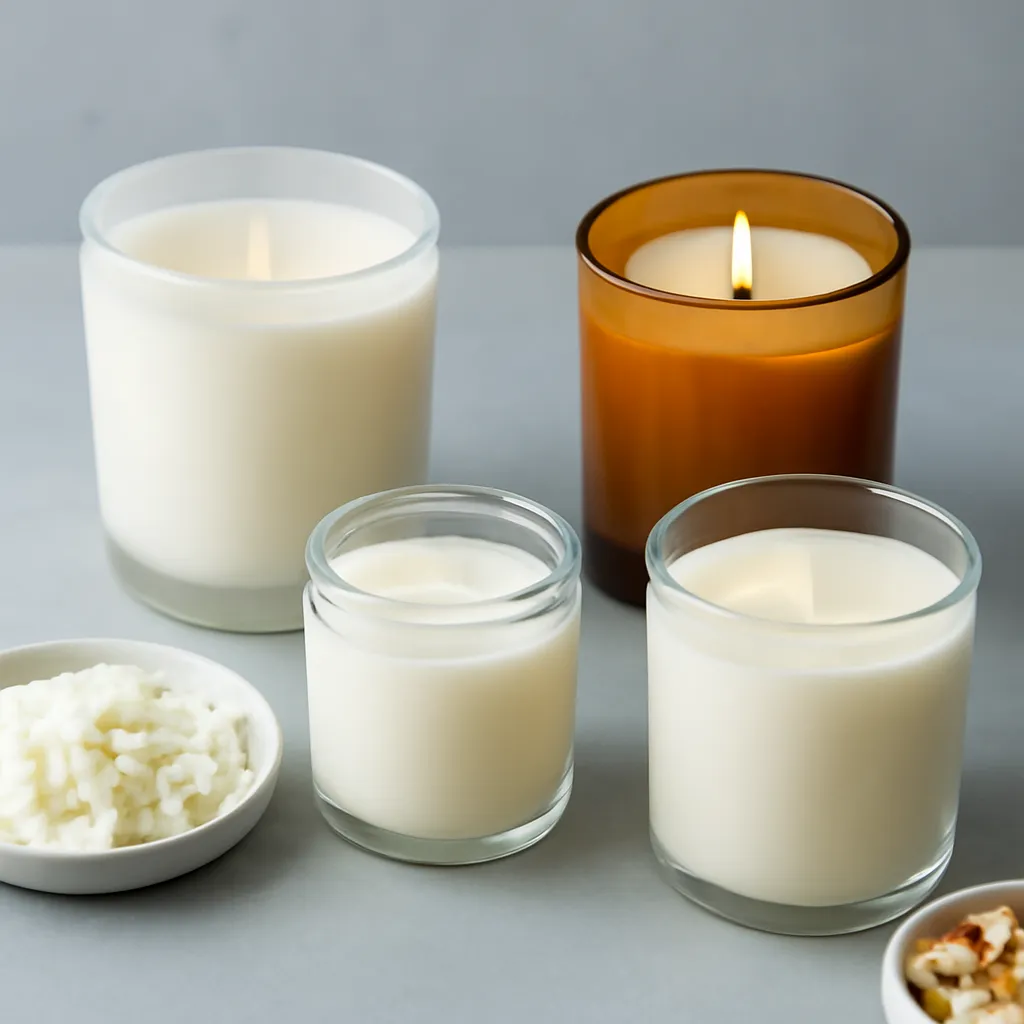
To get the most from your soy candle, trim the wick to 1/4 inch before each burn and avoid burning for more than four hours at a time. This helps maintain a steady flame and prevents excess soot. If you notice any smoking or flickering, extinguish the candle, let it cool, and trim the wick before relighting. Following these simple steps ensures that your candle wax performs at its best throughout its life.
Storage and Environmental Considerations for Candle Wax
Proper storage is essential for preserving the quality and appearance of your candles, regardless of the wax type. Soy wax, being vegetable-based, is sensitive to temperature fluctuations and humidity. To keep your candles looking and performing their best, store them in a cool, dry place away from direct sunlight and heat sources. Excessive heat can cause soy wax to soften or sweat, leading to oily patches on the surface. This is normal and doesn’t affect the candle’s safety or performance, but it can alter the appearance.
Paraffin and beeswax candles are generally more stable at higher temperatures, but they can still deform or discolor if left in hot environments. Coconut wax blends are particularly sensitive to heat due to their creamy consistency, so they should always be kept in climate-controlled spaces. When gifting candles or storing them for future use, consider wrapping them in tissue paper or placing them in sturdy boxes to protect against dust and scratches. If you’re shopping for gifts, explore the thoughtful gift presentation ideas at TadaVN Candles, where each candle is designed to arrive in perfect condition.
For all types of candle wax, avoid storing candles in bathrooms or kitchens where humidity levels fluctuate. Instead, opt for closets, cabinets, or drawers that remain cool and dry year-round. By following these storage tips, you can ensure your candles remain beautiful and functional, ready to provide a cozy atmosphere whenever you need them.
How to Identify Normal Wax Behavior Versus Problems
As a candle buyer, it’s important to know what to expect from your candle wax and when to be concerned. For soy wax, common characteristics like frosting, slight color variations, or minor surface imperfections are perfectly normal and do not affect the candle’s performance. These traits are simply signs of a natural, vegetable-based product. Similarly, a small amount of sweating—where fragrance oils rise to the surface in hot weather—is typical for soy and coconut wax blends.
However, certain issues may signal a problem with the candle’s formulation or usage. Excessive tunneling, where the candle burns straight down the center and leaves a thick wall of unused wax, often indicates the wick is too small or the candle wasn’t burned long enough to create a full melt pool. Smoking, flickering, or sooting can result from a wick that’s too large, burning in a draft, or failing to trim the wick regularly. If you notice uneven burning, mushrooming wicks, or persistent smoke, follow the care instructions provided by the manufacturer or consult a candle wax guide for troubleshooting tips.
Buyers should also be aware of fragrance strength. While soy wax offers a balanced scent throw, extremely faint or overpowering aromas may signal improper fragrance loading or incompatible oils. By learning what is normal for each type of candle wax, you’ll be better equipped to select high-quality candles and enjoy them to the fullest.
Checklist: Choosing the Best Wax for Candles
When shopping for candles, a practical checklist can help you evaluate your options and select the best wax for your needs. Start by identifying your priorities: do you value a long, clean burn, a strong fragrance, or a natural look and feel? Next, review the types of candle wax available—soy, paraffin, beeswax, coconut, and blends—and consider their unique properties. Soy wax is an excellent all-rounder, offering a clean burn, good scent throw, and attractive appearance. Paraffin is budget-friendly and vibrant but may produce more soot. Beeswax is natural and long-burning but lightly scented. Coconut wax excels in luxury blends for its creamy texture and scent performance.
Examine the candle’s appearance for smooth surfaces, even coloring, and a well-centered wick. Check the label for details about wax type, fragrance load, and burn time. Ask about the recommended burn practices, such as wick trimming and burn duration, to ensure optimal performance. If possible, test the candle in-store or read reviews to gauge scent strength and burn quality. For those seeking a premium home fragrance, the home fragrance selection at TadaVN Candles offers curated options crafted from high-quality soy wax and expertly blended scents.
Finally, consider the candle’s packaging and storage recommendations. Well-packaged candles are less likely to be damaged in transit or storage, preserving their appearance and scent. By following this checklist, you can confidently choose the best wax for candles that suit your lifestyle and décor.
Common Candle Wax Mistakes and How to Avoid Them
Even experienced buyers can make mistakes when selecting or using candles. One common error is choosing the wrong wax type for your intended use. For example, using a soft coconut wax candle in a hot, sunny room may lead to melting or warping, while a paraffin candle in a small, enclosed space might produce unwanted soot. It’s important to match the wax type to your environment and preferences.
Another frequent mistake is neglecting proper wick care. Failing to trim the wick before each burn can result in a flickering flame, mushrooming, or excess soot. Always trim the wick to 1/4 inch and keep the melt pool free of debris. Burning the candle for too short a time can cause tunneling, while burning it for too long may overheat the wax and fragrance oils. Follow the manufacturer’s instructions for ideal burn times and storage conditions.
Lastly, avoid storing candles in extreme temperatures or humid areas. This can cause sweating, discoloration, or scent loss. By being mindful of these common pitfalls and using this candle wax guide, you’ll ensure your candles look beautiful, burn cleanly, and deliver the best possible fragrance experience.
Conclusion: Bringing Home the Best Candle Experience with TadaVN Candles
Choosing the right candle wax is about more than just fragrance—it’s about creating a cozy, inviting home that reflects your style and values. With this 2026 candle wax guide, you now understand what is soy wax, how it compares to other types of candle wax, and what to expect from your candles in terms of appearance, scent, and performance. Whether you prefer the creamy elegance of soy wax, the luxury of coconut blends, or the classic charm of beeswax, your choices shape the atmosphere of your home.
At TadaVN Candles, we believe that every detail matters. Our curated collection showcases the best wax for candles, expertly blended to deliver a premium home fragrance experience. Explore our scented candles and discover how the right candle can transform your space into a haven of comfort and style.