



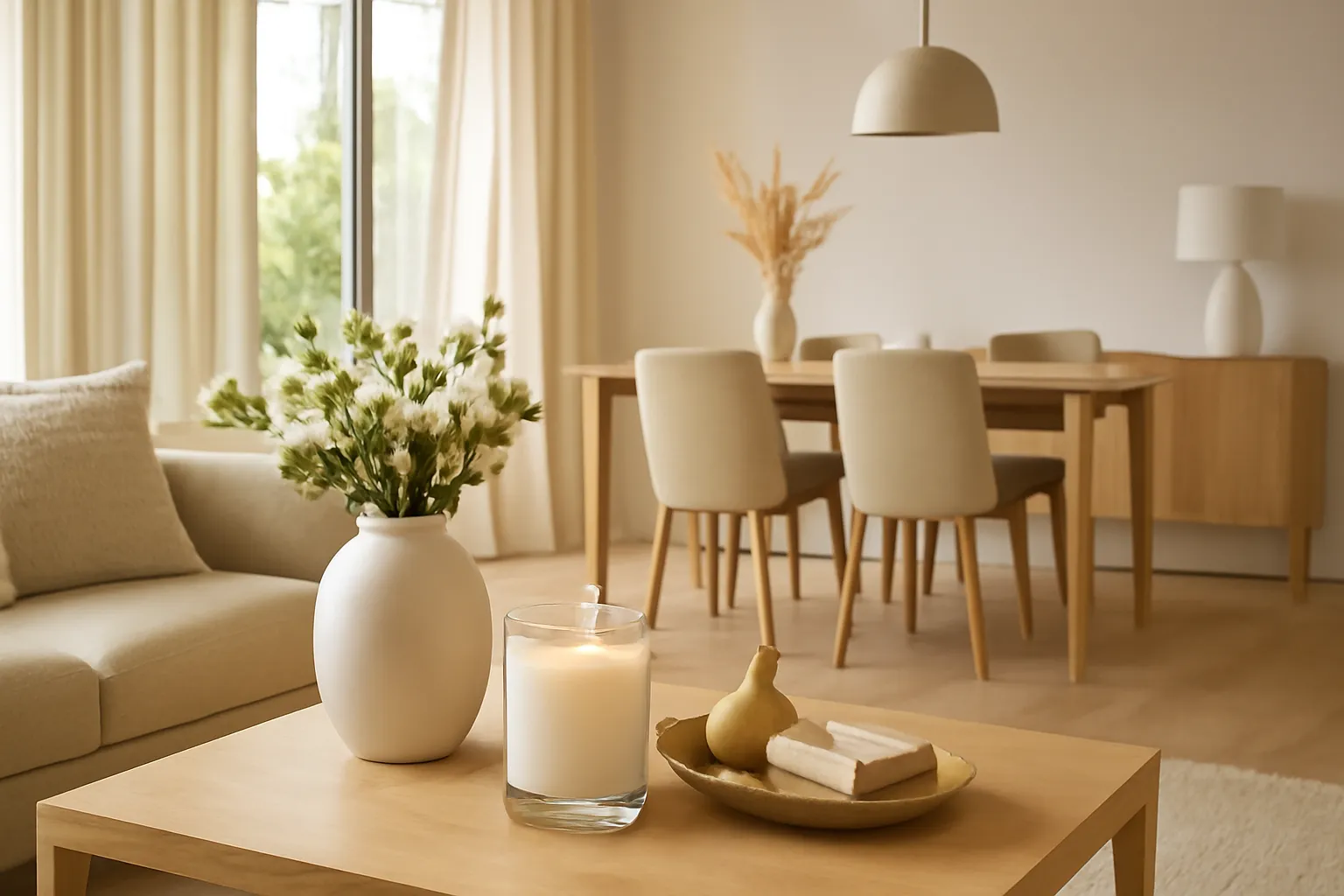
Open floor plans have become the hallmark of modern living, offering spaciousness, natural light, and seamless integration between living, dining, and kitchen areas. But with these benefits comes a unique challenge: how to scent an open floor plan in a way that feels inviting, balanced, and never overwhelming. Whether you’re hosting a gathering or simply want to make your house smell good every day, a thoughtful approach to home fragrance is essential for achieving that coveted cozy atmosphere.
In 2026, home scenting is more than just lighting a candle and hoping for the best. The key is understanding how fragrance moves through interconnected spaces, how airflow and ceiling height affect distribution, and how to layer scents for a harmonious effect. This guide delivers practical, expert-backed home fragrance ideas to help you master scenting your open floor plan, from odor control to placement strategies and product choices. Let’s explore how to create a signature scent experience that truly elevates your home.
Understanding Fragrance Distribution in Large, Open Spaces
One of the first things to consider when planning how to scent an open floor plan in your home is how fragrance travels. Unlike closed rooms, open layouts allow air—and scent—to move freely. This means a single source of fragrance might not reach every corner, or it could become too concentrated in one area. The trick is to visualize your open space as a series of connected scent zones, each with its own needs and opportunities for layering aromas.
For example, a living room that flows into a dining area and kitchen will have different scent challenges than a traditional, walled-off home. The kitchen might carry strong cooking odors, while the living area benefits from softer, more relaxing fragrances. Consider mapping out your zones and identifying the main activities in each. Then, select home fragrance products that complement those uses—think fresh, clean scents near entrances, warm gourmand notes by the kitchen, and calming florals in seating areas. This approach ensures your entire space feels cohesive and inviting without overwhelming the senses.
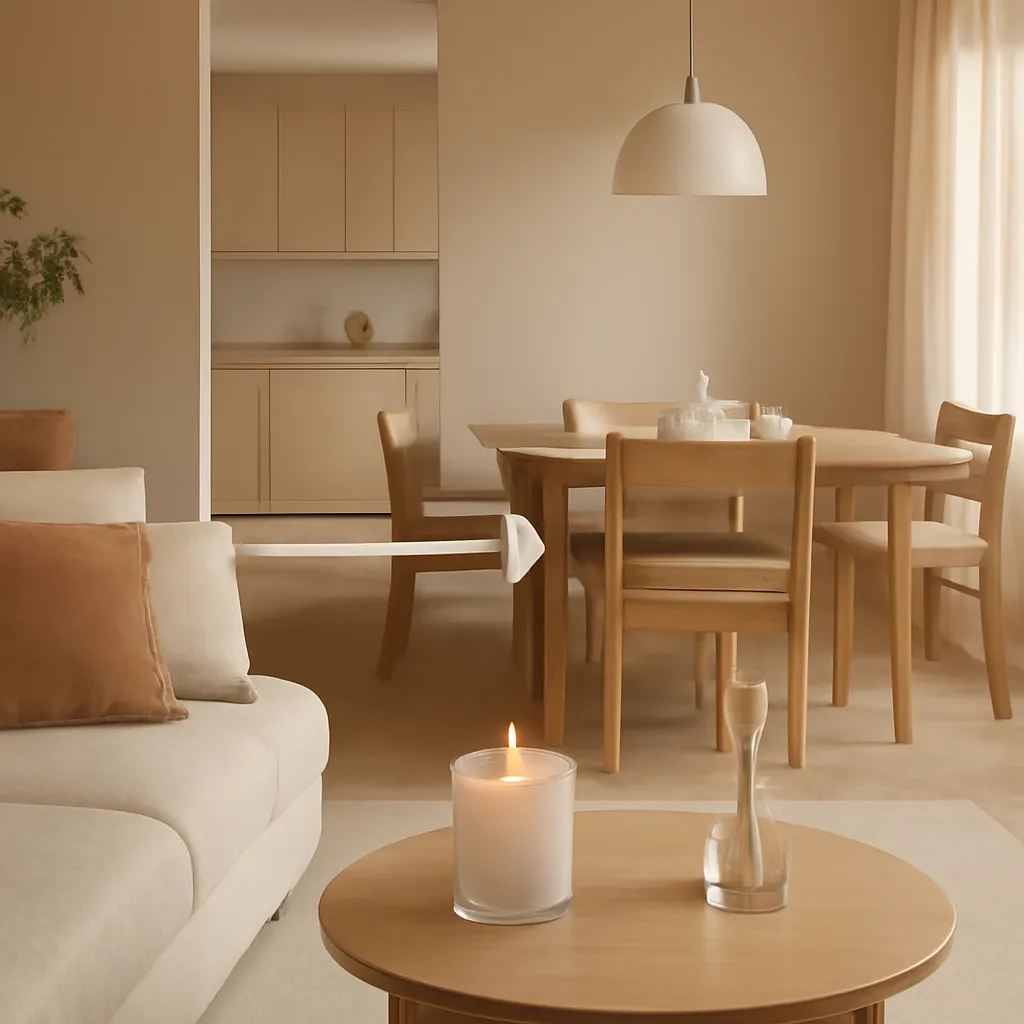
To keep scent balanced, avoid placing all fragrance sources in one spot. Instead, stagger candles, diffusers, or wax melts throughout the space, adjusting the intensity and type of scent to match each zone. This method prevents fragrance overload and helps each area maintain its own character while contributing to the overall mood of your home.
Airflow and Ceiling Height: The Science Behind Scent Movement
Airflow plays a crucial role in how to scent an open floor plan in a way that feels natural and long-lasting. High ceilings and large windows can disperse scent quickly, making it harder for fragrance to linger. On the other hand, stagnant air can cause scents to become too concentrated or unevenly distributed. Understanding how air moves through your space is the first step toward effective home scenting.
Begin by observing your home at different times of day. Notice how breezes from windows or HVAC vents affect fragrance movement. In spaces with high ceilings, scent tends to rise and dissipate, so placing candles or diffusers at lower levels—like coffee tables or shelves—can help keep the aroma at nose level. For homes with ceiling fans or cross-ventilation, consider using heavier fragrance oils or multiple sources to compensate for faster diffusion.
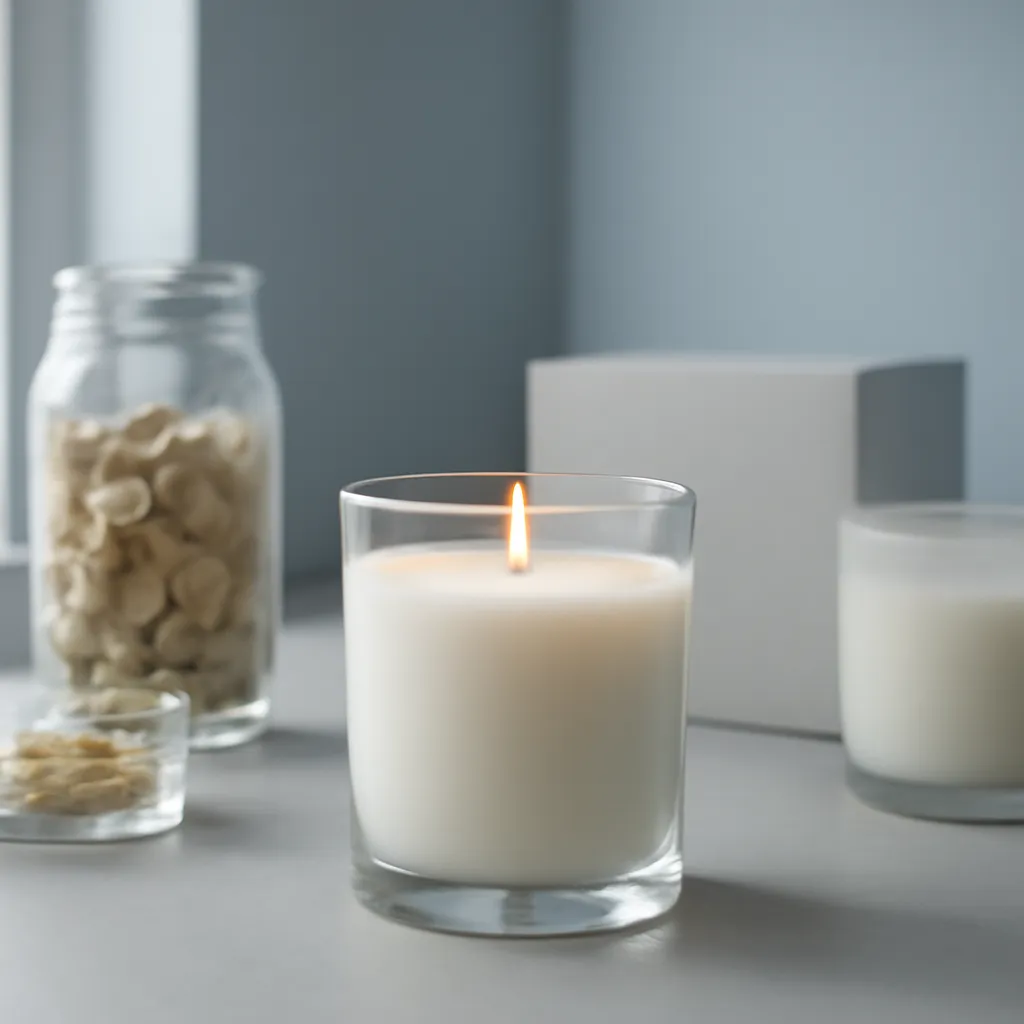
Materials also matter. Glass candle vessels and soy wax blends, for example, tend to release scent steadily and evenly, making them ideal for open areas. Pairing these with strategically placed reed diffusers or wax melts can create a gentle, layered effect. Experiment with placement and product types to find the right balance for your unique layout. Remember, airflow is your friend—use it to carry your chosen home fragrance throughout the space, but adjust as needed to prevent hotspots or dead zones where scent collects or fades too quickly.
Single-Candle Versus Multi-Source Scenting: Choosing the Right Approach
A common mistake when learning how to scent an open floor plan in a large home is relying on a single candle or diffuser. While one high-quality candle can fill a small room, open layouts require a more nuanced approach. Multi-source scenting—using several fragrance products placed thoughtfully around your space—ensures even coverage and allows for creative layering of complementary scents.
Start by selecting a signature scent that ties your open floor plan together. This could be a fresh citrus blend, a soft floral, or a warm woody note, depending on your personal style. Place the main fragrance source in the central hub of your space, such as the coffee table or kitchen island. Then, add smaller, supporting sources—like wax melts or plug-in diffusers—in adjacent zones. This creates a subtle gradient of scent that feels cohesive but not overpowering.
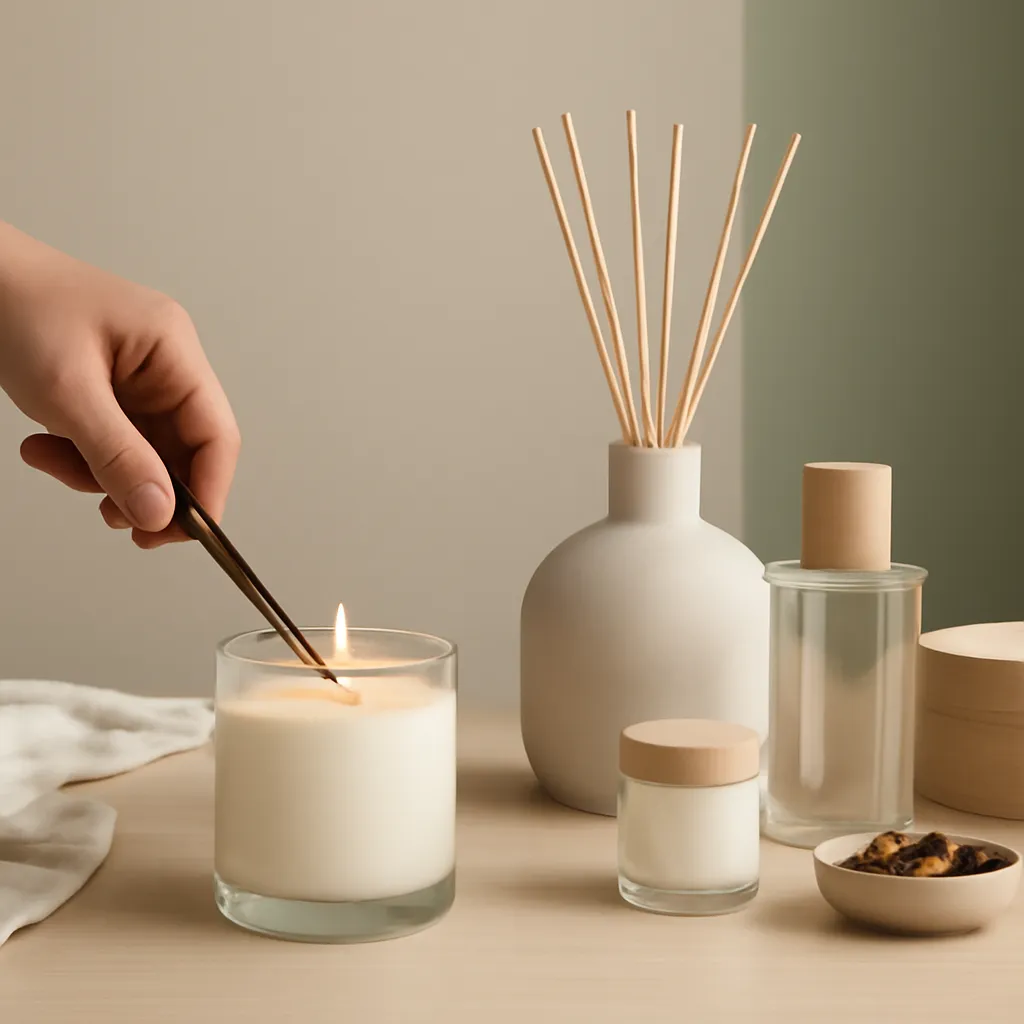
For example, you might use a vanilla bean candle in the living area, complemented by a citrus reed diffuser in the entryway and a herbal wax melt near the kitchen. This approach allows each zone to shine while maintaining an overall sense of harmony. Don’t forget to trim candle wicks regularly and rotate fragrance sources to keep the scent fresh. If you’re looking for inspiration, browse the soy candle collection at TadaVN Candles for versatile options that suit any open floor plan.
Placement Strategies for Balanced Fragrance Coverage
Strategic placement is essential for achieving balanced fragrance in an open floor plan. Rather than clustering all your candles or diffusers in one area, think about how people move through your home and where scent will have the greatest impact. Entryways, transition spaces, and gathering spots are all prime locations for introducing fragrance.
Consider creating a scent map for your space. Place your primary fragrance source where guests first enter, then use secondary sources to reinforce the scent as they move deeper into your home. Avoid placing strong scents too close to food preparation areas, as this can interfere with the enjoyment of meals. Instead, opt for lighter, fresher notes in kitchens and dining zones, reserving richer or more complex fragrances for living and relaxation areas.
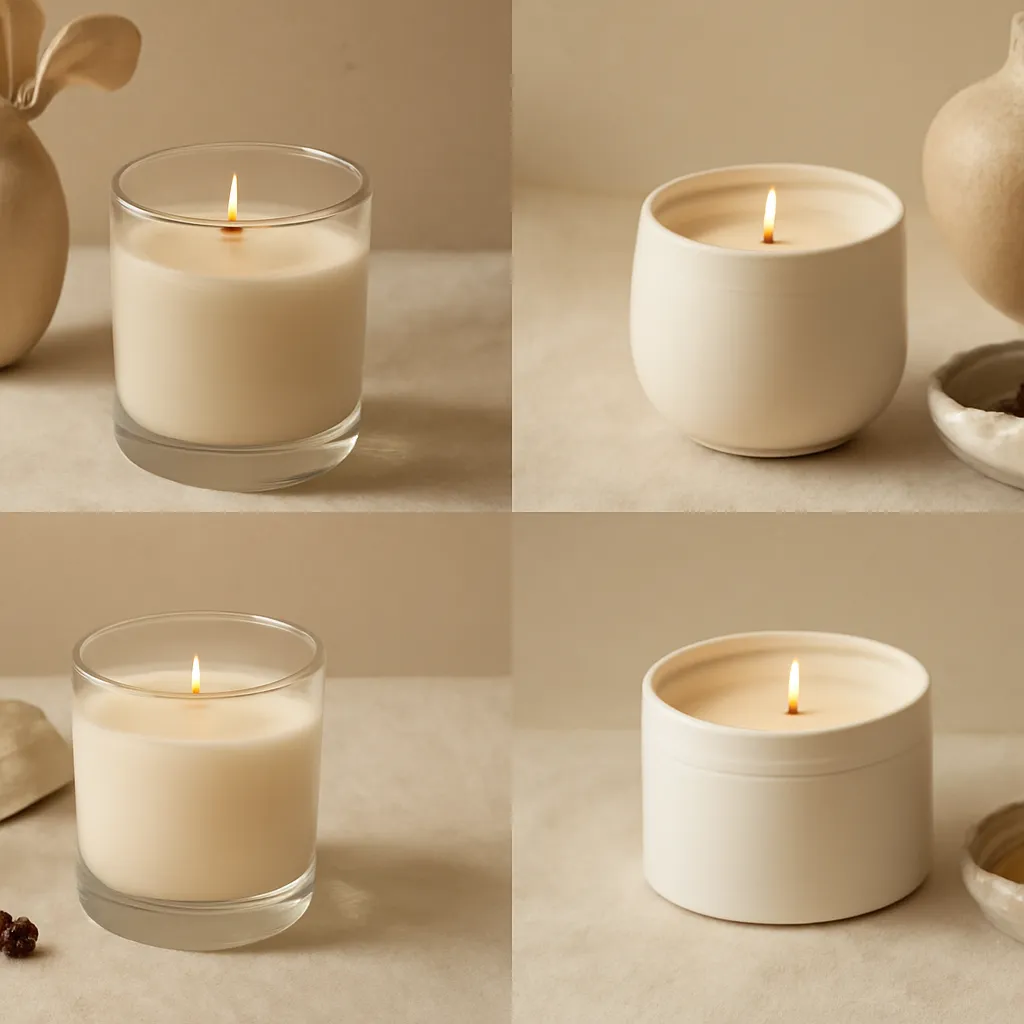
For balanced coverage, aim to space fragrance sources about 10 to 15 feet apart, depending on the size of your space and the strength of each product. Use a mix of candles, diffusers, and wax melts to create layers of scent that blend seamlessly. If you’re unsure where to begin, start with a single candle in the center of your open plan and gradually add more sources until you achieve the desired effect. Remember, less is often more—focus on quality and placement rather than quantity.
Controlling Odor Sources Before Adding Fragrance
Before introducing any home fragrance, it’s important to address underlying odors that can compete with or overpower your chosen scents. In open floor plans, smells from cooking, pets, or even stale air can linger and disrupt the atmosphere you’re trying to create. The first step in how to make your house smell good is always a thorough cleaning and odor control routine.
Start by ventilating your space. Open windows and doors to let fresh air circulate, especially after cooking or during seasonal transitions. Use natural odor absorbers like baking soda, activated charcoal, or white vinegar to neutralize persistent smells. Regularly clean soft furnishings, carpets, and curtains, as these can trap odors over time. For kitchens, run the vent hood during and after meal prep, and empty trash bins frequently.
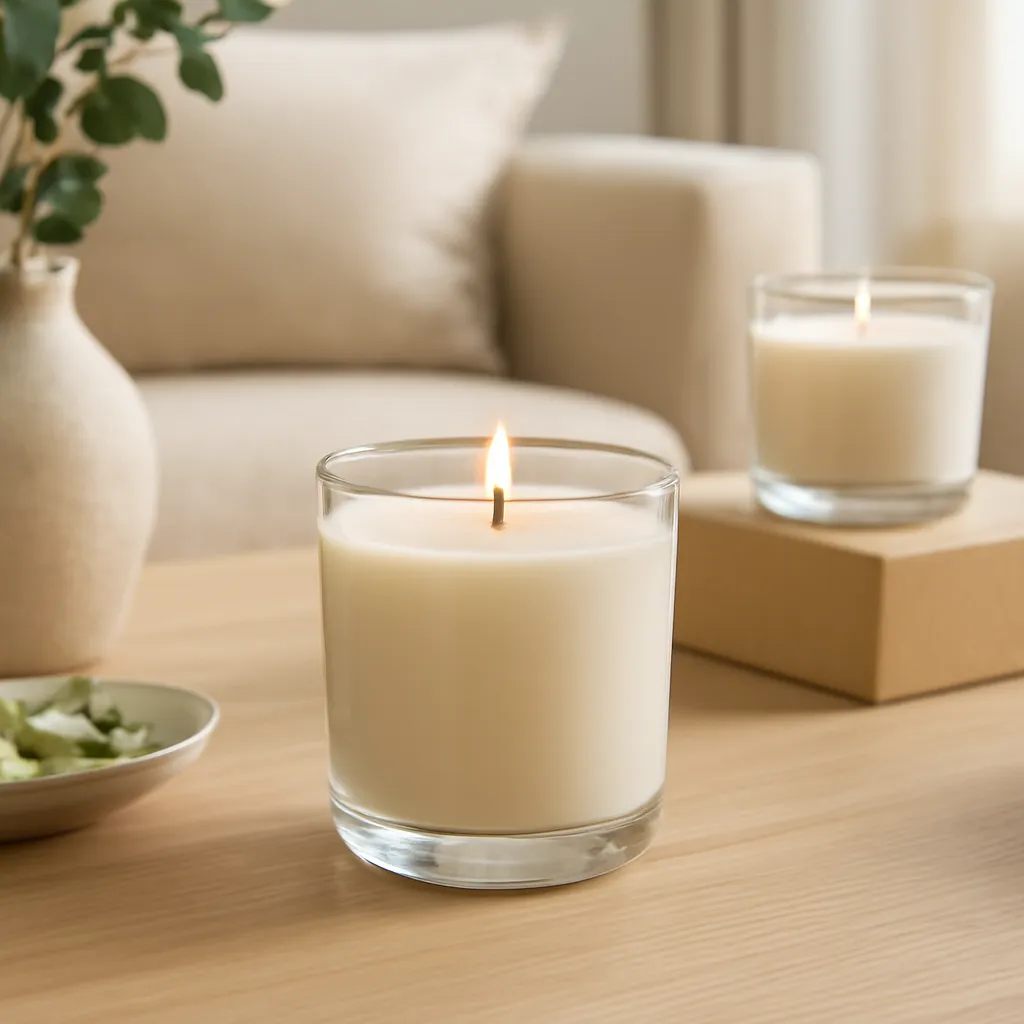
Once your space feels fresh and neutral, introduce your chosen home scenting products. This ensures that the fragrance you add is pure and unmasked, allowing it to shine without interference. For a finishing touch, consider gifting a beautifully packaged candle or wax melt set to a friend—or yourself—from the home fragrance selection at TadaVN Candles. A clean, well-prepped space is the perfect canvas for any scent story.
Room Size and Scent Strength: Matching Products to Your Space
Matching the strength of your home fragrance to the size of your open floor plan is key for a pleasant, not overpowering, result. Large spaces require products that can throw scent effectively, but it’s easy to go overboard if you’re not careful. Start by measuring your main living area and noting ceiling height, as this affects how much fragrance you’ll need.
For very large or tall spaces, opt for candles with multiple wicks, high-quality essential oil diffusers, or electric wax warmers that can disperse scent more broadly. In medium-sized open plans, a few well-placed single-wick candles or reed diffusers may suffice. Always test a new fragrance in a small area before committing to multiple sources, as some scents are naturally stronger than others.
Layering is your best friend: combine a main candle with subtle background notes from a diffuser or wax melt. This allows you to adjust intensity as needed and prevents any one scent from dominating. If you’re unsure which products will work best, consult the scented candles guide at TadaVN Candles for expert recommendations tailored to open floor plans. Remember, the goal is a gentle, inviting aroma that enhances—not overwhelms—your home.
Layering Scents: Creating a Signature Home Fragrance Experience
Layering is an advanced technique in home scenting that can transform your open floor plan into a truly personalized oasis. Rather than sticking to a single fragrance, combine complementary scents to create depth and complexity. Start with a base note—such as vanilla, sandalwood, or amber—that anchors your space. Add a middle note, like jasmine or lavender, to provide freshness and lift. Finish with a top note, such as citrus or mint, for brightness.
This approach allows you to tailor your home fragrance to the seasons or your mood. In the winter, layer spicy or woody scents for warmth; in summer, switch to lighter, breezier aromas. Use candles for the base, diffusers for the middle, and wax melts for the top notes. Place each product in a different zone to encourage gentle blending as air circulates.
Experiment with different combinations until you find your signature blend. Keep a journal or checklist to track which scents work well together and where you’ve placed each product. This not only helps you avoid common mistakes—like clashing fragrances or scent overload—but also ensures your home always feels fresh and inviting. For inspiration, browse the home fragrance ideas at TadaVN Candles to discover new scent pairings and layering techniques.
Common Mistakes and What to Do Instead
Even with the best intentions, it’s easy to make mistakes when learning how to scent an open floor plan in a modern home. One of the most frequent errors is using too many strong scents at once, which can create a muddled or overpowering effect. Instead, focus on one or two complementary fragrances and space them thoughtfully throughout your home.
Another pitfall is neglecting airflow and placement. Placing candles or diffusers directly under air vents or near open windows can cause the scent to dissipate too quickly, while clustering all sources in one spot leads to uneven coverage. Always consider how air moves through your space and adjust placement accordingly. Rotate products regularly and switch up scents seasonally to keep your home fragrance experience fresh and engaging.
Finally, don’t skip odor control. Masking unpleasant smells with fragrance rarely works and can actually make things worse. Clean and ventilate before adding any scented products, and choose quality over quantity. With these tips in mind, your open floor plan will always smell as beautiful as it looks.
Conclusion: Elevate Your Open Floor Plan with TadaVN Candles
Mastering how to scent an open floor plan in 2026 is all about balance, creativity, and attention to detail. By understanding airflow, choosing the right products, and layering complementary scents, you can create a home fragrance experience that feels both luxurious and personal. Remember to address odor sources first, match scent strength to your space, and experiment with placement until you find what works best for your lifestyle.
At TadaVN Candles, we believe every home deserves a signature scent that welcomes, soothes, and inspires. Whether you’re starting your journey or refining your technique, our curated collection of scented candles is designed to help you make your house smell good—beautifully and effortlessly. Here’s to a more fragrant, inviting home in the year ahead.