



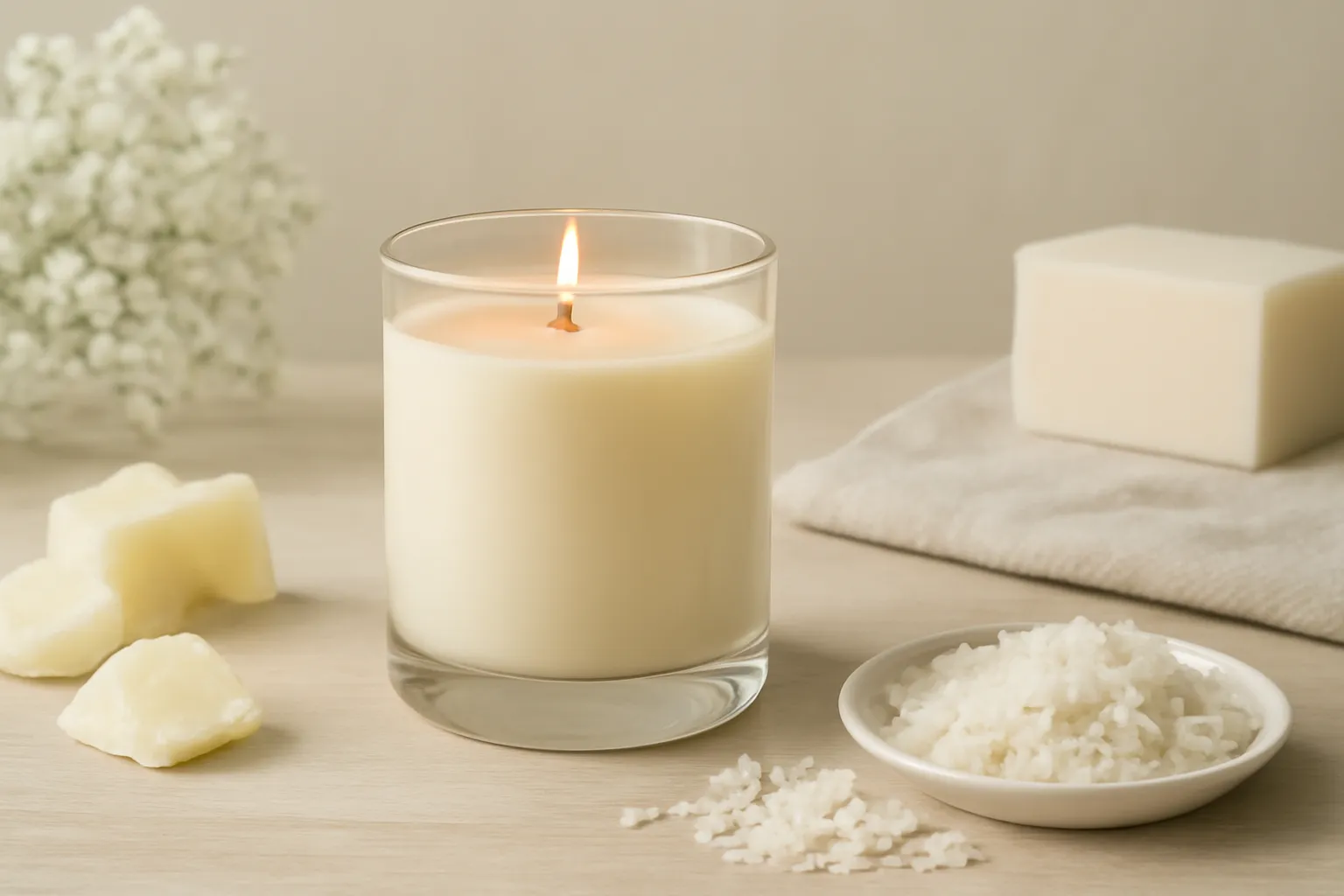
Anyone who enjoys candles has likely wondered, why does candle wax melt unevenly? This common issue can be frustrating, especially when you invest in high-quality candles and expect a smooth, even burn. Uneven melting not only impacts the candle’s appearance but can also reduce fragrance throw and overall burn time. Fortunately, understanding the causes behind this phenomenon can help you choose better products and improve your candle care routine.
In this comprehensive candle wax guide, we’ll explore the primary reasons candle wax melts unevenly, from the types of candle wax used to environmental factors and burning habits. We’ll also discuss what is considered normal versus problematic, and provide actionable tips to help you achieve the best results. Whether you’re a seasoned candle lover or new to the world of premium home fragrance, this article will help you make informed decisions and enjoy your candles to the fullest.
The Science Behind Candle Wax: Types and Physical Properties
Understanding the different types of candle wax is essential to grasp why some candles melt evenly while others do not. Candle wax can be made from various materials, including paraffin, soy, beeswax, coconut, and blends. Each type of candle wax has unique properties that influence how it melts, holds fragrance, and performs over time. For example, paraffin wax is known for its smooth finish and strong scent throw, but it can sometimes tunnel if not burned properly.
Soy wax, on the other hand, is celebrated for its clean burn and eco-friendly profile, but it is softer and more prone to surface imperfections. Beeswax is naturally dense and burns slowly, often resulting in a more even melt pool, while coconut wax offers a creamy texture and excellent scent retention. The best wax for candles often depends on your priorities, whether that’s burn time, scent strength, or sustainability. Knowing these differences can help you select candles that match your expectations and reduce the risk of uneven melting.
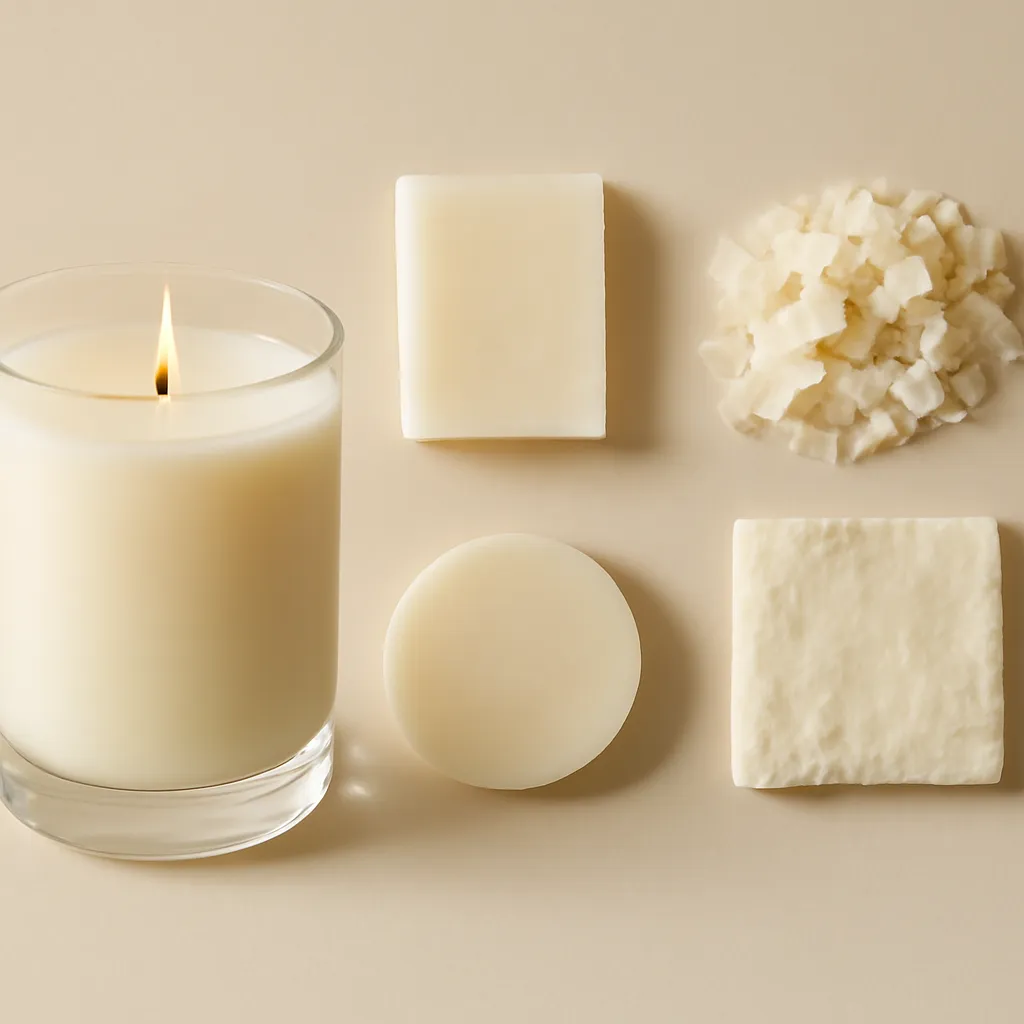
Physical properties like melting point, density, and oil content also play a role in how candle wax performs. For example, a candle made with a high-melt-point wax may resist forming a full melt pool during short burns, leading to tunneling. Conversely, softer waxes may melt too quickly, causing sides to collapse or overflow. A well-crafted candle balances these factors, ensuring the wax liquefies evenly across the surface for a consistent burn. If you’re curious about the specific wax in your favorite candle, check the packaging or ask the maker for details—this knowledge can be invaluable for troubleshooting issues and making informed purchases.
How Melt Behavior and Appearance Signal Candle Quality
The way candle wax melts is a strong indicator of both its quality and suitability for your needs. Ideally, a candle should develop a full melt pool—where the wax liquefies from edge to edge—within two to four hours of burning. If only the center melts while the sides remain solid, you’re witnessing a phenomenon called tunneling. This not only wastes wax but also diminishes the candle’s scent throw and visual appeal.
Appearance matters, too. Premium candles typically display a smooth, even surface after cooling, while lower-quality waxes may crack, pit, or develop frosty patches. These imperfections don’t always indicate a problem, but they can signal issues with the wax blend or pouring technique. Sometimes, environmental factors like drafts or temperature shifts can also affect the melt appearance. If you notice uneven melting, examine your candle’s environment and burning habits before assuming it’s a manufacturing flaw.
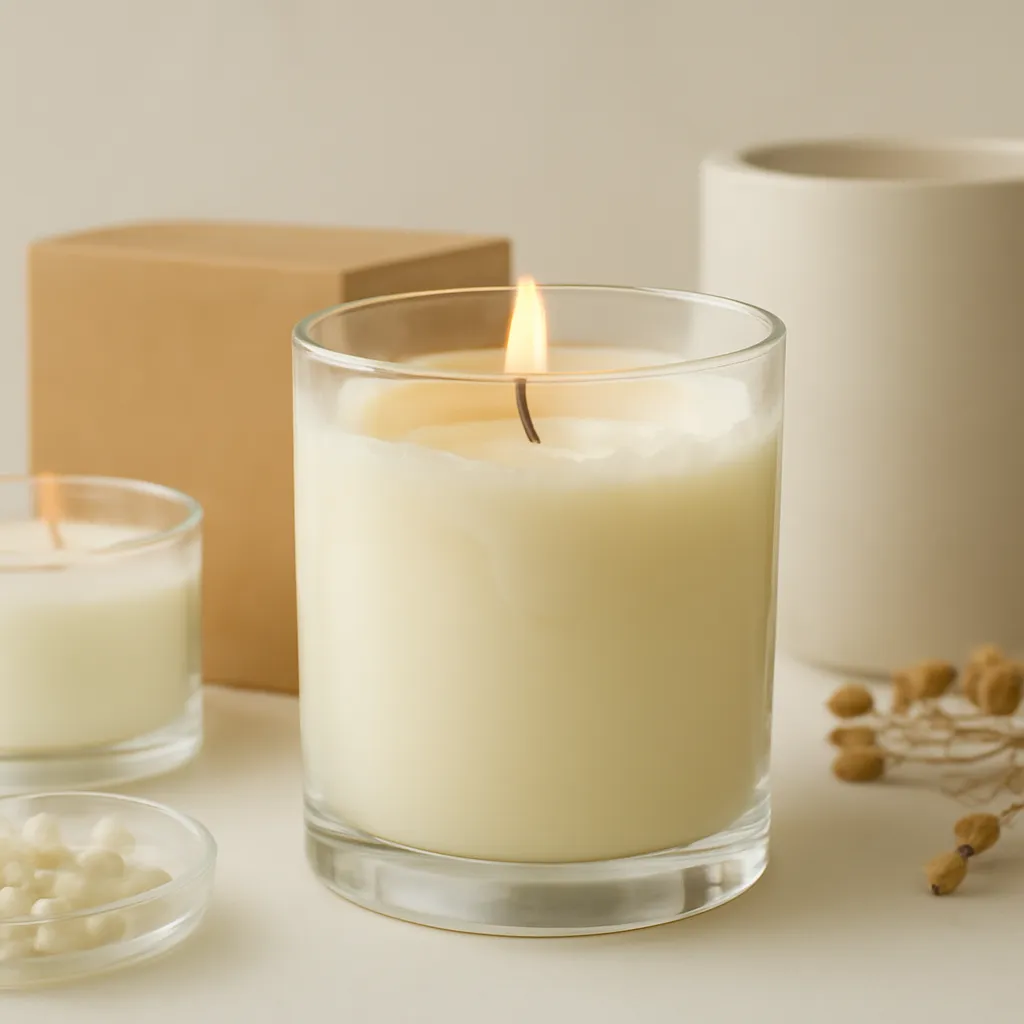
To assess melt behavior, pay attention to the first few burns. If the melt pool consistently falls short of the container’s edge, try burning the candle longer each session. Avoid short burns, as these can set a “memory ring” that encourages tunneling in future uses. By understanding how candle wax behaves during melting, you can recognize normal variations versus true quality issues and adjust your routine for optimal results.
Scent Retention and Scent Throw: The Role of Wax Choice
One of the joys of burning candles is the fragrance they release, known as scent throw. The type of candle wax plays a critical role in both scent retention (how well the wax holds fragrance oils) and scent throw (how well the scent disperses when burning). Paraffin wax is often praised for its superior scent throw, making it a favorite for those who want a strong aroma throughout their space. However, soy and coconut waxes are gaining popularity for their clean, subtle scent release and natural ingredients.
The best wax for candles in terms of fragrance depends on your personal preferences. If you prefer a gentle, lingering aroma, soy or coconut wax may be ideal. Beeswax, while less common for scented candles, offers a naturally sweet scent and excellent air-purifying properties. Blended waxes often combine the strengths of multiple materials to achieve a balance of scent throw, burn time, and appearance. When shopping for candles, look for brands that highlight their wax blend and fragrance load—these details often indicate a commitment to quality and performance.
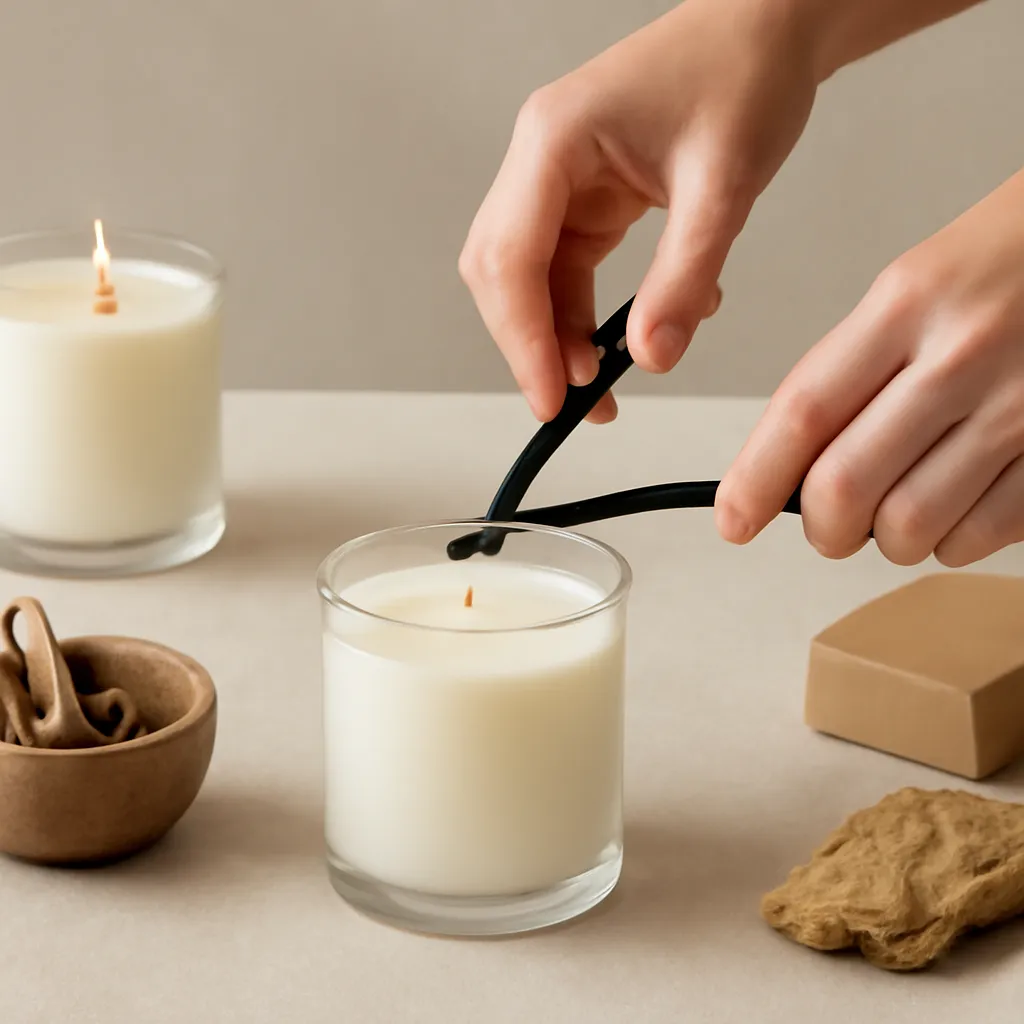
Proper burning also enhances scent throw. Allowing the candle to form a full melt pool ensures the fragrance oils are evenly released. Trimming the wick before each use helps prevent soot and ensures a clean, consistent flame. If you’re looking to explore a diverse range of fragrances and wax types, browse the soy candle collection at TadaVN Candles for inspiration. Choosing the right wax and following a few simple care steps can transform your candle experience, maximizing both scent and longevity.
Burn Performance: Wicks, Size, and Candle Construction
Burn performance is heavily influenced by the relationship between the wick, the type of candle wax, and the candle’s overall construction. A properly sized wick is essential—it must be thick enough to draw up the right amount of wax but not so large that it produces excess heat or soot. If the wick is too small, it may struggle to melt the wax evenly, causing tunneling or a weak flame.
Container size and shape also matter. Wide candles require multiple or thicker wicks to achieve an even melt pool, while tall, narrow vessels can encourage uneven melting if the wick isn’t properly centered. The best wax for candles is one that matches the vessel and wick combination, allowing for a controlled, even burn. Candle makers often test different wick and wax pairings to optimize performance, but environmental factors in your home can still influence results.
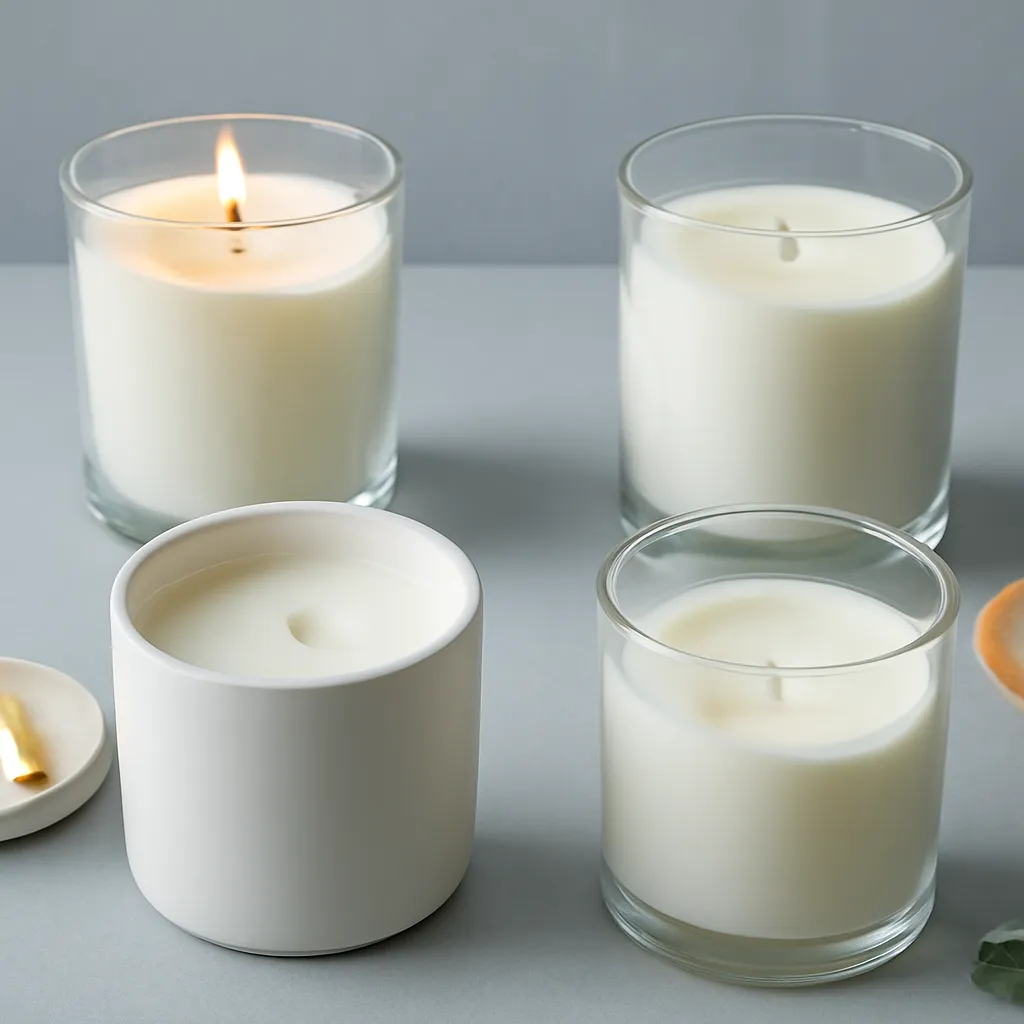
For buyers, it’s important to follow the manufacturer’s recommended burn times, especially during the first use. Most quality candles need to burn long enough to reach the container’s edge—typically two to four hours. Avoid moving the candle while burning, as this can shift the wax and wick, leading to uneven melting. If you notice persistent issues despite proper burning, consider trying a different wax type or brand, as not all candles are created equal. Paying attention to these elements helps you make the most of your candle wax and enjoy a flawless burn every time.
Storage and Environmental Conditions: Protecting Your Candles
Even the best wax for candles can be affected by storage and environmental factors. Temperature fluctuations, direct sunlight, and humidity can alter the texture and appearance of candle wax, sometimes leading to uneven melting. For example, storing candles in a hot car or near a sunny window can soften the wax, causing it to pull away from the container or develop surface imperfections.
To maintain optimal performance, store candles in a cool, dry place away from direct sunlight. Avoid areas with strong temperature swings, such as attics or bathrooms. If you live in a humid climate, consider keeping unused candles in their original packaging or wrapping them in parchment paper to prevent moisture absorption. Proper storage preserves the integrity of the wax and fragrance, ensuring your candles burn evenly and smell delightful when lit.
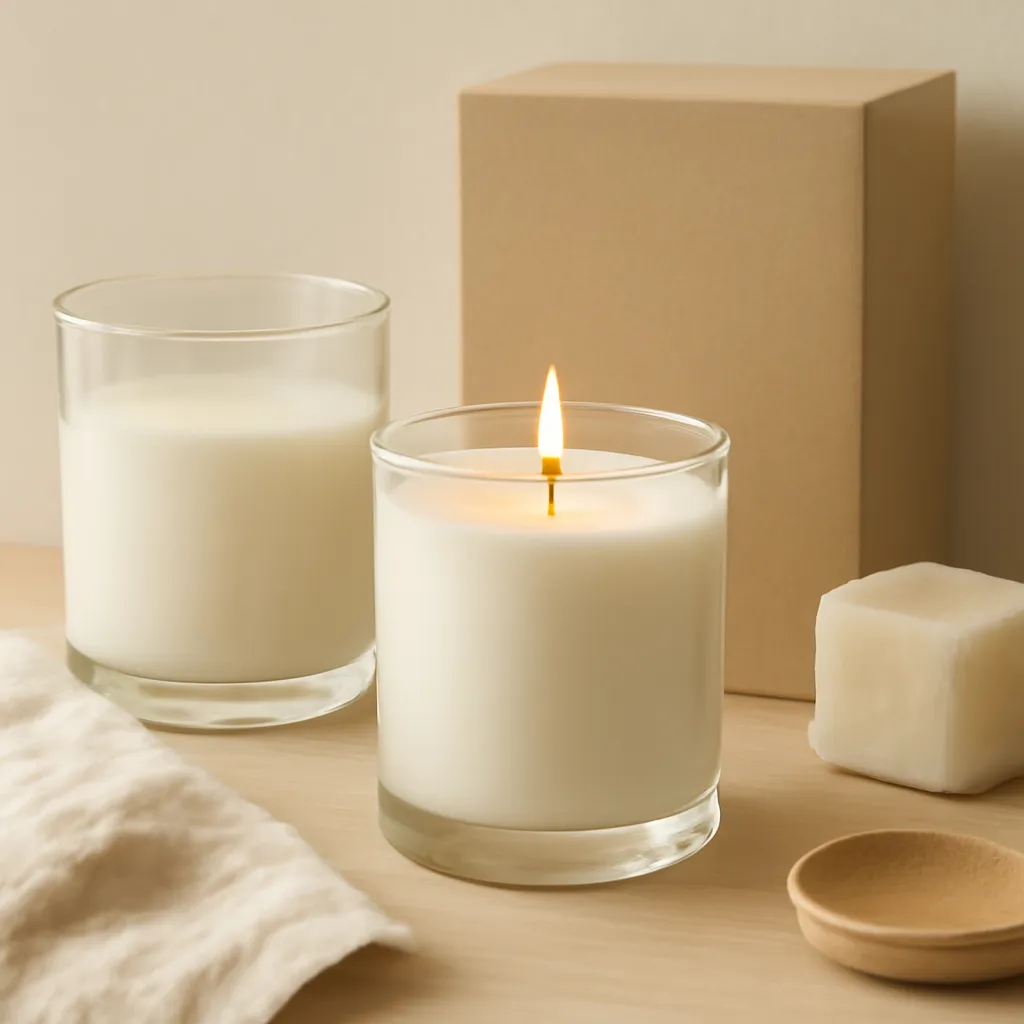
Environmental conditions during burning also matter. Drafts from open windows, fans, or air conditioning can cause the flame to flicker, leading to uneven melting and soot buildup. Always burn candles on a stable, heat-resistant surface, and keep them away from vents or breezy areas. These small adjustments can make a significant difference in how your candle wax performs, helping you achieve a beautiful, even burn every time.
What’s Normal Versus a True Problem?
It’s important to distinguish between normal variations in candle wax and issues that require attention. Minor surface changes, such as frosty patches or small cracks, are often harmless and result from temperature shifts during shipping or storage. These cosmetic imperfections rarely affect burn performance or scent throw. However, persistent tunneling, uneven melting, or excessive soot may indicate a mismatch between the wick and wax or improper burning habits.
If your candle consistently fails to form a full melt pool despite following the recommended burn times, it may be a sign of poor construction or an unsuitable wax blend. In such cases, contact the manufacturer or try a different product. Remember, the best wax for candles should deliver a smooth, even melt and a satisfying fragrance experience. Don’t hesitate to experiment with different types of candle wax to find the one that suits your preferences and environment best.
For those who love variety, consider exploring new blends and seasonal collections. Many brands, including TadaVN Candles, offer a wide range of options designed for different spaces and moods. This approach allows you to enjoy the benefits of each wax type and discover what works best in your home.
Common Mistakes and How to Avoid Them
Many candle lovers inadvertently contribute to uneven melting by making a few common mistakes. One of the most frequent errors is not allowing the candle to burn long enough during its first use. This sets a memory ring, causing the wax to tunnel in subsequent burns. To prevent this, always let the candle form a complete melt pool from edge to edge during the initial burn, which typically takes two to four hours.
Another mistake is neglecting to trim the wick before each use. A long wick can produce a large, flickering flame that generates excess heat, leading to uneven melting and soot. Use a wick trimmer or scissors to keep the wick at about 1/4 inch. Additionally, avoid burning candles in drafty areas, as moving air can cause the flame to lean and melt the wax unevenly. Place your candle on a stable, flat surface away from windows, fans, and vents for the most consistent results.
Finally, some buyers choose candles based solely on scent or appearance, overlooking the importance of wax type and construction. Consult a candle wax guide or ask knowledgeable retailers for advice on the best wax for candles in your preferred style. Brands like TadaVN Candles often provide detailed information about their materials, helping you make an informed choice and avoid disappointment.
Practical Checklist: Getting the Most from Your Candle Wax
For those who want a quick reference, here’s a practical checklist to ensure your candles melt evenly and perform beautifully:
- Choose candles made with high-quality wax blends suited to your preferences.
- Check the wick size and placement; opt for brands that test for optimal burn performance.
- Allow the candle to burn long enough to form a full melt pool during each use.
- Trim the wick to 1/4 inch before lighting to reduce soot and promote an even flame.
- Burn candles on a stable, draft-free surface away from direct sunlight and heat sources.
- Store unused candles in a cool, dry place to preserve wax and fragrance integrity.
- Consult a detailed candle wax guide or ask retailers for advice on the best wax for candles for your needs.
By following these steps, you can minimize common issues and enjoy the full benefits of your favorite candles. A little extra care goes a long way in preserving both the beauty and performance of your home fragrance collection.
Conclusion: Enjoying a Cozy, Even Burn with TadaVN Candles
Understanding why candle wax melts unevenly empowers you to select better products and create a more inviting home atmosphere. By considering wax type, burn habits, and environmental factors, you can ensure a flawless burn and maximize both scent and longevity. At TadaVN Candles, we believe that every home deserves the warmth and comfort of a beautifully crafted candle. Explore our scented candle collection and discover how the right wax can transform your space into a haven of relaxation and style.