



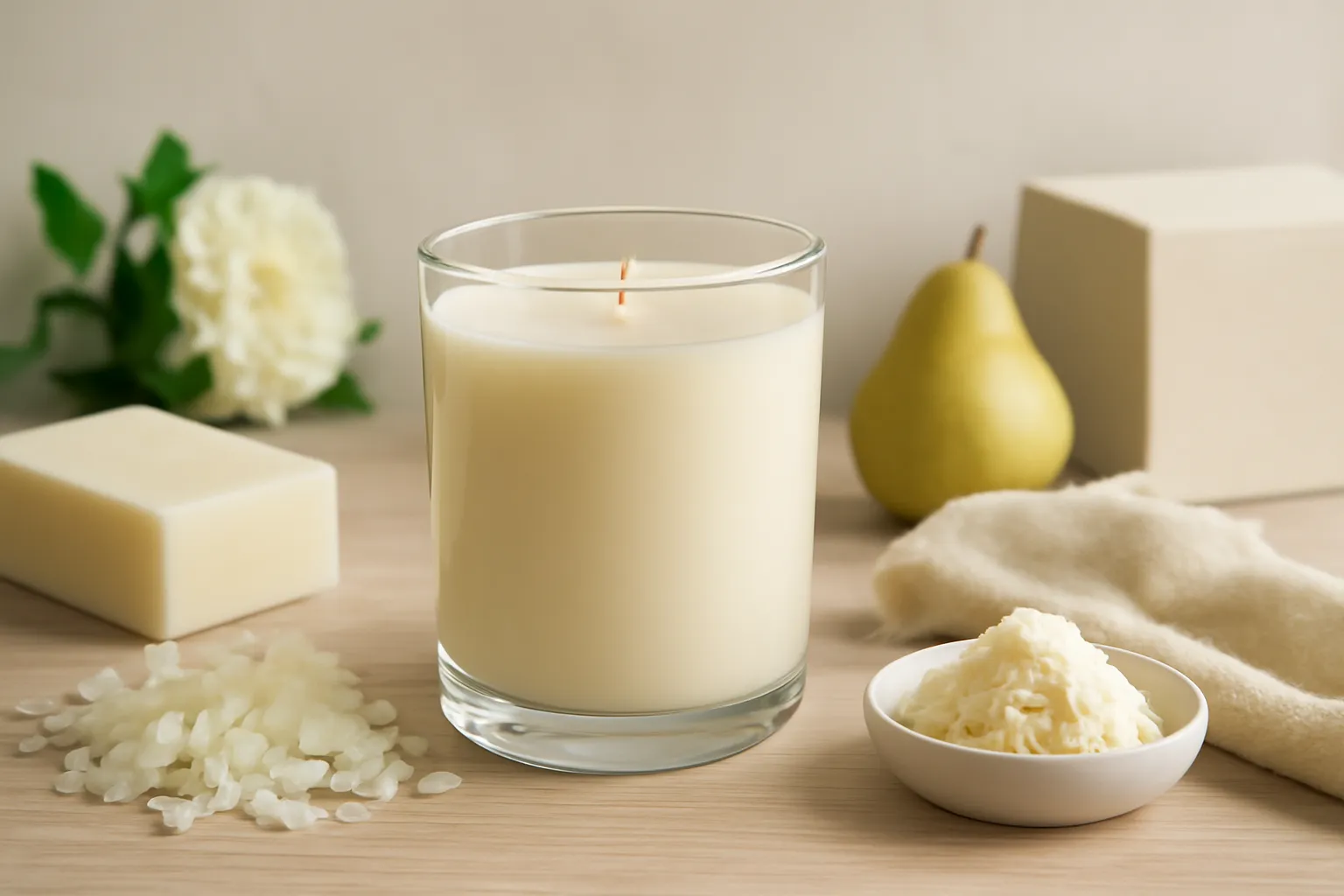
Scented candles have become a staple in homes seeking warmth, relaxation, and a touch of luxury. But have you ever wondered, what are scented candles made of? The answer goes beyond just pretty jars and enticing aromas. Each candle is crafted from three essential components: wax, fragrance, and a wick. Understanding these parts—and how they interact—can help you choose the best candle for your space and ensure you get the most from every burn.
At its core, every scented candle relies on the right blend of candle wax, carefully selected fragrances, and a properly sized wick. The combination of these elements determines how well your candle burns, how evenly it melts, and how effectively it disperses scent. This comprehensive candle wax guide will walk you through the different types of candle wax, the importance of wick maintenance, and how to spot and fix common candle issues. Whether you’re an avid candle collector or new to the world of home fragrance, this guide will help you make informed choices for a cozier, more inviting home.
The Essential Components: Wax, Fragrance, and Wick
Every scented candle is a delicate balance of three main ingredients. The candle wax forms the body of the candle, providing the fuel that sustains the flame. Wax types can vary widely, each offering unique benefits and characteristics. The fragrance is what gives each candle its personality, transforming a simple object into an immersive sensory experience. Finally, the wick acts as the engine, drawing up melted wax so the flame can burn steadily and evenly.
Choosing the right combination of these ingredients is crucial for both performance and enjoyment. For example, the best wax for candles in your home may depend on whether you prefer a cleaner burn, a stronger scent throw, or a longer-lasting candle. The type and amount of fragrance oil must be carefully balanced so it doesn’t overwhelm the wax or clog the wick. Meanwhile, the wick’s size and material affect everything from flame height to soot production. Understanding how these components work together will empower you to select candles that suit your lifestyle and preferences.
As you explore the world of scented candles, you’ll notice that premium brands often highlight their wax blends and fragrance choices. This transparency reflects a commitment to quality and safety, ensuring that your candle not only smells wonderful but also burns cleanly and efficiently. By paying attention to these details, you can enjoy a more satisfying candle experience and create a welcoming atmosphere in any room.
Wick Maintenance: The Key to a Perfect Burn
Maintaining your candle’s wick is one of the simplest yet most important steps to ensure a clean, even burn. A well-maintained wick helps regulate the size of the flame, minimizes soot, and maximizes fragrance diffusion. The ideal wick-maintenance routine involves trimming the wick to about 1/4 inch before each use. This prevents the flame from becoming too large, which can cause the wax to burn too quickly and produce smoke or soot.
To trim your wick, use a specialized wick trimmer or a small pair of scissors. Remove any mushrooming or carbon buildup at the tip of the wick, as these can lead to uneven burning and excess soot. Always let the wax cool and harden before trimming, and never attempt to adjust the wick while the candle is burning. Regular maintenance not only extends the life of your candle but also preserves the quality of the fragrance and ensures a safer, more enjoyable experience.
Incorporating wick care into your candle routine is especially important if you use premium candles, such as those from TadaVN Candles. Their soy candle collection is designed to perform best with proper wick trimming, which helps maintain the integrity of the wax and fragrance. By making wick maintenance a habit, you can enjoy the full benefits of your favorite candles and create a consistently cozy ambiance at home.
Signs Your Wick Is Too Long or Too Short
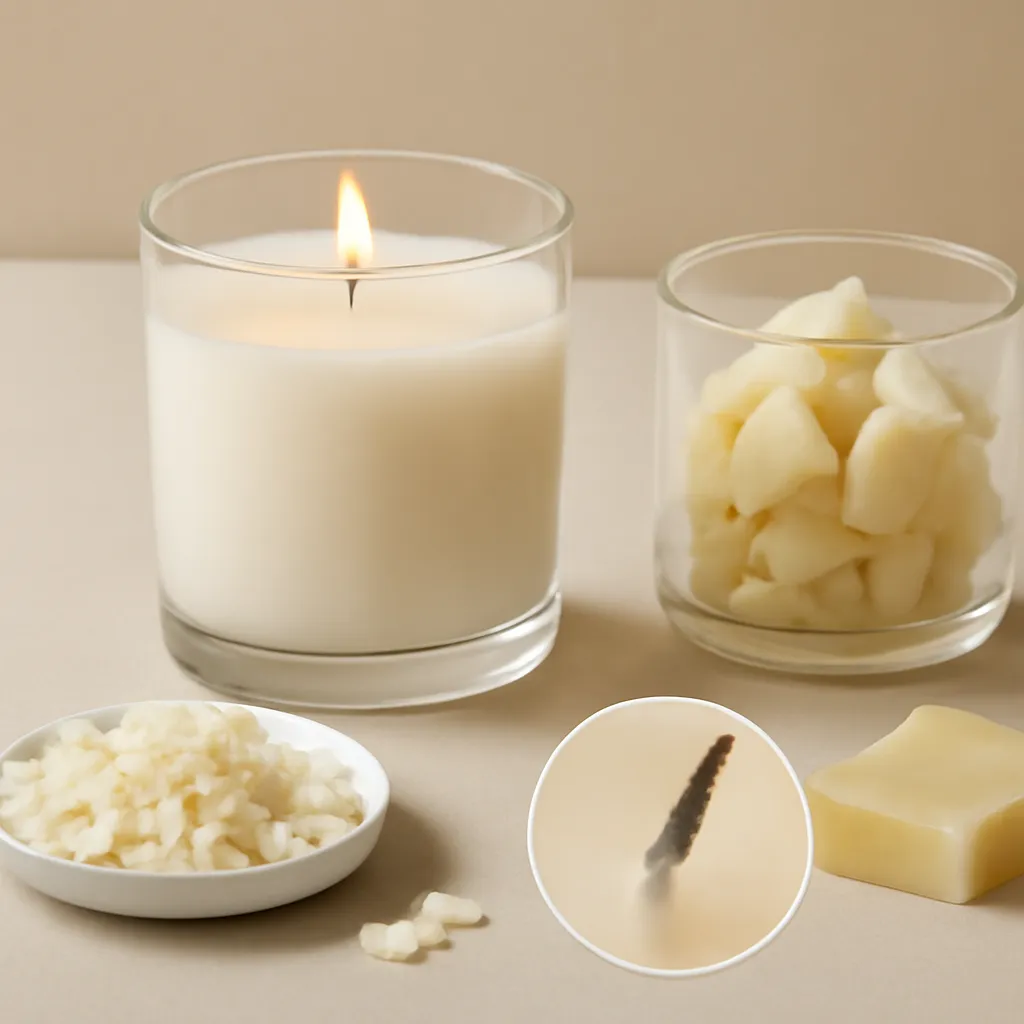
Recognizing when your candle’s wick is the wrong length is essential for safe and optimal burning. A wick that’s too long will produce a large, flickering flame that may smoke, create soot, and burn through the candle wax too quickly. This can also lead to uneven melting, causing the wax to tunnel or form a crater around the wick. On the other hand, a wick that’s too short may struggle to stay lit, resulting in a weak flame that fails to melt the wax pool fully. This can trap fragrance and reduce your candle’s scent throw.
To spot these issues, observe your candle during the first hour of burning. If the flame is dancing wildly, produces black smoke, or leaves residue on the jar, the wick is likely too long. If the flame is tiny, frequently extinguishes itself, or leaves a ring of unmelted wax, the wick is probably too short. In both cases, adjusting the wick length can restore proper function. Always let the candle cool before making any changes, and trim or adjust the wick as needed to achieve a steady, moderate flame.
Paying attention to the wick’s condition is a simple yet effective way to enhance your candle’s performance. By keeping the wick at the right length, you ensure an even melt pool, minimize soot, and make the most of your chosen types of candle wax. This attention to detail will help you enjoy the full aroma and visual appeal of your favorite candles.
How Wick Condition Affects Flame and Soot
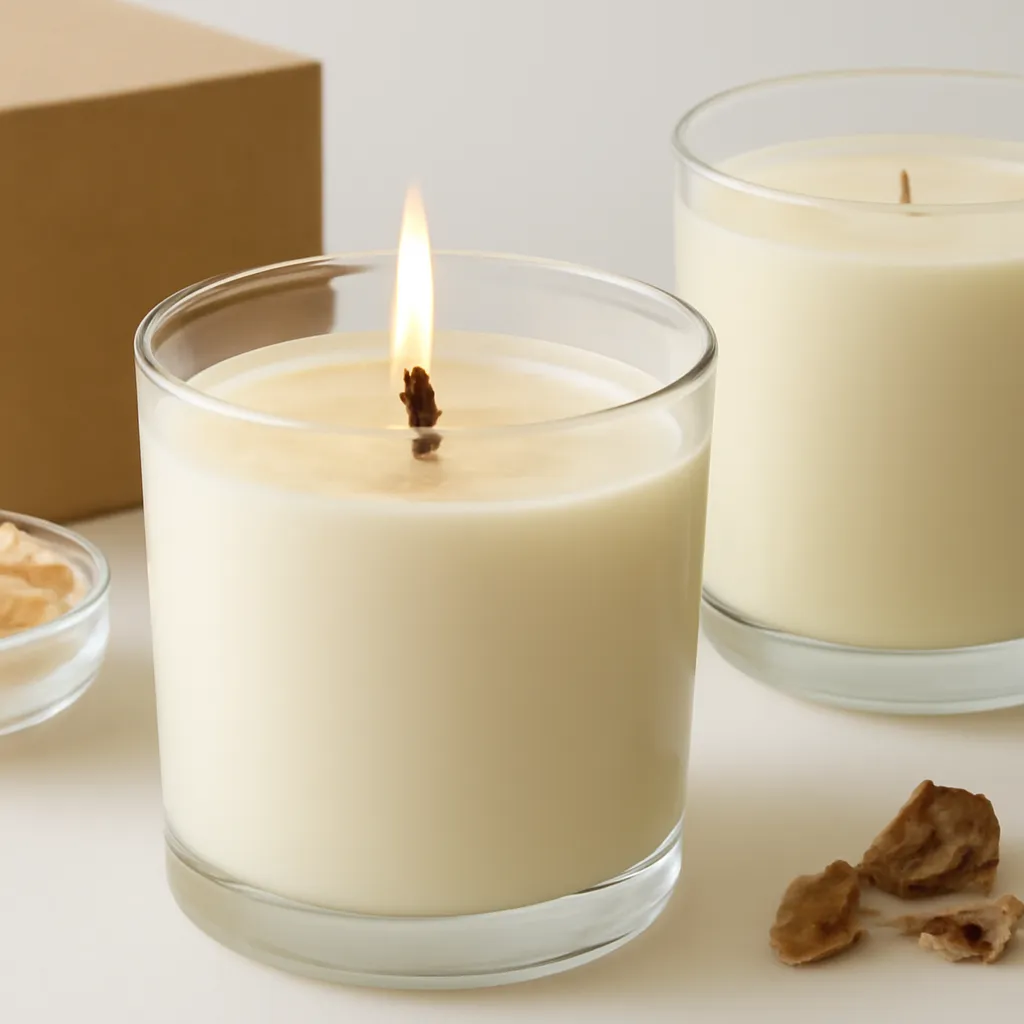
The condition of your candle’s wick plays a pivotal role in determining the quality of the flame and the amount of soot produced. When the wick is properly trimmed and centered, the flame burns steadily and evenly, allowing the candle wax to melt uniformly. This not only enhances the scent throw but also reduces the risk of soot buildup on the jar or surrounding surfaces. Soot is more than just an aesthetic concern; over time, it can discolor walls, ceilings, and furniture, especially in small or poorly ventilated spaces.
If you notice excessive soot or smoke, the wick may be too long or have accumulated carbon buildup. Trimming the wick to the recommended length before each use can dramatically improve the burning experience. Additionally, using high-quality candles made from the best wax for candles can further minimize soot production. Some waxes, such as soy and coconut, are known for their cleaner burn compared to traditional paraffin. However, even the best scented candles can produce soot if the wick is neglected.
For those who love burning candles frequently, it’s helpful to develop a routine: trim the wick, check for debris in the wax, and ensure the candle is placed away from drafts. These small steps can make a significant difference in both the appearance and longevity of your candles, allowing you to enjoy a beautiful, soot-free ambiance every time.

When Wick Problems Need a Different Fix
Sometimes, trimming the wick isn’t enough to solve burning issues. If you consistently experience problems—such as tunneling, uneven melting, or persistent smoking—it may be time to consider other solutions. One common issue is wick centering. If the wick drifts off-center, the candle may burn unevenly, leaving unmelted wax along one side of the jar. Gently repositioning the wick with a wick dipper or tweezers while the wax is still warm can help.
Another scenario involves the type of wick used. Some candles are made with cotton wicks, while others use wood or braided varieties. Each interacts differently with various types of candle wax. If a candle repeatedly drowns its wick or burns too quickly, it may be a sign that the wick is mismatched to the wax blend. In such cases, it’s best to consult the manufacturer or choose candles from reputable brands that carefully match wick and wax for optimal performance.
Finally, if your candle develops a stubborn tunnel or the wick becomes buried in wax, try using a heat gun or carefully pouring off excess wax to reset the surface. These advanced fixes can salvage a favorite candle, but prevention—through proper maintenance and choosing quality products—is always preferable.
Candle Wax Types: Properties and Performance
The type of wax used in a candle greatly influences its burn characteristics, scent throw, and overall appeal. The most common types of candle wax include paraffin, soy, coconut, beeswax, and blends. Paraffin wax is known for its strong scent throw and affordability, but it can produce more soot if not properly maintained. Soy wax, derived from soybeans, is popular for its cleaner burn and smooth appearance. Coconut wax is valued for its creamy texture and excellent fragrance diffusion, often used in luxury candles.
Beeswax candles are prized for their natural honey scent and long burn times. They tend to produce minimal soot and have a beautiful golden hue. Blended waxes combine the best properties of different materials, offering a balance of performance, scent, and appearance. When choosing the best wax for candles, consider your preferences for burn time, scent strength, and eco-friendliness. Each wax type interacts differently with fragrances and wicks, affecting the overall candle experience.
Understanding the physical properties of wax—such as melting point, hardness, and opacity—can help you select the right candle for your needs. For example, softer waxes like soy and coconut are ideal for container candles, while harder waxes like beeswax work well in pillars and tapers. By referring to a comprehensive candle wax guide, you can make informed decisions and enjoy a more satisfying candle experience at home.
How Wax Type Affects Melt Behavior and Appearance
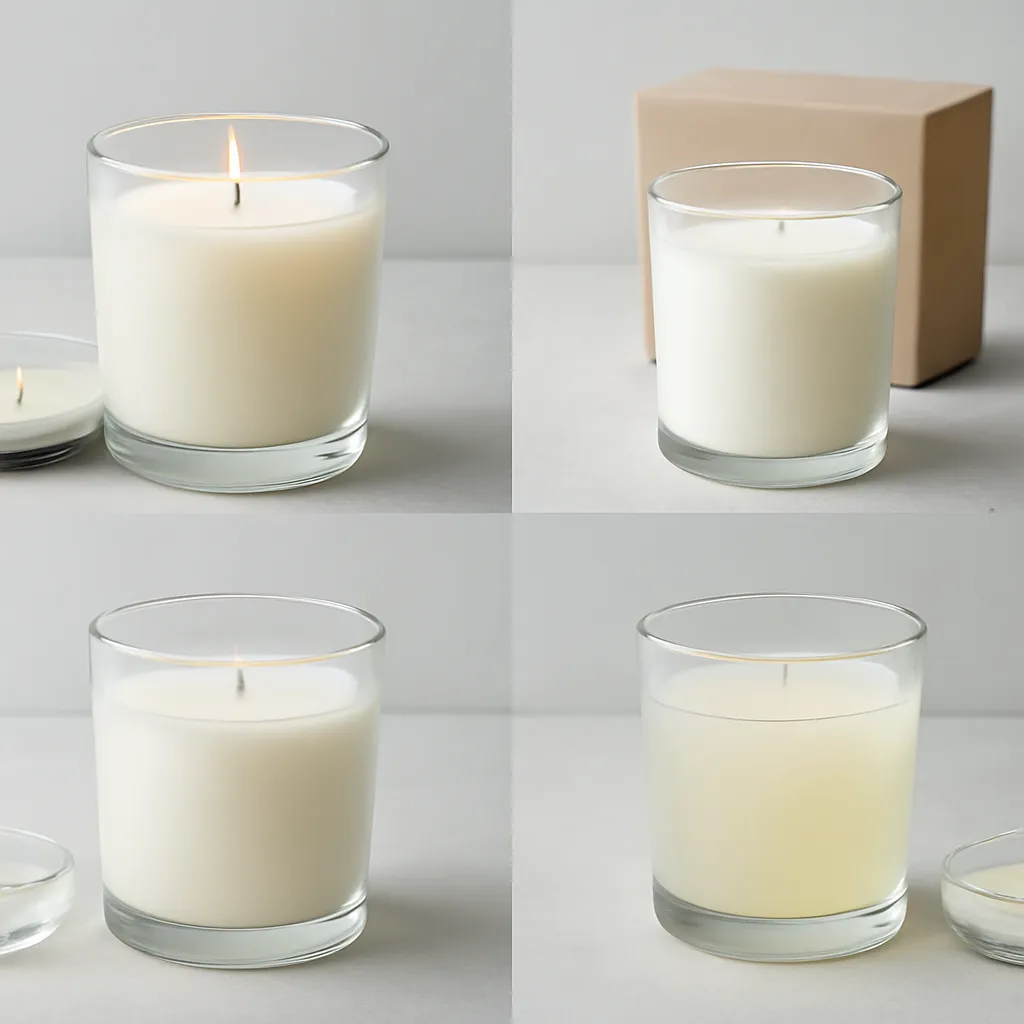
The wax’s composition doesn’t just impact scent and burn time—it also determines how the candle melts and looks as it burns. Softer waxes, such as soy and coconut, tend to form an even melt pool across the surface, which helps release fragrance consistently. These waxes are less likely to tunnel if the candle is burned long enough to allow the entire surface to liquefy. Harder waxes, like paraffin and beeswax, may require longer initial burns to prevent tunneling but often hold their shape better in decorative forms.
The appearance of the wax can also vary. Soy wax often has a creamy, opaque finish, while paraffin can be more translucent. Beeswax offers a natural golden color and subtle texture. Some luxury candles feature unique wax blends that create a distinctive look and feel. Paying attention to these details can enhance your appreciation for candle craftsmanship and help you choose candles that complement your home’s style.
Whether you prefer the rustic charm of beeswax, the modern elegance of soy, or the rich creaminess of coconut, understanding how candle wax behaves will help you select candles that perform beautifully and look stunning in any setting.

Fragrance: The Heart of Scented Candles
While wax and wick are essential, fragrance is what transforms a candle into a truly sensory experience. Candle fragrances are typically created using a blend of essential oils, fragrance oils, or both. The choice and concentration of fragrance must be carefully balanced with the wax type to ensure proper diffusion and avoid overpowering the senses. Too much fragrance oil can cause the wax to become unstable, leading to uneven burning or clogging the wick.
When shopping for scented candles, look for brands that disclose their fragrance ingredients and use high-quality oils. Premium candles often feature complex scent profiles, combining top, middle, and base notes for a layered, evolving aroma. The way fragrance interacts with the candle wax and wick can affect both the cold throw (the scent when unlit) and the hot throw (the scent when burning). Experimenting with different fragrances and wax types can help you discover your personal favorites.
For those sensitive to certain scents, consider starting with single-note candles or unscented varieties. As you become more familiar with how different types of candle wax and fragrances perform, you’ll be able to curate a collection that suits both your mood and your home’s atmosphere.
Common Candle Mistakes and What to Do Instead
Even experienced candle lovers sometimes make mistakes that affect performance and safety. One of the most common errors is failing to trim the wick before each burn, which can lead to excessive soot and uneven melting. Another mistake is extinguishing the candle too soon, which can cause tunneling and waste valuable candle wax. To avoid this, allow your candle to burn long enough for the entire surface to melt during the first use—usually about one hour per inch of diameter.
Placing candles near drafts or air vents can also disrupt the flame and lead to uneven burning. Always position your candles on a stable, heat-resistant surface, away from children, pets, and anything flammable. If you notice persistent issues, such as a wick that won’t stay lit or wax that won’t melt evenly, refer to a reliable candle wax guide or consult the manufacturer for advice. Choosing high-quality candles from reputable brands, such as those available in the home fragrance collection at TadaVN Candles, can also help prevent common pitfalls.
By following these best practices and paying attention to the details, you can enjoy longer-lasting, cleaner-burning candles that fill your home with beautiful fragrance and light.
Conclusion: Crafting the Perfect Candle Experience
Understanding what are scented candles made of—from the wax and fragrance to the wick—empowers you to choose candles that enhance your home and your mood. By caring for your candles and selecting the right materials, you can create a cozy, inviting atmosphere that reflects your personal style. Whether you’re drawn to the creamy finish of soy, the golden glow of beeswax, or the luxurious scent blends of premium brands, every detail matters.
At TadaVN Candles, we believe that the right candle can transform any space. Our carefully curated collection features the finest types of candle wax and fragrances, designed to deliver a premium experience from the first light to the last. Explore our soy candle collection and discover how the perfect blend of wax, fragrance, and wick can complete your cozy home.