
When searching for the perfect candle, one of the first questions many buyers ask is: which candle wax burns the longest? With so many types of candle wax available, it can be difficult to know which material will give you the most hours of enjoyment. Whether you’re a seasoned candle enthusiast or just beginning to explore the world of home fragrance, understanding the factors that influence candle burn time is essential. In this comprehensive 2026 comparison, we’ll answer the core question clearly, then guide you through the science and art of candle wax selection so you can make informed choices for your space.
At its simplest, the candle wax that burns the longest is typically one with a higher melting point and greater density, such as soy or beeswax. However, burn time is not determined by wax alone. Wick size, vessel shape, session length, and even your burning habits all play crucial roles in how long your candle will last. By the end of this guide, you’ll understand not only which candle wax burns longest but also how to maximize every candle you bring home.
Understanding Wax Hardness and Melt Point
The journey to discovering which candle wax burns the longest begins with wax hardness and melt point. Hardness refers to how solid the wax remains at room temperature, while the melt point is the temperature at which the wax transitions from solid to liquid. These characteristics impact how quickly a candle consumes its fuel during each burn. For example, paraffin wax has a relatively low melt point, which means it melts and evaporates faster, often leading to a shorter overall burn time compared to harder waxes.
Soy wax, in contrast, features a higher melt point and greater density. This results in a slower, more controlled burn, allowing the candle to last longer under ideal conditions. Beeswax is another contender for the title of best wax for candles in terms of longevity. Its naturally high density and elevated melt point make it one of the longest-burning options available. Palm wax and coconut wax also offer unique properties, but their hardness and melt characteristics can vary widely depending on formulation and blend. The key takeaway is that wax hardness and melt point set the foundation for burn time, but they are only the beginning of the story.
The Influence of Wick and Vessel on Burn Time
Even the best wax for candles will not reach its full potential without the right wick and vessel pairing. The wick acts as the fuel delivery system, drawing melted wax upward to feed the flame. A wick that is too large for the vessel or wax type will create an oversized flame, causing the wax to burn away quickly. Conversely, a wick that is too small may tunnel or drown, leaving much of the wax unused. This is why thoughtful wick selection is critical when considering which candle wax burns longest in real-world use.
Vessel shape and material also play a significant role. Wide, shallow vessels expose more surface area to the flame, often resulting in faster wax consumption. Deep, narrow containers help concentrate heat and can slow the rate at which wax is melted and burned. Glass and ceramic are popular vessel choices, as they retain heat well and protect the flame from drafts. When shopping for candles, look for brands that clearly state their wick and vessel choices, as these details can make a dramatic difference in burn longevity.
Session Length: The Overlooked Factor
How long you burn your candle during each session is a surprisingly important factor in determining which candle wax burns the longest. Short, frequent burns can lead to tunneling, where only the center of the wax melts and the edges remain untouched. This reduces the usable wax and significantly shortens the candle’s life. To avoid this, experts recommend burning your candle for at least one hour per inch of vessel diameter during the first use. This allows the wax pool to reach the edges, ensuring an even burn for future sessions.
Longer, consistent burn sessions are generally more efficient. They help the candle consume wax evenly, maximizing total burn time. However, burning for too long—typically more than four hours at a stretch—can cause the wick to mushroom and the flame to become unstable. This not only wastes wax but may also create soot or smoke. By following best practices for session length, you can make the most of any type of candle wax and enjoy a cleaner, longer-lasting candle experience.
Why Burn Time Can’t Be Judged by Wax Type Alone
It’s tempting to believe that simply choosing the right wax guarantees the longest burn. However, reality is more complex. The phrase “which candle wax burns the longest” often overlooks the interplay between wax, wick, vessel, and even fragrance load. For example, a poorly wicked soy candle may burn faster than a well-crafted paraffin candle, despite soy’s natural advantages. Similarly, candles with high fragrance oil content can burn more quickly, as the oils lower the wax’s effective melt point.
Environmental factors also come into play. Drafty rooms, temperature fluctuations, and how frequently you trim your wick all influence burn time. Even the way you extinguish your candle—snuffing versus blowing—can affect future burns and wax consumption. In short, while certain types of candle wax are predisposed to longer burns, the overall candle design and your usage habits are equally important. This is why experienced candle makers carefully balance all elements to achieve optimal performance, rather than relying on wax type alone.
Types of Candle Wax: A Comparative Overview
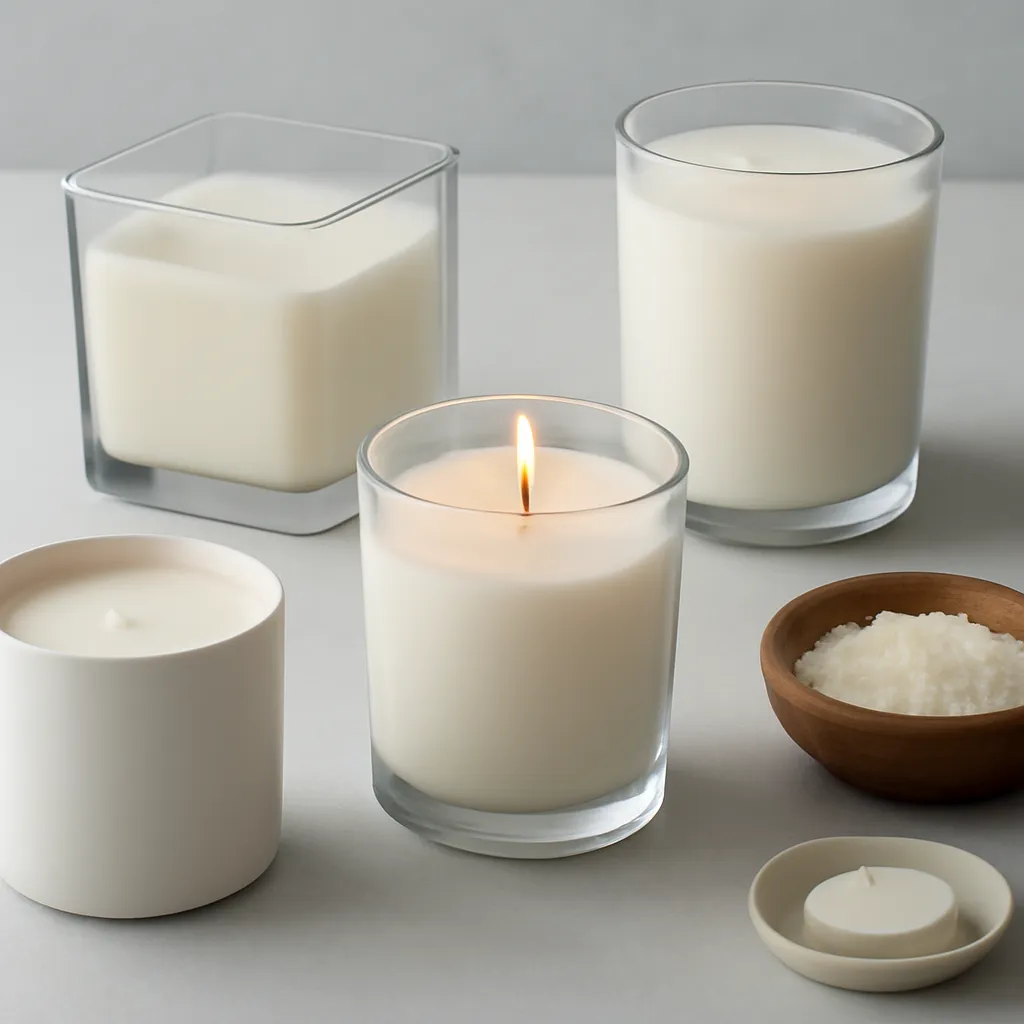
To answer which candle wax burns the longest, it’s essential to compare the most common types of candle wax found in today’s market. Paraffin wax is widely used due to its affordability and ease of use, but it typically offers a moderate burn time. Soy wax is celebrated for its slow, even burn and is often chosen by those seeking both longevity and a cleaner burn. Beeswax stands out for its exceptional hardness and high melt point, making it a top contender for the best wax for candles when longevity is the primary goal.
Palm wax creates a beautiful crystalline appearance and burns relatively slowly, but it can be more challenging to source sustainably. Coconut wax is increasingly popular for its creamy texture and impressive scent throw, though its burn time may vary depending on the blend. Blended waxes, which combine two or more types, often attempt to balance burn time, fragrance performance, and visual appeal. When evaluating which candle wax burns longest, consider not only the wax itself but also the formulation and craftsmanship behind each product.
Melt Behavior and Appearance: What to Expect
The way a candle’s wax melts and pools directly influences both its burn time and its appearance. Softer waxes like coconut or paraffin tend to melt quickly, forming a wide, shallow pool. This can create dramatic visual effects and maximize fragrance release, but it may also lead to faster wax depletion. Harder waxes such as soy and beeswax melt more slowly, often forming a smaller, deeper pool that conserves wax and prolongs the candle’s life.
Visual cues can help you judge whether a candle is burning efficiently. If you notice excessive tunneling or uneven melt patterns, it may indicate a mismatch between the wick and wax or improper burning technique. A well-made candle will display a smooth, even melt pool that reaches the vessel’s edge within a reasonable timeframe. Paying attention to melt behavior not only enhances your enjoyment but also helps you select the best wax for candles in your home. For those curious about new fragrance experiences, consider exploring the soy candle collection for a blend of longevity and scent quality.
Common Mistakes That Shorten Burn Time
Many candle lovers unknowingly make mistakes that reduce burn time, regardless of which candle wax burns the longest by design. One frequent error is failing to trim the wick before each use. A long or mushroomed wick produces a larger flame, which burns through wax quickly and can create soot. Always trim the wick to about 1/4 inch before lighting your candle to ensure a controlled, efficient burn.
Another common mistake is allowing drafts or fans to blow across the candle. This causes the flame to flicker and the wax to melt unevenly, wasting both wax and fragrance. Placing candles on uneven surfaces or near heat sources can also distort the vessel and compromise burn performance. Finally, extinguishing candles by blowing them out may scatter hot wax or damage the wick. Instead, use a snuffer to gently put out the flame. By avoiding these pitfalls, you can enjoy the full potential of your chosen candle wax and maximize every burn session.
Checklist: How to Choose the Best Wax for Your Needs
Selecting the best wax for candles starts with understanding your own priorities. If burn time is your top concern, look for candles made from soy or beeswax, as these types of candle wax are renowned for their longevity. If fragrance throw or visual appeal is more important, consider coconut or blended waxes. Here’s a practical checklist to guide your decision:
- Determine your primary goal: long burn time, strong scent, or unique appearance.
- Check the melt point and hardness of the wax listed on the product label.
- Review vessel size and shape for optimal performance with the chosen wax.
- Look for quality wick materials and proper sizing for the vessel.
- Read reviews or ask about average burn time per ounce or gram.
- Consider sustainability and sourcing if environmental impact matters to you.
- Test a small candle before committing to a larger size or multi-pack.
For those who love experimenting with home fragrance, try adding wax melts or home fragrance options to your routine. This allows you to experience different wax types and scent profiles without committing to a full candle.
Real-World Examples and Comparison Table
Let’s look at some real-world examples to illustrate how different types of candle wax perform. A typical 8-ounce paraffin candle may burn for 30 to 40 hours, while a soy candle of the same size can often reach 50 to 60 hours under ideal conditions. Beeswax candles, particularly in pillar form, are known to exceed 60 hours for similar weights, thanks to their high density and slow melt rate. Coconut wax candles vary, but well-made blends can match or exceed soy in burn time while offering excellent scent throw.
Here’s a simplified comparison table for quick reference:
- Paraffin Wax: 30–40 hours (8 oz), moderate scent throw, soft texture
- Soy Wax: 50–60 hours (8 oz), clean burn, smooth surface
- Beeswax: 60+ hours (8 oz), natural scent, firm and dense
- Coconut Wax: 40–60 hours (8 oz), creamy texture, strong fragrance
- Palm Wax: 40–55 hours (8 oz), crystalline look, firm
These figures are estimates and can vary based on wick, vessel, and burning habits. To find your personal favorite, explore different types of candle wax and observe how each performs in your home environment. For unique gift ideas, visit the natural anchor text section for curated candle selections.
Conclusion: Creating a Cozy Home with TadaVN Candles
Choosing which candle wax burns the longest is about more than just selecting a material—it’s about understanding how wax, wick, vessel, and your own habits work together to create a lasting, enjoyable experience. Whether you prefer the slow, steady glow of beeswax, the clean burn of soy, or the creamy fragrance of coconut wax, the best wax for candles is ultimately the one that fits your lifestyle and preferences. At TadaVN Candles, we believe that every home deserves a candle that not only lasts but also fills your space with warmth and comfort. Explore our scented candles to find your perfect match and bring a touch of lasting luxury to your everyday moments.