



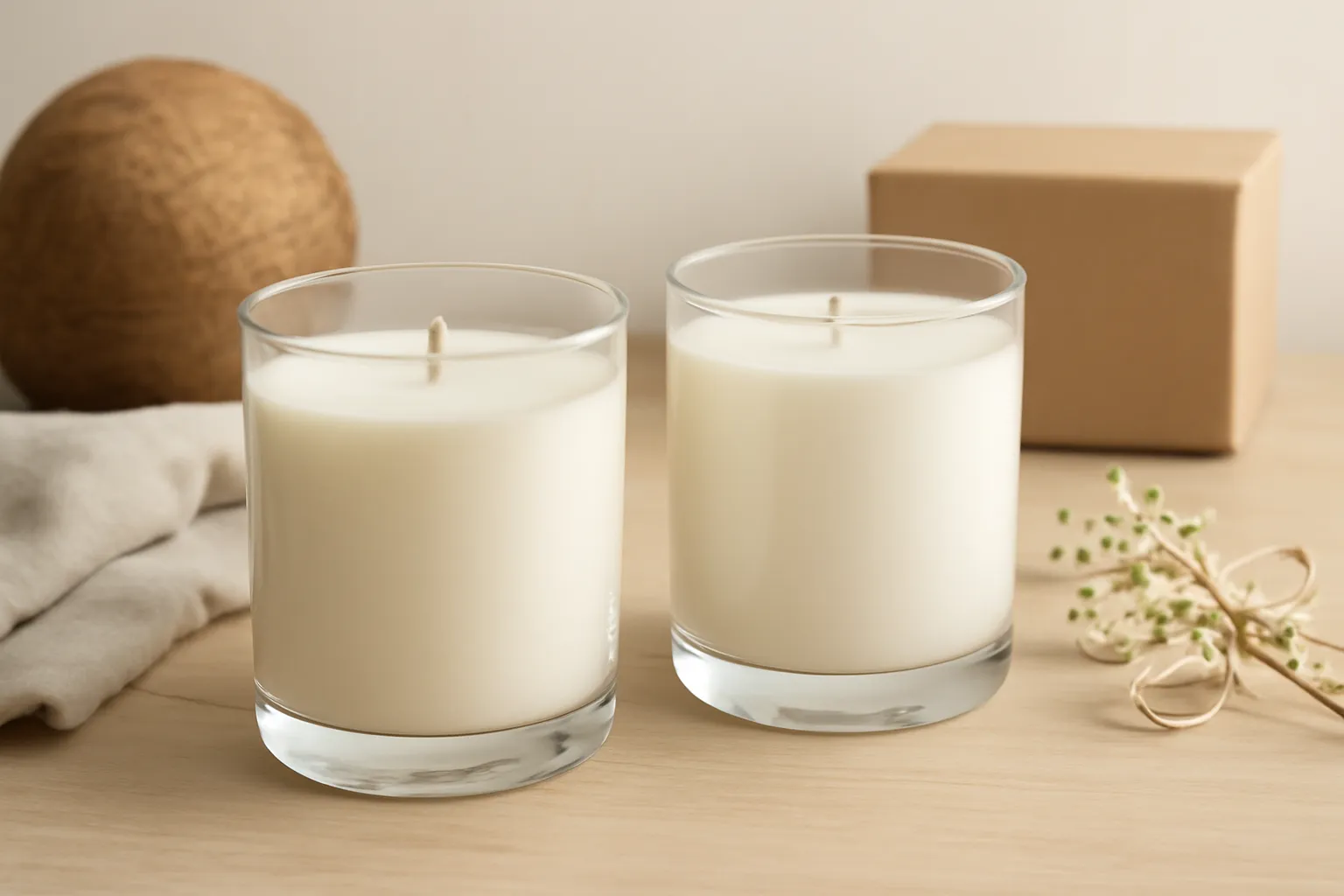
When it comes to choosing the best wax for candles, the debate often centers on coconut wax vs soy wax: which candle wax performs better? Both options have gained loyal followings among candle lovers, but their differences can be subtle and sometimes confusing. If you’re searching for a candle that delivers a beautiful burn, a strong scent, and a pleasing appearance, understanding how these two types of candle wax compare is essential. In this guide, we’ll break down the unique qualities of coconut and soy wax, answer your most pressing questions, and help you find the right wax for your home and lifestyle.
For many buyers, the choice between coconut wax vs soy wax comes down to performance, scent throw, and overall value. While both are natural alternatives to traditional paraffin, their physical properties and practical tradeoffs set them apart. In the following sections, we’ll explore their texture and melt characteristics, scent performance, blend uses, price points, and more. By the end, you’ll have the knowledge you need to confidently select the best wax for candles in your space.
Texture and Melt Characteristics: The Foundation of Candle Performance
The physical texture and melt behavior of candle wax are crucial factors that influence everything from burn time to the evenness of the melt pool. Coconut wax is known for its creamy, soft consistency and low melting point. This makes it easy to work with during candle making and allows it to form an even, glossy surface when cooled. Soy wax, on the other hand, has a firmer, more opaque appearance and a slightly higher melting point. It tends to set with a matte finish and can sometimes show minor surface imperfections, such as frosting or cracking, especially in cooler environments.
These differences in texture impact how each wax performs in real-world use. Coconut wax’s lower melting point means it melts quickly and thoroughly, often resulting in a wider melt pool and a more consistent burn. This can help maximize fragrance diffusion, but it also means coconut wax candles may be more sensitive to warm storage conditions. Soy wax’s firmer nature makes it less prone to melting during shipping or in hot rooms, but it can sometimes tunnel if not burned properly. To avoid this, always allow soy candles to burn long enough for the wax to melt evenly across the surface.
For candle crafters and buyers alike, the tactile and visual qualities of the wax matter just as much as scent or burn time. Coconut wax’s creamy texture is often preferred for luxury candles, while soy wax appeals to those seeking a more traditional, sturdy finish. Both types of candle wax offer advantages, but understanding their melt characteristics helps you set realistic expectations for performance and care.
Scent Performance: Maximizing Fragrance Throw and Longevity
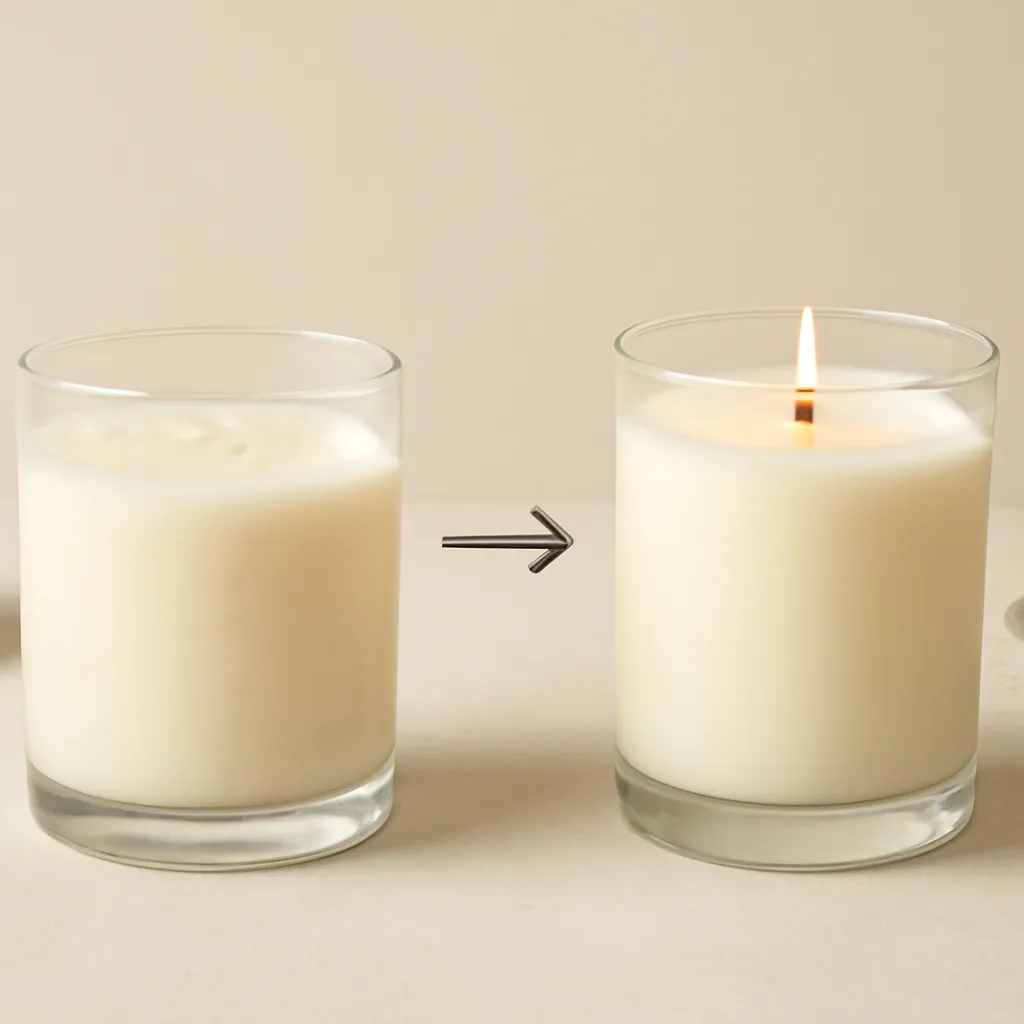
One of the most important considerations for any candle enthusiast is how well the candle fills a room with fragrance. Scent performance depends on both the wax’s ability to hold and release fragrance oils and the way it interacts with the wick and air. Coconut wax is widely praised for its excellent scent throw. Its creamy, porous structure allows it to absorb higher concentrations of fragrance oil, which can translate to a stronger, more noticeable aroma both when cold and while burning.
Soy wax, while still a popular choice for scented candles, typically holds a slightly lower percentage of fragrance oil. This means that soy candles may offer a more subtle scent experience, which some buyers prefer for smaller spaces or for those sensitive to strong aromas. However, high-quality soy wax blends and careful formulation can still produce an impressive scent throw, especially when paired with premium fragrance oils and well-matched wicks. The key is to look for candles crafted by reputable makers who understand the nuances of each wax type.
When comparing coconut wax vs soy wax for scent performance, consider the size of the room, your personal scent preferences, and how quickly you want the fragrance to fill the space. For those who love bold, lingering scents, coconut wax often comes out ahead. For a gentler, more nuanced fragrance experience, soy wax remains a solid choice. If you’re building a home fragrance collection, explore options from the soy candle collection or try a variety of wax types to see which suits your lifestyle best.
Appearance and Blend Use: Customizing the Look and Feel
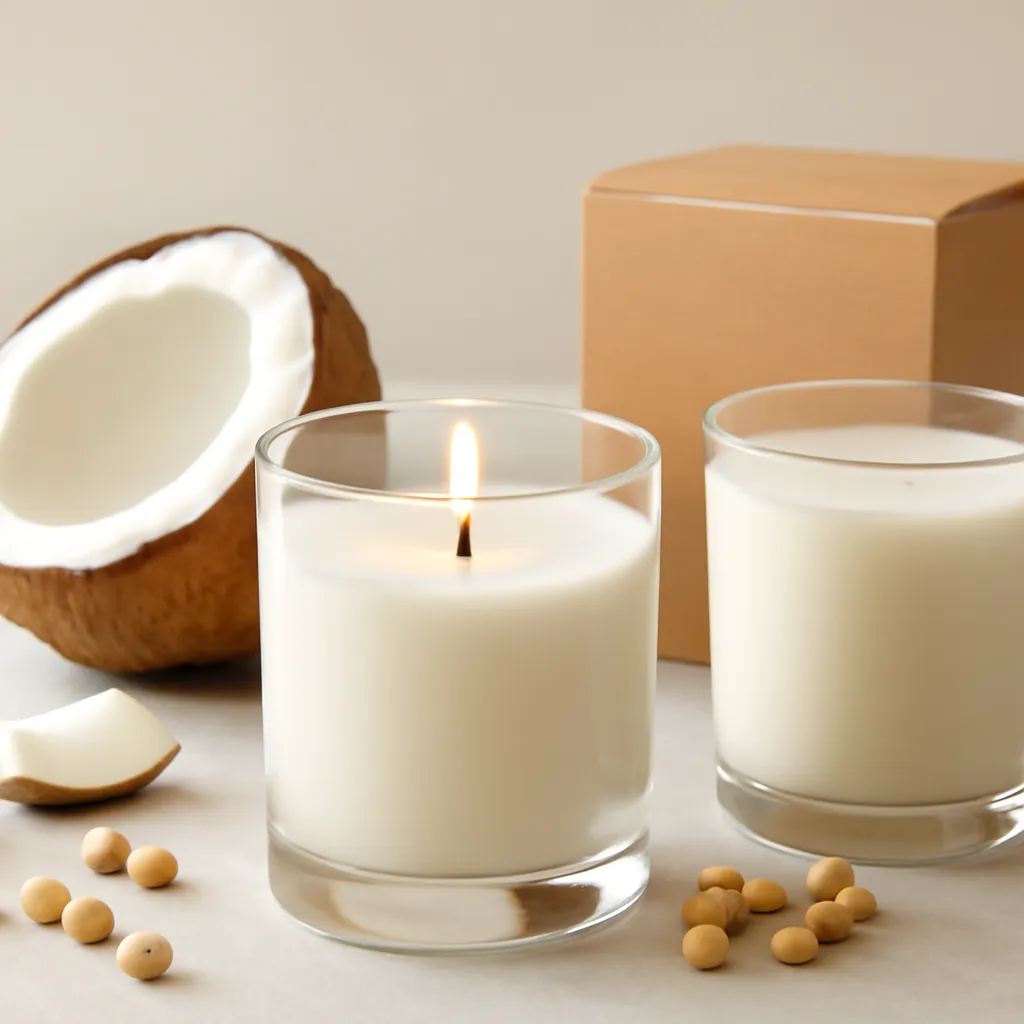
The visual appeal of a candle is a major part of its charm, whether you’re gifting it or displaying it at home. Coconut wax’s creamy, almost translucent finish gives candles a luxurious, high-end look. This wax is often used in blends with soy or other natural waxes to balance texture and appearance. When blended, coconut wax can help minimize the frosting and uneven surfaces that sometimes affect pure soy candles, resulting in a smoother, more consistent look.
Soy wax, by contrast, is usually more opaque and sets with a matte finish. It’s a favorite among those who prefer a classic, understated aesthetic. However, soy wax can be prone to surface imperfections, especially in cooler climates or if poured too quickly. To achieve the best results, candle makers often experiment with blend ratios, pouring temperatures, and container choices. Using a blend of coconut and soy wax can offer the best of both worlds: a creamy surface, improved scent throw, and a stable structure.
When shopping for candles or making your own, consider the role of color, vessel material, and wax blend. Clear glass containers showcase the creamy beauty of coconut wax, while colored or frosted glass can complement the matte look of soy. If you’re interested in experimenting, try a DIY kit that lets you compare different types of candle wax side by side, or look for brands that clearly label their blend ratios so you can make an informed choice.
Price and Practical Tradeoffs: Value Beyond the Label
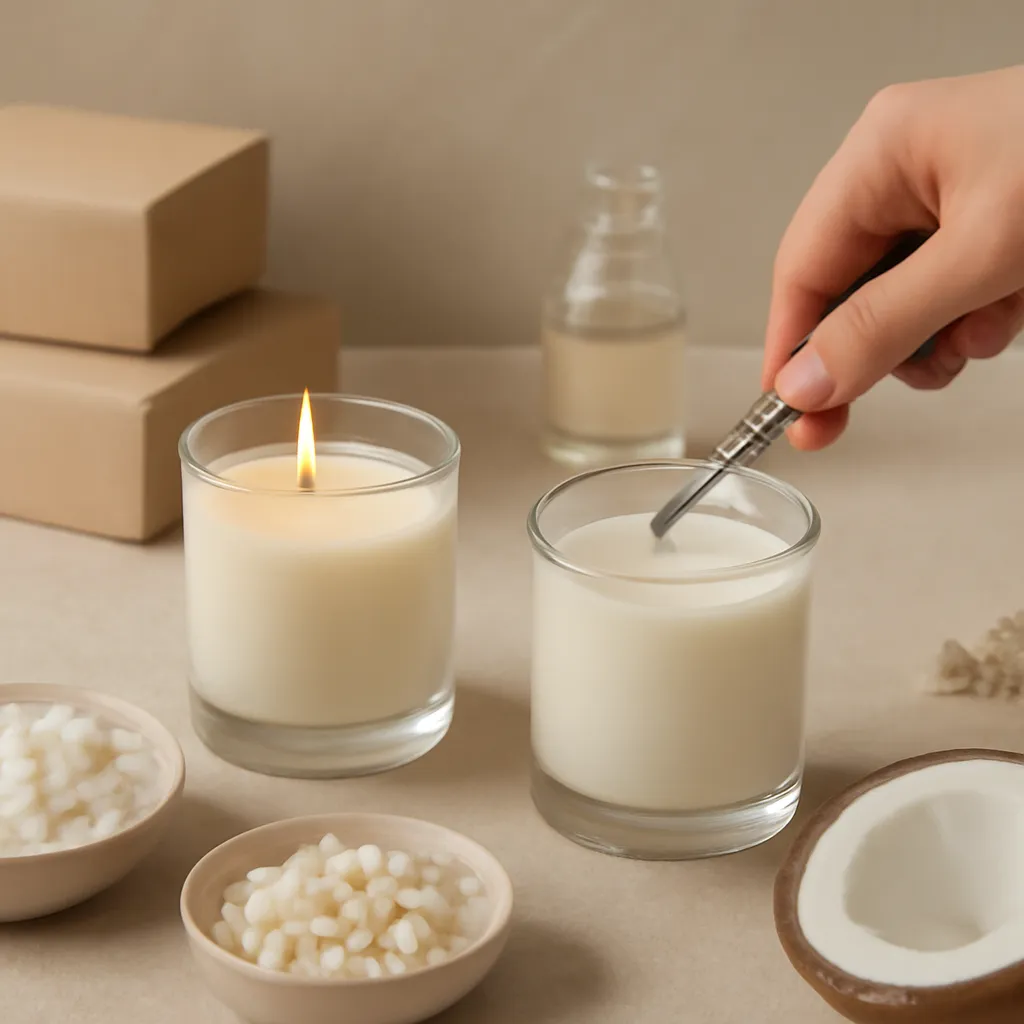
Price is a practical concern for many candle buyers, and understanding the cost differences between coconut wax and soy wax can help you make a smart investment. Coconut wax is generally more expensive to produce due to the extraction process and lower global supply. This often translates to a higher retail price, especially for pure coconut wax candles or luxury blends. However, many buyers find the premium worth it for the enhanced scent throw and creamy finish.
Soy wax, on the other hand, is more widely available and typically less expensive. Its popularity has driven large-scale production, making it a cost-effective choice for both candle makers and consumers. While pure soy candles may be more budget-friendly, they sometimes require careful burning and maintenance to avoid tunneling or uneven melts. Some brands combine soy and coconut wax to balance cost with performance, offering a mid-range price point with many of the benefits of both waxes.
When weighing coconut wax vs soy wax, consider how much you value scent strength, appearance, and burn quality versus price. If you’re buying candles as gifts or for special occasions, splurging on a coconut wax blend might be worthwhile. For everyday use, high-quality soy wax candles offer excellent value. Always check the ingredient list and look for brands that are transparent about their wax sources and blend percentages.
Wax Type and Physical Properties: What Sets Each Apart
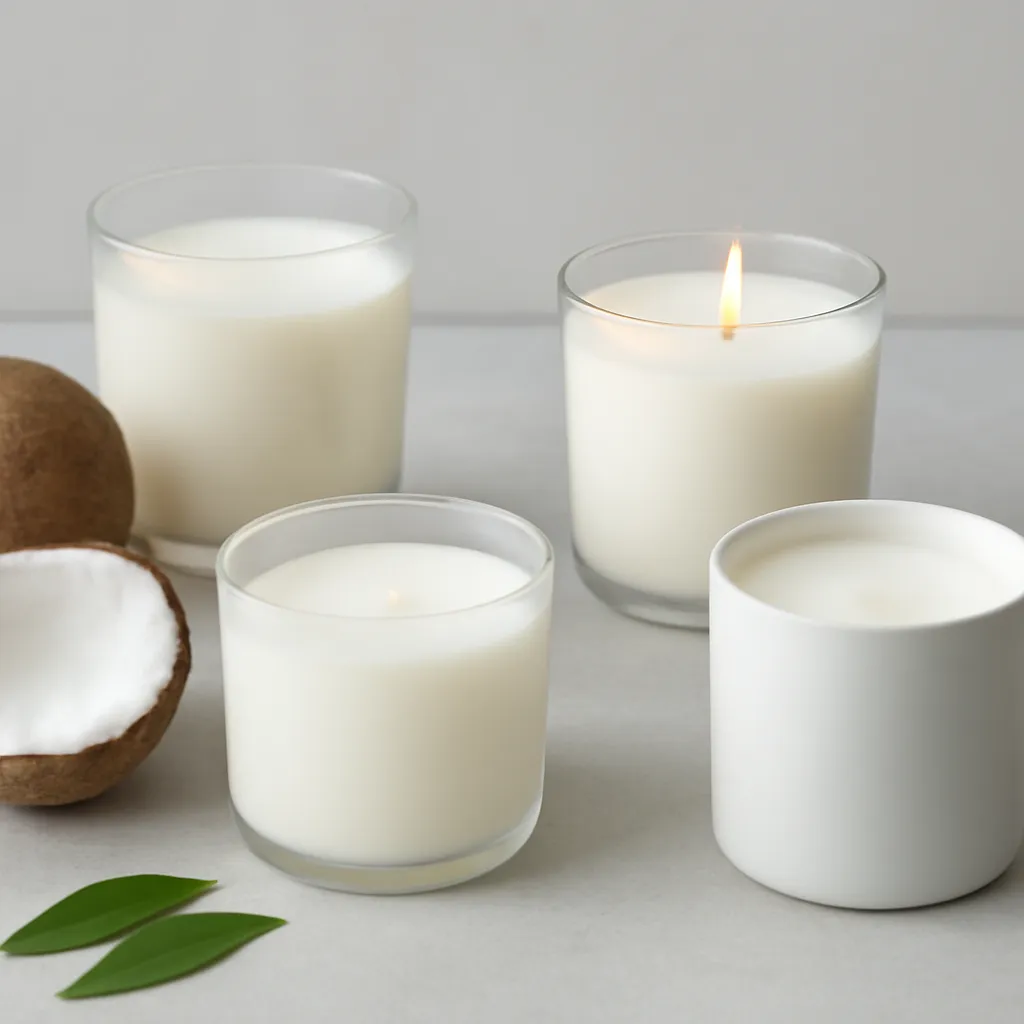
Beyond scent and appearance, the unique physical properties of each wax type play a significant role in candle performance. Coconut wax is derived from the meat of coconuts and is prized for its creamy consistency, smooth surface, and ability to blend seamlessly with other waxes. Its low melting point makes it ideal for container candles but less suitable for pillar or taper candles, which require a firmer structure.
Soy wax is made from hydrogenated soybean oil. It’s a renewable resource and is often celebrated for its clean-burning properties. Soy wax’s higher melting point means it holds its shape well, making it versatile for a variety of candle formats. However, it can be more susceptible to surface imperfections and may need additives or blending to achieve optimal performance. When comparing types of candle wax, consider the intended use: container candles often benefit from the creamy, slow-melting properties of coconut wax, while molded candles may perform better with soy or a soy blend.
Both coconut and soy wax are considered among the best wax for candles by artisans and home fragrance enthusiasts. Each offers a unique combination of texture, scent, and burn characteristics. Understanding these physical differences can help you match the right wax to your needs, whether you’re seeking a long-lasting centerpiece or a daily mood booster.
Melt Behavior and Appearance: Achieving the Perfect Burn
The way a candle melts affects not only its appearance but also its fragrance performance and longevity. Coconut wax’s soft, creamy texture allows it to melt quickly and evenly, often resulting in a full, edge-to-edge melt pool after just an hour or two of burning. This helps prevent tunneling and ensures that fragrance oils are released consistently throughout the candle’s life.
Soy wax, with its firmer structure, may require longer burn times to achieve a complete melt pool, especially in larger containers. If not burned long enough, soy candles can develop a tunnel, wasting wax and reducing scent throw. To avoid this, always allow your soy candle to burn until the entire surface is melted on the first use. Some candle makers blend soy with coconut wax to help improve melt behavior, combining the structural benefits of soy with the creamy, even melt of coconut.
Both waxes can produce a beautiful, inviting glow when burned properly. The trick is to follow the manufacturer’s instructions, trim the wick regularly, and store candles away from direct sunlight or heat. Paying attention to these details will help you get the most out of any candle wax, whether coconut, soy, or a custom blend.
Practical Checklist: Choosing the Best Wax for Candles
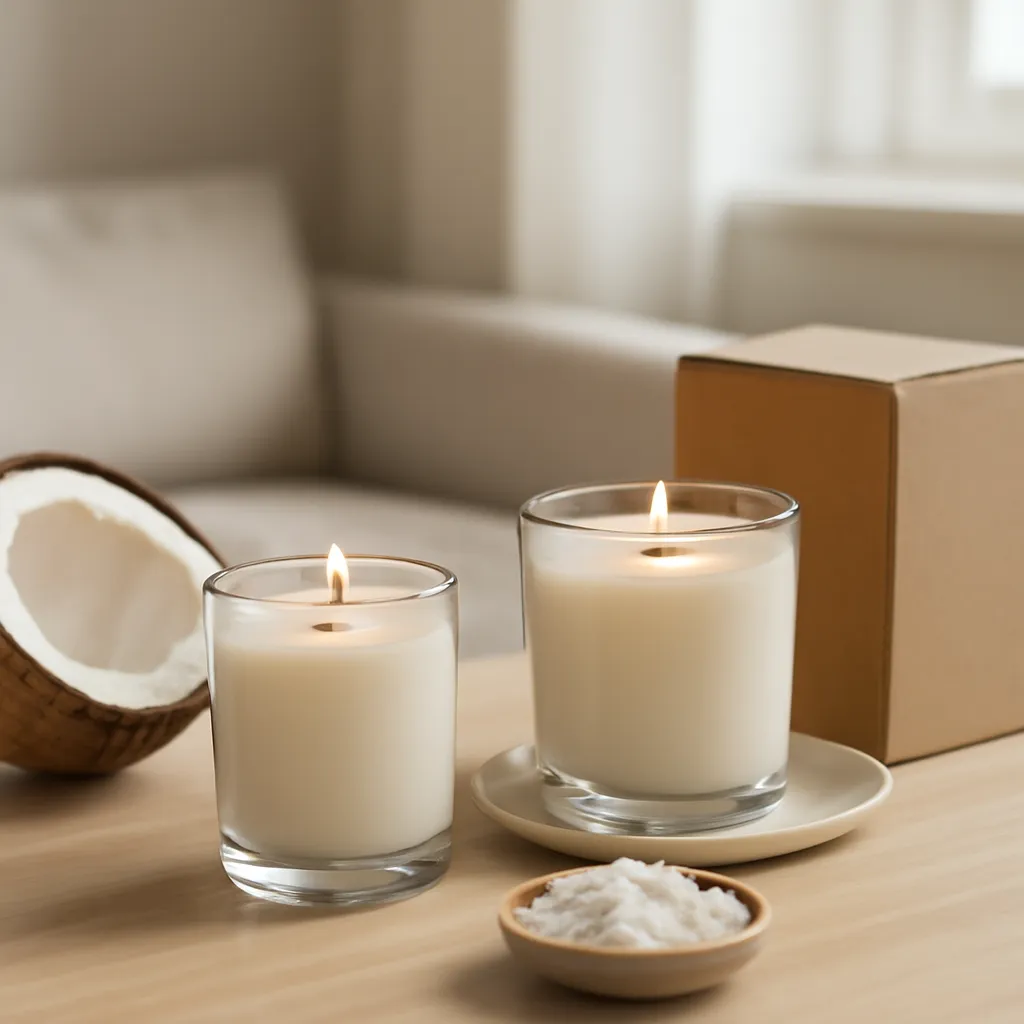
To help you decide between coconut wax vs soy wax, consider the following practical checklist. First, think about your scent preferences: do you prefer a bold, room-filling aroma or a subtle, gentle fragrance? Next, assess your climate and storage conditions. Coconut wax candles may be more sensitive to heat, while soy wax is generally more stable in warmer environments. Also, consider the look you want: creamy and glossy, or matte and classic?
Budget is another key factor. If you’re looking for luxury or a special gift, coconut wax or a coconut-soy blend may be worth the investment. For everyday use, soy wax offers excellent performance at a lower price. Finally, check the label for transparency. Brands that clearly list their wax types and blend ratios are more likely to deliver a consistent, high-quality product. For a curated selection of premium options, explore the best wax for candles at TadaVN Candles.
By weighing these factors, you can select the right candle wax for your needs, whether you’re making candles at home or shopping for the perfect home fragrance. Remember, there’s no one-size-fits-all answer—your ideal candle is the one that matches your lifestyle and preferences.
Common Mistakes and What To Do Instead
Even experienced candle lovers can make mistakes when choosing or burning candles. One common issue is failing to burn a candle long enough to achieve a full melt pool, leading to tunneling and wasted wax. To prevent this, always let your candle burn until the entire surface is melted, especially on the first use. Another mistake is storing candles in direct sunlight or near heat sources, which can cause coconut wax to soften or soy wax to frost.
Choosing the wrong wick size or type can also impact performance. Coconut wax, with its softer texture, often requires a thicker wick for optimal burning, while soy wax may need a slightly smaller wick to avoid sooting. Always follow the manufacturer’s recommendations for wick trimming and placement. If you notice uneven burning, try rotating the candle or trimming the wick to 1/4 inch before each use.
Finally, don’t overlook the importance of proper storage and care. Keep candles covered or in their original packaging when not in use to preserve fragrance and prevent dust buildup. For those interested in exploring different types of candle wax, consider trying a sampler set or mini candles to compare performance before committing to larger sizes. For more tips and a range of premium options, browse the scented candles at TadaVN Candles.
Conclusion: Creating a Cozy Home with the Right Candle Wax
Choosing between coconut wax vs soy wax: which candle wax performs better ultimately depends on your personal preferences and lifestyle. Both offer unique advantages, from coconut wax’s creamy texture and bold scent throw to soy wax’s classic appearance and reliable performance. By understanding their differences in texture, scent, appearance, and value, you can make a confident choice that enhances your home’s atmosphere.
At TadaVN Candles, we believe that the right candle transforms any space into a cozy, inviting retreat. Whether you’re drawn to the luxury of coconut wax or the timeless appeal of soy, our curated collection is designed to help you find your perfect match. Discover our full range of home fragrance options and let the gentle glow of a well-chosen candle bring warmth and joy to your everyday moments.