



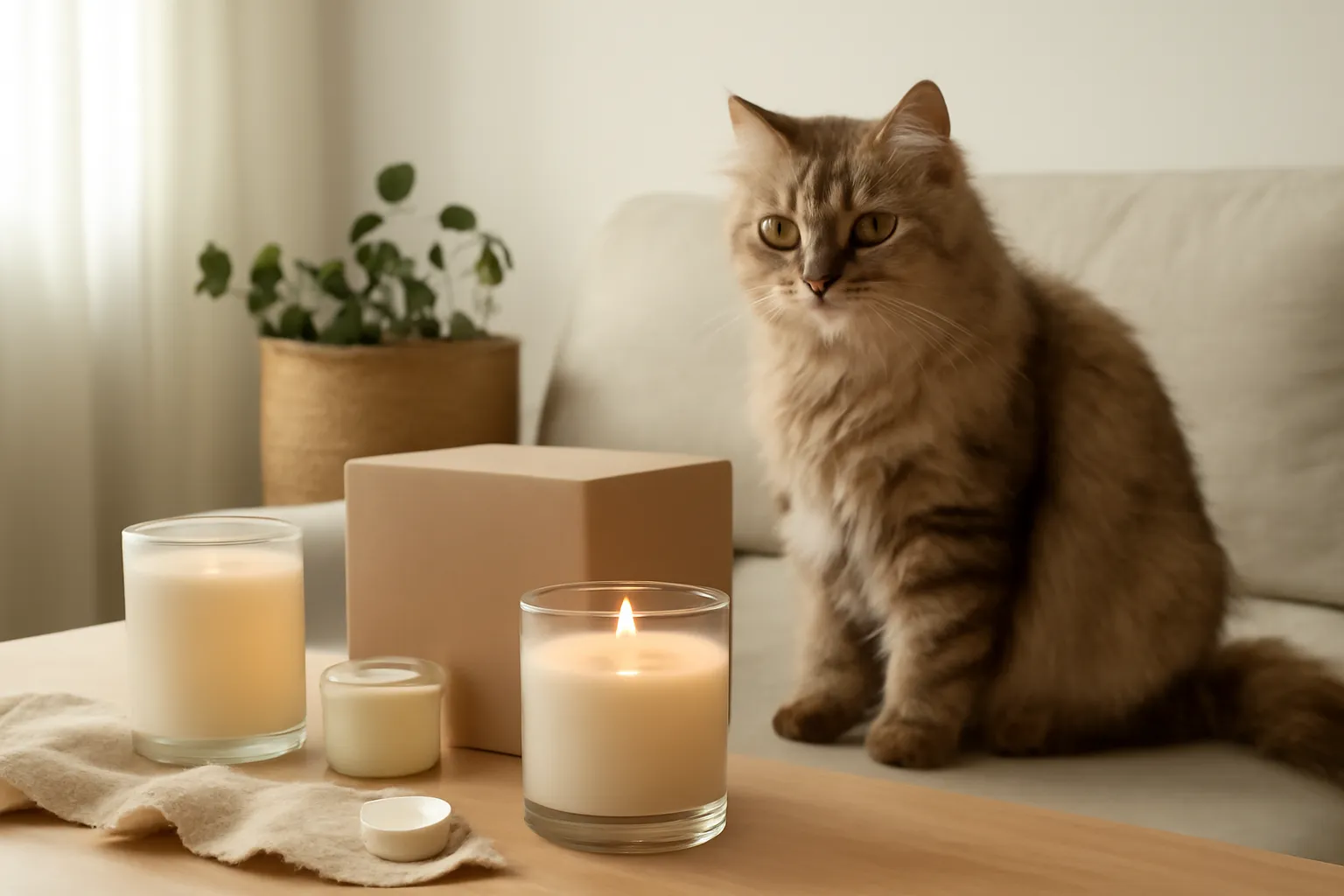
Few things evoke a sense of comfort at home like a gently flickering scented candle. Yet, for pet owners, the question often arises: are scented candles bad for cats? As our furry companions become more entwined with our daily lives, it’s natural to want to create a cozy atmosphere without putting them at risk. Understanding how to safely enjoy candles in a home with cats, dogs, or other sensitive pets is essential, especially as new fragrance trends and home décor ideas emerge for 2026.
In this guide, we’ll explore the practical considerations every pet owner should know before lighting a candle. We’ll cover household risk factors, ventilation, pet access, safe storage, session timing, and clear signs that it’s time to stop using a candle. Most importantly, we’ll distinguish between general guidance and the advice of your veterinarian, always encouraging the use of reputable sources. Whether you’re a new pet parent or a seasoned animal lover, these insights will help you create a warm and inviting home while prioritizing the well-being of your four-legged friends.
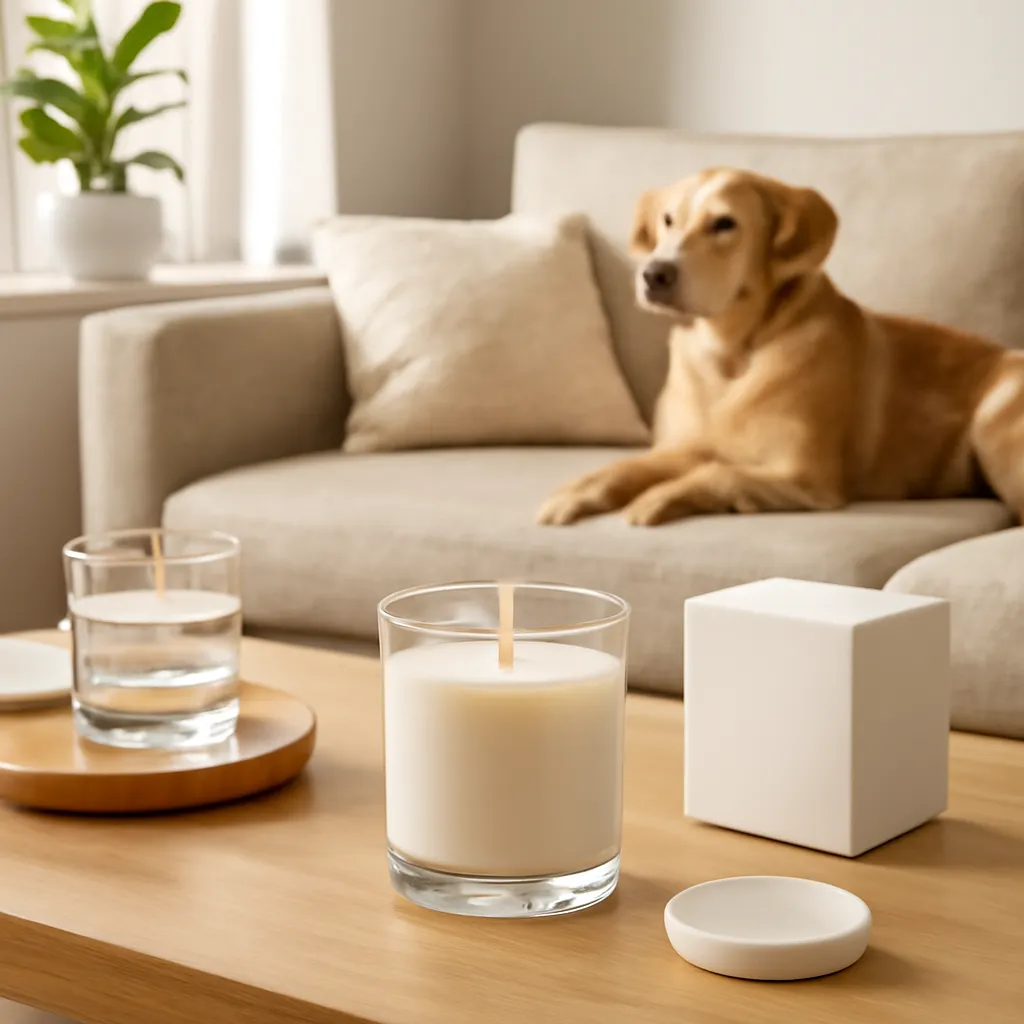
Understanding the Risks: Are Scented Candles Bad for Cats and Dogs?
Many pet owners wonder, are scented candles bad for cats, or are scented candles bad for dogs? The answer is nuanced. While most commercial candles are not immediately toxic when used as directed, certain ingredients and fragrances can pose risks to sensitive pets. Cats, in particular, have a unique liver metabolism that makes them less able to process some compounds found in synthetic and natural fragrances. Dogs, though generally less sensitive, can also develop respiratory or skin reactions, especially in poorly ventilated spaces.
It’s important to remember that not all candle scents are created equal. Some essential oils, like tea tree, eucalyptus, cinnamon, and citrus, are known to be problematic for cats and dogs. On the other hand, there are candle scents safe for cats, such as unscented or lightly scented candles made with pure soy or beeswax and phthalate-free fragrance oils. Always check the label and opt for brands that disclose all ingredients. Ultimately, if you notice your pet sneezing, coughing, or acting lethargic around candles, discontinue use and consult your veterinarian for guidance tailored to your animal’s specific sensitivities.
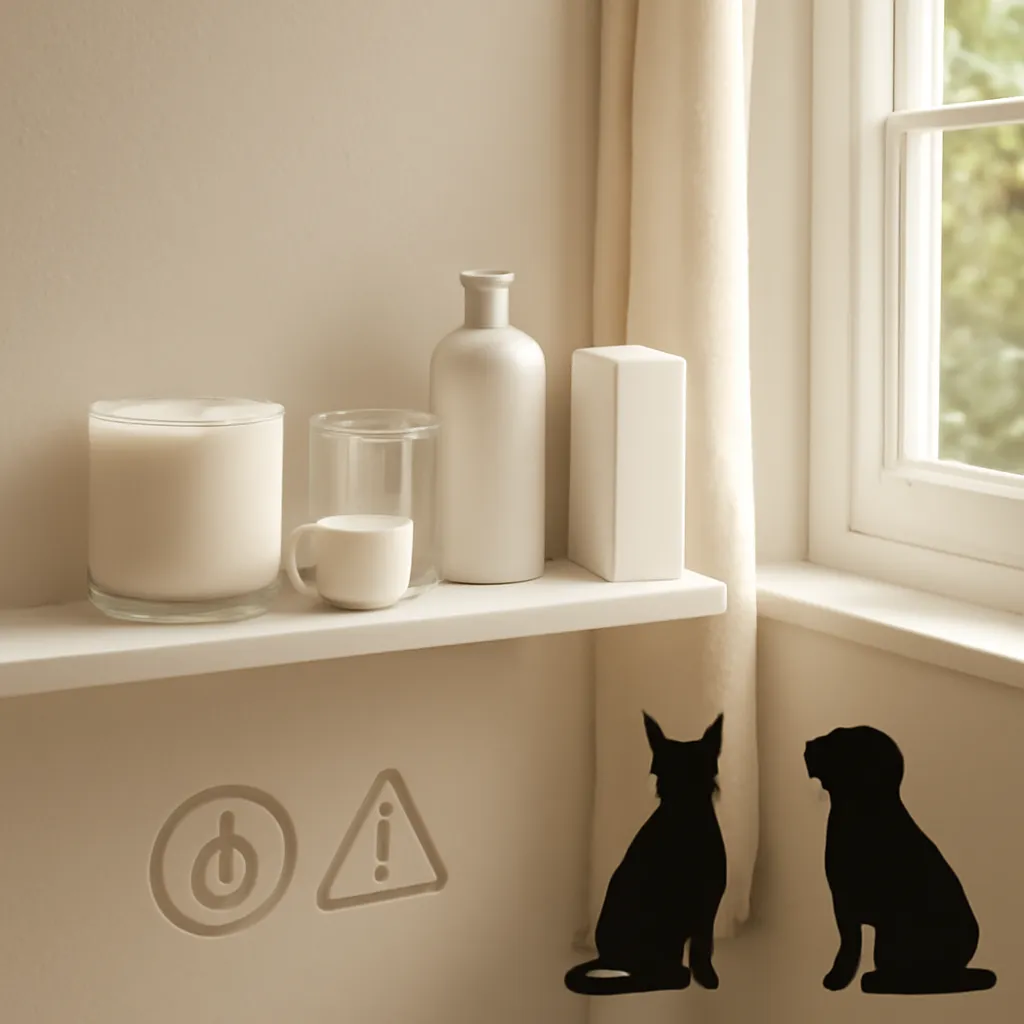
Household Risk Factors: Assessing Your Pet’s Unique Needs
Every home is different, and so are the pets that inhabit them. Before deciding whether to use scented candles, consider your household’s unique risk factors. Do you have kittens or puppies who love to explore? Are you caring for senior pets with respiratory issues, or breeds known for sensitive skin and airways? Even the layout of your home—open concept versus closed rooms—can affect how candle scents disperse and linger.
For multi-pet households, the challenge is even greater. One animal might tolerate a scent well, while another could develop symptoms. It’s wise to start with short, supervised sessions and monitor each pet’s reaction. If you notice excessive grooming, watery eyes, or avoidance of the room where the candle is burning, it may be a sign to reconsider your choice. Remember, when in doubt, err on the side of caution and choose products that are specifically labeled as pet-friendly or opt for unscented varieties.
Ventilation Matters: Creating a Safe Atmosphere
Proper ventilation is crucial when burning candles in homes with pets. Without adequate airflow, even candle scents safe for cats can become overwhelming, leading to discomfort or health issues. Always burn candles in rooms where windows can be cracked open or where there’s a gentle cross-breeze. This helps dilute airborne particles and prevents the buildup of potentially irritating compounds.
Consider the location of vents, fans, and air purifiers, as these can also impact how scents travel through your home. Avoid burning candles in small, enclosed spaces like bathrooms or closets, especially if your pets spend time there. If you’re using air conditioning or heating, make sure the system is set to circulate fresh air. Taking these steps not only protects your pets but also enhances your own enjoyment of the candle’s fragrance by keeping the scent balanced and pleasant.

Placement and Supervision: Where and How to Burn Candles Safely
Choosing the right spot for your candle is as important as selecting the right scent. Place candles on high, stable surfaces that are well out of reach of curious cats and playful dogs. Bookshelves, mantels, or wall-mounted holders are ideal, especially in rooms where pets are allowed. Never leave a burning candle unattended, even for a moment. Pets can be unpredictable, and a wagging tail or leaping cat can easily knock over a candle, leading to burns, fires, or toxic exposure.
Supervision is key. If you must leave the room, extinguish the candle first. Consider using candle warmers or flameless LED candles as a safer alternative in high-traffic areas. These options provide the ambiance and scent without the risks associated with open flames. For those who love the ritual of lighting a real candle, reserve this experience for quiet evenings when you can fully supervise your pets and enjoy the moment together.
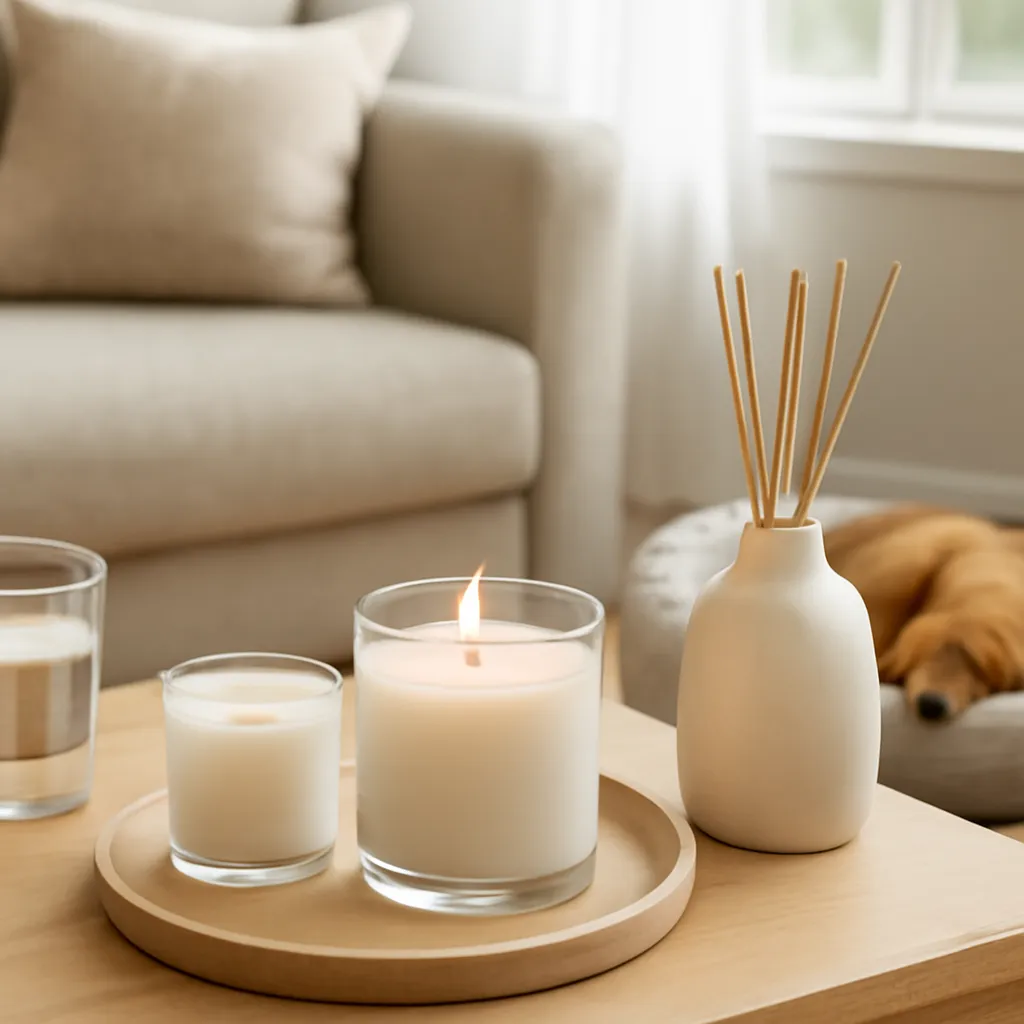
Choosing Candle Scents Safe for Cats and Dogs
The variety of fragrances available today can make choosing the right candle overwhelming, especially when you’re concerned about your pets. To minimize risk, look for candles made from pure soy, coconut, or beeswax, and avoid those with added dyes, parabens, or phthalates. When considering candle scents safe for cats, opt for gentle, single-note fragrances like chamomile, rosemary, or lavender in low concentrations. Always steer clear of candles containing essential oils known to be harmful to pets, such as tea tree, clove, or pine.
Read labels carefully and seek out brands that are transparent about their ingredients. If you’re unsure, reach out to the manufacturer or consult reputable sources like the ASPCA or your veterinarian. For an extra layer of safety, try the soy candle collection from TadaVN Candles, which emphasizes clean-burning ingredients and subtle, pet-friendly aromas. Remember, even with the safest candles, moderation is key—limit burn time and always monitor your pet’s behavior.
Safe Storage and Handling: Keeping Candles Out of Paw’s Reach
Proper storage of candles is often overlooked but is essential in a pet-friendly home. Store candles in closed cabinets or on high shelves when not in use, especially if you have cats who love to climb or dogs who investigate with their noses. Avoid leaving candles, matches, or lighters on accessible surfaces, as ingestion of wax or wicks can lead to digestive blockages or toxic reactions.
For added peace of mind, consider using candle jars with lids or covers to contain any residual scent and prevent curious pets from licking or chewing the wax. If you use wax melts or diffusers, keep them in locations your pets can’t access, and always clean up spills immediately. By practicing thoughtful storage and handling, you reduce the risk of accidents and ensure that your home remains a safe haven for everyone.
Session Timing: How Long Is Too Long?
Duration matters when it comes to burning candles around pets. Even if you’ve chosen candle scents safe for cats and dogs, prolonged exposure can increase the risk of irritation. As a general guideline, limit candle sessions to one or two hours at a time, and always allow fresh air to circulate before relighting. This approach helps minimize the buildup of airborne particles and ensures that both you and your pets can enjoy the ambiance without discomfort.
Pay attention to your pet’s behavior during and after each session. If you notice signs of respiratory distress, sneezing, or avoidance of the room, extinguish the candle and ventilate the space thoroughly. For those who like to enjoy candles daily, alternate between open-flame options and safer alternatives like flameless diffusers or home fragrance sprays. This rotation keeps your home smelling fresh while respecting your pet’s sensitive systems.
Recognizing Stop-Use Signs: When to Put Out the Candle
Knowing when to stop using a candle is just as important as choosing the right one. Watch for subtle changes in your pet’s behavior, such as excessive scratching, sneezing, or hiding. Cats may groom more frequently or avoid the area entirely, while dogs might whine or paw at their faces. These signs suggest that even candle scents safe for cats and dogs may be too strong or irritating in your specific environment.
If symptoms persist, discontinue candle use and consult a veterinarian for further advice. Always err on the side of caution, especially if your pet has a history of allergies or respiratory issues. Keep a checklist handy to monitor your pet’s reactions each time you introduce a new candle or fragrance. Regular observation and prompt action are the best ways to ensure a harmonious home for both people and pets.
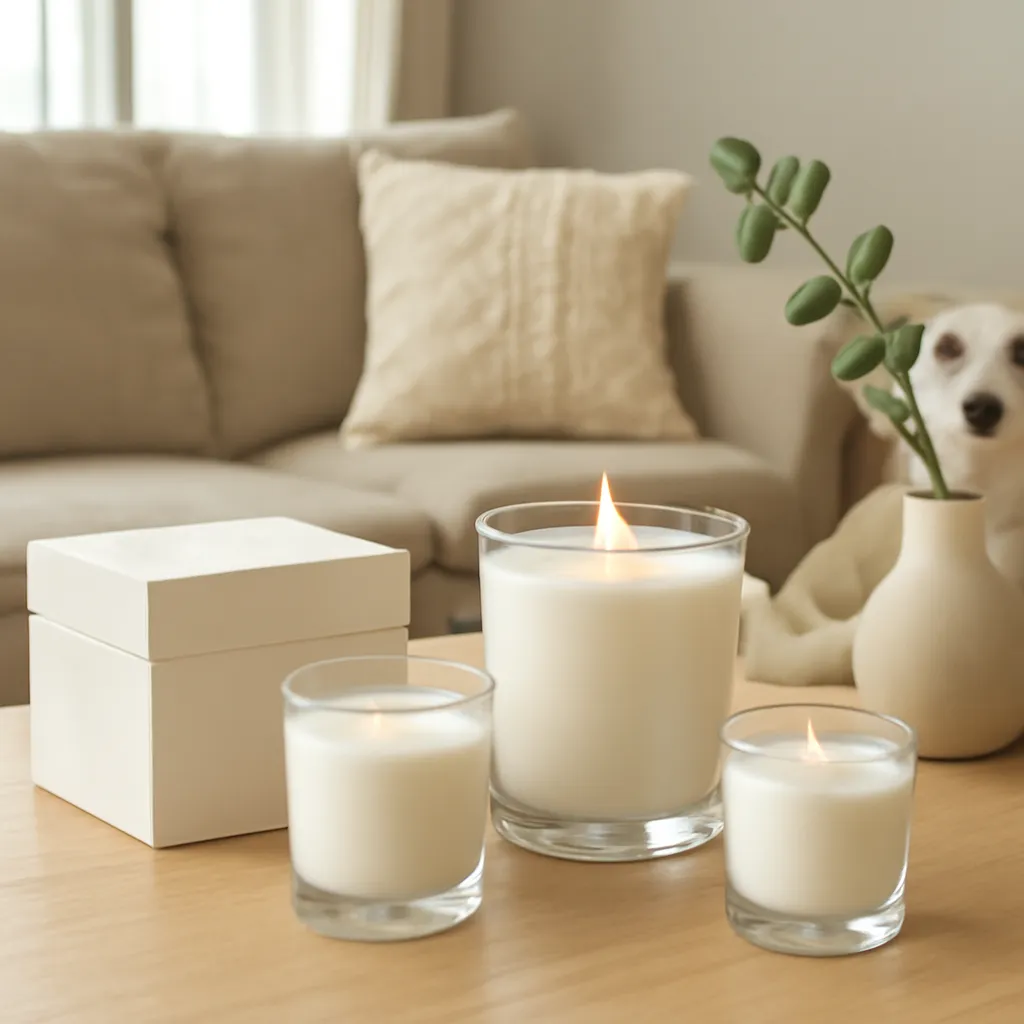
Expert Guidance vs. Veterinary Advice: Knowing Your Limits
While general tips can help you create a safer home, nothing replaces the expertise of your veterinarian. If you’re concerned about whether are scented candles bad for cats or are scented candles bad for dogs in your household, schedule a consultation with a professional. They can assess your pet’s unique health profile and recommend specific precautions or alternatives based on the latest research and clinical experience.
Always rely on reputable sources when seeking information about pet-safe products. The ASPCA, American Veterinary Medical Association, and Pet Poison Helpline offer up-to-date resources on common household hazards, including fragrances and essential oils. By combining expert guidance with attentive observation, you can confidently enjoy the ambiance of candles without compromising your pet’s safety or comfort.
Conclusion: Creating a Cozy, Pet-Safe Home with TadaVN Candles
Bringing warmth and fragrance into your home doesn’t have to come at the expense of your pet’s well-being. By understanding the risks, choosing candle scents safe for cats and dogs, and practicing thoughtful placement, ventilation, and supervision, you can enjoy the soothing glow of candles in harmony with your furry companions. Remember, every pet is unique, so always observe their reactions and consult your veterinarian with any concerns. For those seeking premium, pet-conscious options, TadaVN Candles offers a curated collection designed to complement cozy, animal-loving homes. With care and attention, you can create a sanctuary that delights every sense—human and animal alike.