



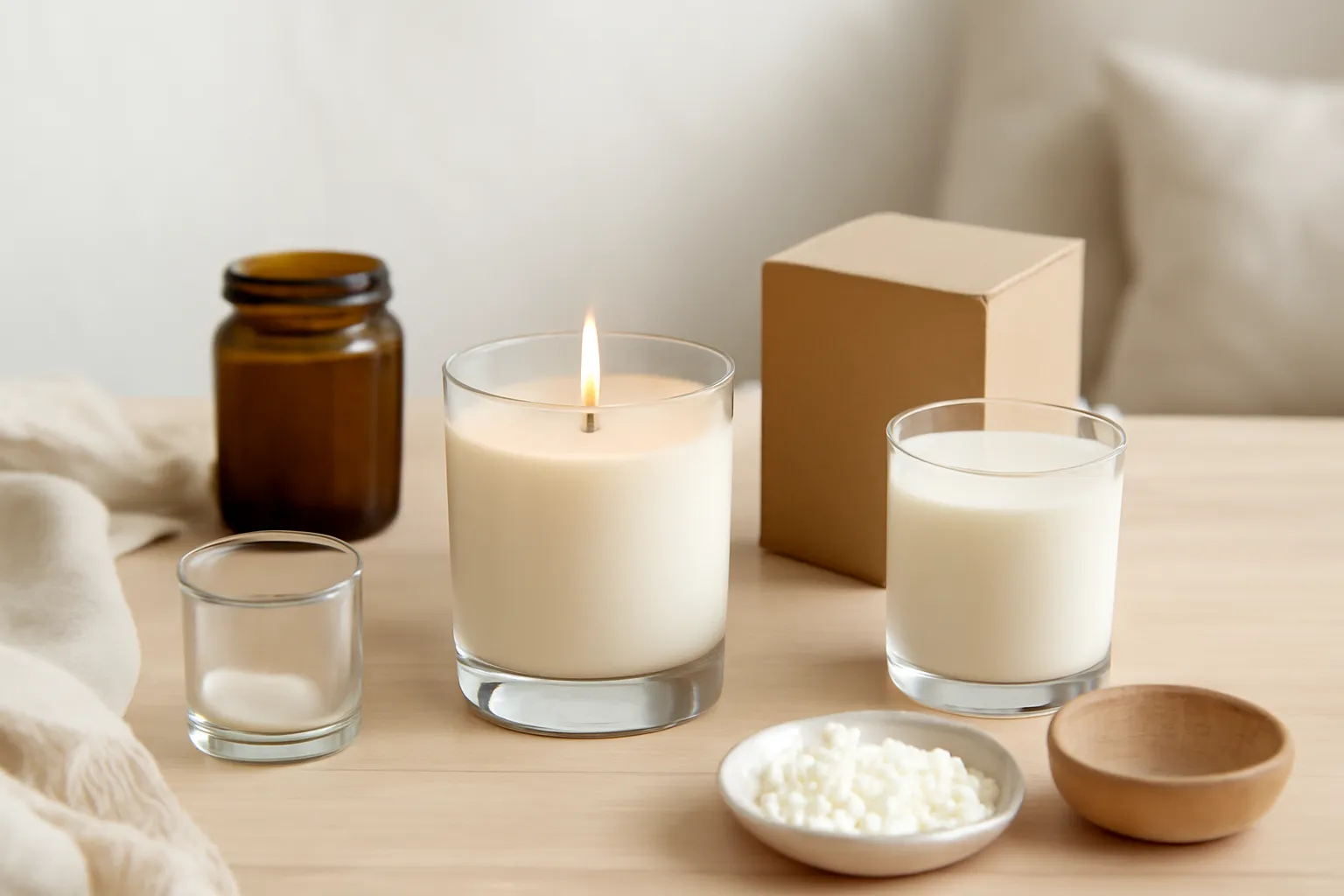
Are scented candles bad for you? This question has become increasingly common as more people seek to create inviting, fragrant spaces at home. While the allure of a softly glowing candle and a gentle aroma is undeniable, concerns about indoor air quality, chemical ingredients, and personal sensitivities have led many to wonder if their favorite home ritual could be doing more harm than good. In this comprehensive 2026 guide, we’ll explore what the evidence actually says, how to interpret marketing claims, and how to enjoy scented candles responsibly and beautifully.
From understanding the differences between wax types to practical steps for ventilation and wick care, we’ll help you navigate the world of scented candles with confidence. We’ll also address individual reactions, signs it’s time to stop using a candle, and provide a risk-reduction checklist. Whether you’re a candle enthusiast or just beginning to explore home fragrance, this guide aims to answer your questions with clarity, caution, and a touch of inspiration.
The Science Behind Scented Candles: Separating Fact from Fiction
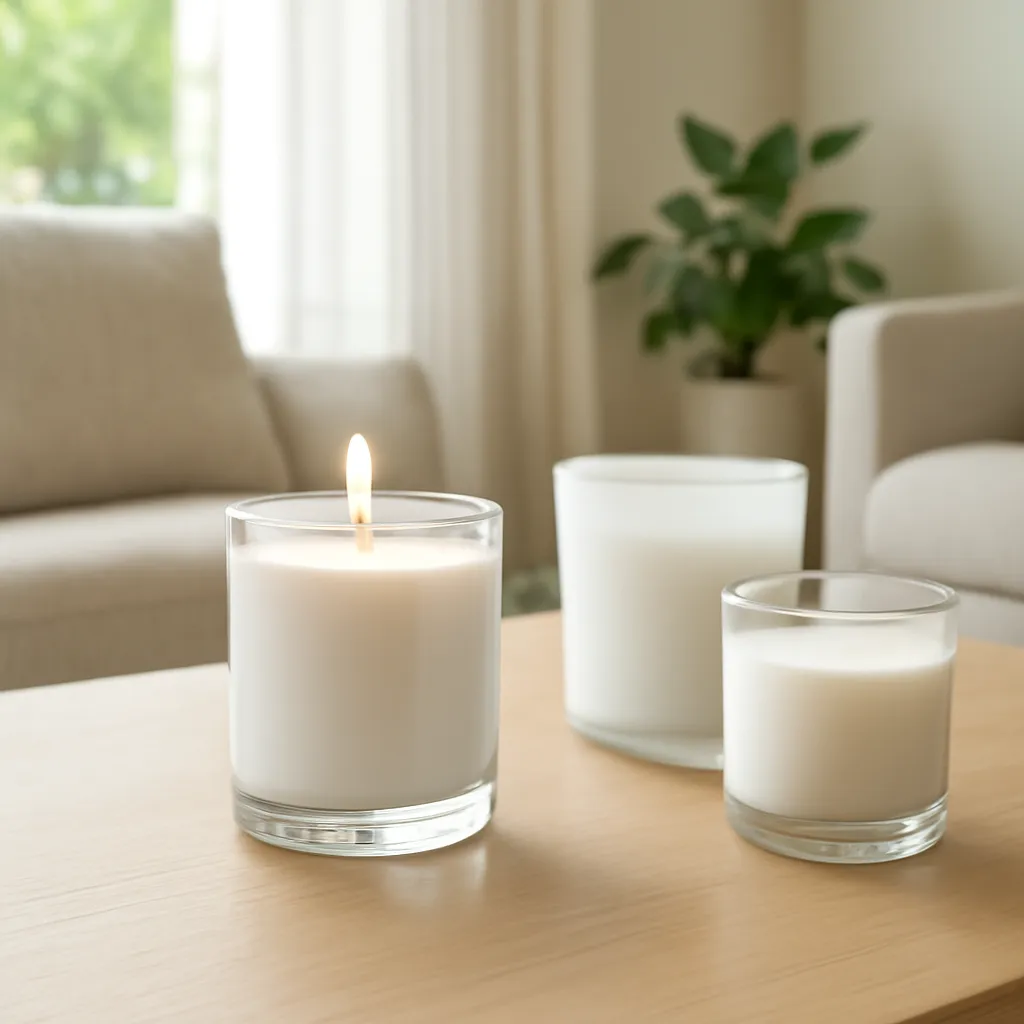
With so many opinions circulating online, it’s easy to feel overwhelmed by conflicting messages about scented candles. Some sources warn of dangerous emissions, while others assure us that modern candles are perfectly safe. The truth, as usual, lies somewhere in between. The primary concerns center on the ingredients used—especially the type of wax, fragrance, and wick—and how they interact with your indoor environment.
Research from reputable organizations, such as the U.S. Environmental Protection Agency (EPA) and the American Lung Association, suggests that well-made scented candles, when burned in moderation and in ventilated spaces, do not pose significant health risks for the majority of people. However, burning candles in poorly ventilated rooms or using products with questionable ingredients can contribute to indoor air pollution. It’s important to recognize that individual sensitivities, such as allergies or asthma, may make some people more prone to irritation from candle smoke or fragrance. Understanding these nuances is key to making informed choices for your home.
Understanding Candle Ingredients: Wax, Wick, and Fragrance
The safety and quality of scented candles largely depend on their ingredients. The type of wax used—whether paraffin, soy, beeswax, or coconut—can affect both the burn quality and the emissions produced. Paraffin wax, derived from petroleum, has been scrutinized for releasing small amounts of volatile organic compounds (VOCs) and soot when burned. On the other hand, soy and beeswax candles, especially when made with cotton or wood wicks, tend to burn cleaner and produce less soot. Choosing candles made from natural or sustainably sourced waxes can be a safer and more eco-friendly option.
Fragrance is another key factor. Some scented candles use synthetic fragrances, which may contain phthalates or other chemicals that can trigger sensitivities in certain individuals. Others rely on essential oils or natural extracts. While natural fragrances are often perceived as safer, it’s worth noting that even essential oils can cause reactions in sensitive users. Always check labels for transparency about ingredients and opt for brands that disclose their full list of components. If you have ever wondered how to make scented candles at home, starting with high-quality, natural ingredients is the best way to control what goes into your air.
Soot, Smoke, and Indoor Air Quality: What the Evidence Shows
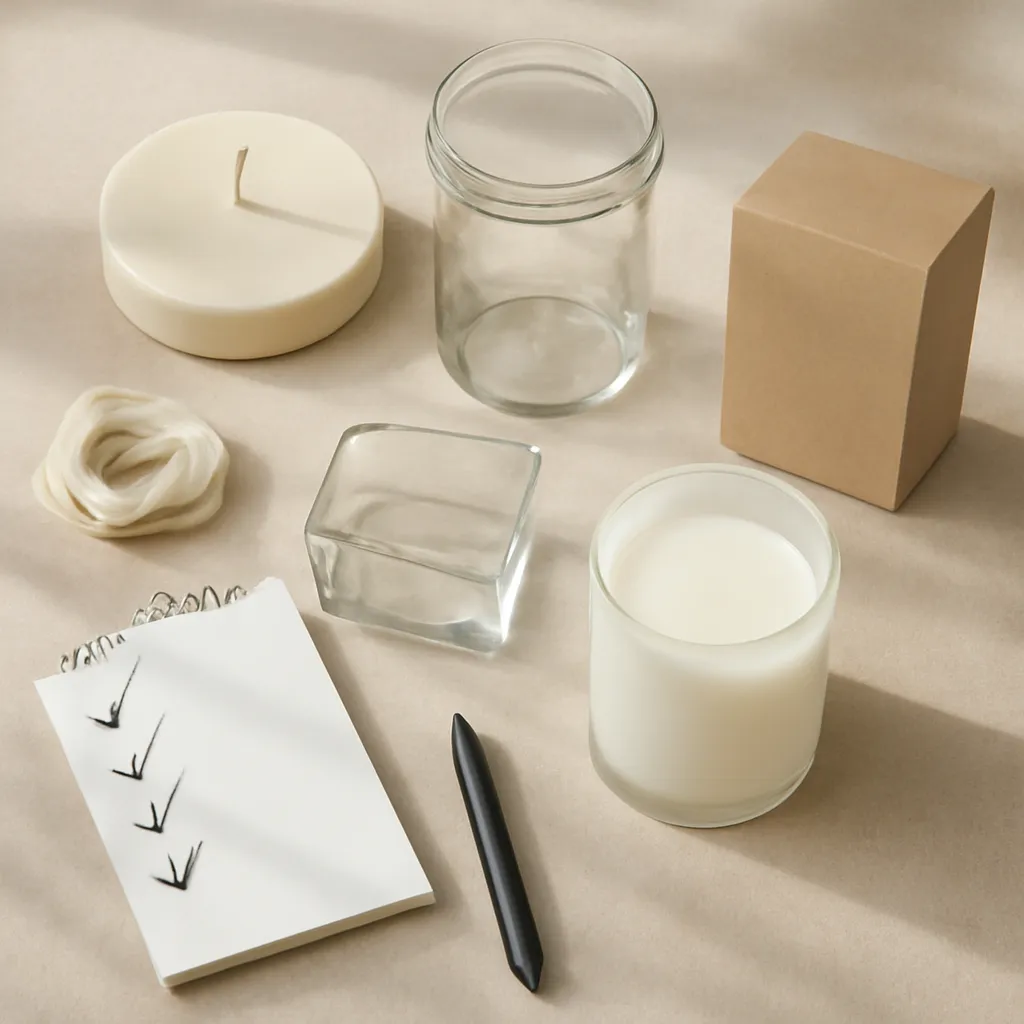
One of the most persistent concerns about scented candles is the potential for soot and smoke to degrade indoor air quality. Soot is a fine black powder produced when organic matter doesn’t burn completely. According to studies from the National Candle Association and independent air quality experts, properly formulated candles—especially those made with soy or beeswax—emit minimal soot when burned with a trimmed wick and in a draft-free environment.
Problems arise when candles are burned for extended periods, in unventilated spaces, or with wicks that are too long. This can lead to incomplete combustion, resulting in visible smoke and blackening on candle jars or nearby surfaces. To reduce risk, always trim your candle wick to 1/4 inch before each use, and avoid burning candles for more than four hours at a time. If you notice excessive smoke or soot, extinguish the candle and allow the room to air out before relighting. For those particularly sensitive to indoor air pollutants, consider limiting candle use or choosing flameless alternatives like wax melts or diffusers.
Ventilation and Room Size: Key Factors for Safe Candle Enjoyment
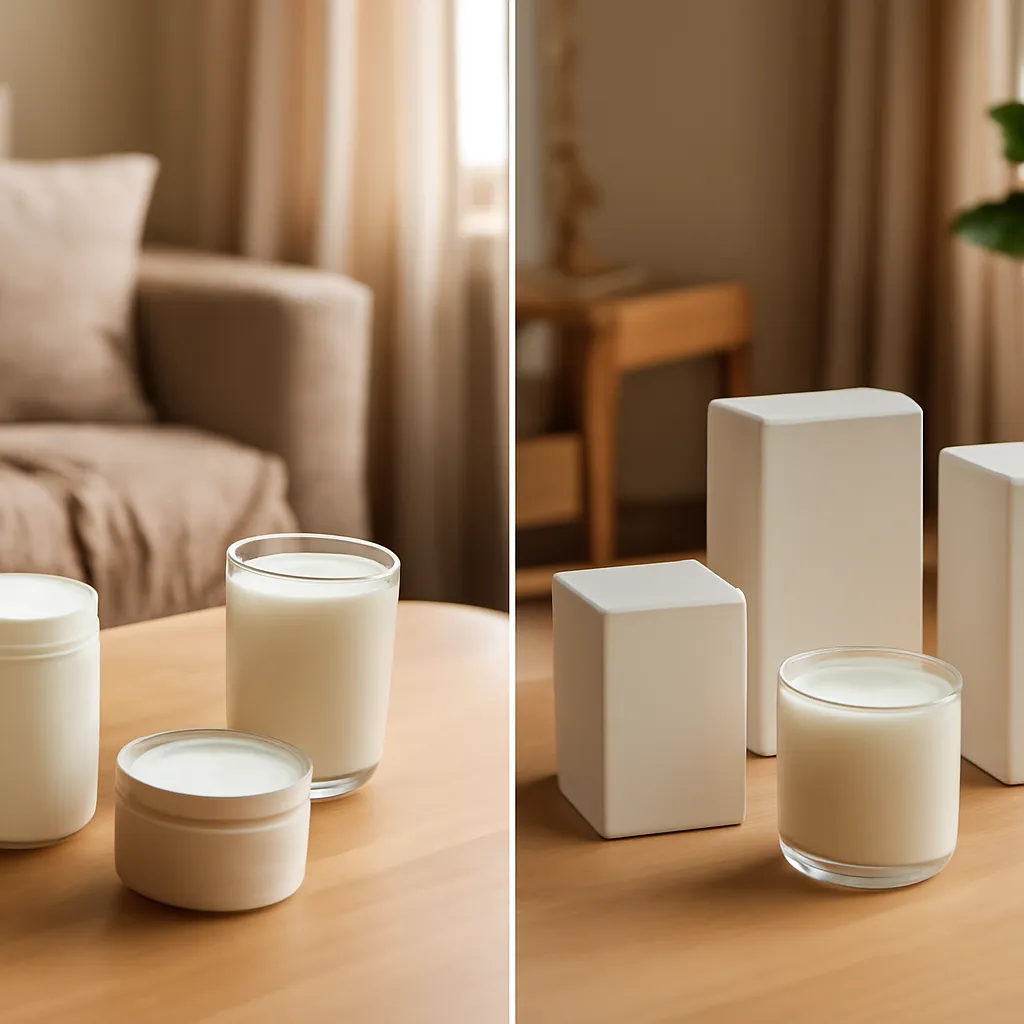
Even the cleanest-burning scented candles can impact air quality if used in a confined or poorly ventilated space. The size of the room, the number of candles being burned, and the duration all play a role in determining how much fragrance and particulate matter accumulate in the air. For optimal safety, always burn candles in well-ventilated areas—crack a window or use a fan to encourage airflow, especially if you plan to light multiple candles at once.
Large, open rooms naturally dilute emissions, making them more suitable for regular candle use. In smaller bathrooms or bedrooms, limit the number of candles and keep burning sessions brief. If you detect strong odors, visible haze, or experience irritation in your eyes, throat, or nose, extinguish the candle immediately and ventilate the space. Remember, the question “are scented candles bad for you” often depends on how and where you use them. Being mindful of your environment is one of the simplest ways to enjoy candles safely and beautifully.
Personal Sensitivities and Signs to Stop Using a Candle
Not everyone responds to scented candles in the same way. Some people may enjoy their favorite fragrances without issue, while others experience headaches, sneezing, or respiratory discomfort. Individual reactions can be triggered by specific ingredients, fragrance strength, or even the type of wick used. If you or a family member has asthma, allergies, or chemical sensitivities, it’s wise to test new candles in small doses and monitor for any adverse effects.
Pay attention to signals from your body and your environment. Signs that it’s time to stop using a candle include persistent coughing, watery eyes, dizziness, or a lingering smoky smell. Children, pets, and elderly family members may be more sensitive to airborne particles and strong scents. When in doubt, prioritize their comfort and safety. Opt for unscented or lightly fragranced candles, and consider alternatives like soy candle collection or flameless options if sensitivities persist. Your enjoyment should never come at the expense of your well-being.
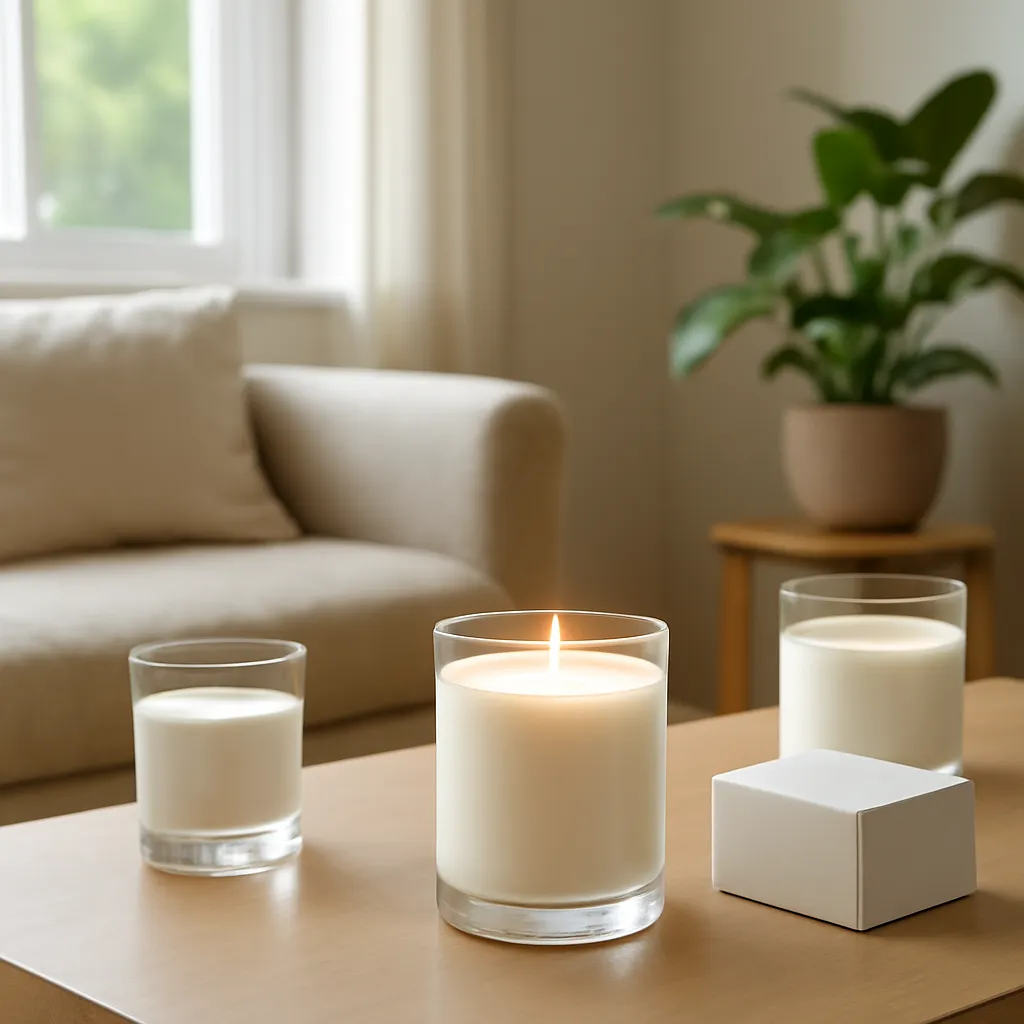
Marketing Claims vs. Scientific Evidence: What to Trust
The candle industry is full of enticing claims—”all-natural,” “non-toxic,” “hypoallergenic,” and more. While these labels can be helpful, they’re not always regulated or backed by scientific evidence. It’s important to approach marketing language with a critical eye and seek out brands that provide transparency about their sourcing and manufacturing processes. Look for third-party certifications, such as those from the International Fragrance Association (IFRA) or the National Candle Association, which indicate adherence to safety standards.
When evaluating whether scented candles are bad for you, prioritize evidence from reputable sources over anecdotal reports or advertising slogans. Peer-reviewed studies, government health agencies, and consumer advocacy groups offer the most reliable guidance. Don’t hesitate to contact candle makers directly to ask about their ingredients, testing protocols, and safety data. Informed consumers are empowered consumers, and your diligence can help you enjoy candles with greater peace of mind.
How to Make Scented Candles Safely at Home
For many, learning how to make scented candles is a creative and rewarding way to personalize home fragrance. DIY candle making allows you to control every ingredient, from wax and wick to fragrance and color. Start by choosing a high-quality, natural wax such as soy, beeswax, or coconut. Select cotton or wood wicks, which tend to burn cleaner than metal-cored versions. When adding fragrance, use essential oils or phthalate-free fragrance oils, and follow recommended usage rates to avoid overpowering scents or excessive emissions.
Always work in a well-ventilated area and use heat-safe containers. Melt wax slowly and monitor the temperature to prevent overheating. Pour wax carefully, allow it to cool, and trim wicks before burning. Making your own scented candles can be a safe, satisfying hobby when you follow best practices and prioritize ingredient transparency. Plus, homemade candles make thoughtful, personalized gifts for friends and family.
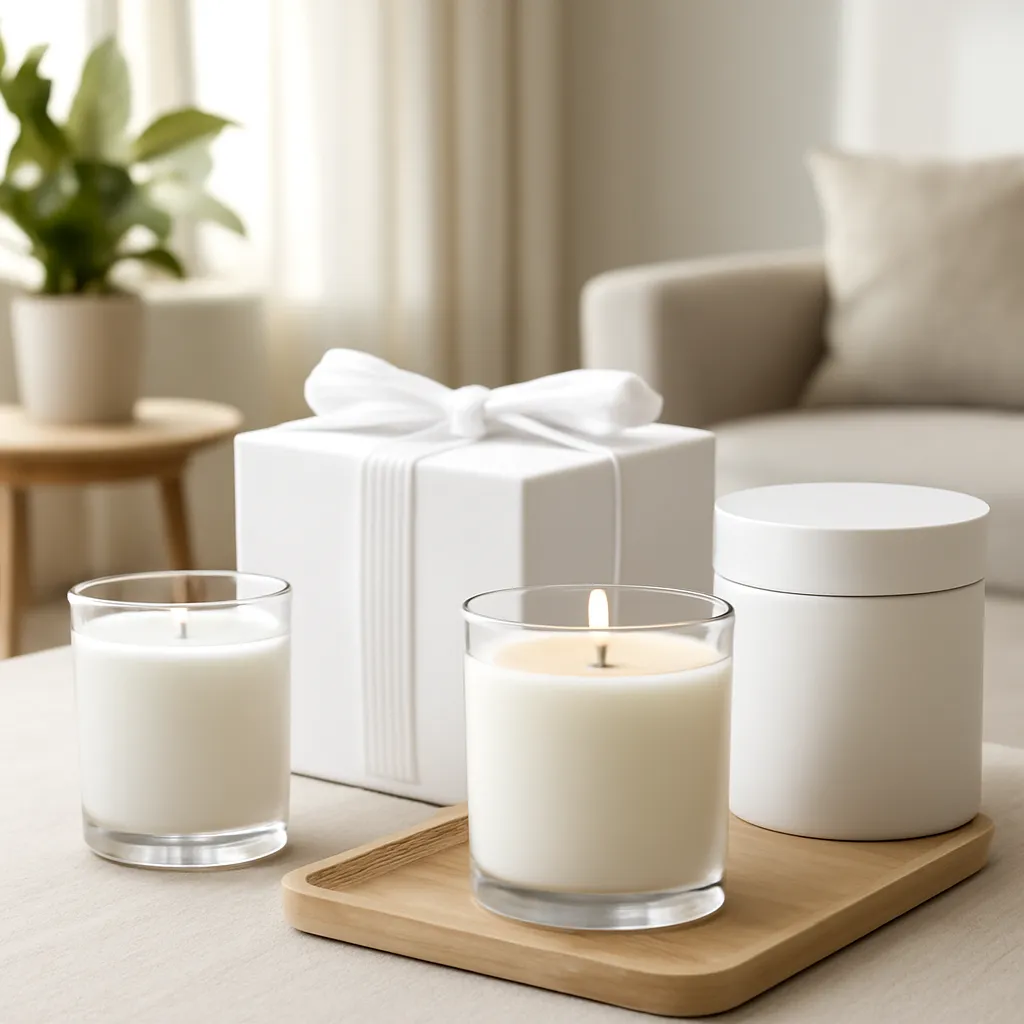
Checklist for Reducing Candle-Related Risks
Enjoying scented candles safely is all about mindful habits and smart choices. Here’s a practical checklist to help reduce risks and maximize enjoyment:
- Choose candles made from natural waxes (soy, beeswax, coconut) and cotton or wood wicks.
- Opt for products with full ingredient transparency and phthalate-free fragrances.
- Trim the wick to 1/4 inch before each use to minimize soot and smoke.
- Burn candles in well-ventilated spaces and avoid confined rooms.
- Limit burn time to four hours or less per session.
- Monitor for signs of irritation or sensitivity, and discontinue use if symptoms arise.
- Keep candles away from drafts, flammable materials, children, and pets.
- Never leave a burning candle unattended.
- Consider alternatives like wax melts, diffusers, or flameless candles for sensitive environments.
By following these steps, you can enjoy the ambiance and fragrance of candles while minimizing potential risks to your health and home.
Conclusion: Creating a Cozy, Safe Home with TadaVN Candles
In the end, the answer to “are scented candles bad for you” depends on a thoughtful balance of ingredients, usage habits, and personal sensitivities. With the right choices, candles can be a safe and delightful way to add warmth, fragrance, and comfort to your space. At TadaVN Candles, we believe that a cozy home starts with care—for your well-being, your loved ones, and the environment. Explore our curated home fragrance collection to find candles that blend beauty, safety, and peace of mind for every season and celebration.