


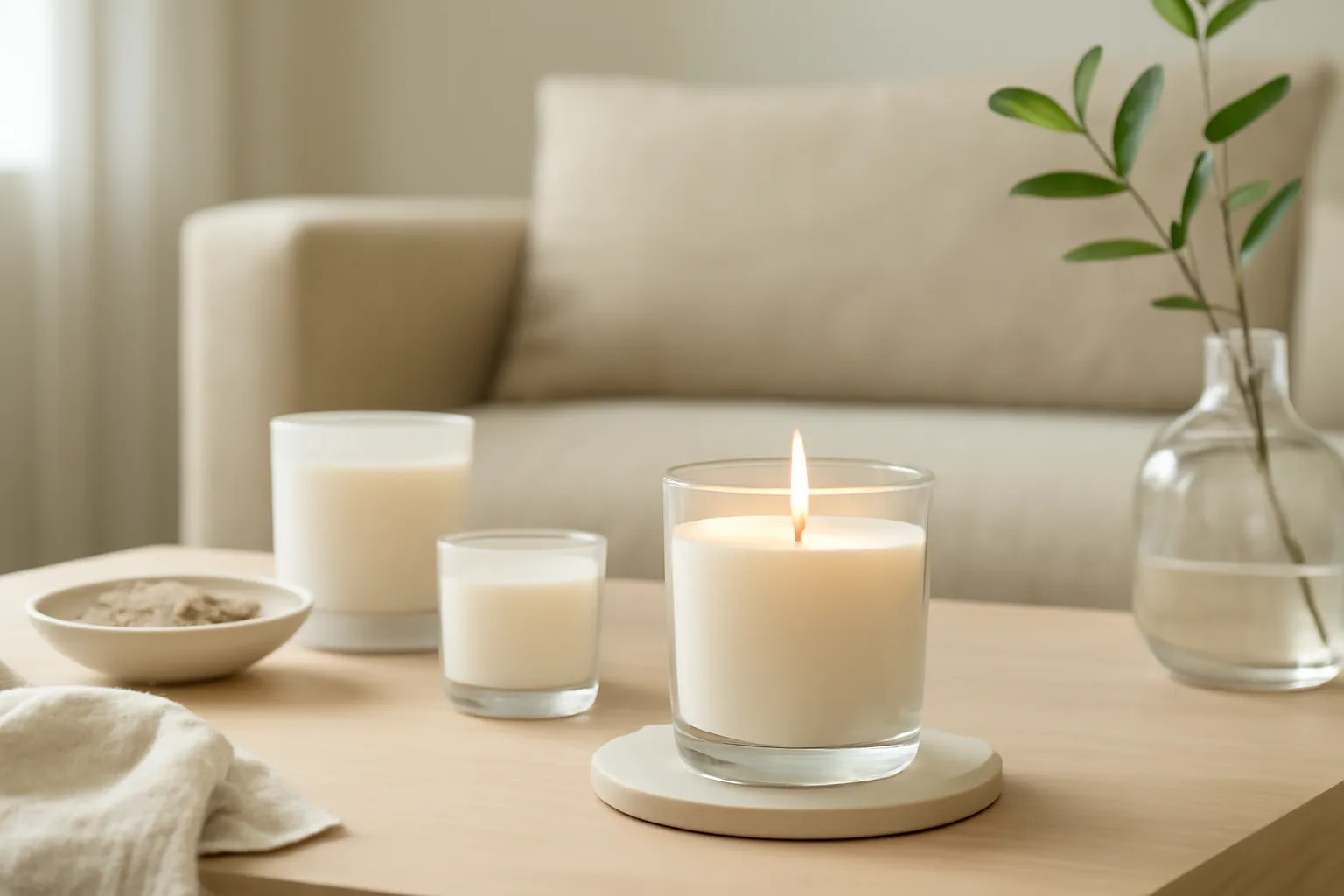
Are scented candles bad for you? This question often arises for families who love the cozy atmosphere candles create but worry about safety—especially with children, pets, or anyone sensitive to fragrances at home. While the warm glow and inviting scents of candles are hard to resist, it’s important to use them thoughtfully. Understanding how to enjoy the best scented candles for home without risking your loved ones’ well-being is the key to a safe, comfortable environment.
In this comprehensive guide, we’ll explore how to select, use, and store scented candles responsibly. We’ll address common concerns, offer practical tips for placement and supervision, and explain how to recognize when it’s time to stop using a candle. Our advice is based on general household safety practices and does not replace professional medical or veterinary guidance. By following these simple precautions, you can fill your home with beautiful fragrance while keeping everyone safe and happy.

Understanding Candle Ingredients and Their Impact
When considering whether scented candles are bad for you, it’s wise to start with what’s inside the candle itself. Most candles are made from paraffin, soy, or beeswax, and each wax type has unique characteristics. Paraffin candles are common and affordable, but they can emit small amounts of soot and volatile organic compounds (VOCs) when burned, especially in poorly ventilated spaces. Soy and beeswax candles tend to burn cleaner, making them a popular choice for families seeking the best scented candles for home environments.
Fragrance oils and essential oils are used to scent candles. Some synthetic fragrances may trigger sensitivities in people or pets, while high-quality natural oils are often gentler. However, even natural scents can cause discomfort for those with allergies or asthma. Reputable brands, like TadaVN Candles, disclose their ingredients and avoid phthalates or other harsh additives. Always check product labels and opt for candles with clear ingredient lists. If you’re unsure, choose unscented or lightly scented options to minimize any risk. Proper ingredient selection helps ensure that your candle experience is both enjoyable and safe for everyone in your home.

Supervision: Never Leave Candles Unattended
Supervision is the golden rule of candle safety. No matter how safe a candle claims to be, it should never be left burning without someone nearby. This is especially critical in homes with children or curious pets, who may accidentally knock over a candle or come too close to the flame. Always place candles out of reach and in sight, so you can react quickly if needed. Consider using sturdy candle holders that won’t tip easily and keep matches or lighters locked away from little hands.
Establish clear household rules about candle use. Teach children that candles are not toys and explain the importance of adult supervision. If you’re hosting guests or a gathering, assign someone to monitor any lit candles throughout the event. Battery-operated flameless candles can be a safe alternative for unsupervised areas, but for those who love the real thing, attentive supervision is non-negotiable. By making supervision a non-negotiable habit, you greatly reduce the risk of accidental fires or injuries.
Strategic Placement: Where and How to Burn Candles Safely
Where you place your scented candles matters as much as what’s in them. Always set candles on a stable, heat-resistant surface, far from flammable objects like curtains, papers, or upholstery. Avoid placing candles in high-traffic areas where they might be bumped. If you have pets, keep candles well above tail or paw reach—cats, in particular, are notorious for jumping onto surfaces unexpectedly.
Good placement also considers airflow. Avoid drafty spots near open windows, vents, or fans, since sudden gusts can cause flames to flicker and potentially catch nearby objects. For the best scented candles for home ambiance, arrange them in central locations like coffee tables or mantels, but ensure there’s at least a foot of space around each candle. If you’re using multiple candles, keep them at least three inches apart to prevent uneven burning or overheating. Smart placement not only enhances safety but also allows the fragrance to disperse evenly throughout your space.
Ventilation: The Importance of Fresh Air
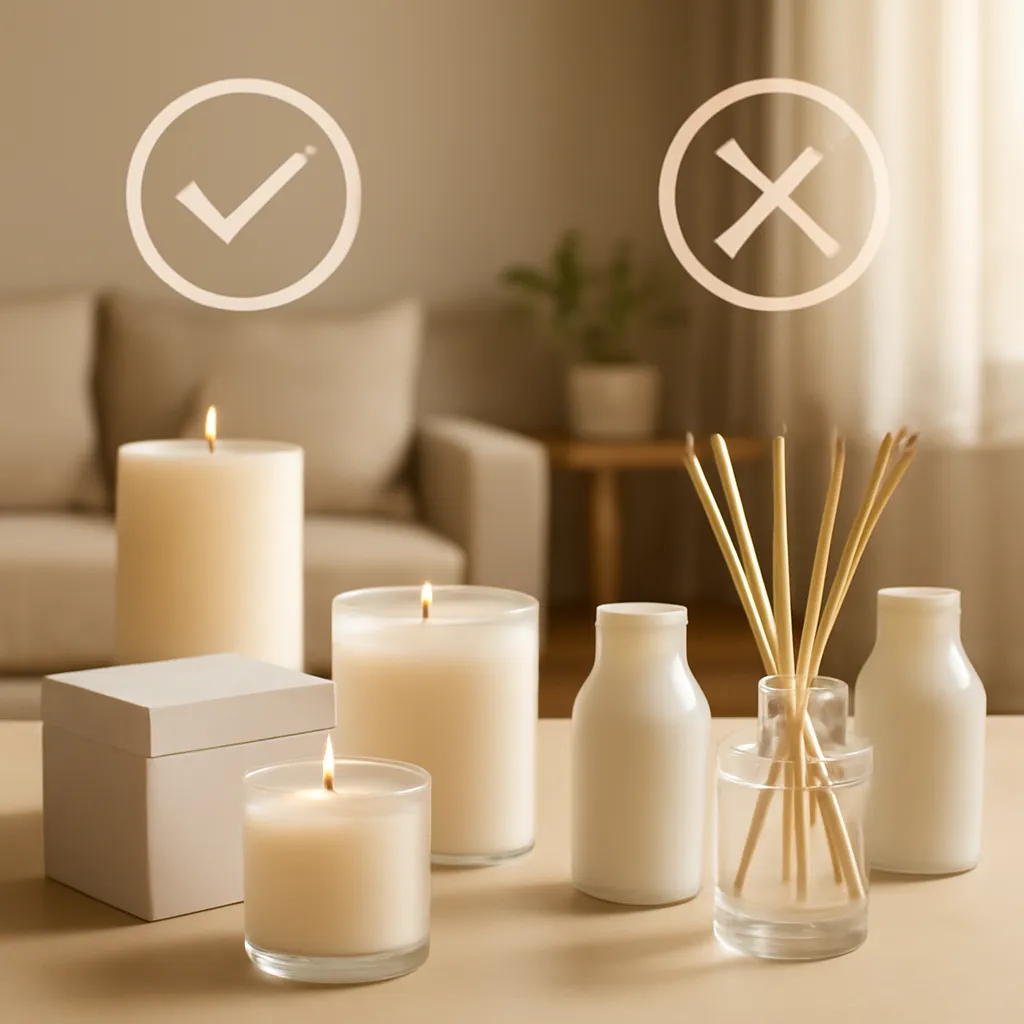
Proper ventilation is crucial when burning scented candles, especially in smaller rooms or homes with sensitive noses. Even the best scented candles for home can release trace amounts of soot or VOCs, particularly if the wick is too long or the air is stagnant. To minimize buildup, crack open a window or door while your candle is burning. This simple step helps freshen the air and reduces the risk of irritation for those with allergies or asthma.
It’s also wise to avoid burning candles in completely enclosed spaces, such as bathrooms with no windows or closets. If you notice any discomfort—headache, sneezing, or watery eyes—extinguish the candle and air out the room. For those especially concerned about air quality, consider using an air purifier alongside your candles or choose unscented varieties for enclosed areas. Prioritizing ventilation ensures that everyone can enjoy the ambiance without unwanted side effects.
Choosing the Right Fragrance Strength
Not all noses are created equal. Some people adore a strong, lingering scent, while others may find even mild fragrances overwhelming. When selecting the best scented candles for home use, consider who will be sharing the space. For families with infants, elderly relatives, or anyone with respiratory sensitivities, opt for lightly scented or unscented candles. Look for products labeled as “low fragrance” or “for sensitive environments.”
Test new scents in small doses. Light the candle for just 15–20 minutes at first and assess everyone’s reaction. If no discomfort occurs, gradually increase the burn time. Avoid mixing multiple strong scents in the same room, as this can intensify the aroma and potentially trigger headaches or nausea. Brands like TadaVN Candles offer a range of fragrance strengths, making it easy to find the perfect match for your household. Thoughtful fragrance choices ensure that everyone can relax and enjoy the inviting atmosphere.
Session Time: How Long Should You Burn a Candle?
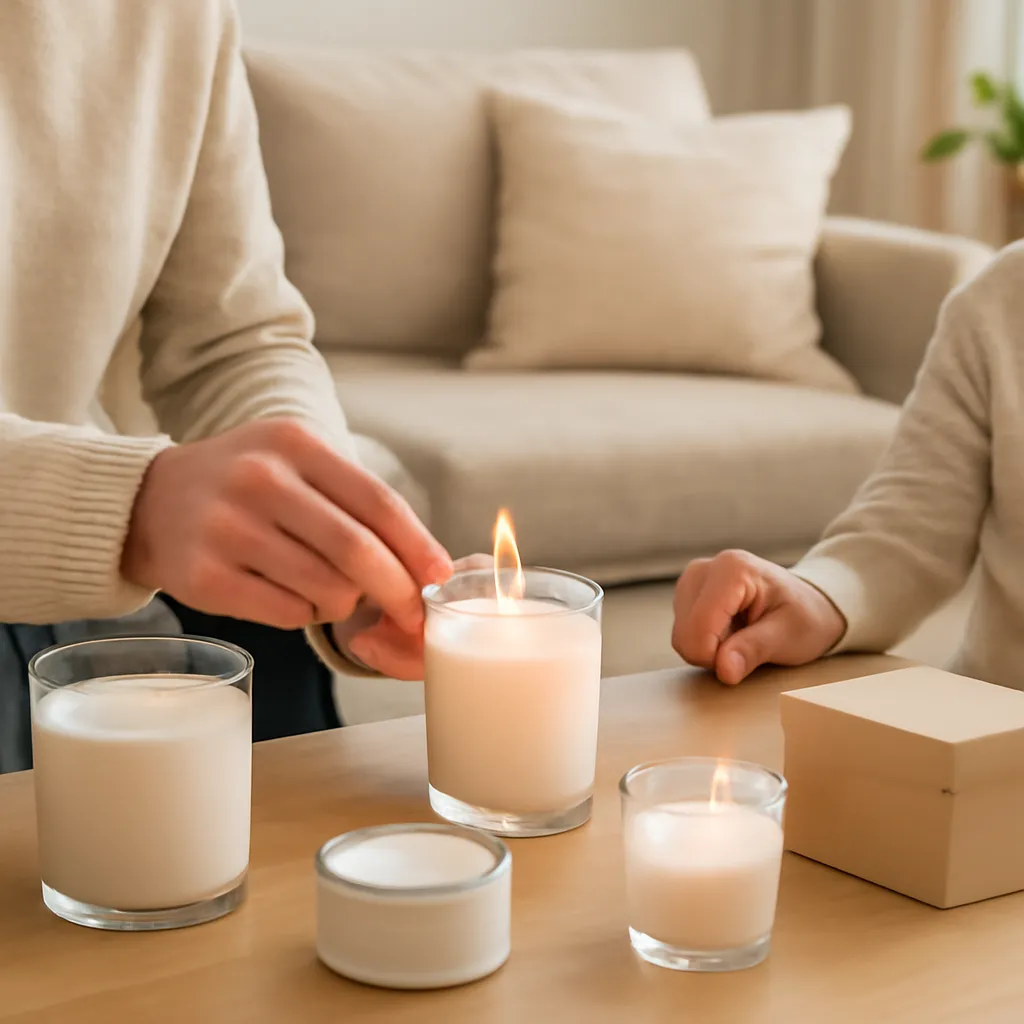
Burning a candle for too long not only wastes wax but can also increase the risk of soot production and air quality concerns. Most experts recommend limiting candle sessions to two to four hours at a time. After this period, extinguish the flame, allow the wax to cool, and trim the wick before relighting. This practice helps maintain a clean burn and prevents the container from overheating or cracking.
Shorter sessions are especially important in homes with children, pets, or sensitive noses. If you’re using candles for a special occasion, plan to light them shortly before guests arrive and extinguish them once the event is underway. For daily use, consider alternating between candles and other home fragrance options, such as wax melts or diffusers, to keep the air fresh without constant burning. Mindful session timing allows you to enjoy the benefits of scented candles without compromising safety or comfort.
Proper Storage: Keeping Candles Safe When Not in Use
Safe candle use doesn’t end when the flame goes out. Proper storage is essential to prevent accidents and preserve candle quality. Store candles in a cool, dry place, away from direct sunlight and out of reach of children and pets. High shelves, closed cabinets, or lockable drawers are ideal storage spots. Avoid leaving candles on windowsills or near heat sources, as this can cause the wax to melt or deform.
Keep candles in their original containers or use protective covers to prevent dust and debris from accumulating on the wax. If you have a collection of different scents, store them separately to avoid fragrance cross-contamination. For added safety, keep matches and lighters in a secure location, far from curious hands or paws. Thoughtful storage not only extends the life of your scented candles but also keeps your home organized and safe.
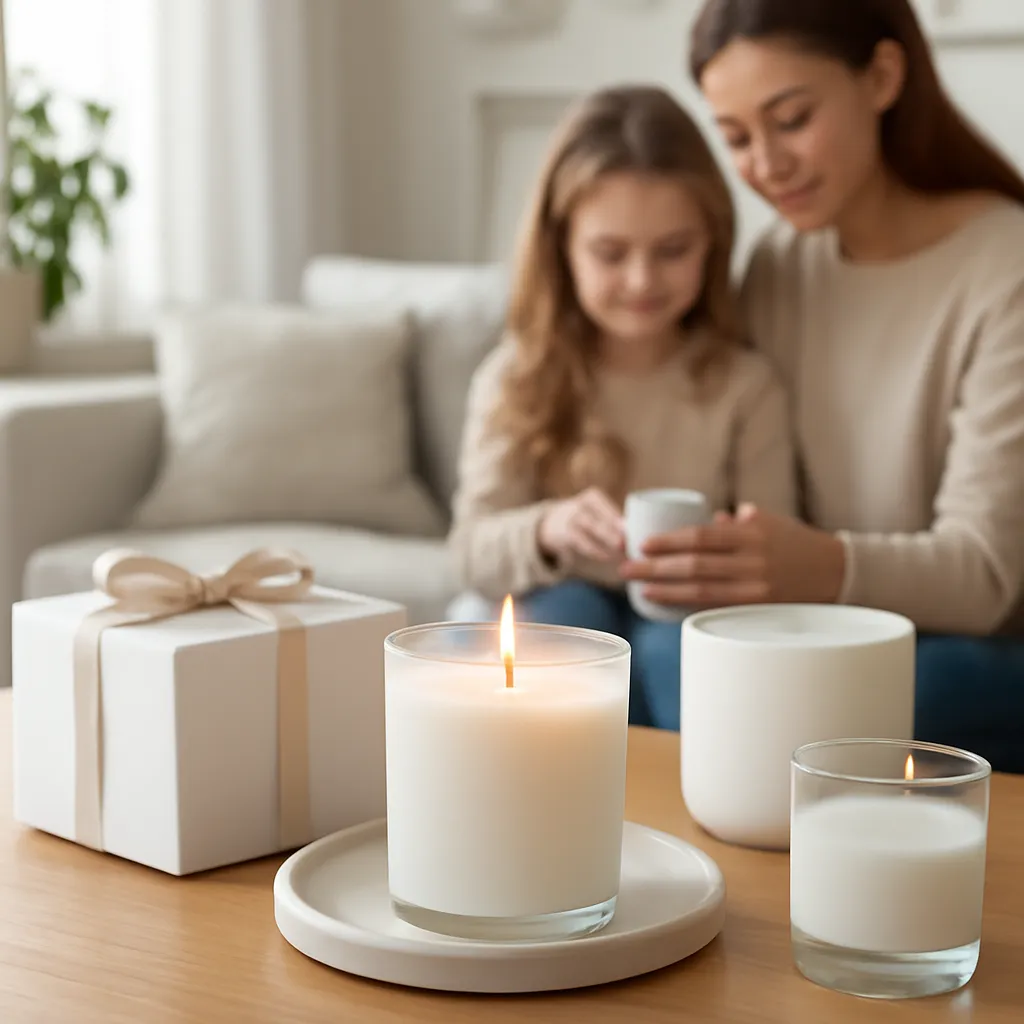
Recognizing When to Stop Using a Candle
Knowing when to stop using a candle is as important as safe burning practices. If you notice excessive smoke, sooting, or a flickering flame that won’t steady, extinguish the candle immediately. These signs often indicate that the wick is too long, the candle is placed in a draft, or the wax is contaminated. Trim the wick to 1/4 inch before relighting and make sure the candle is on a stable, draft-free surface.
Be alert to any changes in your family’s comfort. If anyone develops headaches, sneezing, or other symptoms while a candle is burning, discontinue use and ventilate the area. For homes with pets, watch for signs of respiratory distress or unusual behavior. If you suspect an adverse reaction, consult a medical or veterinary professional. Always follow manufacturer guidelines and never burn a candle all the way to the bottom—leave at least half an inch of wax to prevent container breakage or overheating. These simple precautions help you enjoy the best scented candles for home use with confidence.
Checklist: Safe Candle Use in Family Homes
To make candle safety second nature, use this practical checklist before lighting up:
- Read the label and choose candles with clear, high-quality ingredients.
- Place candles on stable, heat-resistant surfaces, away from flammable materials.
- Keep candles out of reach of children and pets.
- Never leave a burning candle unattended.
- Ensure good ventilation in the room.
- Limit burn time to two to four hours per session.
- Trim the wick to 1/4 inch before each use.
- Store candles in a cool, dry, and secure location.
- Watch for signs of discomfort or adverse reactions.
Following this checklist will help you enjoy your favorite home fragrance products with peace of mind, knowing you’ve taken every precaution for your family’s safety.
Conclusion: Creating a Cozy, Safe Home with TadaVN Candles
While the question “are scented candles bad for you” often sparks concern, the real answer lies in how you choose and use them. With mindful selection, attentive supervision, and simple safety practices, scented candles can be a delightful addition to any family home. Whether you’re seeking the best scented candles for home ambiance or want to treat yourself to a new fragrance, TadaVN Candles offers a collection designed for comfort and peace of mind. Discover their thoughtfully crafted options at TadaVN Candles and create a welcoming atmosphere that everyone in your household can enjoy safely.