



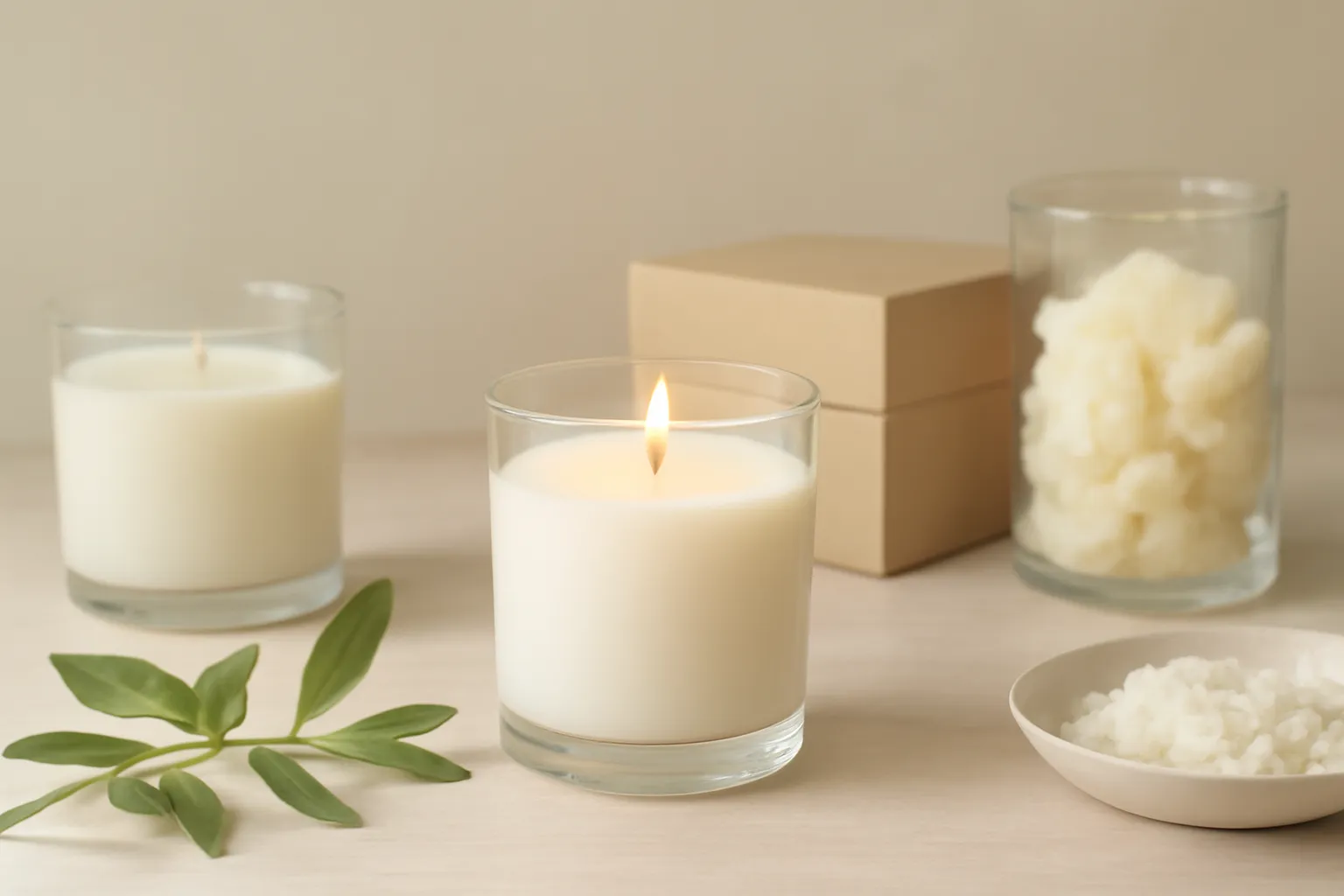
Natural scented candles have become a staple in modern American homes, promising a cleaner burn and a cozier ambiance. As we head into 2026, shoppers are greeted with a dazzling array of labels—natural, naturally scented, organic, essential oil-infused, and more. Yet, not all of these claims are created equal. Whether you’re lighting a candle for relaxation, ambiance, or gifting, understanding what these labels truly mean is essential for making a confident purchase.
This guide will help you navigate the sometimes-confusing world of natural scented candles. We’ll break down what each claim really means, why it matters, and how to spot genuine quality. From decoding wax blends to evaluating fragrance disclosures and wick materials, you’ll learn how to read between the lines. By the end, you’ll be able to make informed choices that fit your values, your health concerns, and your home’s style.
Understanding Candle Claims: Natural, Naturally Scented, and Organic
The candle aisle is packed with terms like “natural scented candles,” “naturally scented candles,” and “organic scented candles.” At first glance, these phrases seem interchangeable, but each has a distinct meaning—and none are strictly regulated in the US. A candle labeled “natural” typically refers to the ingredients, such as soy, coconut, or beeswax, rather than paraffin. “Naturally scented” implies the fragrance comes from botanical sources, but this is not always guaranteed. “Organic” suggests that some or all ingredients are certified organic, but unless the candle is USDA certified, this claim may be more marketing than substance.
It’s important to remember that these claims do not automatically mean the candle is safer or better for your health. For example, a candle can be labeled “natural” but still contain synthetic fragrance oils. Likewise, “organic scented candles” may only use a small percentage of organic materials unless otherwise specified. Always look for transparency in labeling and, when possible, third-party certifications. This is especially important if you have sensitivities or are shopping for children or pets.
When evaluating these claims, check for specifics. Does the label mention the percentage of organic content or the source of the fragrance? Are there details about the wax blend or wick material? The more transparent the brand, the more likely you are to get a product that aligns with your expectations. If you see vague language or the absence of details, consider it a red flag. Making sense of these terms is the first step toward choosing candles that truly fit your lifestyle.
Decoding Wax Blends: What’s Really in Your Candle?
The foundation of any natural scented candle is its wax. The most common bases are soy, coconut, and beeswax, each with unique qualities. Soy wax is plant-based, renewable, and burns cleanly, making it a favorite among eco-conscious shoppers. Coconut wax is prized for its creamy texture and excellent scent throw, while beeswax is naturally aromatic and long-burning. However, many candles marketed as “soy” or “coconut” actually use blends with paraffin or palm wax, which are less desirable from a sustainability perspective.
To find genuinely natural scented candles, read the ingredient list carefully. Look for brands that disclose the full wax blend and avoid vague terms like “proprietary blend” without further explanation. If a candle is labeled as “organic scented,” check for third-party certification or detailed sourcing information. Be wary of candles that simply say “natural wax” with no further breakdown—this could mean anything from pure soy to a minor percentage of plant wax mixed with paraffin.
Consider the environmental impact as well. Palm wax, for example, is often associated with deforestation unless it’s RSPO-certified. If sustainability is a priority, look for candles that use 100% soy, coconut, or beeswax, ideally sourced from reputable growers. Transparency is key: the more a brand tells you about its wax, the more confident you can be in your purchase.

Fragrance Disclosure: Reading Between the Lines
Fragrance is where the claims game gets especially tricky. “Naturally scented candles” often promise essential oil blends, but many still contain synthetic fragrance components for stability and scent longevity. The term “fragrance” or “parfum” on an ingredient list can hide dozens of undisclosed chemicals, some of which may cause sensitivities. Brands that are transparent will specify whether their scents come from pure essential oils, natural isolates, or a mix of natural and synthetic ingredients.
If you’re seeking truly natural scented candles, look for explicit statements like “scented with 100% essential oils” or “phthalate-free fragrance.” Some brands go further and list the actual oils or botanicals used, such as lavender, eucalyptus, or citrus. For “organic scented candles,” check whether the fragrance components are certified organic, not just the wax. Transparency in fragrance disclosure is especially crucial if you have allergies or are sensitive to certain ingredients.
Be cautious of candles that use the word “aromatherapy” without backing it up with ingredient details. While essential oils can offer mood-boosting benefits, not all candles labeled as such are genuinely therapeutic. If you’re unsure, reach out to the brand or check for third-party testing. For those who love to experiment, sample sets or travel sizes are a smart way to test scents before committing to a full-size candle. For more on botanical scents and natural fragrance options, explore the home fragrance collection at TadaVN Candles.
Wick Materials: The Unsung Hero of a Clean Burn
Wicks are often overlooked, but they play a critical role in how safely and cleanly your candle burns. The best natural scented candles use cotton, wood, or hemp wicks, free from metal cores or chemical stiffeners. Cotton wicks are the most common and, when unbleached and lead-free, provide a steady, low-soot flame. Wooden wicks, often made from FSC-certified wood, offer a gentle crackle and a modern look, while hemp wicks are less common but prized for their eco-friendliness.
Watch out for wicks with metal cores, which can sometimes contain traces of lead or zinc. Although lead wicks are banned in the US, imported candles may not always comply. If a candle doesn’t specify the wick material or if you notice a sooty residue on your jar, it may be a sign the wick isn’t as clean as advertised. Brands that prioritize transparency will list wick materials clearly on the label or website.
Proper wick care also affects how well your candle burns. Trim the wick to 1/4 inch before each use to reduce soot and ensure an even melt pool. This simple habit not only improves air quality but extends the life of your naturally scented candles. For more tips on candle care and wick selection, check out guides from trusted brands or specialty retailers.
Certifications and Third-Party Testing: What to Look For
Certifications can help cut through marketing jargon, but not all are created equal. For organic scented candles, the USDA Organic seal is the gold standard, but few candles qualify due to the complexity of certifying both wax and fragrance. Other reputable certifications include Ecocert, Non-GMO Project, and Leaping Bunny (cruelty-free). Some brands also offer in-house testing for emissions or ingredient purity, but third-party verification is always preferable for peace of mind.
When shopping for natural scented candles, look for seals or badges on packaging or product pages. Don’t hesitate to ask brands for documentation or more details about their certification process. Be wary of vague claims like “eco-friendly” or “green” without specifics, as these may be more about marketing than substance. Transparency and third-party oversight are your best tools for ensuring you’re getting what you pay for.
If you’re especially concerned about indoor air quality, seek out candles that are labeled “phthalate-free,” “paraffin-free,” or have undergone emissions testing. These extra steps can help reduce your exposure to potentially harmful compounds. While certifications aren’t the only measure of quality, they provide an added layer of confidence when selecting naturally scented candles for your home.
Claim Checklist: Green Flags and Red Flags
To simplify your shopping experience, use a quick checklist when evaluating natural scented candles. Green flags include full ingredient disclosure, clear wax blend details, specific fragrance sources, and recognized certifications. Look for brands that list not only the type of wax but also its origin and whether it’s blended with anything else. A reputable candle will specify if the scent is from essential oils, natural isolates, or a mix, and whether it’s free from phthalates, parabens, or synthetic dyes.
Red flags to watch for include vague terms like “aromatherapy” or “eco-friendly” without supporting details, lack of ingredient transparency, and no mention of wick material. If a brand uses phrases like “proprietary blend” without further explanation, or if the label focuses more on lifestyle imagery than substance, proceed with caution. Imported candles without clear labeling may also skirt US safety standards.
When in doubt, reach out to the brand for more information or check their website for detailed FAQs. Brands that are proud of their sourcing and formulation will be happy to share details. For a curated selection of transparent, quality candles, browse the soy candle collection at TadaVN Candles.
Candle Care and Safe Burning Practices
Even the purest natural scented candles require proper care to ensure a safe and enjoyable experience. Always burn your candle on a stable, heat-resistant surface away from drafts, pets, and children. Allow the wax to melt fully to the edge of the container on the first burn to prevent tunneling, which wastes wax and shortens the candle’s lifespan. Never burn a candle for more than four hours at a time, and always extinguish it before leaving the room.
Wick maintenance is crucial. Trim the wick to 1/4 inch before each use to minimize soot and maximize fragrance throw. If your candle starts to smoke or flicker excessively, extinguish it, let it cool, and trim the wick again. Regular care not only keeps your naturally scented candles burning cleanly but also enhances their scent and longevity. Store candles in a cool, dry place away from direct sunlight to preserve fragrance and color.
For those who enjoy experimenting, consider rotating different scents according to season or mood. This not only keeps your space feeling fresh but also helps you discover new favorites. For more candle care tips and seasonal inspiration, visit the scented candles section at TadaVN Candles.
How to Read Candle Labels Like a Pro
Reading a candle label goes beyond scanning for pretty packaging. Start by checking the front and back for ingredient lists, wax type, wick material, and fragrance details. Brands that prioritize transparency will often list the percentage of natural or organic content, as well as whether the fragrance is essential oil-based or synthetic. Look for clear, legible fonts and avoid candles with crowded or confusing labels.
Take note of any certifications, batch numbers, or manufacturing dates, which indicate quality control. If you see terms like “hand-poured,” “small batch,” or “artisan,” this can be a sign of attention to detail—but always verify with the ingredient list. For imported candles, check for compliance with US labeling laws, especially regarding wick materials and fragrance disclosures.
Use your senses as well. A high-quality natural scented candle will have a clean, pleasant aroma even before lighting. If the candle smells overwhelmingly strong or artificial, it may contain synthetic additives. Trust your instincts and don’t hesitate to contact the brand for more information if something feels off. For a wide variety of clearly labeled, naturally scented candles, explore the offerings at TadaVN Candles.
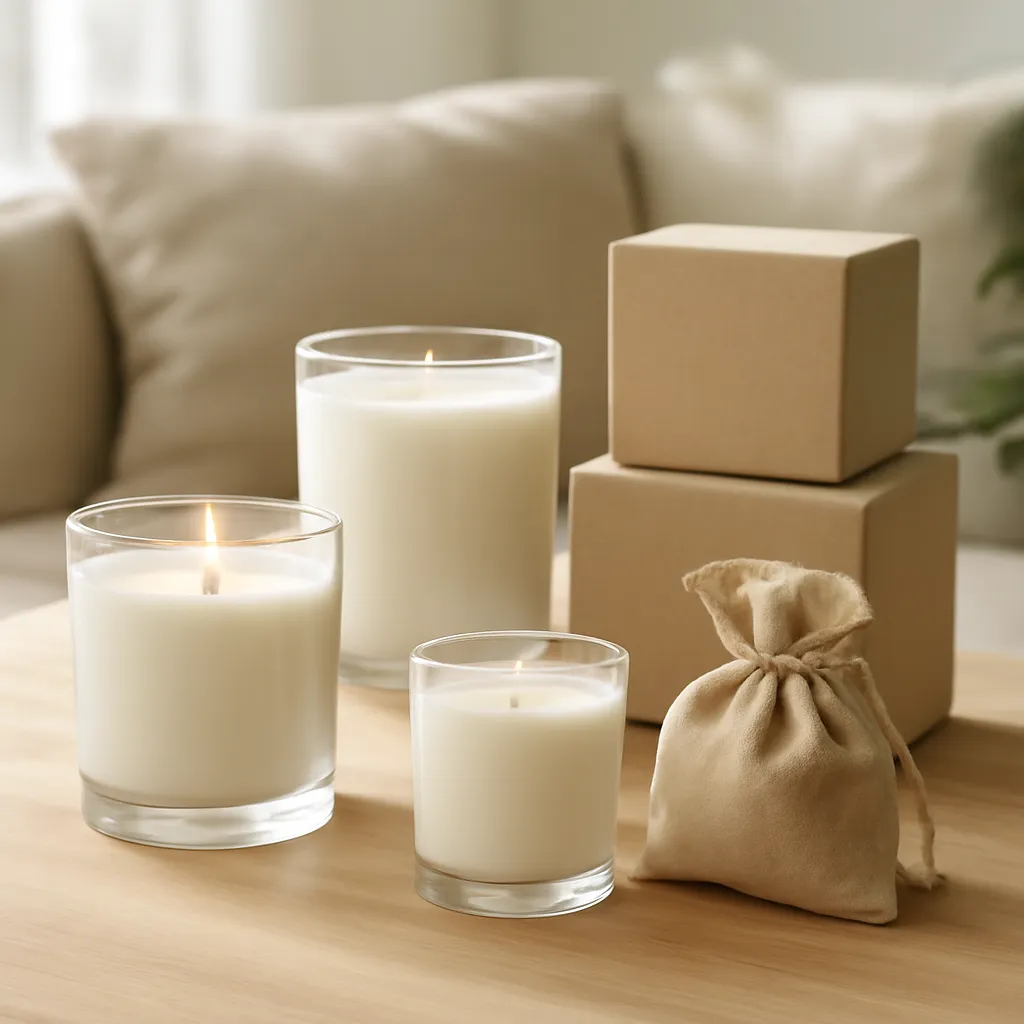
Conclusion: Light Up Your Home with Confidence
Choosing the right natural scented candles is about more than just fragrance—it’s about understanding what you bring into your home. By learning to read wax, wick, and fragrance claims, you empower yourself to select candles that match your values and enhance your living space. Remember that claims like “natural,” “naturally scented,” and “organic” are only as meaningful as the transparency behind them. With a little knowledge and a discerning eye, you can enjoy the beauty and comfort of candlelight, worry-free.
At TadaVN Candles, we believe that a cozy home begins with trust and quality. Our collection of natural scented candles is crafted with care, using premium ingredients and transparent labeling, so you can light up any moment with confidence. Discover the difference for yourself at TadaVN Candles and make every day a little brighter and more inviting.