



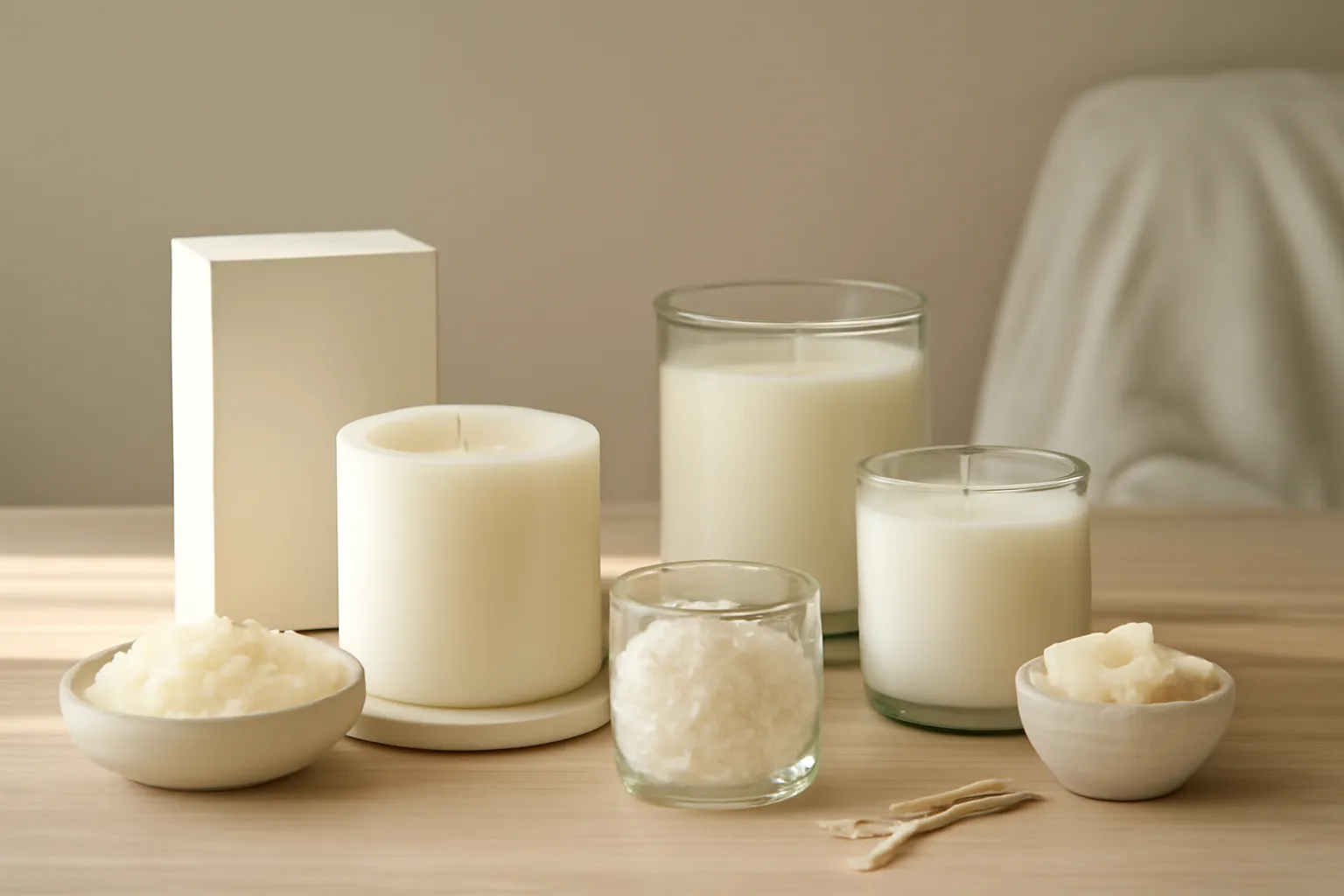
Shopping for natural wax candles in 2026 is an experience that calls for a discerning eye. With shelves lined with beautiful jars and alluring labels, it’s easy to be swayed by words like “natural,” “organic,” or “clean-burning.” But what do these claims actually mean, and how can you be sure you’re bringing home truly natural scented candles? The world of candle marketing is full of nuanced language designed to appeal to health-conscious and eco-friendly consumers. Understanding the difference between a genuine natural wax scented candle and one that simply looks the part is crucial for making informed, satisfying purchases.
In this comprehensive guide, we’ll walk you through how to read and interpret claims about wax types, fragrance sources, wick materials, and certifications. We’ll explore common marketing language, offer a checklist for evaluating candles, and highlight both green and red flags. Whether you’re looking for the perfect gift, a new addition to your living room, or a safer way to scent your home, you’ll find practical advice and real-world examples that empower you to shop with confidence. Let’s demystify the world of natural wax candles together.
The Truth Behind Wax Blends: What “Natural” Really Means
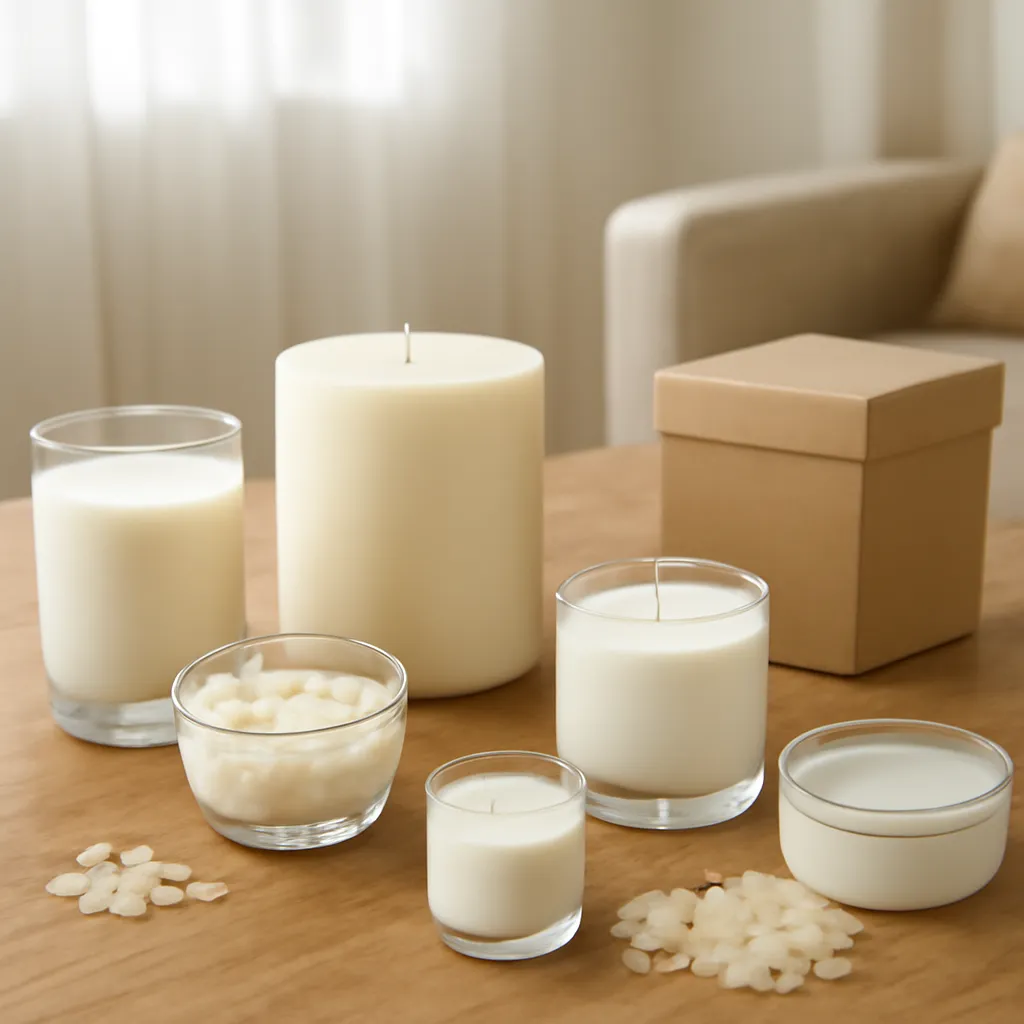
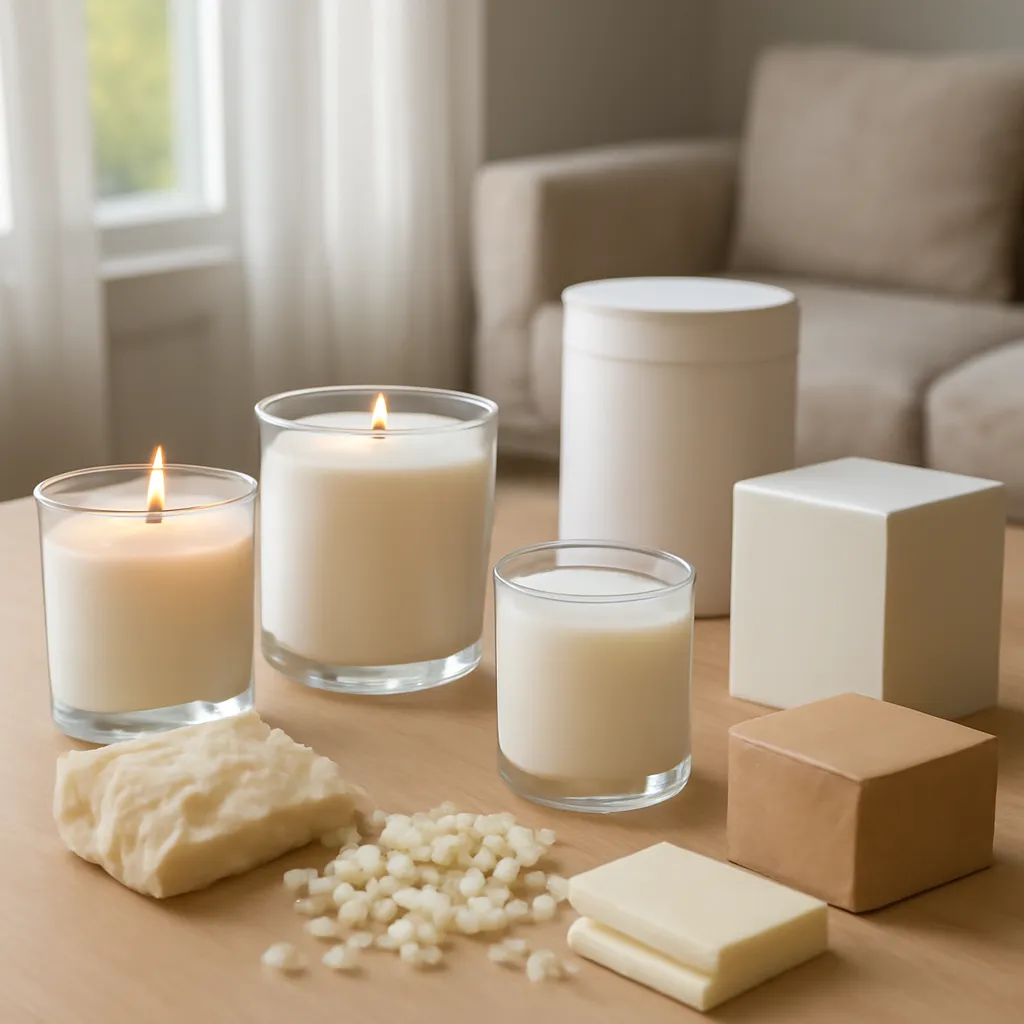
One of the most important factors in choosing natural wax candles is understanding the type of wax used. The term “natural” is often applied to a wide range of wax blends, but not all are created equal. Soy wax, coconut wax, and beeswax are among the most popular natural waxes, each with their own properties and benefits. Soy wax is prized for its clean burn and renewable sourcing, while coconut wax offers a creamy texture and excellent scent throw. Beeswax is known for its subtle honey aroma and long burn time, making it a favorite for those seeking a more traditional candle experience.
However, many candles labeled as natural wax scented candles may actually contain a blend of natural and synthetic waxes. For example, some manufacturers mix soy with paraffin to cut costs or alter performance. If you’re seeking a truly natural candle, check for full ingredient disclosure on the label or brand website. Look for statements such as “100% soy wax” or “pure beeswax,” and be wary of vague terms like “soy blend” or “eco wax” without further explanation. Transparency is key when it comes to wax blends, so don’t hesitate to reach out to brands for clarification if the ingredients are unclear.
How to Decode Fragrance Claims: Natural, Naturally Scented, and More
Fragrance is where natural wax candles can become especially confusing. Labels might tout “natural fragrance,” “essential oil blend,” or “phthalate-free,” but these claims can mask a wide spectrum of ingredients. True natural scented candles use essential oils or botanical extracts for their aroma, but many “naturally scented” candles still contain synthetic fragrance oils blended in. The distinction is important for those sensitive to artificial scents or looking to minimize chemical exposure in their homes.
To make an informed choice, look for brands that disclose the full fragrance composition. Phrases like “fragranced only with pure essential oils” or “no synthetic fragrance” are good signs. If a candle simply says “fragrance” or “parfum,” this usually indicates a mix of natural and synthetic components. Some brands offer a home fragrance collection with detailed scent sourcing, which can help you choose with confidence. Remember, even essential oils can trigger sensitivities, so always test a new candle in a well-ventilated space before extended use.
Wick Materials Matter: Cotton, Wood, and Beyond
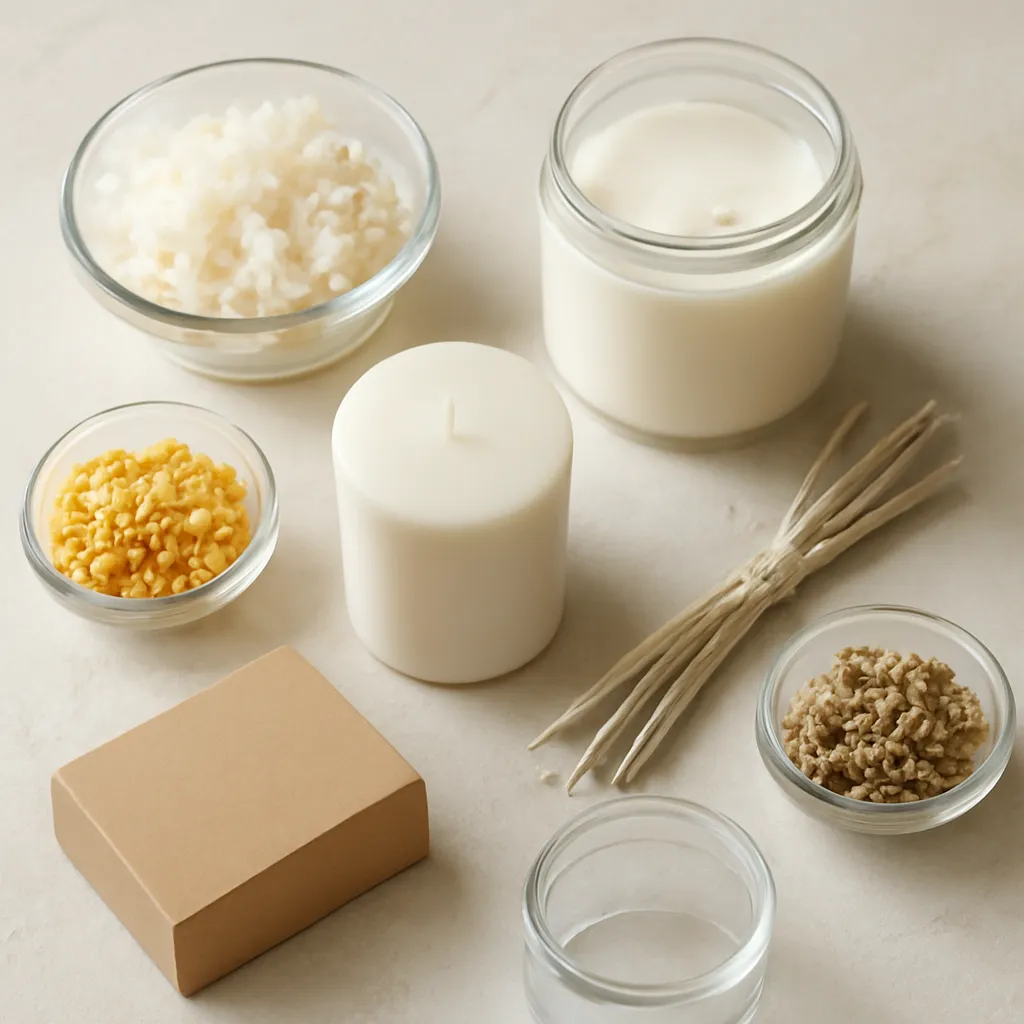
Wick material plays a crucial role in both the performance and safety of natural wax candles. The most common wicks are made from braided cotton, often touted as lead-free or metal-free. These are generally safe and reliable, especially when paired with natural waxes. Wooden wicks, made from untreated wood, have surged in popularity for their gentle crackling sound and modern aesthetic. Both cotton and wood can be considered natural, but it’s important to ensure they are free from chemical treatments or stiffeners.
Some candles still use wicks with metal cores or synthetic fibers, which can impact air quality and the candle’s environmental footprint. Look for candles that specify “100% cotton wick,” “unbleached cotton,” or “natural wood wick.” Avoid vague claims like “safe wick” without further detail. Brands committed to transparency often highlight their wick materials alongside wax and fragrance information, making it easier for you to make a conscious choice. If you’re ever unsure, check the brand’s FAQ or reach out directly for more information before purchasing.
Certifications and Standards: What to Look For
Certifications can provide valuable assurance when shopping for natural wax candles, but it’s important to understand what each seal actually means. Common certifications include USDA Organic, Ecocert, and Leaping Bunny (for cruelty-free status). While these can signal a commitment to natural or ethical practices, not all reputable brands pursue certification due to cost or scale. Instead, many focus on ingredient transparency and responsible sourcing, which can be equally meaningful.
When evaluating natural wax scented candles, look for certifications that are relevant to your priorities. For example, a USDA Organic seal on a soy wax candle indicates the soybeans were grown without synthetic pesticides, but it doesn’t guarantee the fragrance oils are also organic. Ecocert certification may cover both wax and fragrance, but always read the fine print. If a candle claims to be “clean-burning,” check for independent lab testing or third-party verification. Remember, certifications are a helpful tool, but not the only measure of quality or safety in natural scented candles.
Performance and Burn Quality: What to Expect from Natural Wax Candles
Performance is a common concern when switching from traditional paraffin candles to natural wax candles. Many people worry that natural waxes won’t burn as evenly, throw scent as strongly, or last as long. The truth is, high-quality natural wax scented candles can perform beautifully when crafted with care. Soy and coconut waxes are known for their smooth, even burns and excellent scent diffusion, especially when paired with the right wick size and vessel shape. Beeswax, while slower to release fragrance, offers a naturally long burn and subtle honeyed aroma.
To get the most out of your natural scented candles, always trim the wick to about 1/4 inch before lighting. Allow the wax to melt fully across the surface on the first burn to prevent tunneling. If you notice uneven burning or sooting, it may be a sign that the wick or wax blend isn’t well-matched. Brands that specialize in soy candle collection often provide detailed burn instructions to help you enjoy your candle safely and efficiently. With proper care, natural wax candles can deliver both ambiance and fragrance without compromise.
Marketing Language: Spotting Greenwashing and Empty Claims
The language on candle labels and advertisements can be persuasive, but sometimes misleading. Terms like “eco-friendly,” “clean,” “non-toxic,” and “all-natural” are not regulated and can mean different things to different brands. Greenwashing occurs when brands use these buzzwords to appeal to conscious consumers without backing them up with meaningful action or transparency. For example, a candle labeled as “natural wax scented candle” might contain only a small percentage of natural wax blended with paraffin, or use a synthetic fragrance despite claiming to be “naturally scented.”
To avoid falling for empty claims, scrutinize the label and product description for specific details. Does the brand list all ingredients? Are third-party certifications provided? Is there a clear explanation of what makes the candle “natural” or “clean”? A reputable company will be upfront about their materials and processes. When in doubt, look for customer reviews, independent testing, or ask the brand directly. You can also explore collections from trusted sources, such as the scented candles category at TadaVN Candles, where ingredient transparency is a top priority.
Checklist: How to Evaluate Candle Claims Before Buying
Before committing to a new candle, it helps to have a checklist for evaluating claims. Start by reading the full ingredient list—does it specify the type and percentage of natural wax? Are fragrance sources clearly disclosed, including whether they are essential oils, botanical extracts, or synthetic blends? Check the wick material for details like “cotton,” “wood,” or “metal-free.” Look for relevant certifications or independent lab testing where available.
Pay attention to both green and red flags. Green flags include full ingredient transparency, clear sourcing information, and honest marketing language. Red flags are vague claims, lack of ingredient disclosure, or reliance on buzzwords without substance. Use this checklist to compare options and make decisions that align with your values and sensitivities. Remember, the goal is to find natural wax candles that deliver on their promises and enhance your home environment safely and beautifully.
Red Flags and Green Flags: What to Watch Out For
Recognizing red and green flags can save you from disappointment and ensure you bring home only the best natural wax candles. Red flags include phrases like “blend,” “eco wax,” or “natural fragrance” without further explanation. If a candle lists “fragrance” or “parfum” as a single ingredient, it’s likely a mix of undisclosed components. Metal-core wicks, artificial dye, and lack of ingredient transparency are additional warning signs.
On the other hand, green flags are easy to spot when you know what to look for. These include “100% soy wax,” “pure beeswax,” or “coconut wax” clearly stated on the label. Transparent sourcing, such as “fragranced with essential oils,” and certifications like USDA Organic or Ecocert add credibility. Brands that offer detailed ingredient lists and burn instructions demonstrate a commitment to quality and consumer trust. By keeping these signals in mind, you can confidently select natural wax scented candles that align with your standards.
Conclusion: Creating a Cozy, Honest Home with TadaVN Candles
Choosing natural wax candles is about more than just a label—it’s about creating a home environment that feels safe, welcoming, and authentic. By understanding wax blends, fragrance sources, wick materials, and the meaning behind marketing claims, you empower yourself to make choices that truly reflect your values. The right natural scented candles can transform your living space with subtle fragrance and warm ambiance, all while supporting sustainable, transparent practices.
At TadaVN Candles, we believe in the power of honesty and craftsmanship. Our commitment to ingredient transparency and thoughtful design ensures you can enjoy every candle with peace of mind. Explore our natural wax candle collection and discover how the right candle can complete your cozy, beautiful home in 2026 and beyond.