



If you’ve ever wondered, “why is my scented candle not smelling?” you’re not alone. Many candle lovers expect a room-filling fragrance, only to find their favorite scent barely noticeable after lighting the wick. It can be frustrating, especially when you’ve invested in a beautiful candle or selected the strongest scented candle on the shelf. Understanding why your candle scent is not strong requires a closer look at several key factors, from the way you burn your candle to the environment in which it’s used.
Whether you’re hoping to create a relaxing sanctuary or impress guests with an inviting aroma, a weak scent throw can be disappointing. Before giving up on your candle or switching brands, it’s important to diagnose the problem correctly. This guide will walk you through the most common reasons for poor fragrance performance and offer practical, safe solutions. With a few adjustments, you can unlock the full potential of your favorite candles and enjoy their scents as intended.
Room Size and Airflow: Matching Candle to Space
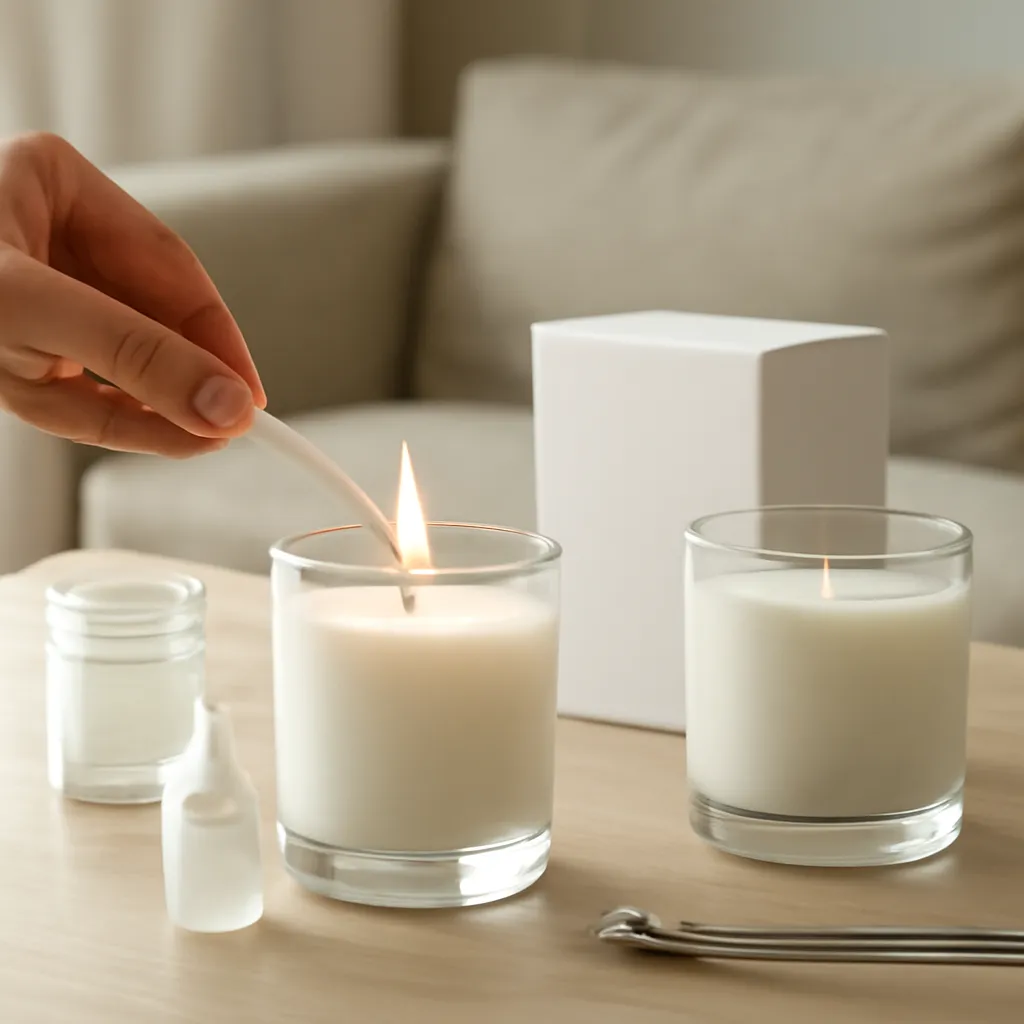
One of the most overlooked reasons for a candle scent not strong enough is simply the size of the room. Scented candles are designed to perform best within a certain square footage. If you place a small candle in a large, open-plan living room, the fragrance will likely dissipate before it has a chance to build. On the other hand, a large candle in a tiny bathroom may overwhelm the senses. Assess the size of your space and choose your candle accordingly. For bedrooms or offices, a single-wick candle may suffice, while spacious living areas might require a three-wick or even multiple candles burning at once.
Airflow also plays a critical role in scent throw. Drafts from open windows, air conditioning vents, or fans can carry fragrance away before it settles. If your candle is near a draft, you might notice the scent comes and goes or is barely detectable. Try moving your candle to a more sheltered spot and close nearby windows or doors during use. This simple step can make a significant difference in how strong your candle smells. If you’re still struggling, consider using a candle lamp or warmer to gently disperse fragrance without the interference of air movement.
The First Burn: Setting the Wax Memory
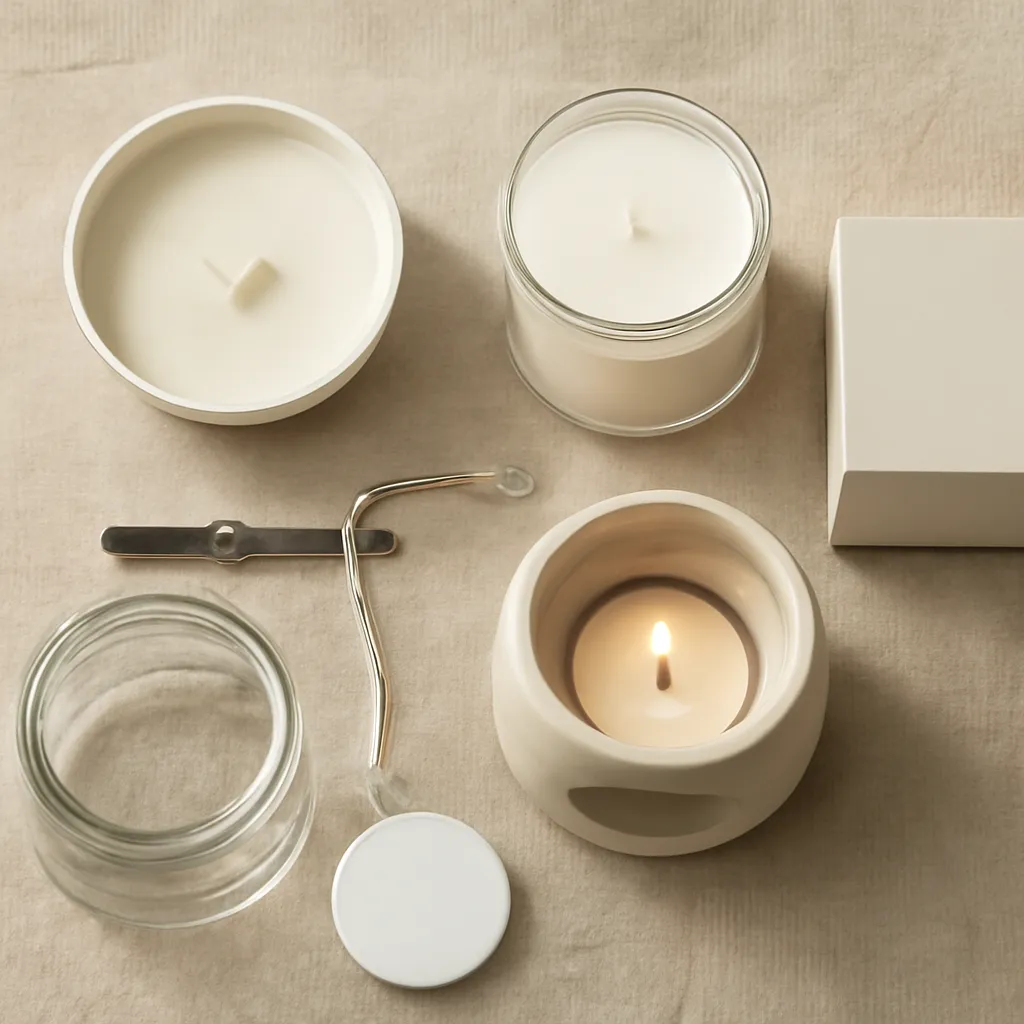
Many candle owners are unaware that the first time you light your candle sets the stage for every future use. The initial burn should last long enough for the entire top layer of wax to melt evenly, creating what’s known as a full melt pool. If you extinguish the candle too soon, you risk tunneling, where only the wax around the wick melts on subsequent burns. This not only shortens your candle’s lifespan but also limits the surface area from which fragrance can evaporate, leading to a candle scent not strong enough to fill your room.
To avoid this, always allow your candle to burn for one hour per inch of its diameter during the first use. For example, a 3-inch wide candle should burn for at least three hours. This helps establish an even wax memory, ensuring that each time you relight the candle, it will continue to melt out to the edges. If tunneling has already occurred, carefully scoop away excess wax around the wick or use a candle warmer to even out the surface and restore scent throw. Remember, patience during the first burn pays off in the long run with a stronger, more consistent fragrance.
Wick Selection and Maintenance
The type and condition of your candle’s wick can make or break its scent performance. A wick that’s too thin may not generate enough heat to create a full melt pool, resulting in a weak scent. Conversely, a wick that’s too thick can burn too hot, causing the fragrance oils to evaporate too quickly or even create soot. Most premium candles use cotton or wood wicks sized specifically for the vessel and wax type. If you’re making your own candles or troubleshooting a store-bought one, check that the wick is centered and upright each time you burn it.
Trimming the wick is another essential step. Before each lighting, trim the wick to about 1/4 inch. This prevents excessive smoking, uneven burning, and helps maintain a steady flame. A well-maintained wick ensures that the wax melts properly, maximizing the scent released. If you notice your candle scent not strong after several uses, inspect the wick for mushrooming (a carbon buildup at the tip) or debris in the wax. Removing these can help restore the candle’s fragrance output. For an extra boost, consider candles with multiple wicks, which can increase the melt pool and scent throw in larger rooms.
Wax Type and Fragrance Load
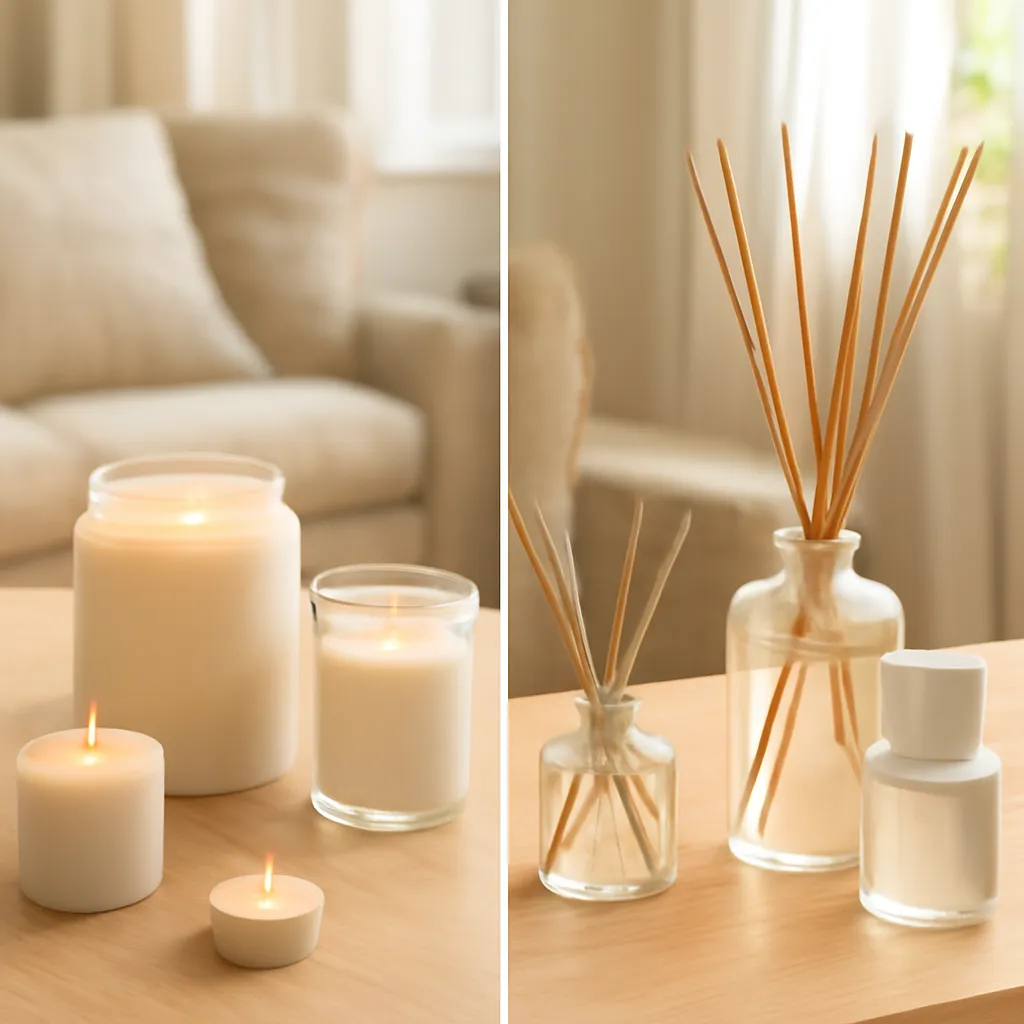
The composition of your candle’s wax and the amount of fragrance oil used play a huge role in how well your candle performs. Paraffin wax is known for its excellent scent throw, but many people prefer soy or coconut wax for cleaner burning and sustainability. However, natural waxes can sometimes hold less fragrance oil, resulting in a candle scent not strong enough for those seeking the strongest scented candle experience. When shopping, look for brands that disclose their fragrance load—the percentage of scent oil relative to the wax. High-quality candles typically use 8-12% fragrance oil for optimal performance.
In addition to fragrance load, the quality of the oils themselves matters. Synthetic fragrances often produce a more potent scent, while natural essential oils may be subtler but offer therapeutic benefits. If you’re sensitive to strong scents or want a more natural experience, opt for soy candles with essential oils. For maximum impact, choose a blend that combines both. If you’re curious about ingredient quality, check out the soy candle collection at TadaVN Candles, where transparency and craftsmanship go hand in hand. Remember, the right wax and fragrance combination can transform your candle from barely-there to unforgettable.
Burning Environment: Drafts, Temperature, and Placement
Even the strongest scented candle can struggle to perform in the wrong environment. Drafts are a common culprit, as previously mentioned, but temperature and placement also matter. Cold rooms can cause wax to harden and slow the evaporation of fragrance oils, while excessive heat may cause the candle to burn too quickly. Aim to burn candles in a room that’s comfortably warm and free from sudden temperature changes. Avoid placing candles near open windows, fans, or air purifiers that might disrupt the scent distribution.
Placement within the room is equally important. Setting your candle on a low table or in a corner can limit how far the scent travels. For optimal results, position candles at nose level or in the center of the space. If you’re using multiple candles, space them evenly to create a balanced fragrance experience. For those who want to experiment, try pairing your candle with complementary home fragrance products like wax melts or reed diffusers from the home fragrance selection at TadaVN Candles. Layering scents can help fill larger spaces and create a more immersive atmosphere.
Storage and Candle Age: Preserving Scent Strength
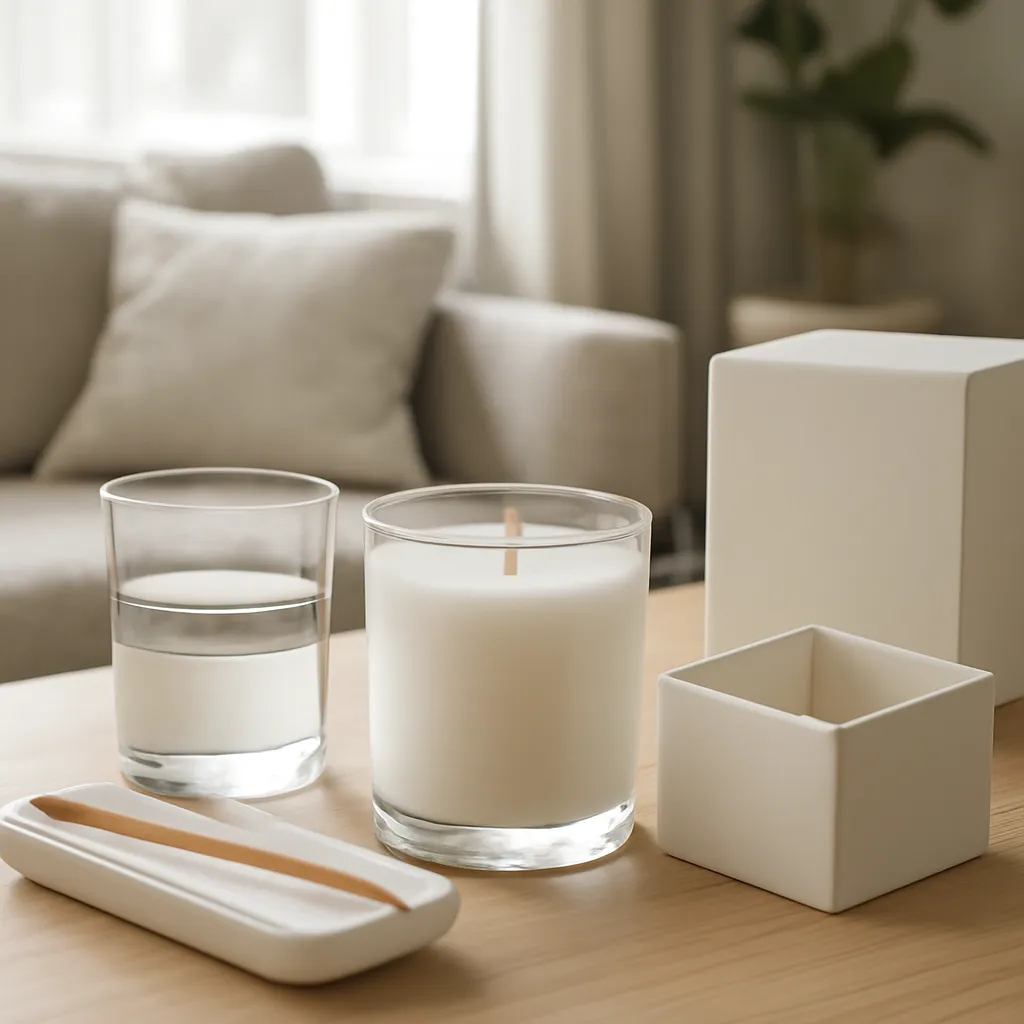
How you store your candles between uses can have a significant impact on their scent strength. Exposure to sunlight, heat, or fluctuating temperatures can cause fragrance oils to degrade or evaporate over time. Always store candles in a cool, dark place with the lid tightly secured. If your candle came without a lid, consider wrapping it in foil or placing it in an airtight container. This helps preserve the fragrance and ensures that your candle scent not strong issue isn’t due to simple neglect.
Age is another factor to consider. While candles don’t technically expire, older candles may lose their potency as fragrance oils break down. If you have a candle that’s been sitting on a shelf for several years, don’t be surprised if the scent is weaker than when you first bought it. For best results, use your candles within a year of purchase and rotate your collection regularly. If you’re looking for fresh options, explore the latest arrivals at TadaVN Candles to keep your home smelling its best year-round.
Candle Warmers and Alternative Methods
If you’ve tried all the usual fixes and still find your candle scent not strong, consider using a candle warmer. These devices gently heat the wax from below or above, releasing fragrance without the need for an open flame. Candle warmers are especially useful for heavily fragranced candles that may burn too quickly or for those who want a flameless option in homes with pets or children. Simply place your candle on the warmer, turn it on, and allow the scent to fill the room gradually. This method can often coax more fragrance from older or partially used candles as well.
Another alternative is to repurpose your candle as wax melts. Once your candle has burned down to the last half-inch of wax, carefully remove the remaining wax and place it in a wax melter. This can help you extract every last bit of fragrance and avoid waste. For those who enjoy experimenting, try mixing leftover wax from different candles to create custom scent blends. Be sure to follow all safety instructions and never leave candle warmers or wax melters unattended. For high-quality wax melts and flameless fragrance options, check out the wax melts selection at TadaVN Candles.
Fragrance Fatigue and Setting Realistic Expectations
Sometimes, the problem isn’t with your candle at all—it’s with your nose. Fragrance fatigue, also known as olfactory adaptation, occurs when you become so accustomed to a scent that you stop noticing it. This is especially common with subtle or familiar fragrances. If you’ve been burning the same candle for hours and suddenly can’t detect the scent, step outside for a few minutes or open a window to reset your senses. When you return, you’ll likely notice the fragrance again.
It’s also important to set realistic expectations. Not every candle is designed to be the strongest scented candle on the market. Some are intentionally crafted to provide a gentle, background aroma rather than an overpowering scent. Consider the intended use and your personal preferences when selecting candles. If you’re seeking a bold, room-filling fragrance, look for products marketed as high-intensity or extra strong. For a more subtle experience, opt for candles with natural essential oils or lighter scent profiles. Understanding your own scent preferences will help you make better choices and avoid disappointment.
When to Stop Using a Candle: Safety and Quality Concerns
While troubleshooting can resolve many issues, there are times when it’s best to stop using a candle altogether. If you notice excessive soot, flickering, or a dangerously high flame, extinguish the candle immediately and check for wick or wax issues. Never burn a candle all the way down to the bottom of the container, as this can cause the glass to overheat and potentially crack. Always leave at least half an inch of wax at the base to prevent accidents.
If your candle develops an off smell, discolors, or the wax separates from the container, it may be past its prime or contaminated. In these cases, it’s safer to discard the candle and replace it with a fresh one. Remember, safety should always come first. For peace of mind, choose candles from reputable brands that prioritize quality ingredients and safe manufacturing practices. TadaVN Candles, for example, is committed to providing clean-burning, beautifully scented candles that you can enjoy with confidence.
Conclusion: Creating a Cozy, Fragrant Home with TadaVN Candles
Solving the mystery of why is my scented candle not smelling can be as simple as adjusting your environment, caring for your wick, or choosing the right candle for your space. By understanding the factors that influence scent throw and following safe burning practices, you can transform any room into a warm, inviting haven. Whether you prefer subtle notes or the strongest scented candle, there’s a solution for every fragrance lover.
At TadaVN Candles, we believe that a beautifully scented candle is the finishing touch to a cozy home. Explore our curated selection at TadaVN Candles and discover how the right fragrance can elevate your everyday moments. With a little care and the perfect candle, your home will always smell as wonderful as it feels.