


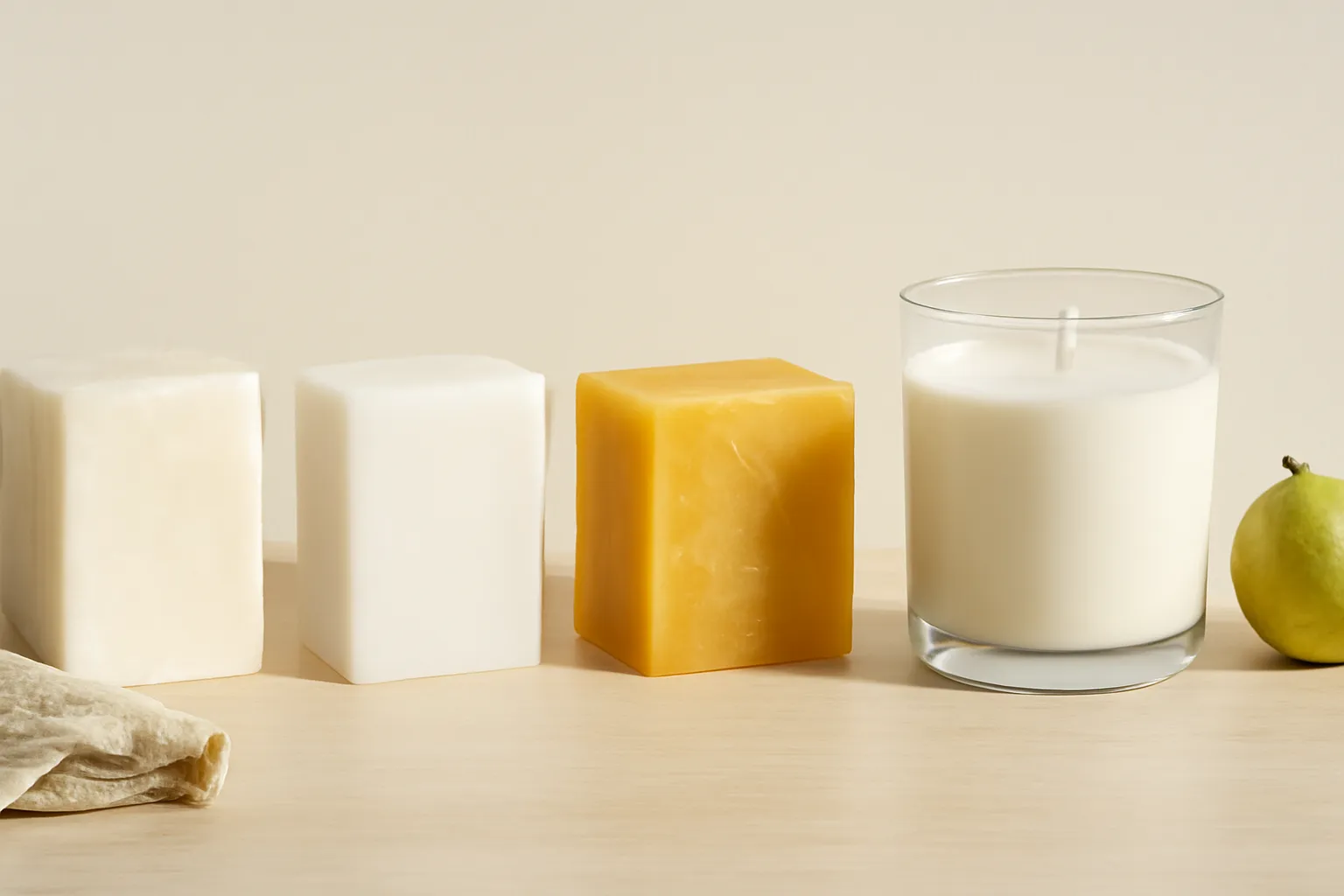
Candle lovers know that the wax you choose shapes every aspect of your experience, from how your candle burns to how your favorite scent fills the room. As we move into 2026, understanding candle wax types is more important than ever—whether you’re selecting a gift, treating yourself, or curating a home fragrance collection. The core of every candle is its wax, and each type brings unique properties, benefits, and tradeoffs. This candle wax guide will walk you through the most popular types of candle wax, explaining their melt behavior, scent performance, appearance, and what makes each one the best wax for candles in different situations.
Within the first few minutes of shopping for a new candle, you’ll likely encounter soy, paraffin, beeswax, coconut, and various blends. Each of these candle wax types has its own texture, melt point, and way of carrying fragrance. Some offer a slow, even burn; others create a bold scent throw or a beautiful finish. By comparing these options side by side, you’ll be able to make informed choices and avoid common mistakes—ensuring every candle you light brings the comfort and style you desire.
Understanding the Main Candle Wax Types
The world of candle wax types has expanded rapidly in recent years. Soy wax, paraffin wax, beeswax, coconut wax, and specialty blends now dominate the shelves, each offering distinct features for candle buyers. Soy wax, derived from soybean oil, is known for its creamy texture and clean appearance. Paraffin wax, a classic choice, is celebrated for its versatility and strong scent throw. Beeswax stands out for its natural golden hue and subtle honey aroma, while coconut wax is prized for its silky finish and ability to blend well with other waxes. Blends—often combining soy, coconut, or even small amounts of beeswax—are increasingly popular for their balanced performance.
When comparing types of candle wax, it’s helpful to look at both their origins and their practical properties. For example, soy wax is plant-based, making it a popular choice for those seeking a more natural product, while paraffin is derived from petroleum. Beeswax is harvested from honeycombs, giving it unique physical and olfactory characteristics. Coconut wax, though newer to the market, is appreciated for its smooth, creamy look and excellent fragrance retention. Blended waxes aim to combine the best features of each component, often resulting in candles that burn evenly, look beautiful, and perform well in a variety of environments.
Choosing the best wax for candles depends on your priorities: burn time, scent strength, appearance, or ingredient sourcing. As you explore this candle wax guide, keep in mind that no single wax is perfect for every situation. Instead, understanding the pros and tradeoffs of each type will help you select the candle that best matches your needs and aesthetic preferences.
Soy Wax: Creamy Texture and Clean Burn
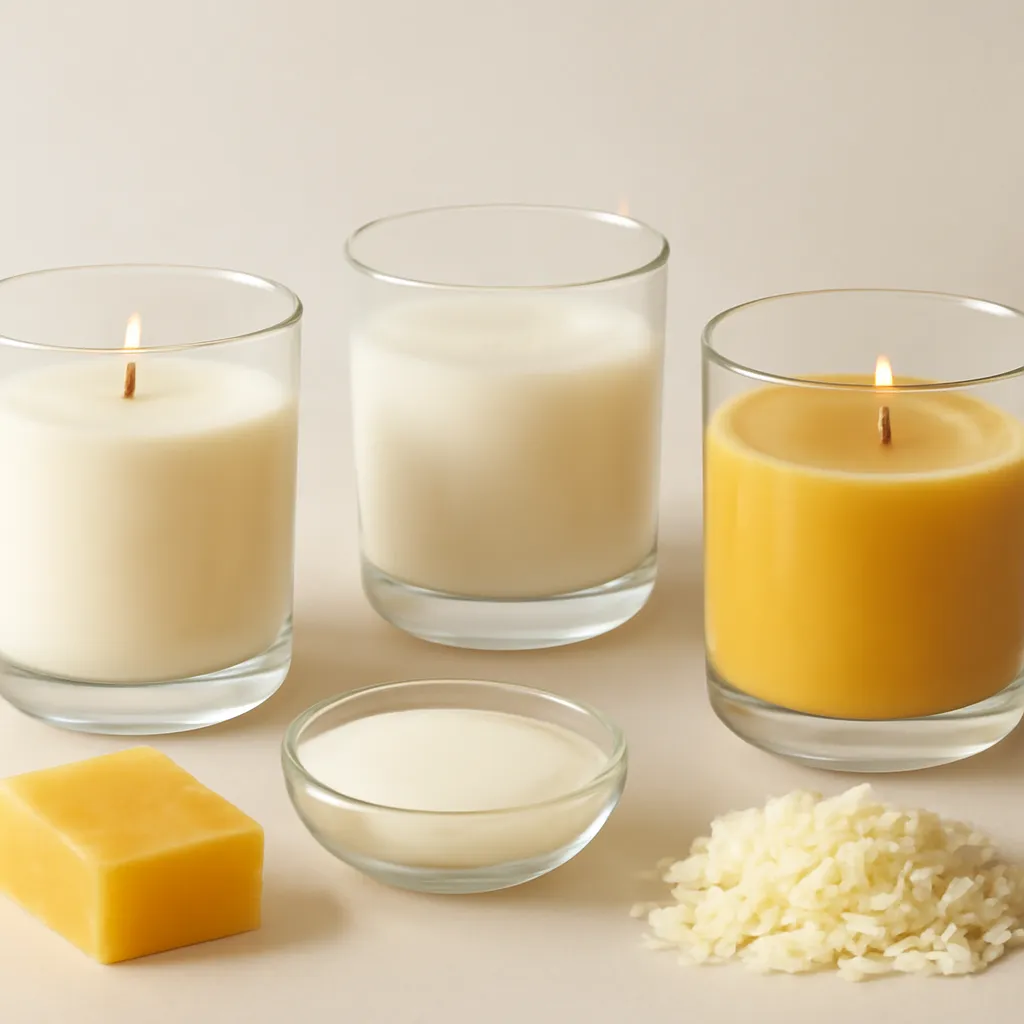
Soy wax has gained immense popularity among candle enthusiasts, and for good reason. Made from hydrogenated soybean oil, soy wax offers a creamy, opaque finish that looks elegant in both clear and colored vessels. Its lower melt point—typically between 120°F and 130°F—means it burns cooler and often lasts longer than harder waxes. This makes soy a favorite for those who want candles that provide many hours of gentle, consistent light.
One of the key benefits of soy wax is its ability to hold and release fragrance evenly. When shopping for scented candles, you’ll find that soy wax can deliver a subtle but persistent scent that doesn’t overpower a room. This makes it an excellent choice for bedrooms, living rooms, or any space where you want a soothing backdrop rather than an intense aroma. The creamy texture of soy wax also lends itself well to container candles, as it adheres smoothly to glass and allows for a flawless finish. If you’re searching for a thoughtful gift, a soy candle collection is a versatile and crowd-pleasing option.
However, soy wax is not without its quirks. Because of its softer consistency, it can be prone to frosting—a harmless but sometimes unsightly white bloom on the surface. This does not affect performance, but it’s something to consider if visual perfection is your priority. For those who value a clean, even burn and a subtle, natural scent, soy wax remains a top contender in the world of candle wax types.
Paraffin Wax: Classic Performance and Bold Scent Throw
Paraffin wax has been the backbone of the candle industry for decades, thanks to its accessible price, versatility, and reliable performance. Made from refined petroleum, paraffin wax is known for its high melt point—usually around 130°F to 150°F—resulting in a firm, durable candle that holds its shape even in warmer environments. This makes paraffin a popular choice for pillar candles, votives, and any style where structural integrity is key.
One of the standout features of paraffin wax is its exceptional scent throw. If you love candles that fill your space with fragrance quickly and powerfully, paraffin is hard to beat. Its crystalline structure allows it to absorb and release fragrance oils efficiently, making it a favorite for bold, statement scents. Paraffin also offers a bright, clean flame and a smooth finish, which appeals to those who appreciate a classic candle aesthetic.
However, paraffin wax is not without tradeoffs. Some buyers prefer plant-based or naturally derived waxes for personal or environmental reasons. Additionally, paraffin candles may burn faster than soy or beeswax, which means you might go through them more quickly. Still, for those seeking strong scent performance, a wide variety of colors and shapes, and a traditional candle experience, paraffin remains a staple among types of candle wax.
Beeswax: Natural Beauty and Subtle Fragrance
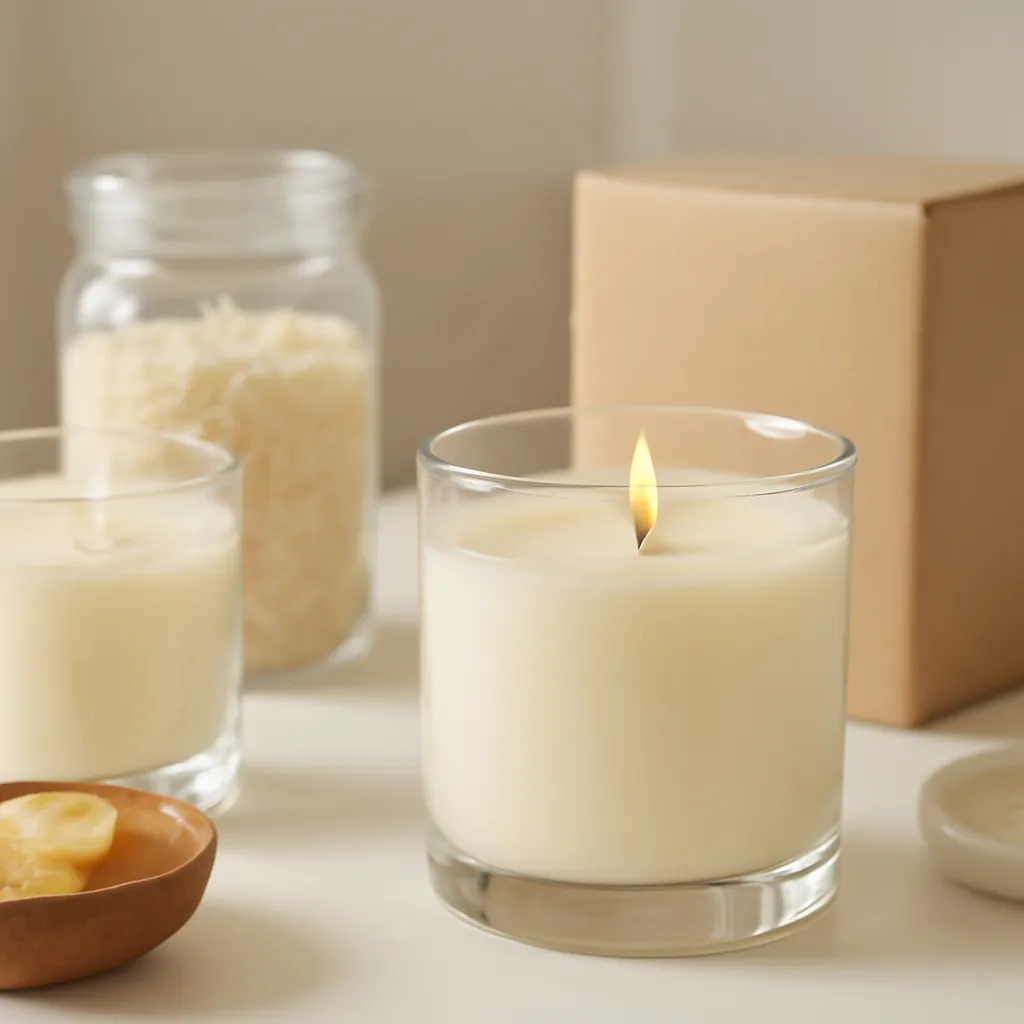
Beeswax candles have a devoted following thanks to their natural origins and unique properties. Harvested from the honeycombs of bees, beeswax is one of the oldest candle wax types in use. Its warm, golden hue and subtle honey scent create an inviting atmosphere in any home. With a melt point typically between 144°F and 149°F, beeswax candles burn slowly and produce a steady, bright flame that is less likely to flicker or smoke.
One of the most appealing aspects of beeswax is its natural air-purifying effect, caused by the release of negative ions as it burns. While this is a subtle benefit, many people appreciate the gentle, clean ambiance that beeswax candles provide. The texture of beeswax is firm and slightly tacky, which allows it to be molded into both pillars and tapers. Its natural scent is mild and pairs beautifully with essential oils, though it may not carry synthetic fragrances as strongly as paraffin.
Beeswax candles are often chosen for their artisanal quality and traditional appeal. They make thoughtful gifts and add a touch of timeless elegance to any setting. If you’re seeking a candle wax guide that values natural beauty and gentle fragrance, beeswax is a wonderful option—especially for those who enjoy a more understated, authentic candle experience.
Coconut Wax and Modern Blends: Silky Finish and Enhanced Scent
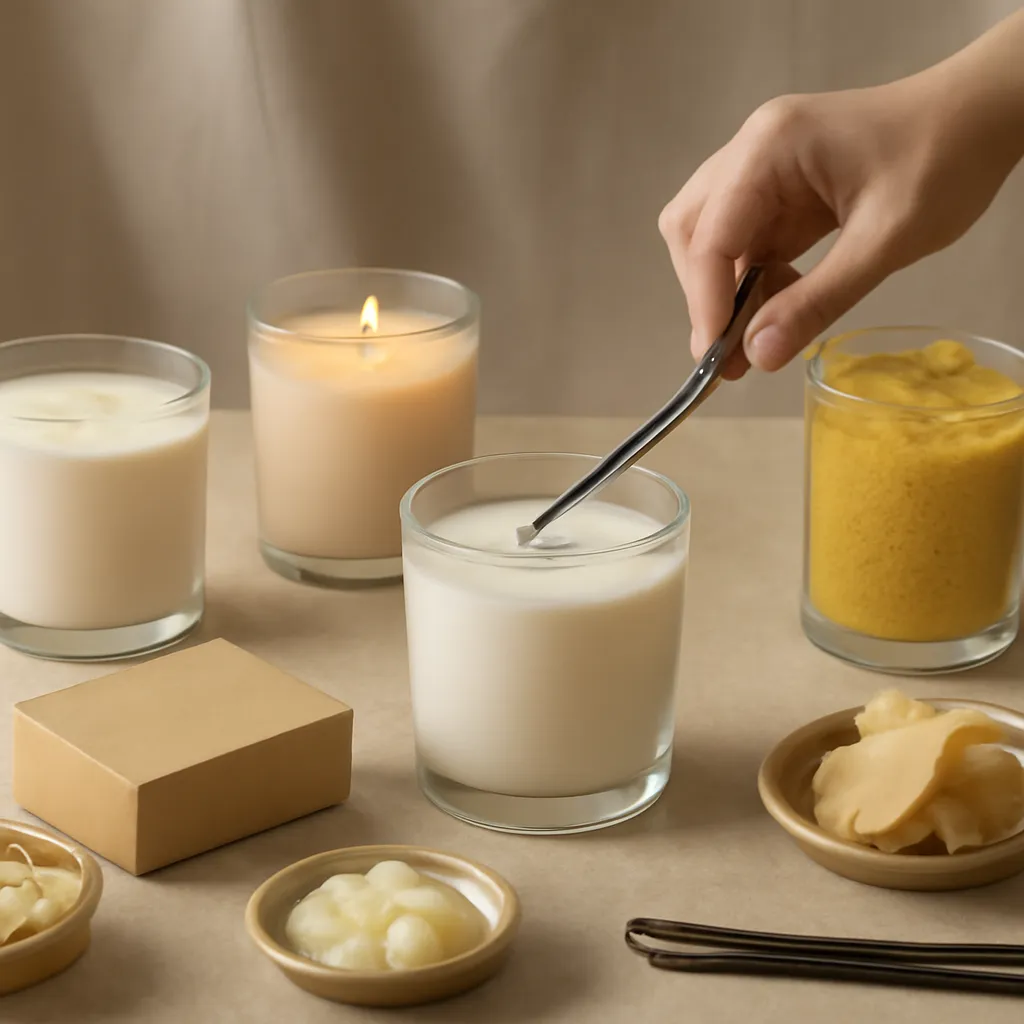
Coconut wax is a relative newcomer among candle wax types, but it has quickly gained traction for its luxurious feel and performance. Made from the cold-pressed oil of coconut meat, coconut wax boasts a silky, creamy texture that looks stunning in glass jars and decorative vessels. It has a low melt point, usually between 100°F and 110°F, which means it burns slowly and evenly, creating a long-lasting candle.
What sets coconut wax apart is its ability to blend seamlessly with other waxes, such as soy or beeswax. These blends are designed to optimize the strengths of each component: coconut wax adds creaminess and excellent fragrance retention, while soy or beeswax provide structure and a clean burn. The result is a candle that offers both visual appeal and strong scent performance. Coconut wax is especially effective at holding delicate or complex fragrances, making it a favorite for high-end, boutique candles.
When shopping for candles, you’ll often encounter coconut-soy or coconut-beeswax blends. These represent the best wax for candles if you’re seeking a luxurious look and nuanced scent profile. However, because coconut wax is softer, it’s best suited for container candles rather than freestanding pillars. For those who appreciate innovation and a touch of indulgence, coconut wax and its blends are worth exploring in your next candle purchase.
Melt Point and Texture: What They Mean for Candle Performance
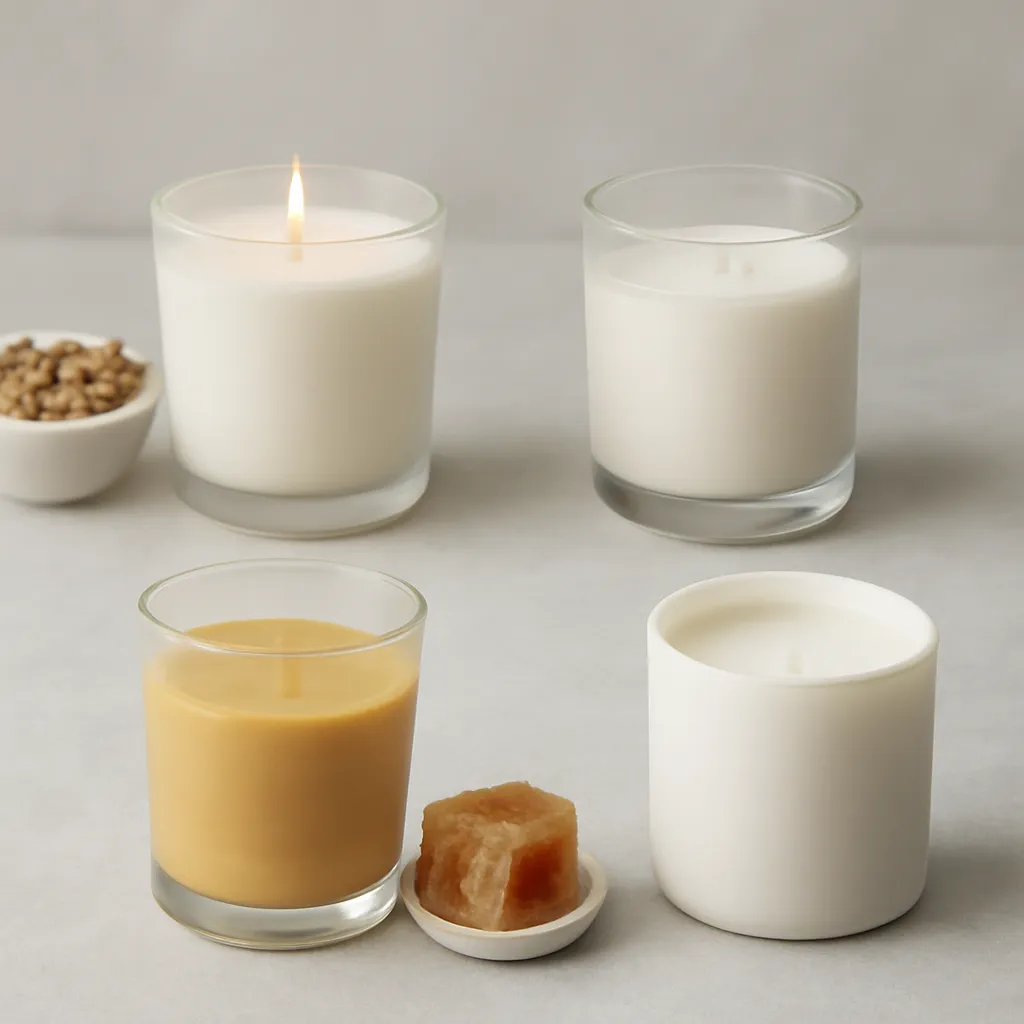
The melt point of a candle wax is more than just a technical specification—it directly affects how your candle burns, how it looks, and how it releases fragrance. Candle wax types with a low melt point, such as coconut and soy, tend to burn cooler and may be softer to the touch. This means they are ideal for container candles, where the vessel helps support the wax as it melts. These waxes often produce a smooth, creamy surface and a gentle, even burn.
Higher melt point waxes, like paraffin and beeswax, create firmer candles that hold their shape in a variety of conditions. This makes them suitable for pillars, tapers, and other freestanding forms. The texture of these waxes can be glossy or matte, depending on formulation and finishing. For instance, beeswax has a natural, slightly tacky feel, while paraffin can be polished to a high shine. These physical properties also influence how the candle interacts with its wick, container, and environment.
When selecting the best wax for candles, consider where and how you plan to use them. If your home tends to be warm, a higher melt point wax may prevent slumping or melting. If you want a candle that feels soft and luxurious, a lower melt point wax like coconut or soy could be ideal. Understanding the relationship between melt point, texture, and performance will help you choose a candle that looks beautiful and functions perfectly in your space.
Scent Performance: How Wax Type Influences Fragrance
One of the most important factors for candle buyers is how well a candle fills a room with fragrance. The type of candle wax plays a crucial role in scent performance, affecting both the initial “cold throw” (how it smells unlit) and “hot throw” (how it smells while burning). Paraffin wax is widely recognized for its powerful scent throw, as its structure allows it to absorb and release fragrance oils efficiently. This makes it a go-to for those who want a bold, noticeable aroma.
Soy wax, while more subtle, excels at providing a steady and gentle release of fragrance. This makes it ideal for spaces where a softer scent is preferred. Beeswax, with its natural honey scent, can sometimes mask or alter added fragrances, but it pairs beautifully with essential oils for a more organic experience. Coconut wax and blends are celebrated for their ability to hold complex or delicate scents, creating a nuanced olfactory profile that evolves as the candle burns. If you’re looking for a new home fragrance, explore the scented candles selection for options across all these wax types.
When choosing the best wax for candles, consider your fragrance preferences and the size of your space. For large rooms or open-plan homes, a paraffin or coconut blend may provide the strongest scent. For bedrooms or intimate areas, soy or beeswax offers a more subtle, comforting aroma. Understanding these differences ensures you’ll find a candle that matches your mood and setting.
Buyer-Facing Pros, Tradeoffs, and Comparison Checklist
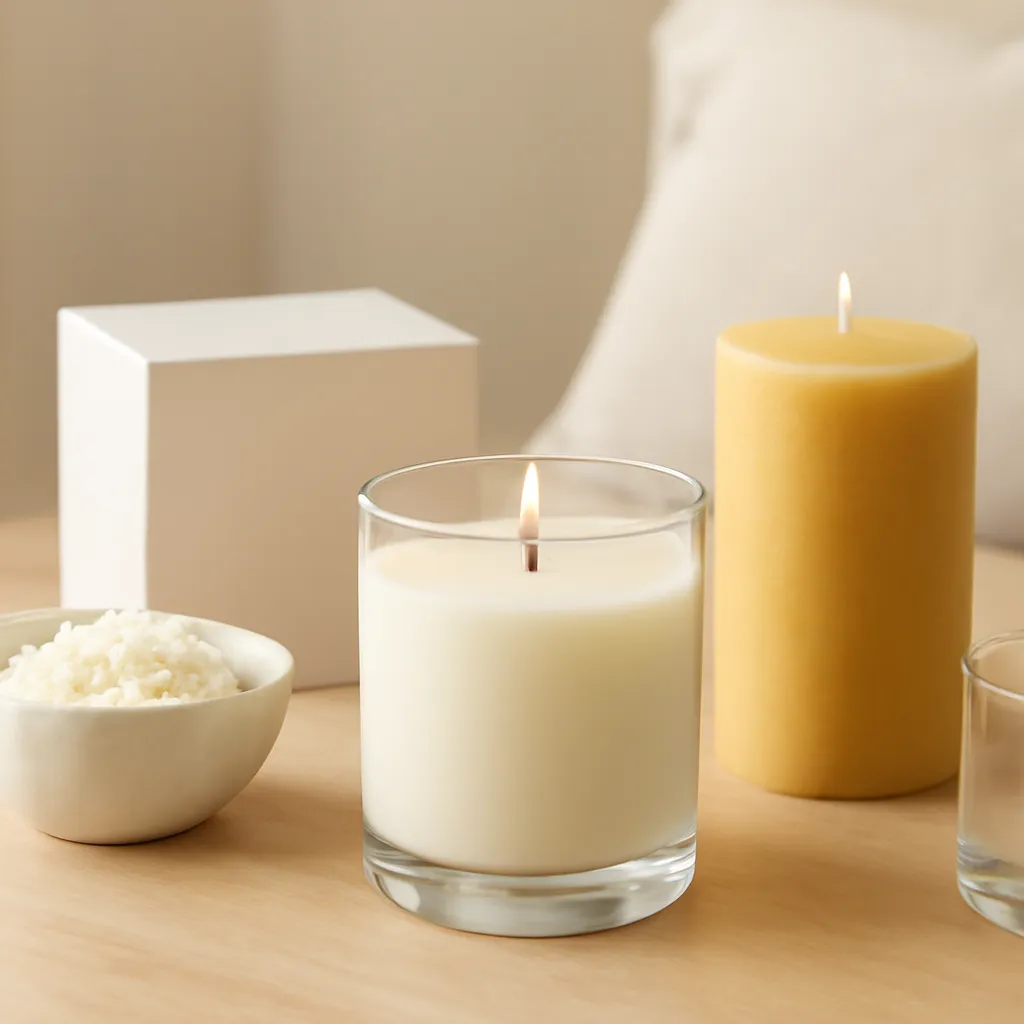
Every candle wax type comes with its own set of advantages and tradeoffs. For buyers, the choice often comes down to a few key factors: burn time, scent strength, appearance, ingredient sourcing, and price. Soy wax is lauded for its clean, long-lasting burn and plant-based origins, but it may develop surface frosting. Paraffin wax delivers bold scent and a classic look, but some buyers prefer alternatives for personal or environmental reasons. Beeswax offers natural beauty and a subtle fragrance, making it ideal for those who value authenticity and tradition.
Coconut wax and blends stand out for their creamy texture and ability to hold complex fragrances, but they are generally softer and best suited for container candles. Price can also vary widely—beeswax and coconut wax tend to be more expensive, while paraffin and soy are usually more affordable. Use this simple checklist to compare your options:
- BURN TIME: Soy and beeswax generally last longer; paraffin burns faster.
- SCENT THROW: Paraffin and coconut blends excel; soy is moderate; beeswax is subtle.
- APPEARANCE: Soy and coconut offer creamy finishes; paraffin is smooth; beeswax is golden and natural.
- SUITABILITY: Soy and coconut for containers; paraffin and beeswax for pillars/tapers.
- INGREDIENTS: Plant-based (soy, coconut), animal-based (beeswax), petroleum-based (paraffin).
By weighing these factors, you can select the best wax for candles that aligns with your lifestyle and décor. Remember, the right choice is the one that brings you the most satisfaction and comfort in your home.
Common Mistakes and How to Avoid Them
Even experienced candle buyers can make mistakes when choosing between different candle wax types. One frequent error is selecting a wax type without considering the intended use or environment. For example, a soft soy or coconut wax candle may not perform well in a hot, sunny room, as it could soften or lose shape. Similarly, using a paraffin pillar in a small, unventilated space may result in an overwhelming fragrance.
Another common mistake is overlooking the importance of wick size and placement, which interact closely with the candle wax. If the wick is too small for a high-melt-point wax, the candle may tunnel or burn unevenly. Conversely, a wick that’s too large can cause excessive soot or an uneven melt pool. Always check product descriptions for recommended burn practices, and trim wicks before each use for the best results.
Lastly, some buyers assume that all candles labeled as “soy” or “natural” are created equal. In reality, many candles use blends or additives to improve performance. Read labels carefully and buy from reputable brands, such as TadaVN Candles, to ensure you’re getting a product that matches your expectations. A little research goes a long way in finding the best wax for candles for your home.
Physical Properties and Melt Behavior: What to Look For
The physical properties of candle wax—such as hardness, color, and surface finish—directly affect melt behavior and overall performance. Soy wax, for instance, is softer and can develop a creamy, even surface, while paraffin remains firm and smooth throughout the burn. Beeswax’s golden color and subtle texture add a natural touch, and coconut wax’s silky finish gives a luxurious appearance to container candles.
When burning your candle, observe how the wax melts and pools. A high-quality candle should develop an even melt pool across the surface, preventing tunneling and maximizing fragrance release. Softer waxes like soy and coconut will typically melt faster, so ensure the first burn lasts long enough to reach the container’s edge. Harder waxes, such as paraffin and beeswax, may require longer initial burns to achieve the same effect.
Appearance is also important for gift-giving and décor. The best wax for candles will look as beautiful as it smells, whether you prefer the creamy finish of soy, the polished look of paraffin, or the artisanal charm of beeswax. Paying attention to these physical cues will help you select candles that perform well and enhance your living space.
Conclusion: Choosing the Right Candle Wax for Your Home
With so many candle wax types available in 2026, it’s easier than ever to find a candle that matches your lifestyle, décor, and fragrance preferences. Whether you’re drawn to the creamy elegance of soy, the bold performance of paraffin, the natural beauty of beeswax, or the luxurious feel of coconut blends, understanding the strengths and tradeoffs of each wax empowers you to make confident choices. Remember to consider melt point, texture, scent throw, and visual appeal when selecting your next candle.
At TadaVN Candles, we believe the right candle wax transforms not just a room, but your entire mood. Our curated selection spans all major types of candle wax, ensuring you’ll find the perfect match for every occasion. Let your next home fragrance journey begin by exploring our home fragrance collection—where every candle is crafted to bring warmth, style, and comfort to your space.