


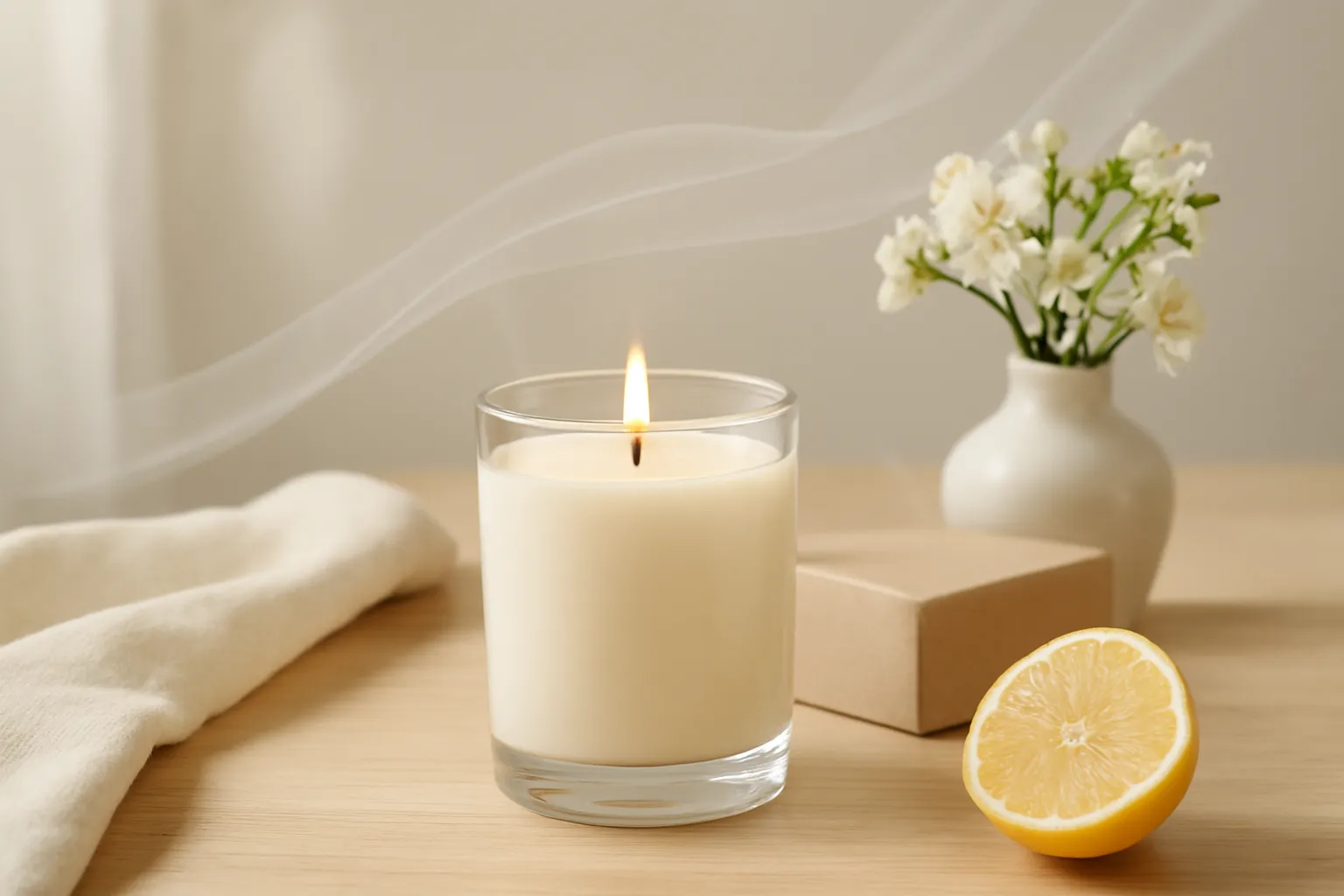
If you’re deciding between soy wax vs beeswax for your next candle purchase, you’re not alone. In 2026, candle lovers are more discerning than ever about burn time, candle scent throw, and cost. This guide will help you understand the real differences between these two popular types of candle wax, so you can make an informed choice that fits your lifestyle and home fragrance preferences. Whether you’re a seasoned collector or searching for your first signature scent, knowing how soy wax and beeswax behave can transform your candle experience.
Right from the start, let’s answer the core question: soy wax and beeswax offer distinct advantages, but the best choice depends on your priorities. Soy wax is known for its clean, even burn and affordability, while beeswax is prized for longevity and a subtle, natural aroma. When it comes to candle scent throw—how well a candle fills a room with fragrance—each wax responds differently to hot throw vs cold throw. Factors like room size, ventilation, and even nose fatigue can change your perception of a candle’s performance. In this comprehensive guide, we’ll break down each aspect, provide practical tips, and help you avoid common mistakes, so you can enjoy the perfect candle every time.
Understanding Candle Scent Throw: Hot Throw vs Cold Throw
The concept of candle scent throw is central to the candle-buying experience. It refers to how well a candle disperses its fragrance in a space. There are two main types: cold throw and hot throw. Cold throw describes the scent you notice when the candle is unlit, while hot throw is the fragrance released when the candle is burning. Both soy wax and beeswax perform differently in these areas, and understanding this can help you choose the right candle for your needs.
Soy wax is often praised for its strong cold throw. When you pick up a soy candle and take off the lid, you’ll likely notice a burst of fragrance. This is because soy wax’s molecular structure allows it to hold and release fragrance oils efficiently at room temperature. However, some candle enthusiasts find that soy wax’s hot throw can be less intense than its cold throw, depending on the fragrance load and wick type. Beeswax, on the other hand, tends to have a subtler cold throw, but when lit, it can deliver a richer, more nuanced hot throw—especially if the candle is blended with essential oils or natural extracts.
The difference between hot throw vs cold throw is not just academic. If you want a candle that welcomes guests with a strong scent before it’s even lit, soy wax may be your best bet. If you prefer a candle that evolves and deepens as it burns, beeswax could be the way to go. Keep in mind that the types of candle wax you choose will influence both the initial impression and the lingering ambiance in your home.
How Room Size and Ventilation Affect Candle Performance
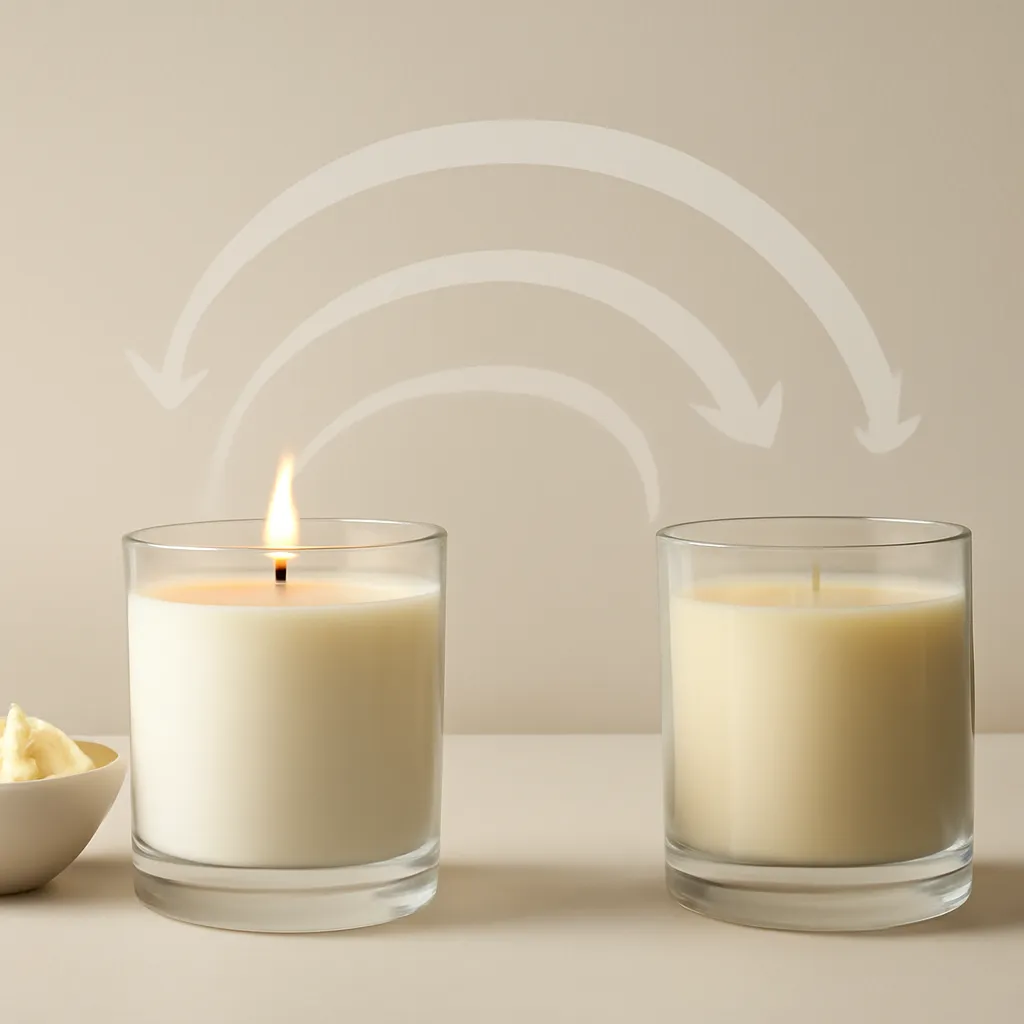
Room size and ventilation play a crucial role in how you experience candle scent throw. Even the most fragrant candle can seem underwhelming in a large, open space or be overpowering in a small, enclosed room. The way air moves through your home will impact both hot throw and cold throw, as well as the overall effectiveness of your chosen candle wax.
For instance, a single soy wax candle may fill a cozy bedroom with fragrance, but that same candle might struggle to scent a spacious living room with vaulted ceilings. Beeswax candles, known for their slow and steady burn, often perform well in medium-sized rooms where their subtle scent can gradually build. If your space is drafty or has frequent airflow—think open windows or fans—the scent may dissipate quickly, regardless of the types of candle wax used. In these cases, consider placing candles near the center of the room, away from direct air currents, to maximize their performance.
Practical placement matters. Try lighting your candle 30 minutes before guests arrive to allow the scent to develop. You can also use multiple smaller candles or wax melts from the soy candle collection to layer fragrance throughout larger spaces. Always remember that proper ventilation is important for safety, but too much airflow will dilute your candle’s aroma. Experiment with candle placement and room configuration to find what works best for your home.
Wax Temperature and Burn Conditions: Getting the Most from Your Candle
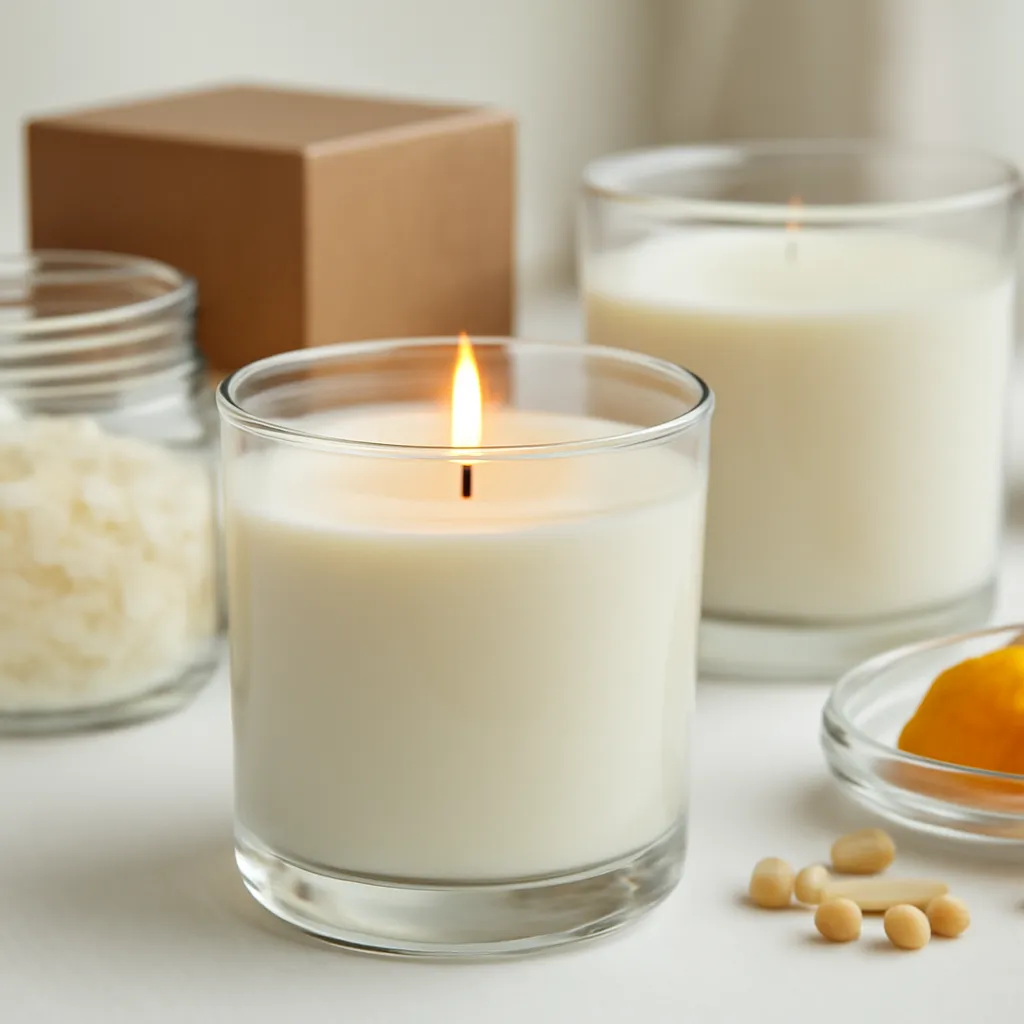
The temperature at which your candle burns has a direct impact on scent throw and longevity. Soy wax and beeswax each have ideal burn conditions that enhance their strengths. When a candle burns too hot, fragrance oils can evaporate quickly, leading to a strong initial scent but a shorter overall experience. If it burns too cool, the wax may tunnel, wasting product and muting the fragrance.
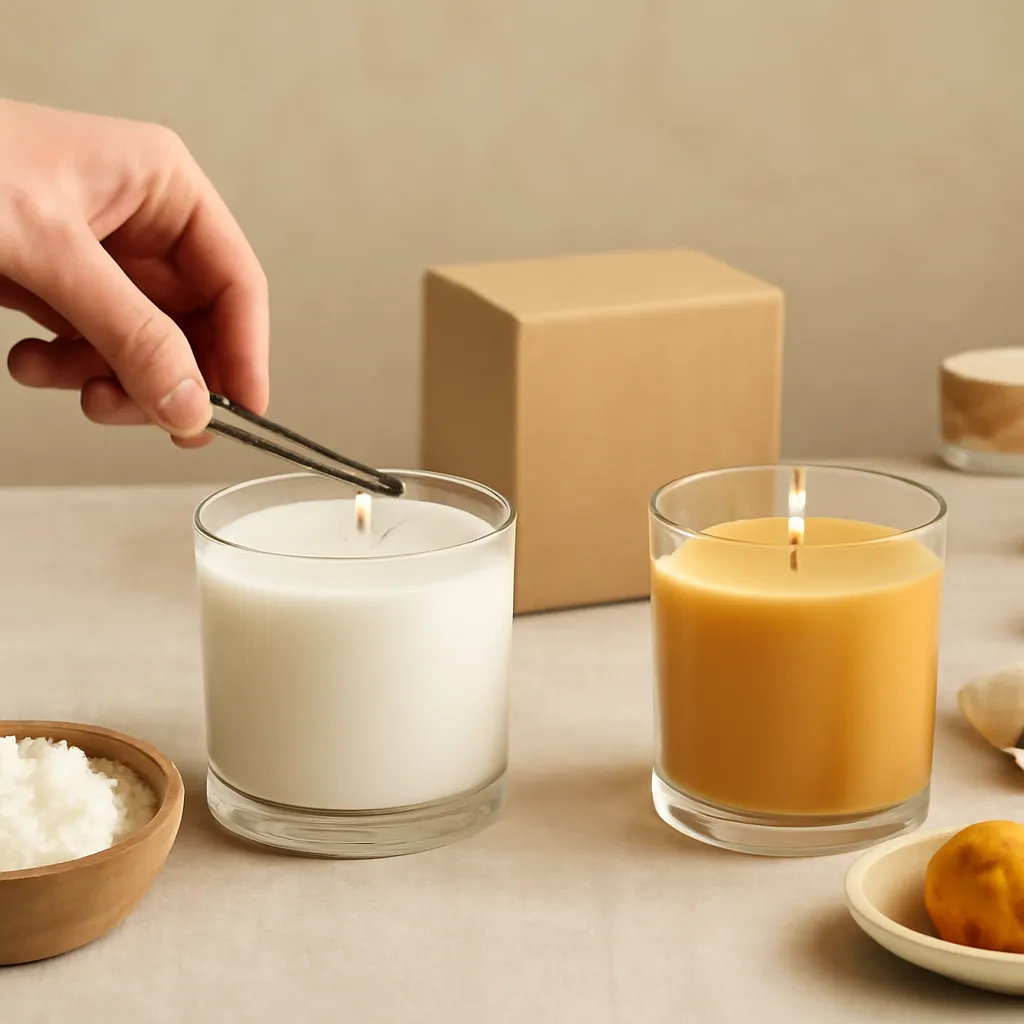
Soy wax typically melts at a lower temperature than beeswax, which means it often produces a quicker scent release. To optimize a soy candle’s performance, trim the wick to 1/4 inch before each use and let the wax pool reach the edges of the vessel before extinguishing. This helps prevent tunneling and ensures even fragrance distribution. Beeswax, with its higher melting point, benefits from a slightly longer initial burn—usually two to three hours—to allow the wax pool to fully develop. This slow, steady burn is part of what gives beeswax candles their reputation for longevity and deep, layered hot throw.
Burn conditions also depend on the vessel, wick type, and even ambient room temperature. Choose sturdy glass or ceramic containers for both soy wax and beeswax to help regulate heat. If you’re experimenting with different types of candle wax, keep notes on burn times and scent throw to identify your favorites. For a curated selection of high-quality candles, check out the scented candles available from TadaVN Candles.
Nose Fatigue: Why Your Candle’s Scent May Seem to Disappear
Have you ever noticed that a candle’s fragrance seems to fade after a while, even though it’s still burning? This phenomenon is known as nose fatigue, or olfactory adaptation. It occurs when your senses become accustomed to a particular scent, making it less noticeable over time. Both soy wax and beeswax candles can be affected by nose fatigue, but the effect may vary depending on the intensity and complexity of the fragrance.
Soy wax candles, which often feature bold, single-note fragrances, can trigger nose fatigue more quickly in small spaces. Beeswax candles, with their softer, more natural aromas, may be less likely to overwhelm your senses, but even subtle scents can become less perceptible after extended exposure. To combat nose fatigue, try rotating between different candle scents or taking breaks by stepping outside for a few minutes. Opening a window briefly can also help reset your sense of smell without sacrificing your candle’s hot throw.
If you’re hosting an event or want to maintain a consistent home fragrance, alternate between soy wax and beeswax candles or introduce wax melts in complementary scents. The variety offered by different types of candle wax can help keep your environment fresh and inviting. For more inspiration, browse the home fragrance options at TadaVN Candles.
Placement Strategies for Stronger Scent Throw
Where you place your candle significantly influences its scent throw. Strategic placement can enhance both hot throw and cold throw, making the most of your chosen candle wax. Start by positioning candles at nose level or slightly below, as fragrance naturally rises and disperses more evenly from this height. Avoid placing candles near open windows, vents, or fans, which can disperse scent too quickly and reduce its impact.
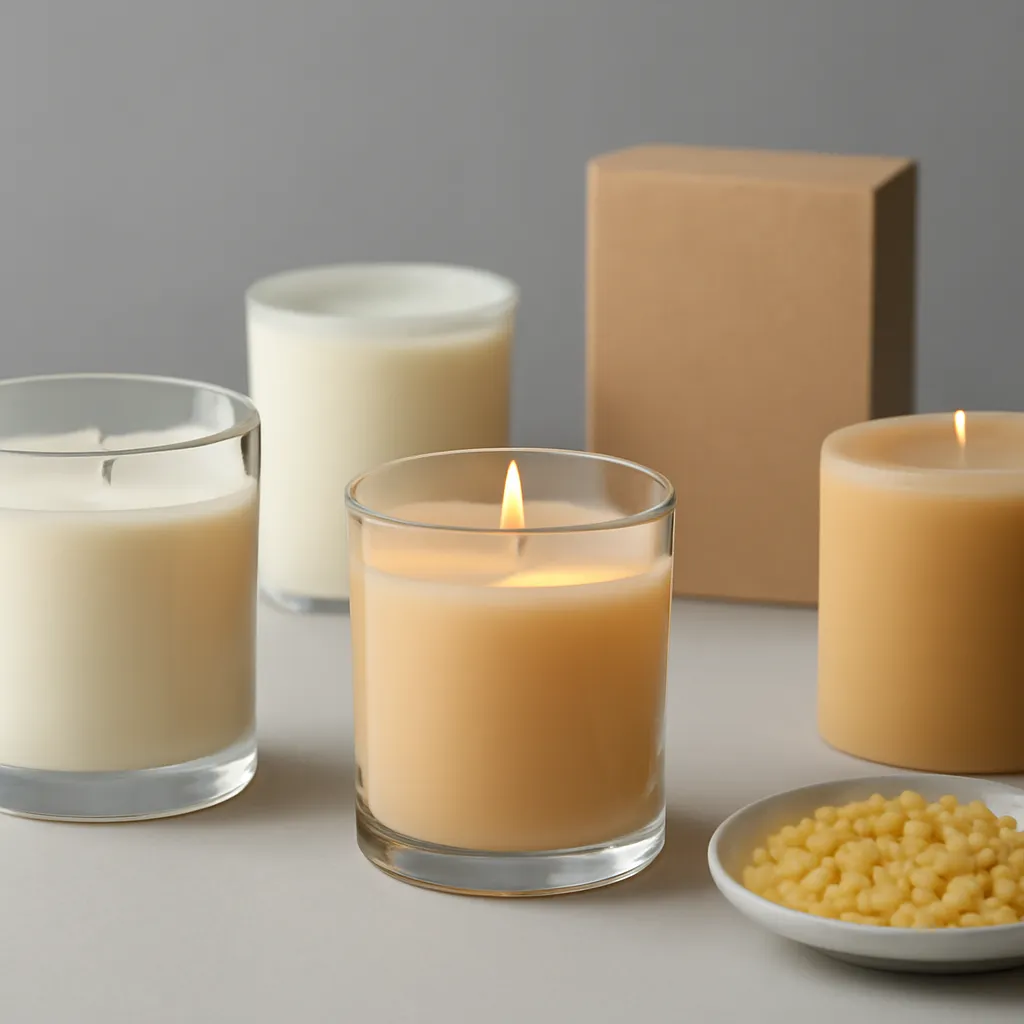
For small rooms, a single soy wax candle may be sufficient to fill the space with fragrance. In larger areas, consider grouping two or three candles of the same scent to create a stronger presence. Beeswax candles are especially effective in entryways or hallways, where their warm, natural aroma can gently greet guests. If you’re using multiple types of candle wax, place them in different parts of the room to create subtle scent zones. This approach helps prevent nose fatigue and keeps your home feeling fresh and layered.
Don’t overlook vertical placement—shelves, mantels, and side tables are excellent spots for candles. For a cohesive look, coordinate candle vessels with your décor and use trays to group several candles together. The right placement not only improves fragrance distribution but also adds a stylish touch to your living space. Try using wax melts in high-traffic areas for a consistent background scent without the need for an open flame.
Source and Texture: What Sets Soy Wax and Beeswax Apart
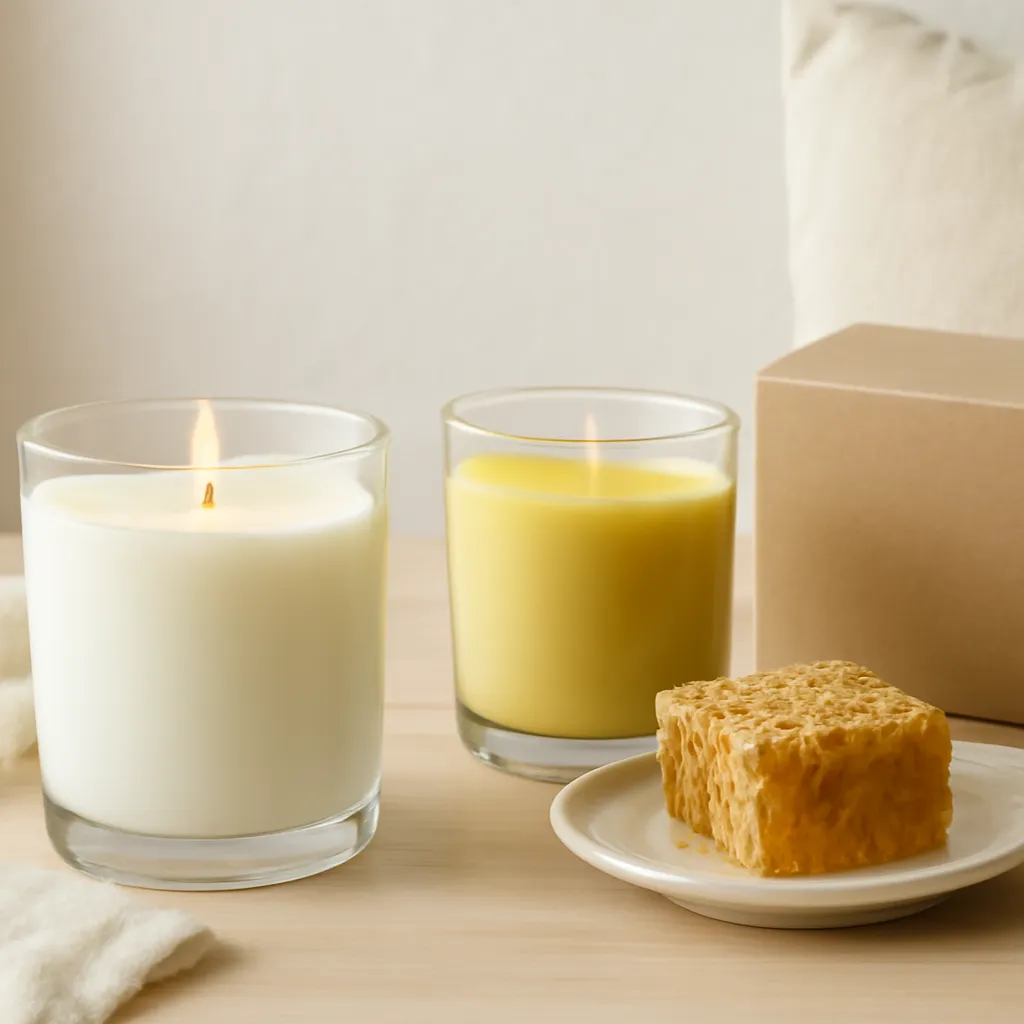
The origins and textures of soy wax and beeswax contribute to their unique burning characteristics. Soy wax is derived from hydrogenated soybean oil, making it a plant-based, renewable resource. It’s typically creamy and smooth, with a subtle, neutral color that takes well to dyes and fragrance oils. Beeswax, on the other hand, is produced by honeybees and has a naturally golden hue and a firmer, more granular texture. This difference in composition affects everything from burn time to scent throw.
Soy wax’s soft texture allows it to absorb and release fragrance oils efficiently, leading to a strong cold throw and a clean, even melt pool. It’s a popular choice for those seeking vibrant, customizable candles with a variety of scent profiles. Beeswax’s denser texture means it burns more slowly, producing a gentle, natural aroma even when unscented. Many candle enthusiasts appreciate beeswax for its subtle honey undertones and its ability to purify the air by releasing negative ions as it burns, though this effect varies by candle and environment.
When choosing between these types of candle wax, consider your priorities. Do you want a bold, customizable scent and a wide range of color options? Soy wax may be ideal. Prefer a traditional, natural look with understated fragrance? Beeswax could be your perfect match. Both offer unique textures that enhance the sensory experience of burning a candle.
Burn Time and Cost: Getting the Best Value
Burn time and cost are practical considerations for any candle buyer. Soy wax candles are generally more affordable and widely available, making them a great option for frequent use or gifting. They typically burn for 30 to 50 hours, depending on size and wick type. Beeswax candles, while often more expensive, are valued for their exceptional burn time—sometimes lasting up to twice as long as similarly sized soy candles.
The higher cost of beeswax reflects its labor-intensive harvesting process and natural scarcity. However, the extended burn time can offset the initial investment, especially if you burn candles regularly. When comparing soy wax vs beeswax, consider not just the upfront price but also the longevity and overall performance. If you’re looking for everyday candles with strong scent throw, soy wax offers excellent value. For special occasions or long-lasting ambiance, beeswax may be worth the splurge.
To maximize value, look for candles with high-quality wicks and fragrance oils, regardless of the types of candle wax. Proper care—trimming the wick, burning for the recommended duration, and storing candles away from direct sunlight—will help you get the most out of every candle. Explore the soy candle collection at TadaVN Candles for affordable, long-lasting options.
Common Mistakes and How to Avoid Them
Even experienced candle users can make mistakes that diminish scent throw or shorten burn time. One common error is failing to trim the wick before each use, which can cause uneven burning and excess soot. Another is burning a candle for too short a time, leading to tunneling and wasted wax. Both soy wax and beeswax require a full melt pool to perform at their best, so allow the candle to burn until the entire surface is liquid before extinguishing.
Many people overlook the importance of proper candle placement. Burning a candle near drafts or in a room that’s too large for its size can make the scent seem weak, no matter how high the fragrance load. Using multiple candles or wax melts in larger spaces can help distribute scent more evenly. Finally, storing candles in hot or humid environments can cause fragrance oils to degrade, weakening both cold throw and hot throw over time.
To avoid these pitfalls, follow a simple checklist: trim the wick, allow a full melt pool, choose the right candle size for your space, and store candles in a cool, dry place. These habits will ensure you get the best performance from all types of candle wax, whether you prefer soy wax or beeswax.
Conclusion: Creating a Cozy Home with TadaVN Candles
Choosing between soy wax vs beeswax ultimately comes down to your personal preferences and the atmosphere you want to create. Both types of candle wax offer unique benefits, from strong scent throw and affordability to long burn times and natural elegance. By understanding the nuances of hot throw vs cold throw, optimizing placement, and caring for your candles, you can enjoy a beautifully scented home all year round.
TadaVN Candles is dedicated to helping you find the perfect candle for every room and occasion. Whether you’re drawn to the clean burn of soy wax or the timeless charm of beeswax, our curated collection ensures there’s something for everyone. Light a candle, relax, and let the right fragrance transform your space into a cozy retreat.